Artwork
La Vague
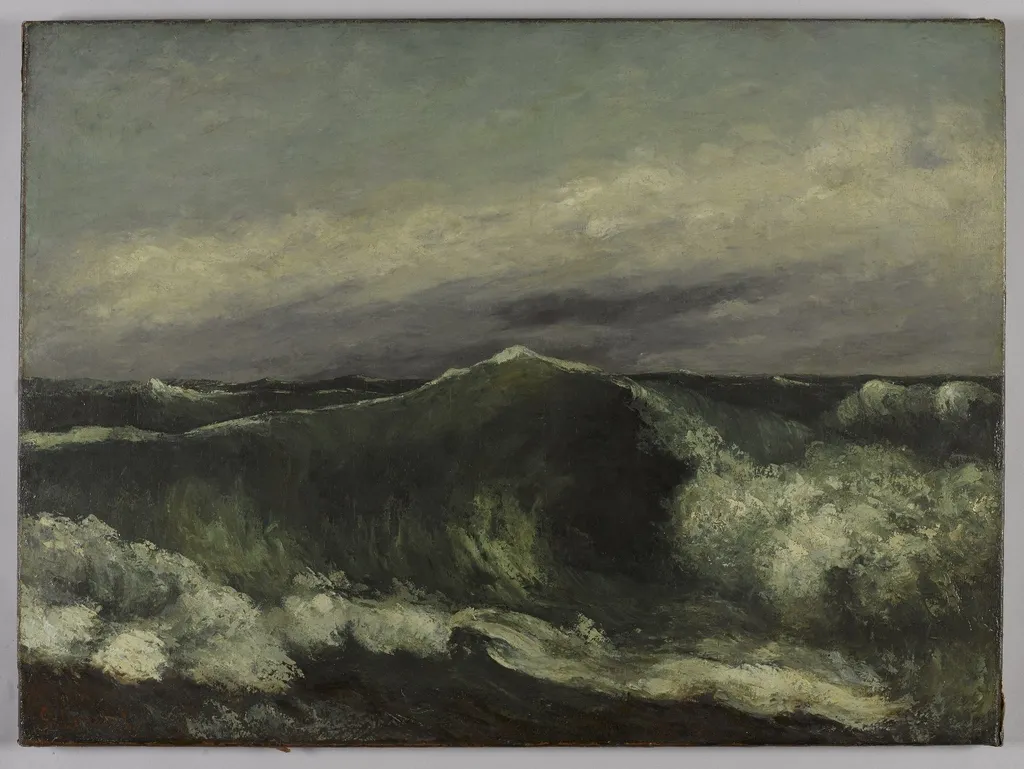
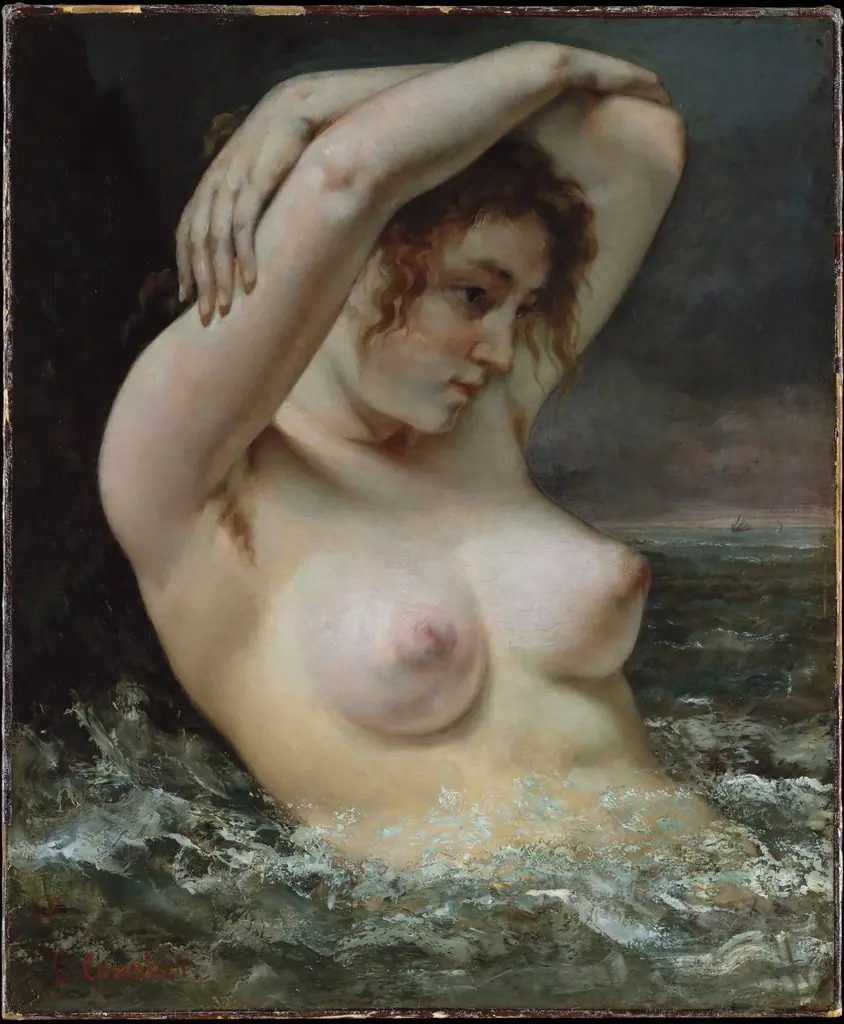
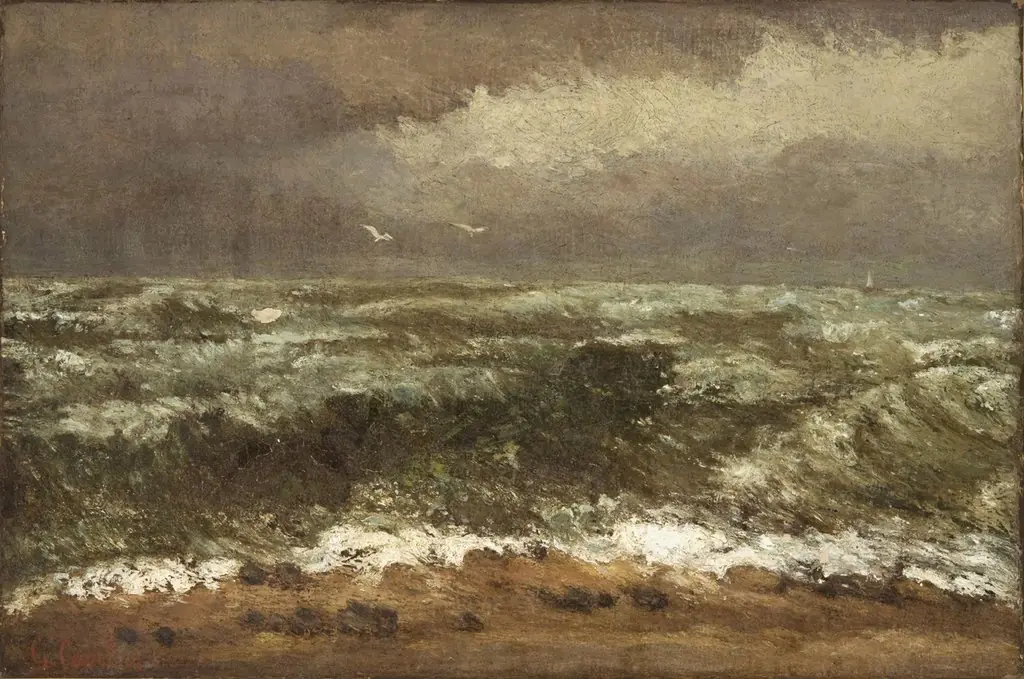
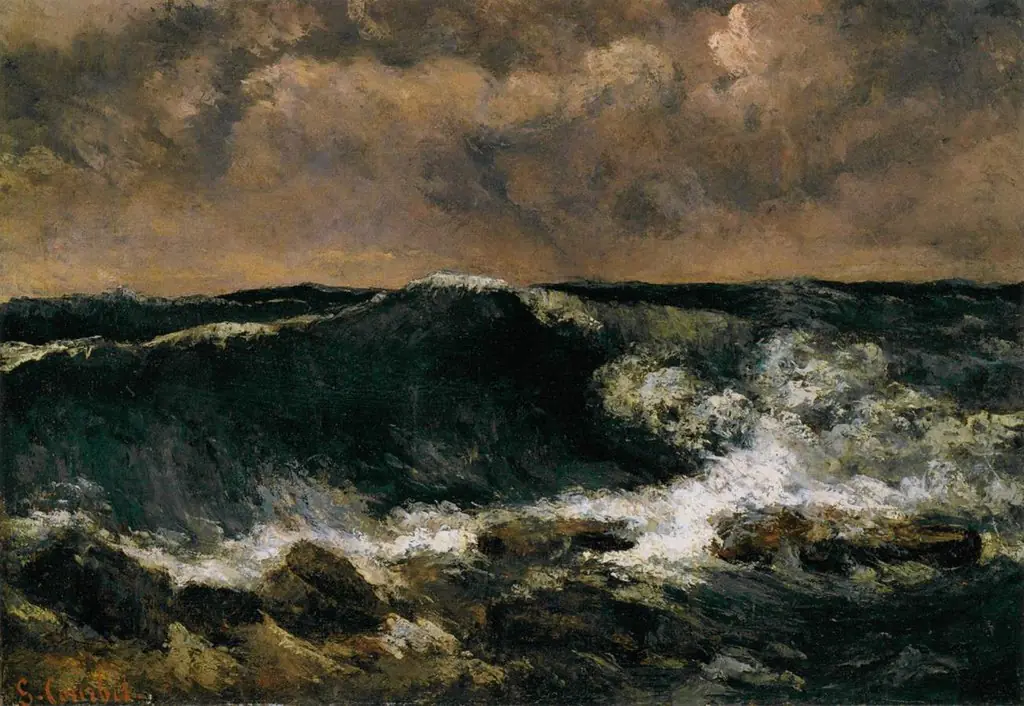
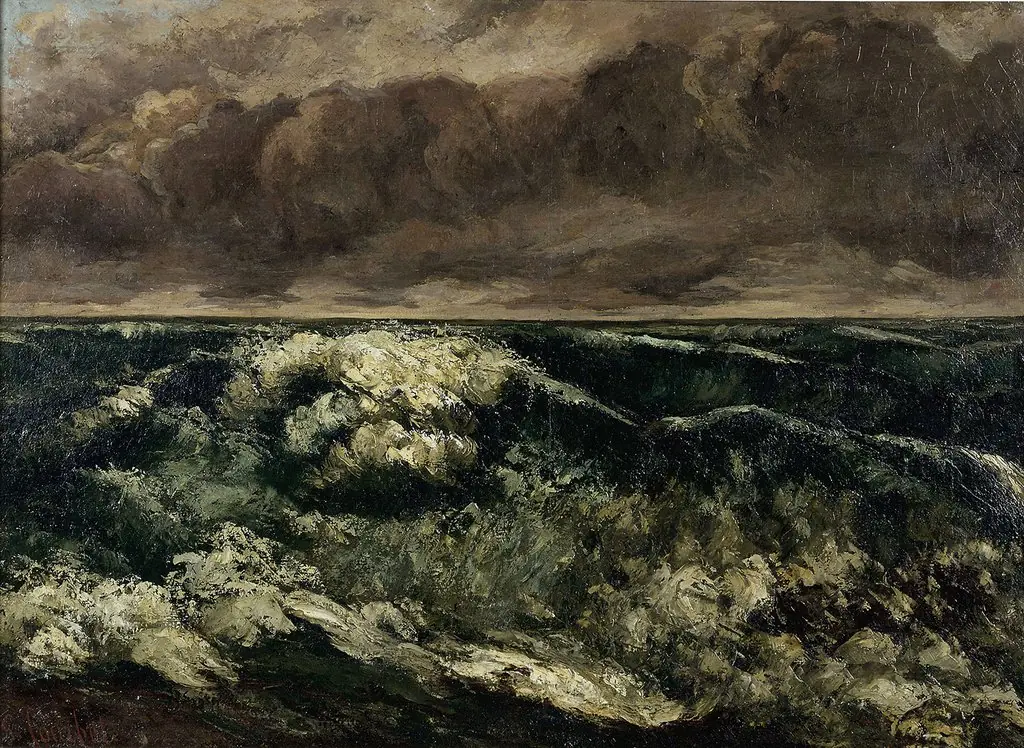
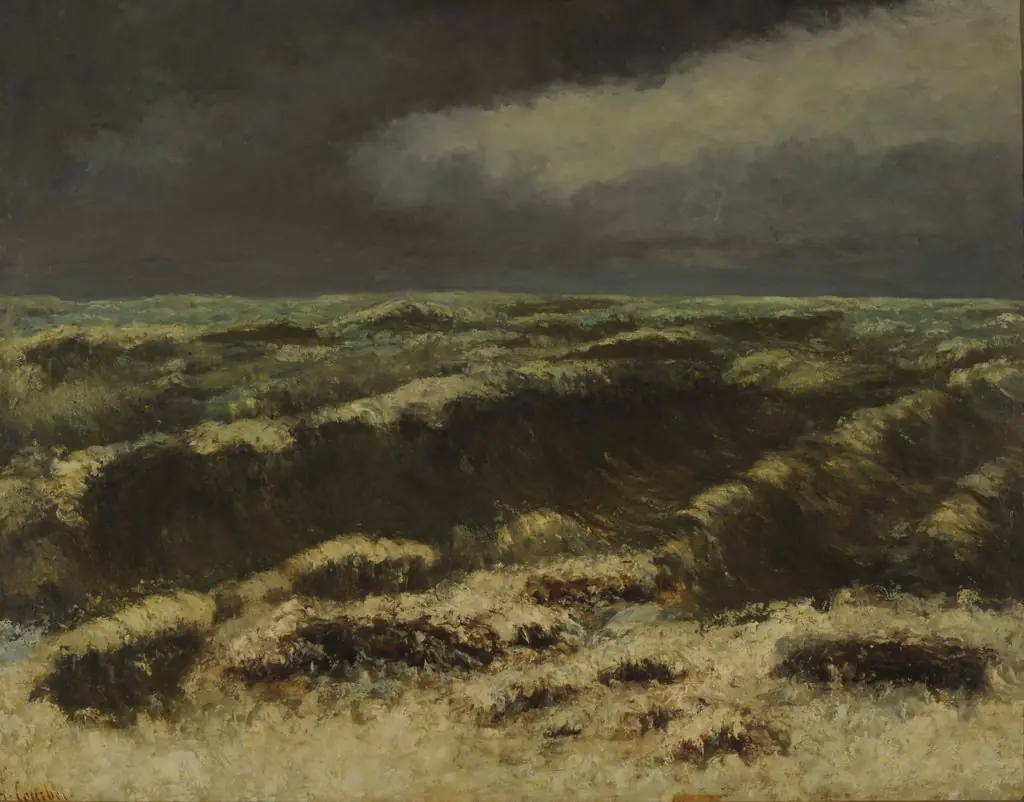
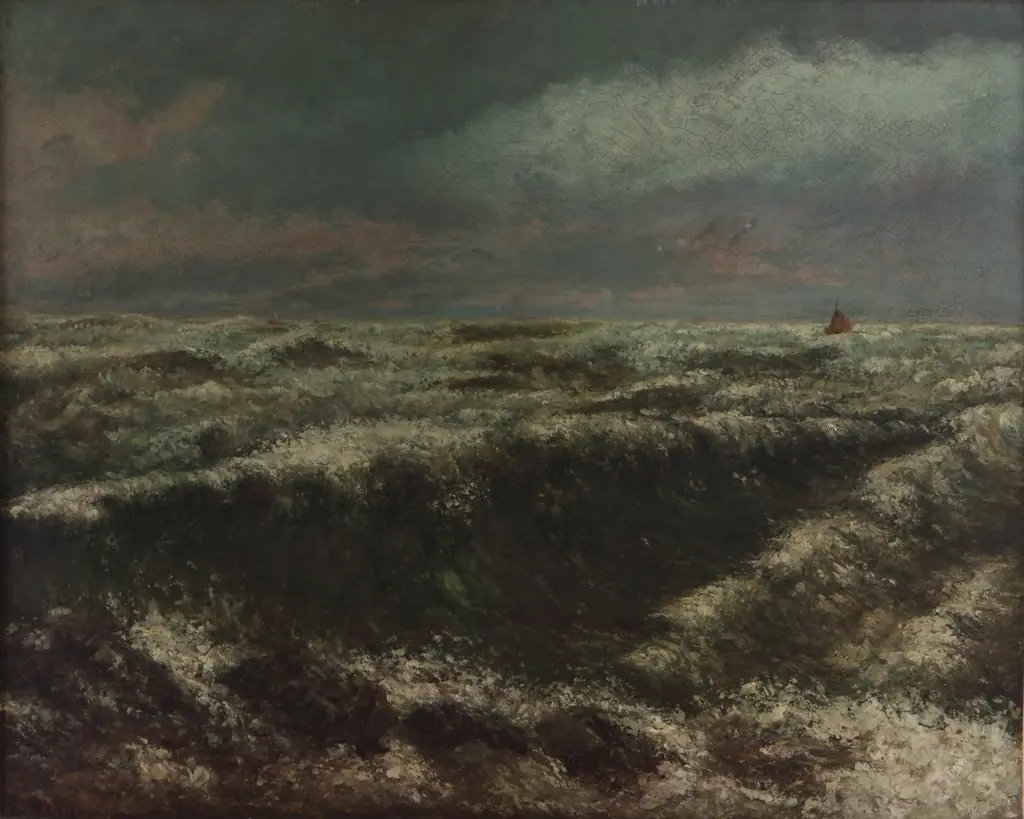
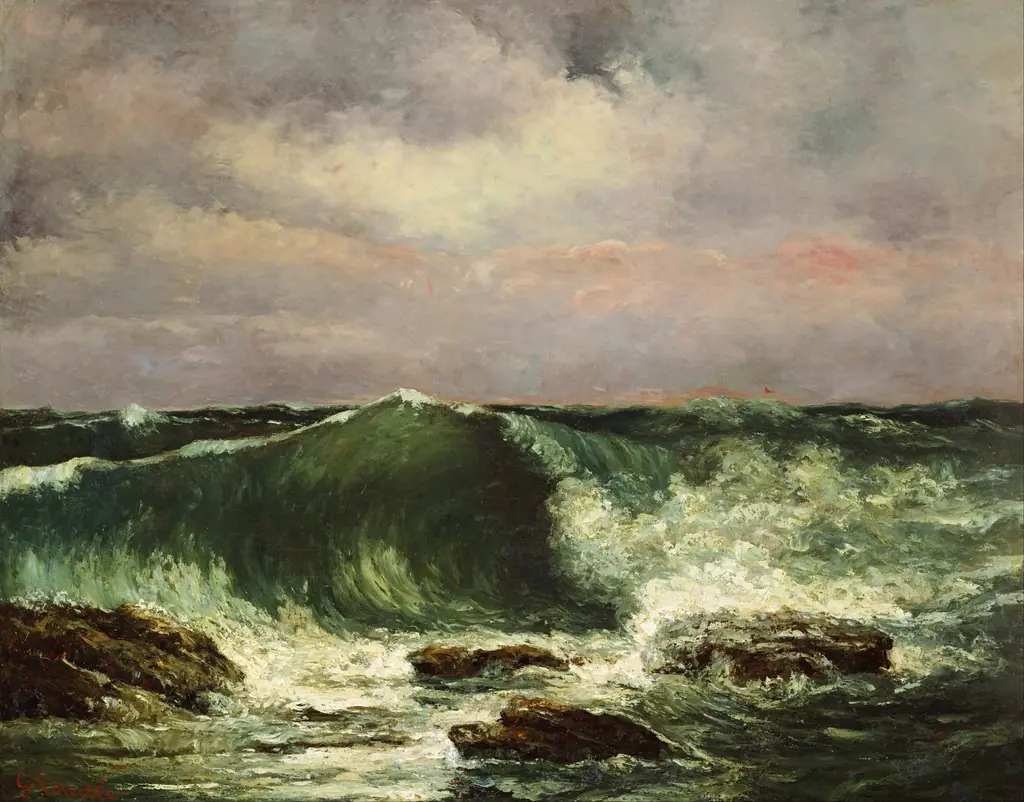
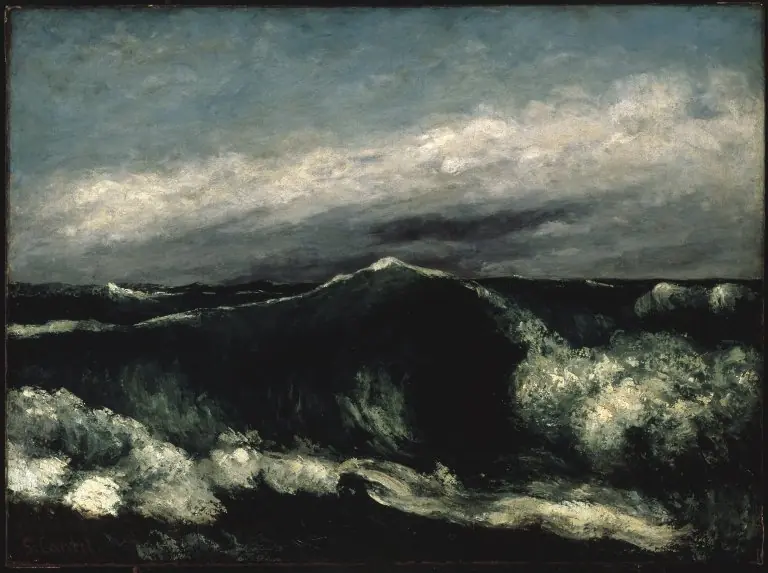
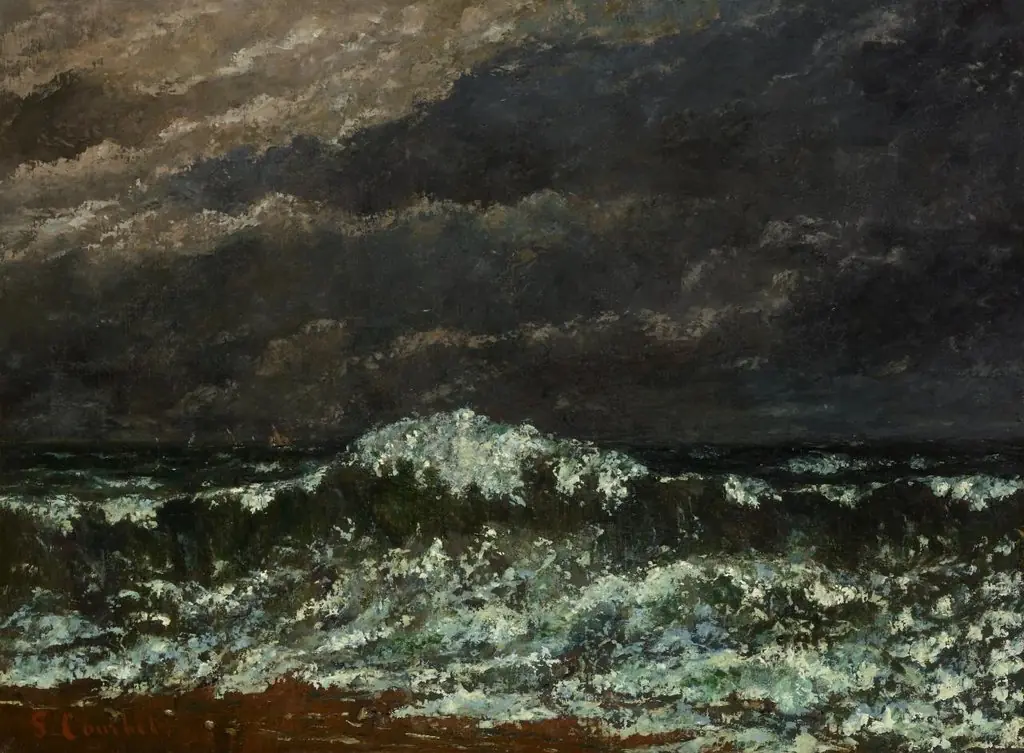
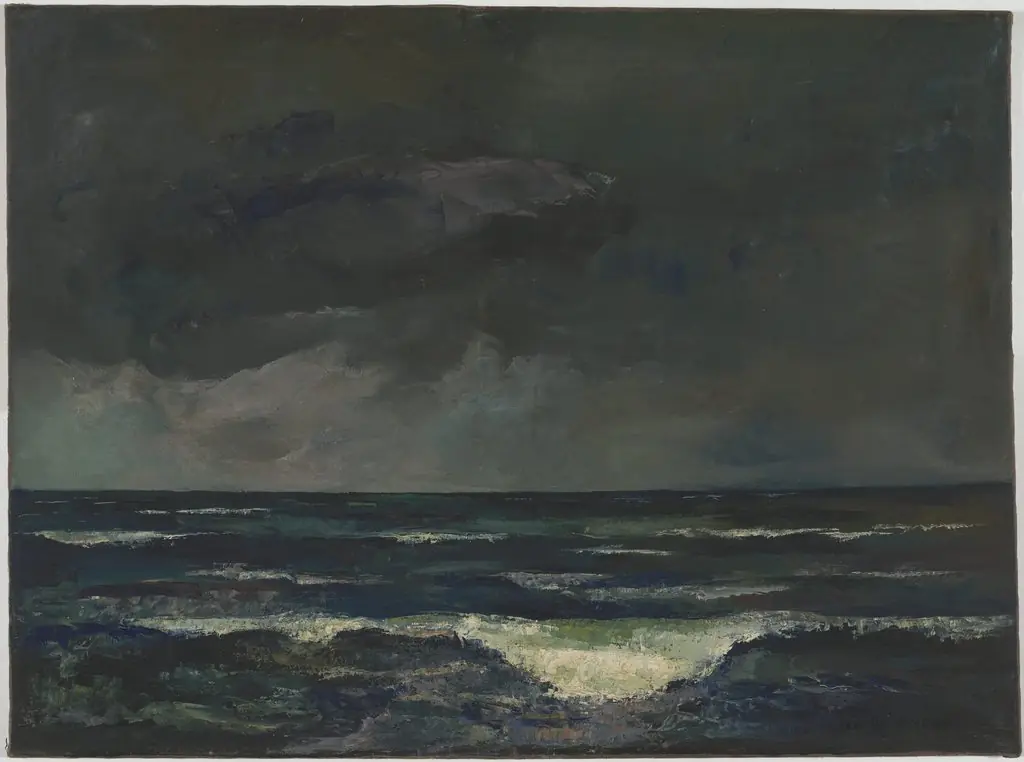
La Vague is an oil painting by the Realist artist Gustave Courbet. It dates from 1869 and is held in the collection of the Brooklyn Museum.
About this work
Overview
Painted in 1869, *La Vague* is an oil on canvas work by Gustave Courbet that captures the raw force of the ocean. It reflects Courbet’s commitment to Realism, prioritizing direct observation over idealized or dramatic interpretations. The painting’s focus on nature’s unvarnished power aligns with his broader rejection of academic traditions and Romantic sentimentality.
Subject & Meaning
The painting presents a turbulent seascape with towering waves crashing near the shore. There are no human figures or narrative elements—only the sea and sky in dynamic interaction. This absence of human presence emphasizes nature’s autonomy and indifference, reinforcing Courbet’s interest in the physical world as it exists without embellishment or symbolism.
Technique & Style
Courbet applied thick, textured brushstrokes to convey the weight and motion of water. Dark greens and whites dominate the waves, with foamy crests rendered through impasto. The gray, overcast sky contrasts with the sea’s energy, enhancing the sense of atmospheric tension. His handling of light and surface avoids traditional chiaroscuro, favoring direct, tactile representation instead.
History & Provenance
Created during Courbet’s mature period, *La Vague* was painted shortly before the Franco-Prussian War and his political involvement. It remained in private hands until entering the Brooklyn Museum’s collection, where it is now held as part of its 19th-century European paintings. Its provenance reflects its status as a significant example of French Realist marine painting.
Context
In the late 1860s, Courbet was increasingly isolated from official art institutions but remained influential among younger artists. *La Vague* emerged alongside other seascapes that challenged the dominance of historical and mythological subjects. Its unidealized depiction of nature contributed to a broader shift toward modern approaches in landscape painting.
Legacy
The painting’s emphasis on materiality and direct observation influenced later movements, particularly Impressionism’s interest in transient natural effects and Cubism’s focus on form and structure. While not widely exhibited during Courbet’s lifetime, *La Vague* now stands as a quiet but pivotal example of how Realism redefined the boundaries of subject and technique in modern art.
Artist & collection
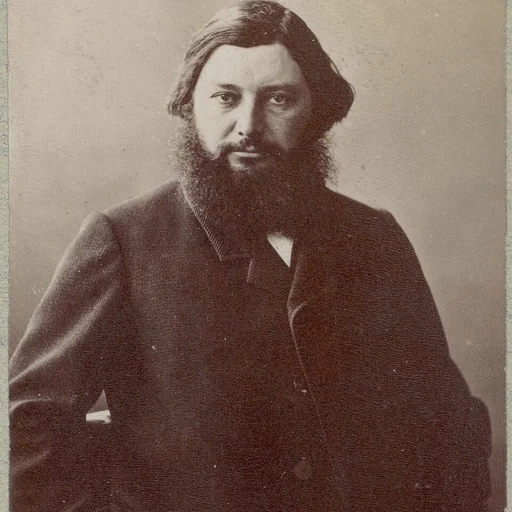
Artist
Jean Désiré Gustave Courbet (UK: KOOR-bay; US: koor-BAY; French: ; 10 June 1819 – 31 December 1877) was a French painter who led the Realism movement in 19th-century French painting.