Artwork
Rough sea
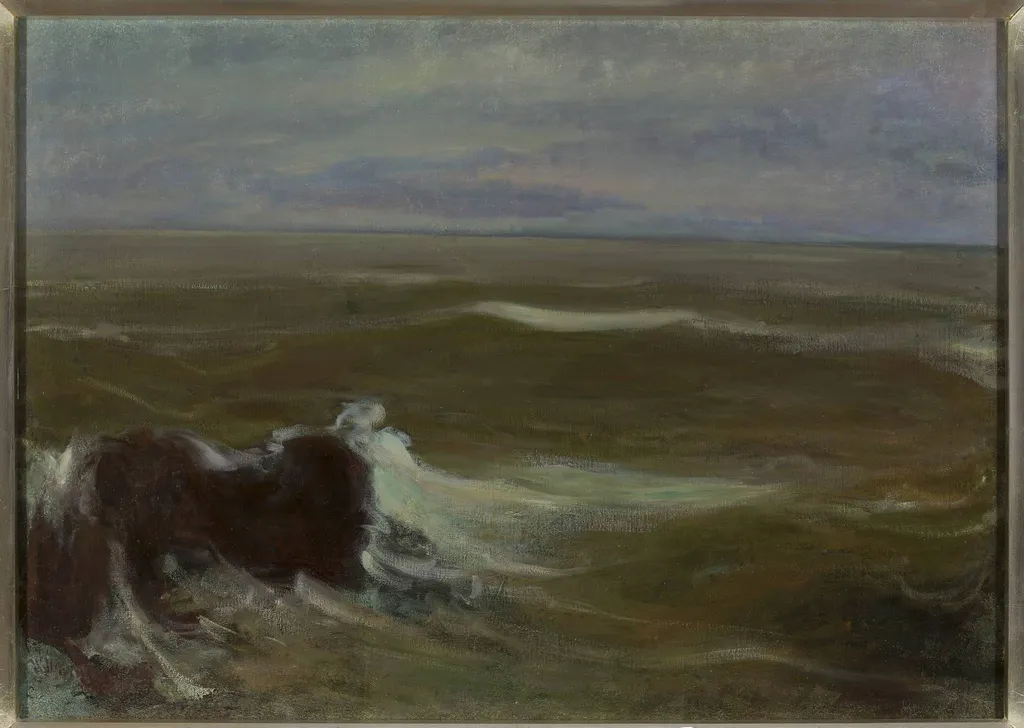
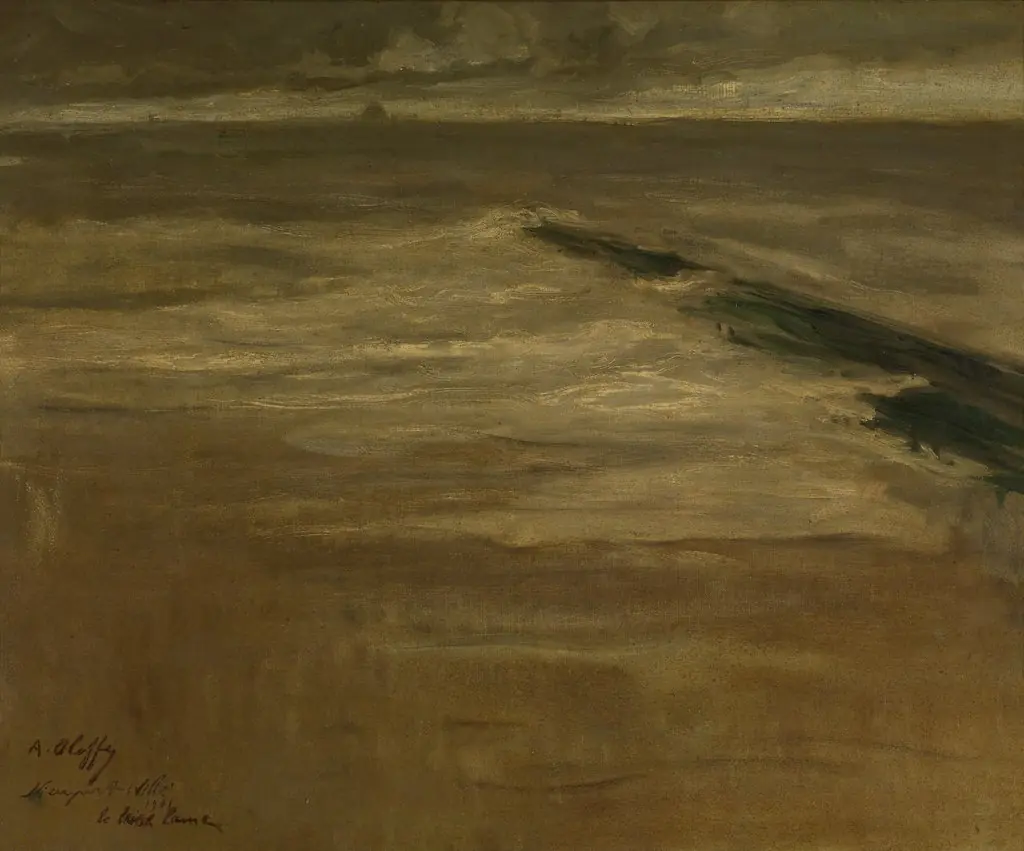
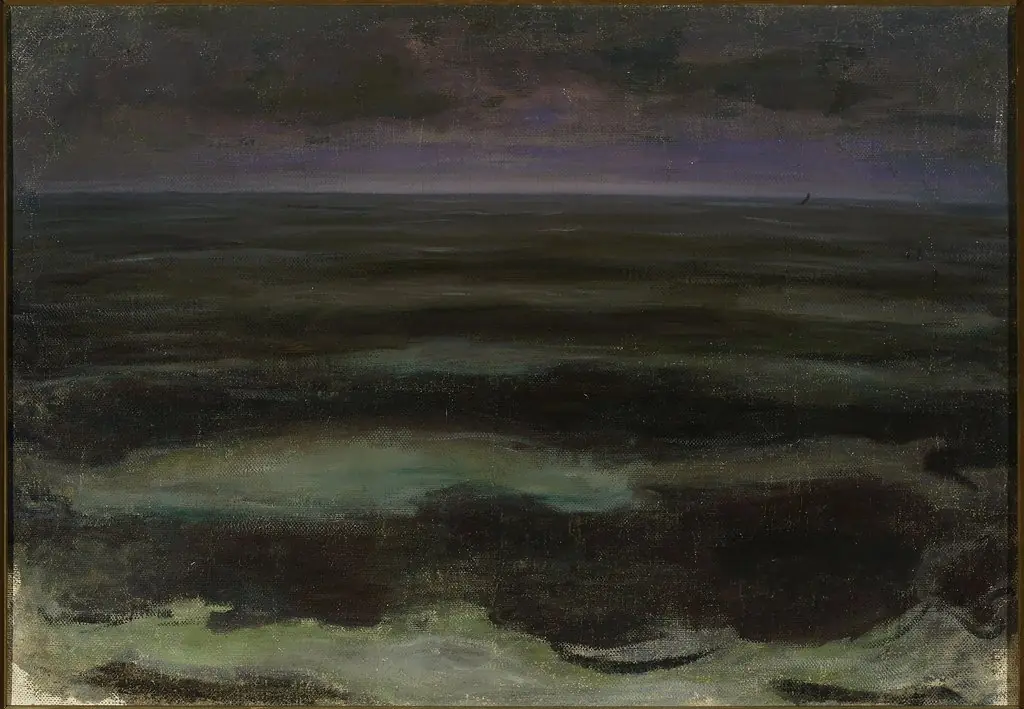
Rough sea is an oil painting by Władysław Ślewiński. It dates from 1898 and is held in the collection of the National Museum in Warsaw.
About this work
Overview
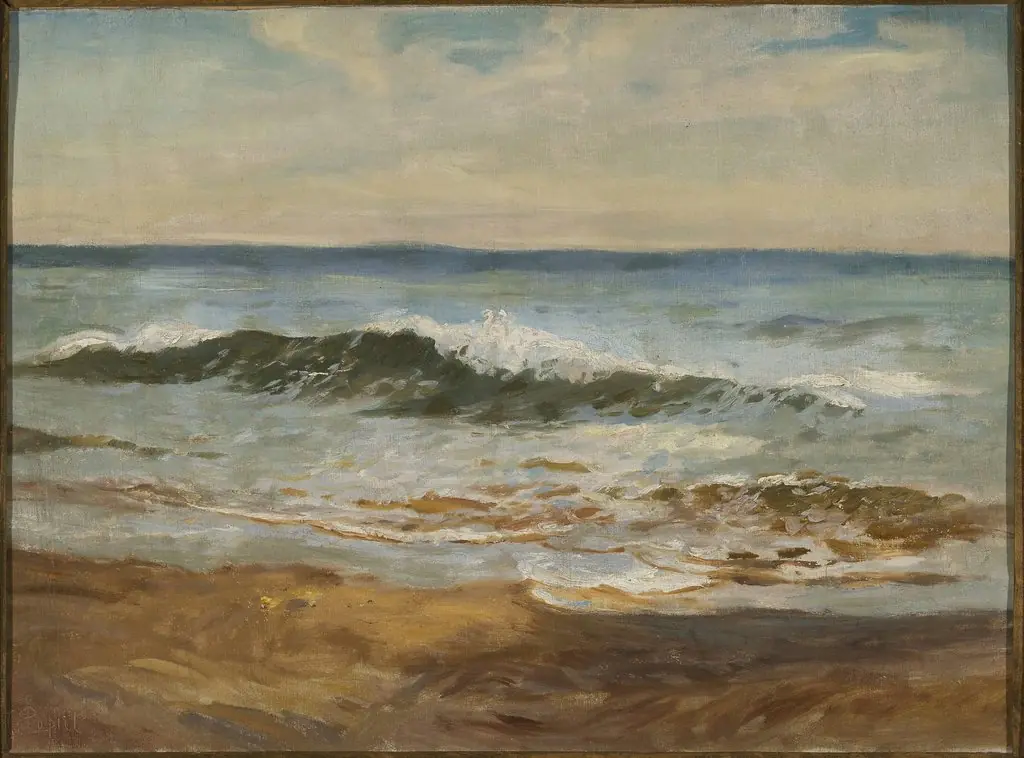
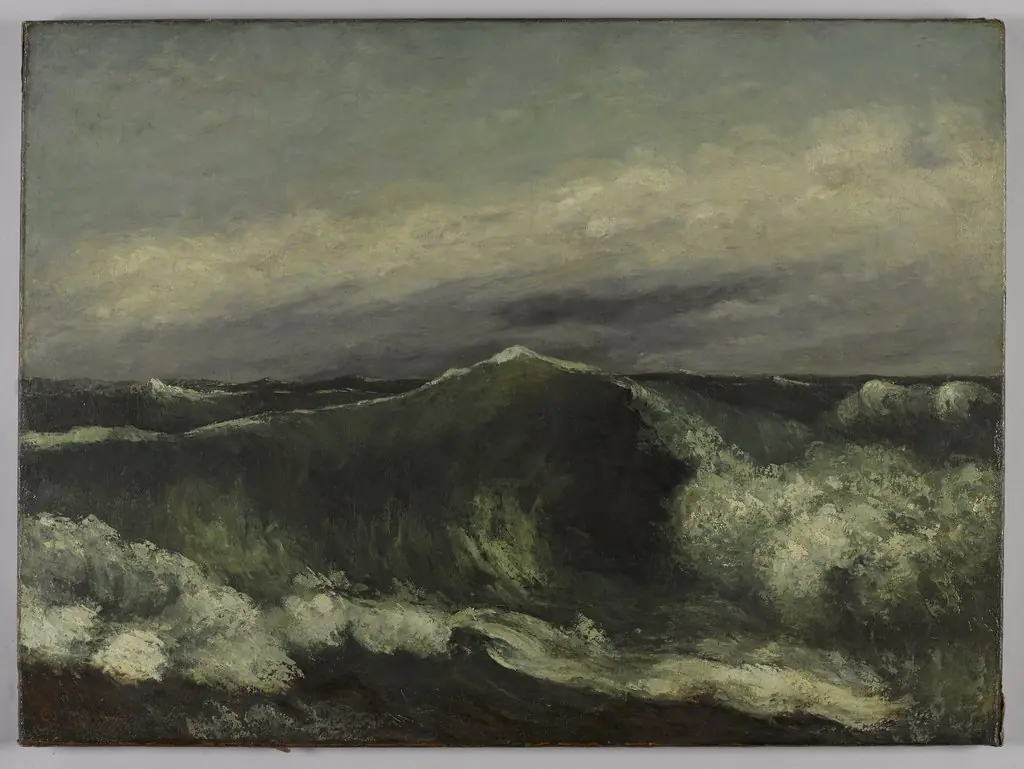
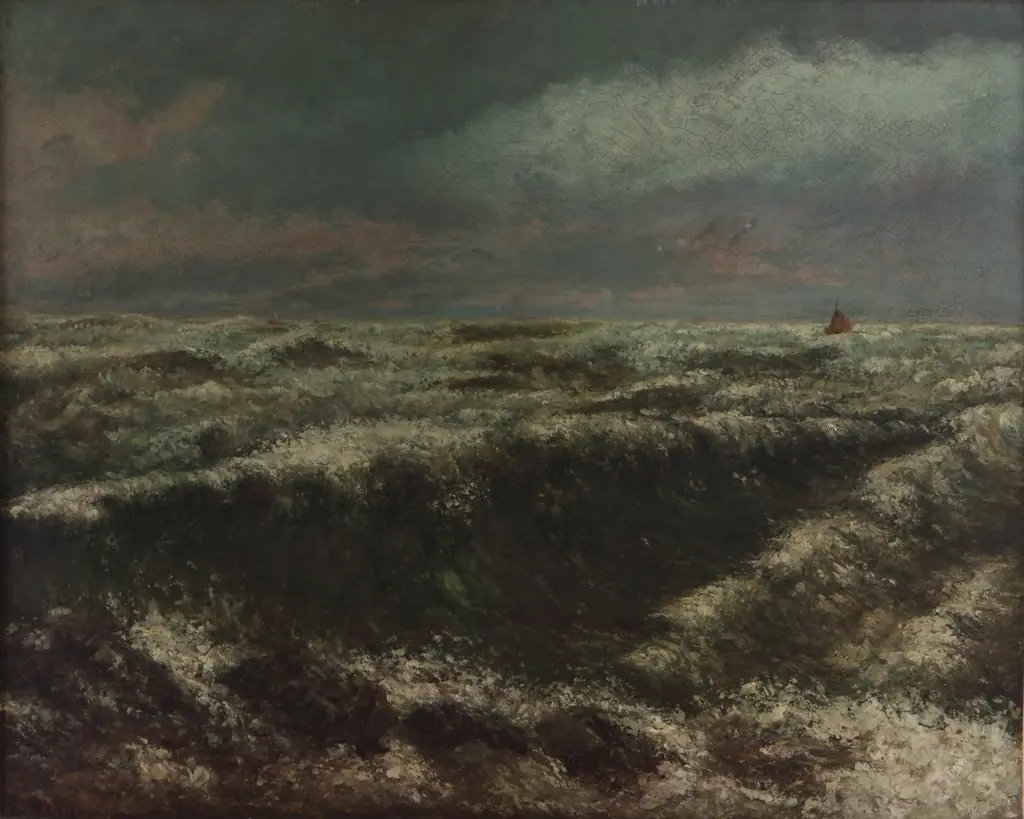
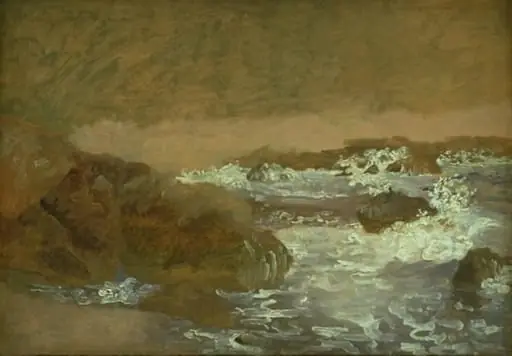
Created in 1898 by Polish painter Władysław Ślewiński, *Rough Sea* is an oil on canvas that captures a turbulent maritime scene. The work belongs to the collection of the National Museum in Warsaw and exemplifies the artist’s engagement with the expressive possibilities of the medium.
Subject & Meaning
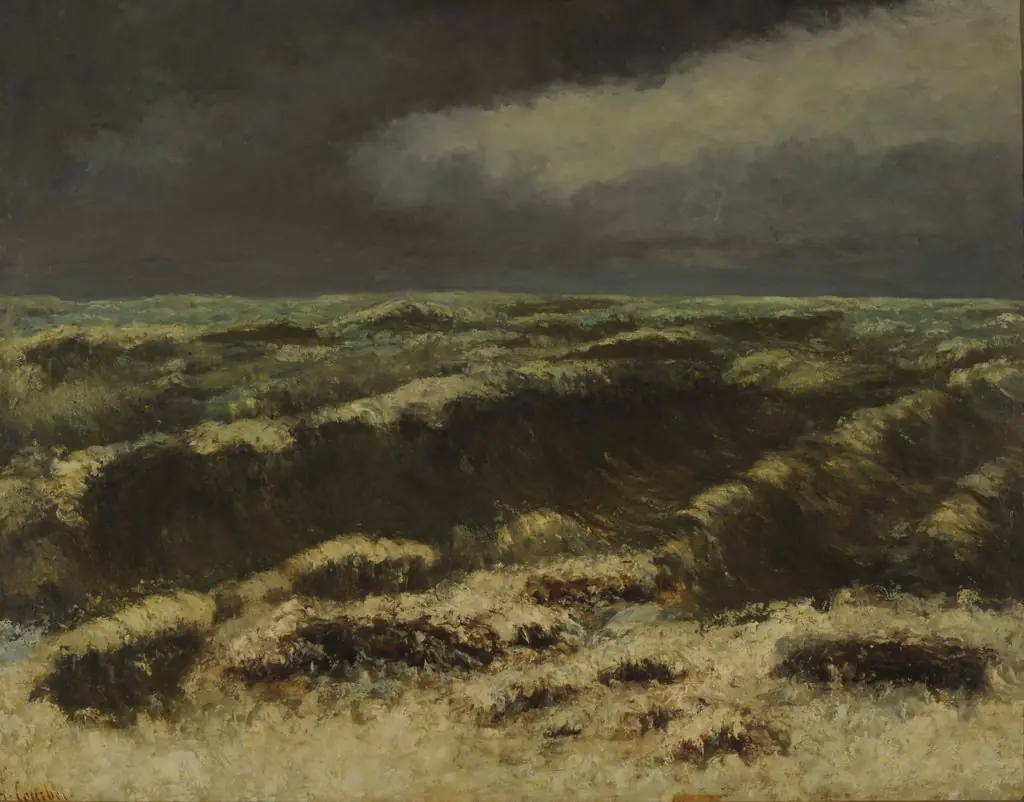
The canvas presents a storm‑tossed sea, its dark, rolling waves breaking against a shoreline under a bleak, cloud‑filled sky. The composition emphasizes the raw power of nature, using the contrast between the foaming crests and the muted horizon to convey a sense of unsettled atmosphere.
Technique & Style
Ślewiński employs thick, impasto brushwork that gives the surface a tactile quality, while a limited palette of grays and blues reinforces the somber mood. Strong chiaroscuro modeling creates depth, allowing the light on the wave crests to stand out against the shadowed water and sky.
History & Provenance
After its completion, the painting entered the holdings of the National Museum in Warsaw, where it remains on display. Its acquisition reflects the museum’s commitment to representing key figures of the Young Poland movement, of which Ślewiński was a prominent member.
Context
As a student of Paul Gauguin, Ślewiński absorbed post‑Impressionist ideas about color and form, yet he adapted them to Polish artistic currents of the late nineteenth century. *Rough Sea* illustrates how these influences merged with a national interest in depicting local landscapes and emotional intensity.
Artist & collection
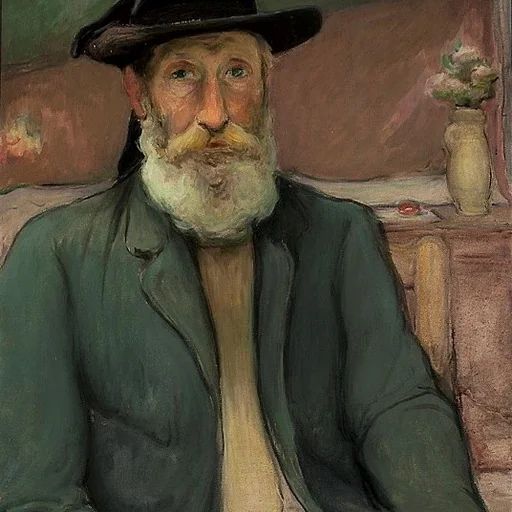
Artist
Władysław Ślewiński (1 June 1856 – 24 March 1918) was a Polish painter. He was one of Gauguin's students and a leading artist of the Young Poland movement.