Artwork
Carlotta
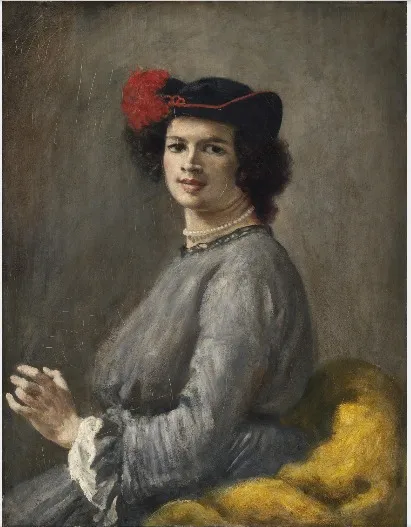
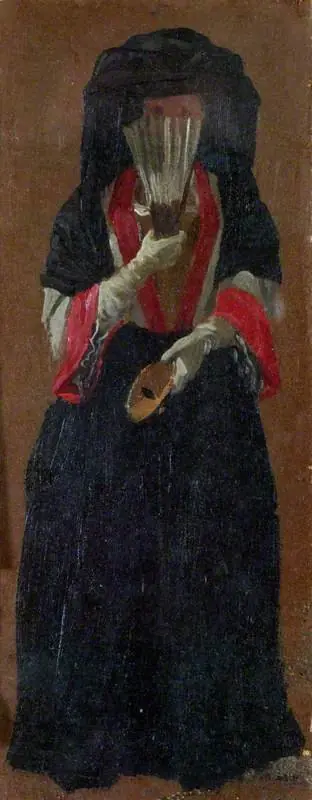
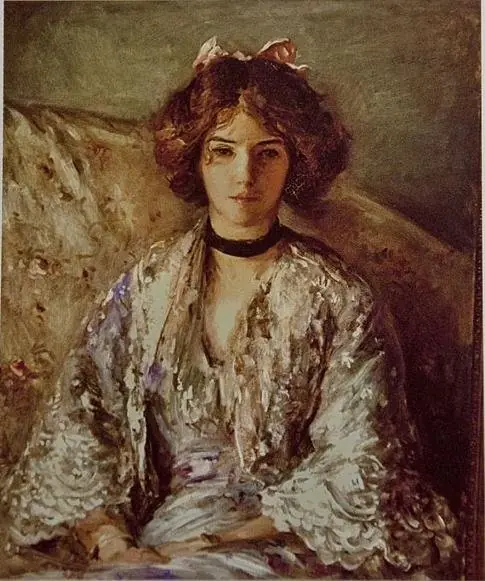
Carlotta is an oil painting by the Post-Impressionist artist Augustus John. It dates from 1904 and is held in the collection of the National Gallery of Ireland.
About this work
Overview
John, a Welsh artist known for his portraiture, was active in early 20th-century British art circles and often captured figures with psychological depth.
Augustus John painted Carlotta in 1904 using oil on canvas. The work is part of the National Gallery of Ireland’s collection and reflects the artist’s engagement with post-impressionist tendencies, emphasizing expressive brushwork and emotional tone over strict realism. John, a Welsh artist known for his portraiture, was active in early 20th-century British art circles and often captured figures with psychological depth.
Subject & Meaning
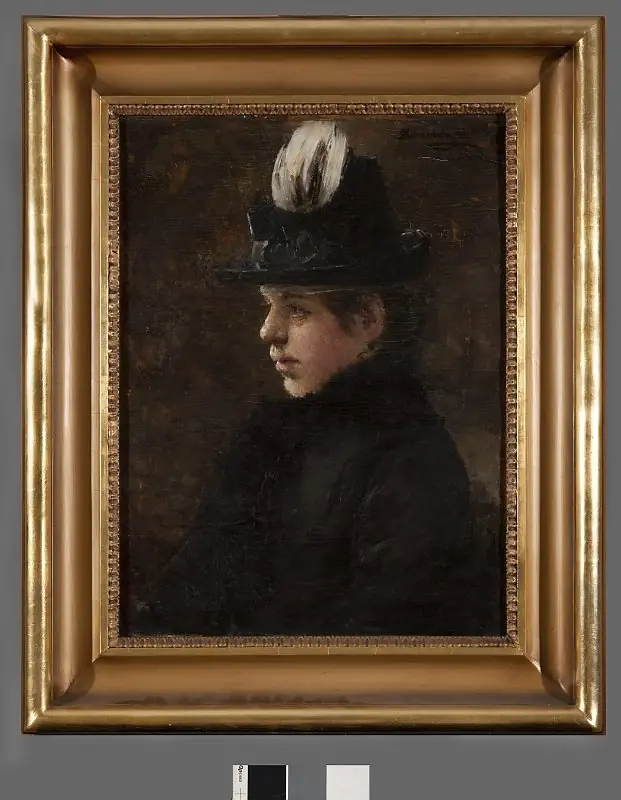
The subject is a woman named Carlotta, depicted seated with composed stillness. Her black hat, adorned with a single red feather, contrasts with her muted gray dress and pearl necklace, suggesting a blend of elegance and restraint. Her hands rest gently before her, reinforcing a sense of quiet introspection. The painting avoids narrative detail, focusing instead on presence and mood.
Technique & Style
John employed loose, textured brushstrokes and a restrained palette to convey atmosphere rather than precision. The yellow seat grounds the figure without defining its form, while the interplay of light and shadow softens contours. Color is used expressively—red and white accents draw the eye without disrupting the overall somber harmony. The composition is intimate, with the figure centered and close to the picture plane.
History & Provenance
Painted in 1904, Carlotta entered the National Gallery of Ireland’s collection through documented acquisition. While little is recorded about the sitter’s identity beyond her name, the work aligns with John’s broader practice of portraying friends, family, and acquaintances during his time in London and Paris. It has remained in institutional hands since its acquisition, with no known private ownership after that point.
Context
In the early 1900s, British portraiture was shifting away from Victorian formality toward more personal, modern expressions. John’s work, influenced by continental post-impressionism, stood apart for its psychological immediacy. His association with literary figures like Virginia Woolf and his relationship with his sister, painter Gwen John, placed him at the center of a network of artists redefining British visual culture.
Legacy
Carlotta exemplifies John’s contribution to early modern portraiture through its emotional subtlety and formal innovation. Though not widely exhibited, the painting remains a key example of his ability to convey inner life through gesture and tone. It continues to inform scholarly discussions on the evolution of British painting at the turn of the century, particularly in the intersection of realism and expression.
Artist & collection
Artist
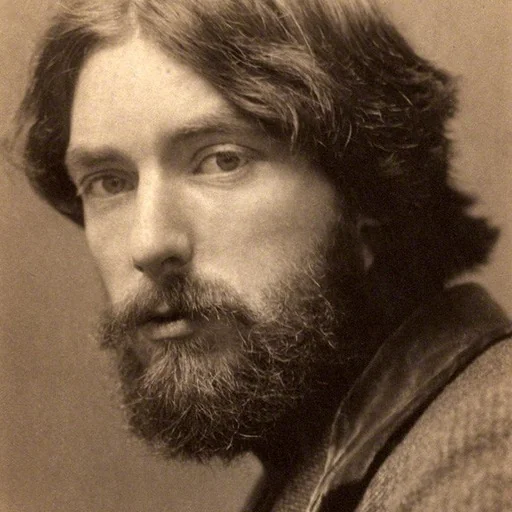
Augustus Edwin John (4 January 1878 – 31 October 1961) was a Welsh painter, draughtsman, and etcher.