Artwork
Portrait of Honorine Van Hove-Velle
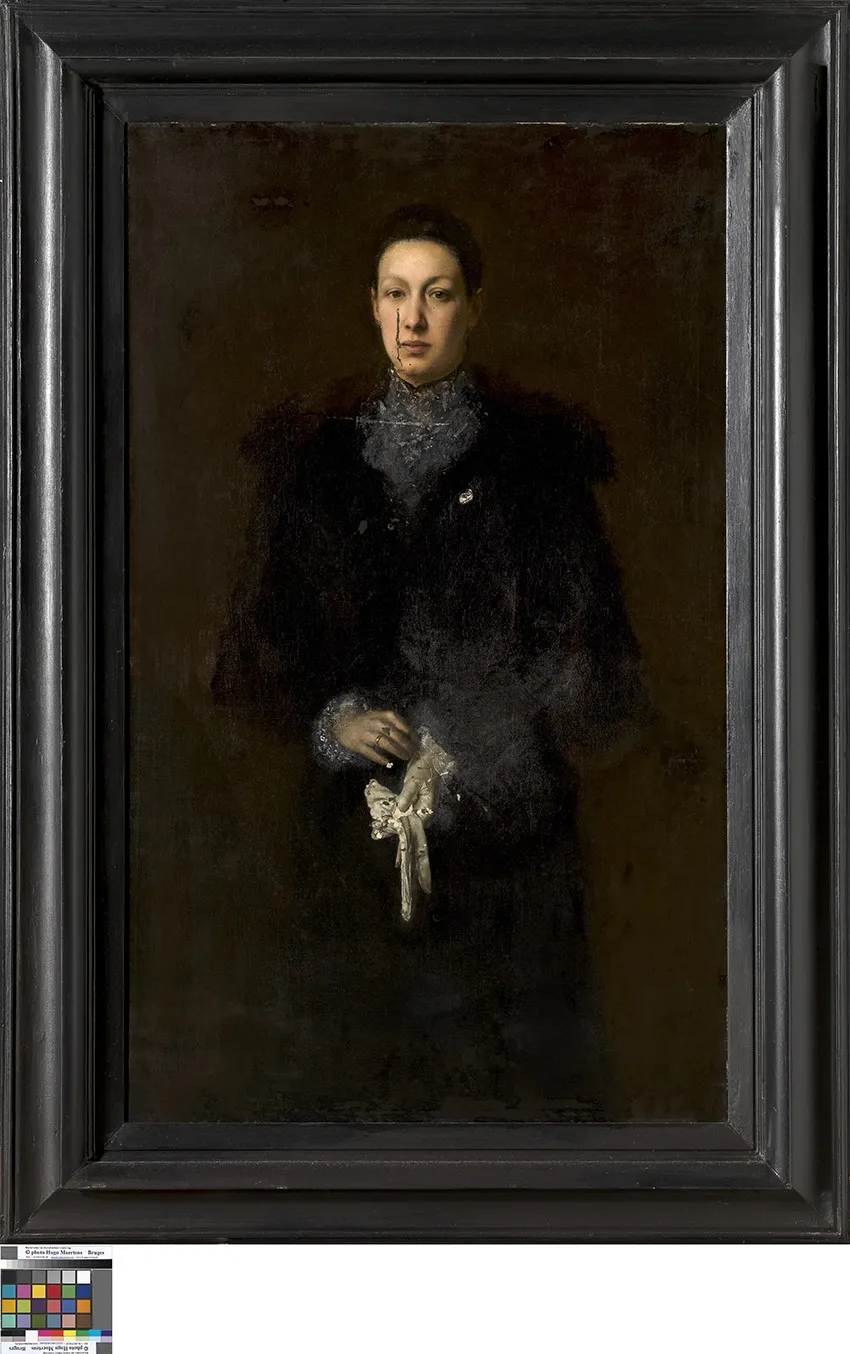
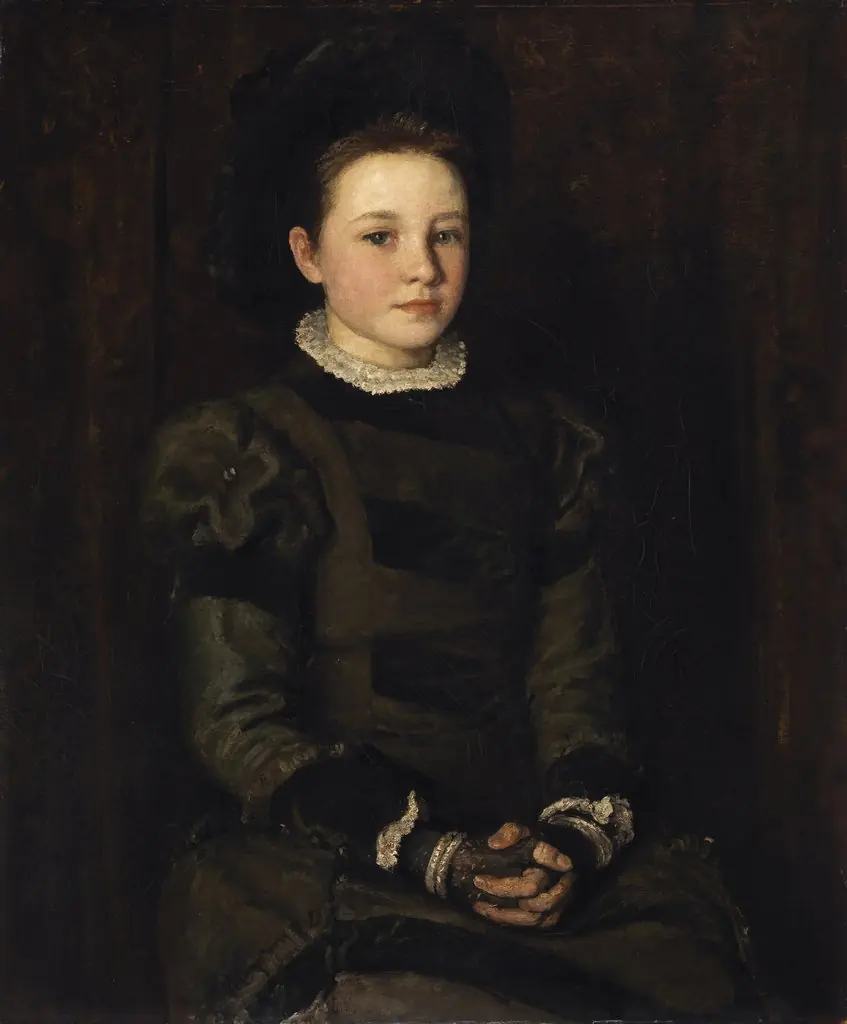
Portrait of Honorine Van Hove-Velle is an oil painting by the Impressionist artist Edmond Van Hove. It dates from 1890 and is held in the collection of the Groeningemuseum.
About this work
Overview
Painted in 1890 by Edmond Van Hove, this oil portrait captures Honorine Van Hove-Velle, the artist’s wife, in a restrained, introspective pose.
Painted in 1890 by Edmond Van Hove, this oil portrait captures Honorine Van Hove-Velle, the artist’s wife, in a restrained, introspective pose. The work is part of the Groeningemuseum’s collection in Bruges. Rendered with careful attention to texture and tone, the painting conveys a quiet dignity through its limited palette and controlled composition, reflecting the artist’s interest in psychological presence over theatricality.
Subject & Meaning
Honorine Van Hove-Velle is depicted standing rigidly, clad in a dark, high-collared coat with fur trim, her hands clasping a pair of white gloves. The gloves, neither worn nor discarded, suggest a moment of pause—perhaps after a social engagement. Her serious expression and tightly pulled-back hair convey reserve, while the small lapel pin hints at personal or familial significance. The image avoids sentimentality, emphasizing composure over emotion.
Technique & Style
Van Hove employs oil paint with a muted, near-monochromatic palette dominated by deep browns and blacks, accented only by the pale gloves and a faint highlight on the fur. The background recedes into shadow, isolating the figure and enhancing the sense of intimacy. Brushwork is precise yet unobtrusive, favoring smooth transitions and subtle gradations of light—characteristic of a realist approach influenced by chiaroscuro to model form without dramatic contrast.
History & Provenance
The portrait remained within the Van Hove family after its completion and entered the Groeningemuseum’s collection in the 20th century. Its provenance is well-documented, with no evidence of significant alterations or reattributions. The painting’s preservation reflects its status as a personal family record that later gained recognition as an example of late 19th-century Belgian portraiture.
Context
Created during a period when Belgian artists were increasingly turning to intimate, psychologically nuanced portraiture, this work aligns with trends that moved away from grand historical narratives. Van Hove’s focus on domestic subjects and quiet demeanor reflects broader cultural shifts toward individualism and the exploration of inner life, particularly among the urban middle class in Flanders.
Legacy
Though not widely exhibited beyond regional collections, the portrait remains a key example of Edmond Van Hove’s mature style. It illustrates his ability to convey emotional restraint through subtle detail and tonal harmony. Art historians cite it as representative of a quiet, introspective strand in Belgian realism, distinct from the more flamboyant tendencies of his contemporaries.
Artist & collection

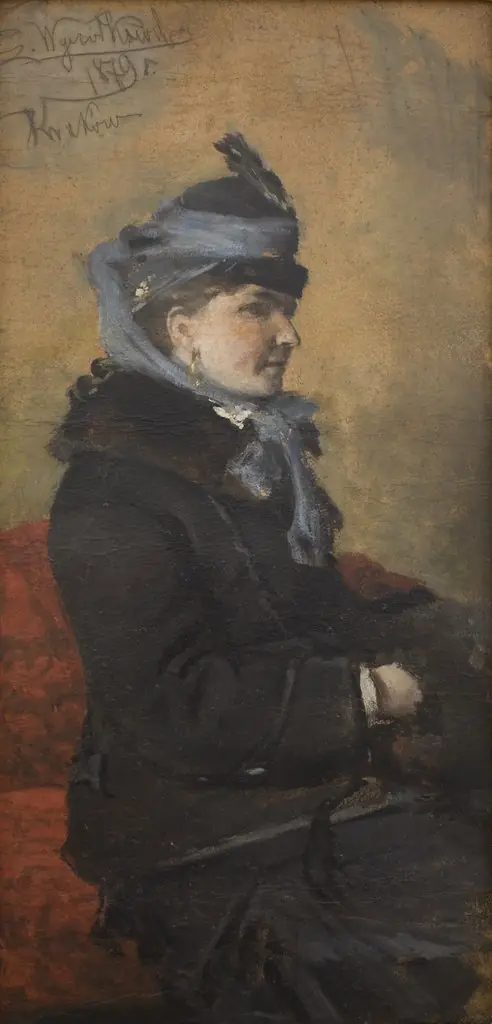 Portrait of a Woman
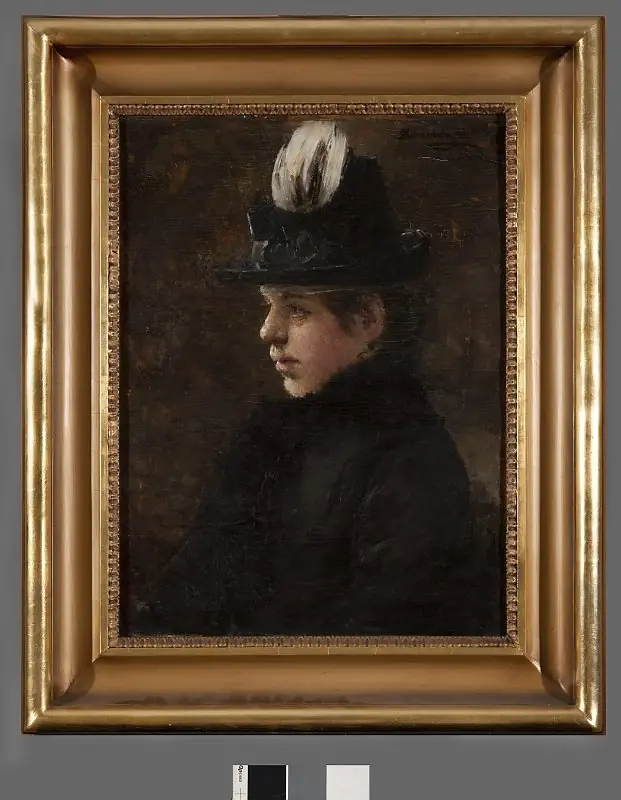 Study of a girl in a hat with a little feather
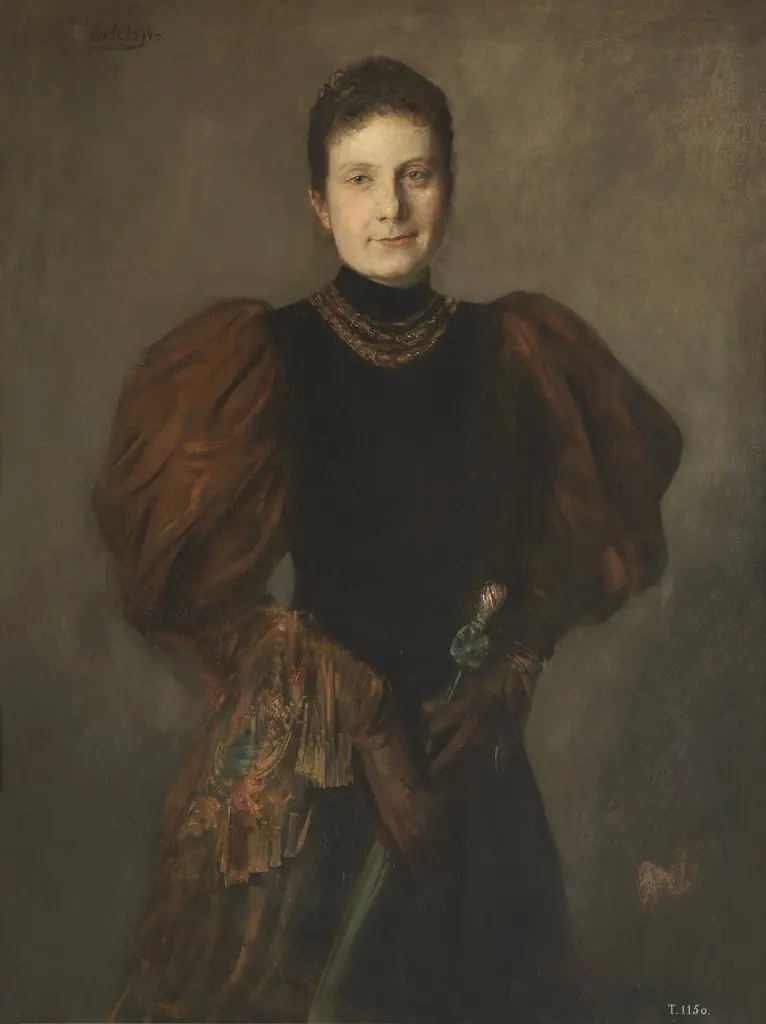 Infanta María de la Paz de Borbón, daughter of Isabella II
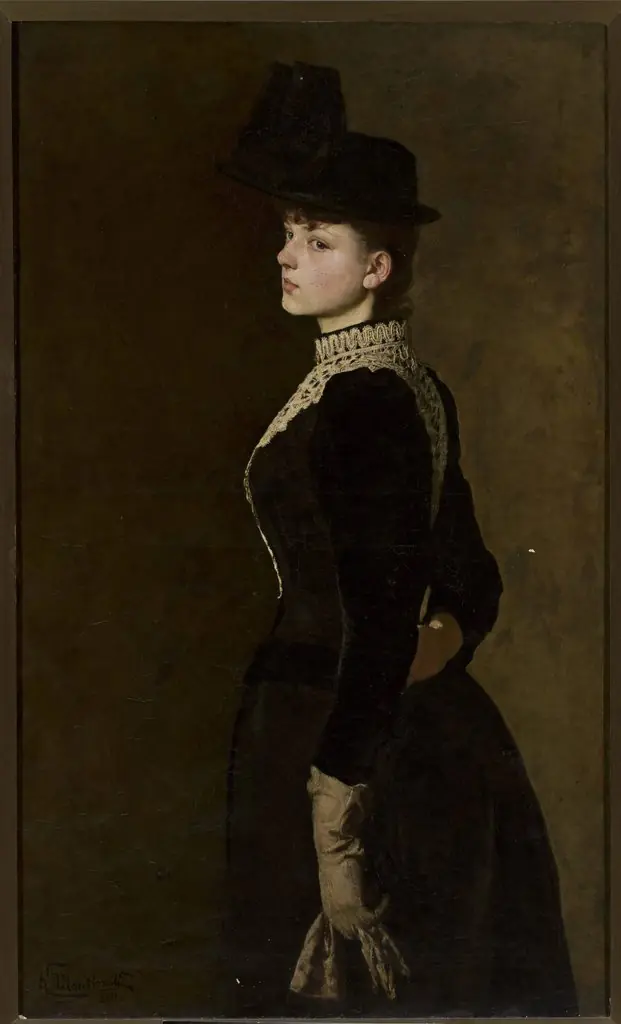 Portrait of artist’s sister
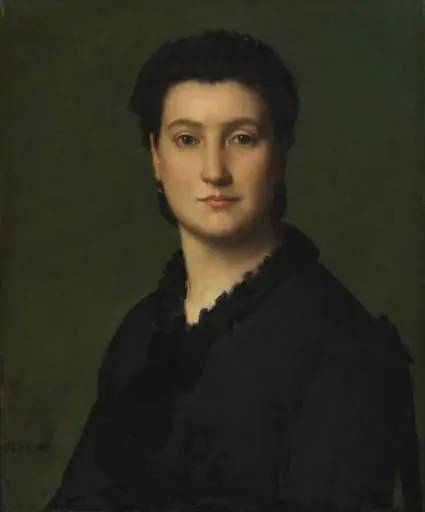 Portrait of a Woman
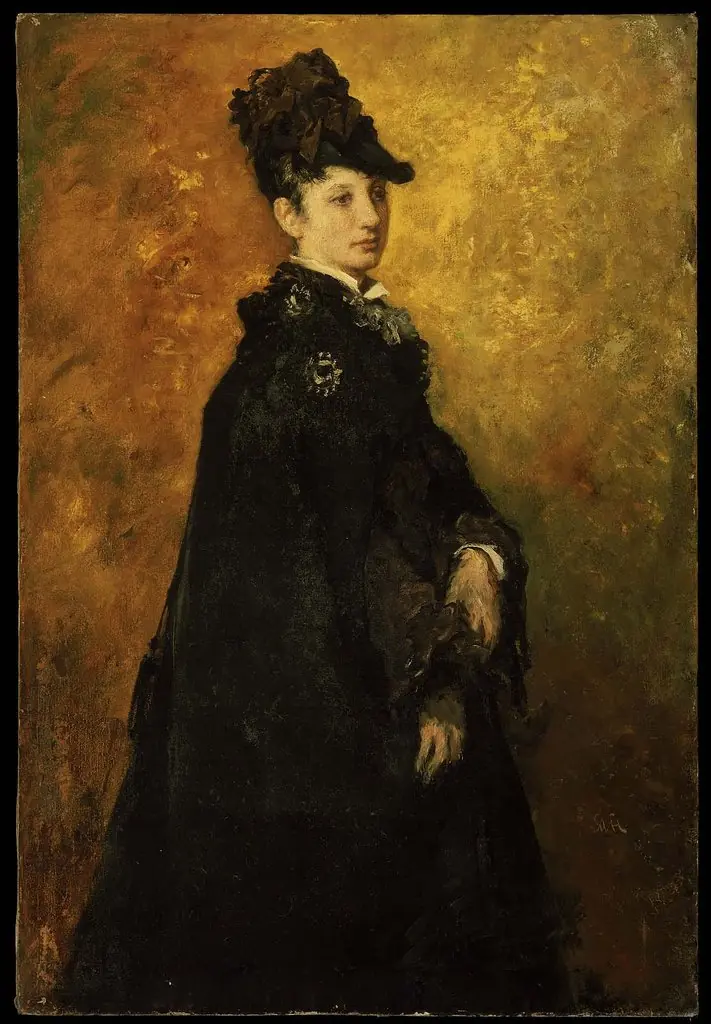 Portrait of a Lady
 Portret de fată în roz
 Girl in Red
 Portrait of a Boy
 Maria Agnes Claesson (1843- efter 1903), gift med konstnären Edvard Perséus
 Portrait of Hester Dowden as a Child
 Portrait of a young girl