Artwork
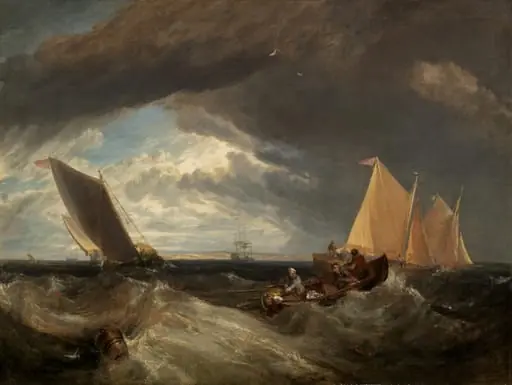
The Junction of the Thames and the Medway
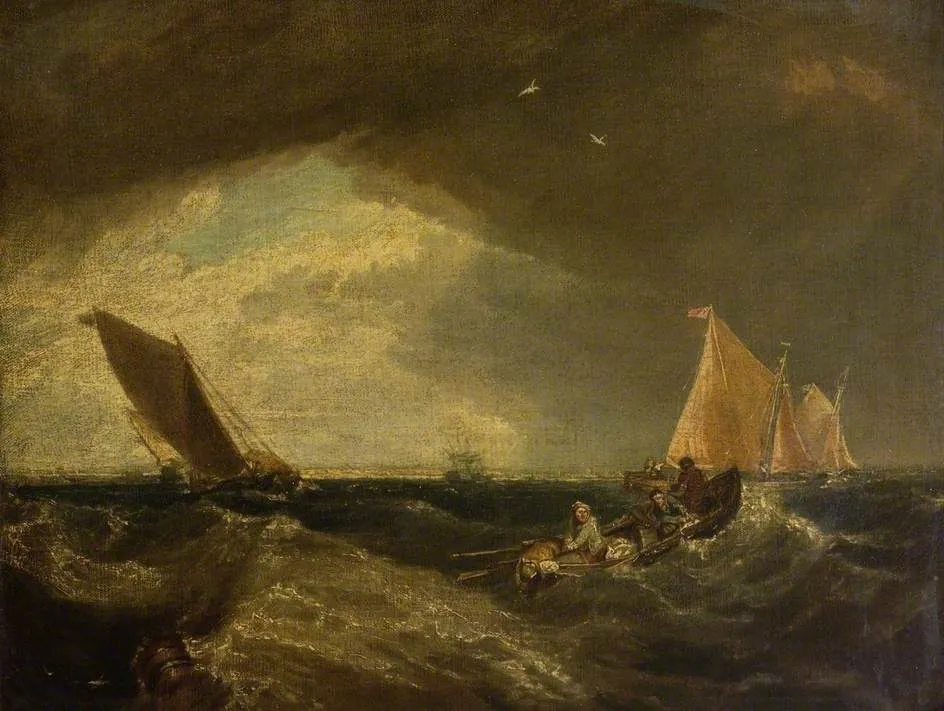
The Junction of the Thames and the Medway is an oil painting by Augustus Wall Callcott. It dates from 1821 and is held in the collection of the Ashmolean Museum.
About this work
Overview
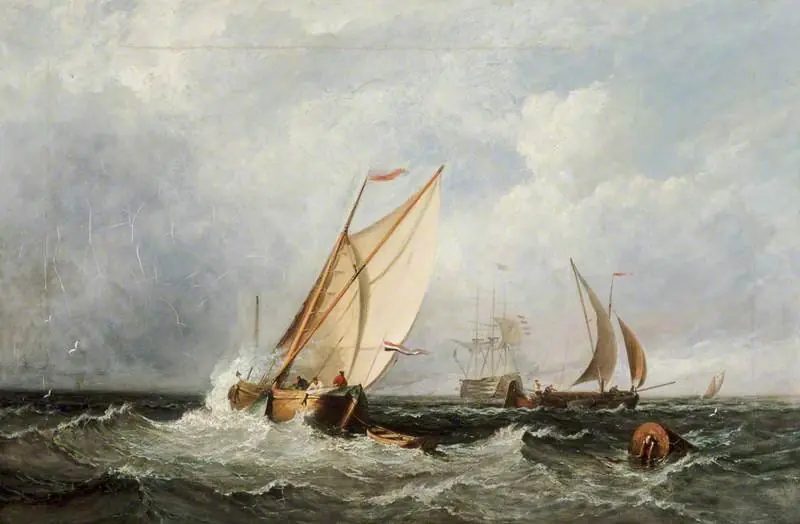
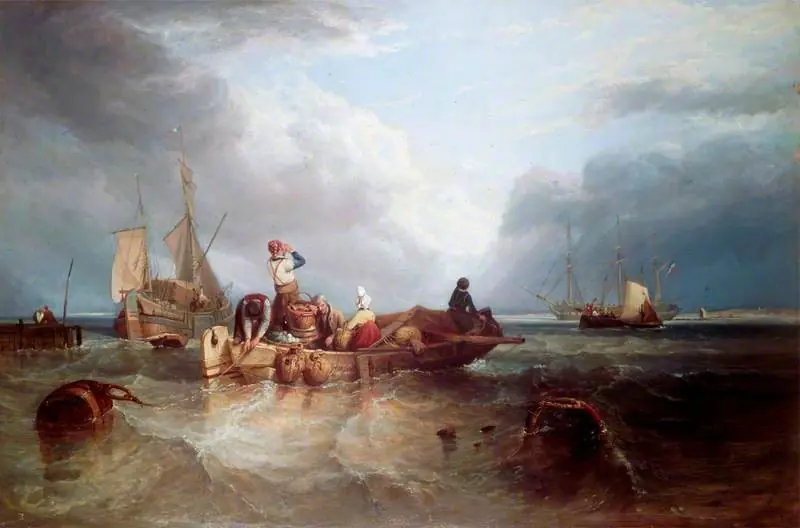
Augustus Wall Callcott’s oil painting, dated around 1821, depicts the confluence of the Thames and the Medway rivers. The work is part of the Ashmolean Museum’s collection. In the composition, a small boat carrying several figures occupies the foreground, while a second vessel drifts farther away, both set against a cloudy sky punctuated by distant birds.
Subject & Meaning
The scene captures a tranquil moment at the meeting point of two major English waterways, emphasizing the natural harmony of water and sky. The placement of the boats suggests everyday river traffic, while the expansive sky and subtle bird movement convey a quiet, contemplative atmosphere that invites viewers to consider the relationship between human activity and the landscape.
Technique & Style
Callcott employs a nuanced palette of muted blues and grays, using light and shadow to model the water’s surface and create depth. The careful rendering of the figures and vessels demonstrates his attention to detail, while the soft, atmospheric treatment of clouds and distant horizon reflects the early‑19th‑century British landscape tradition.
History & Provenance
Created circa 1821, the painting entered the Ashmolean Museum’s holdings at an unspecified date, where it remains on display. Its attribution to Callcott aligns with his known output of river and coastal scenes, confirming its place within his broader oeuvre of early Romantic British landscape painting.
Artist & collection

 Falstaff and Simple (from 'The Merry Wives of Windsor' by William Shakespeare)
 Landscape: A Wood and Cattle under a Stormy Sky
 Coast Scene with a Shrimper
 Sheerness and the Isle of Sheppey (after J.M.W. Turner)
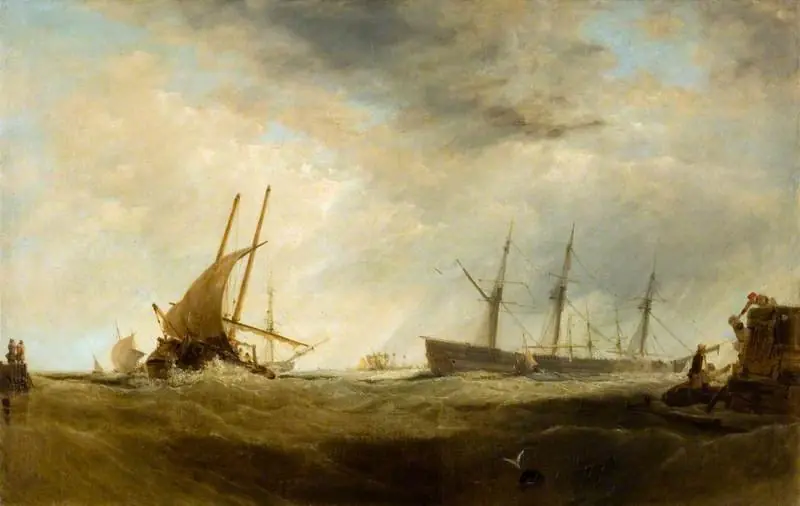 A Brisk Gale: A Dutch East-Indiaman Landing Passengers
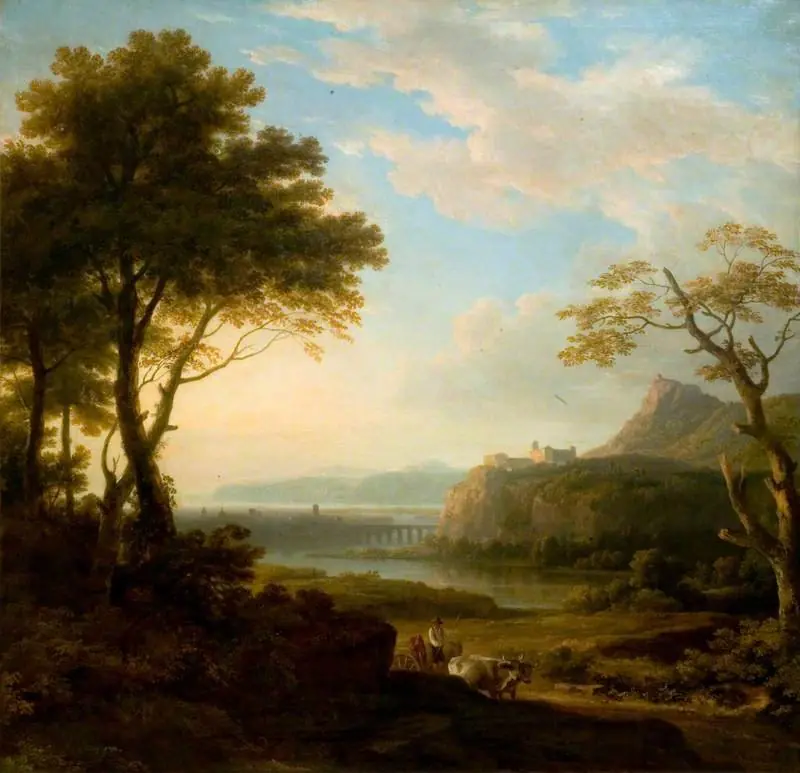 Classical Landscape
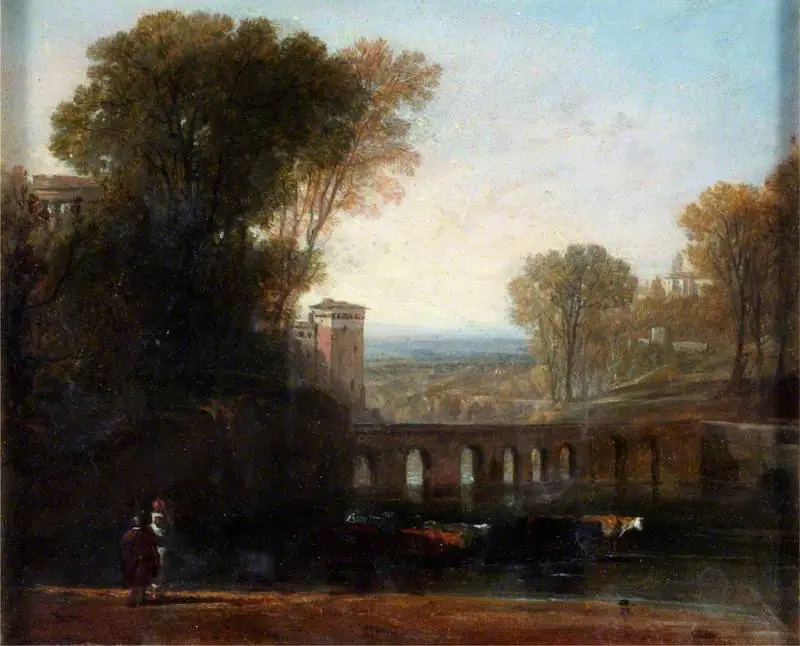 Italian Landscape with Cows Watering
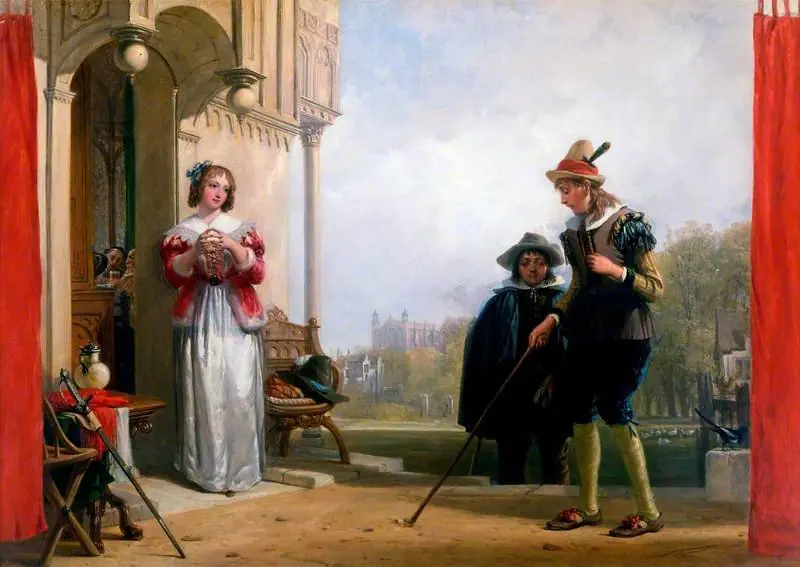 Slender and Anne Page (from 'The Merry Wives of Windsor' by William Shakespeare)