Artwork
Untitled
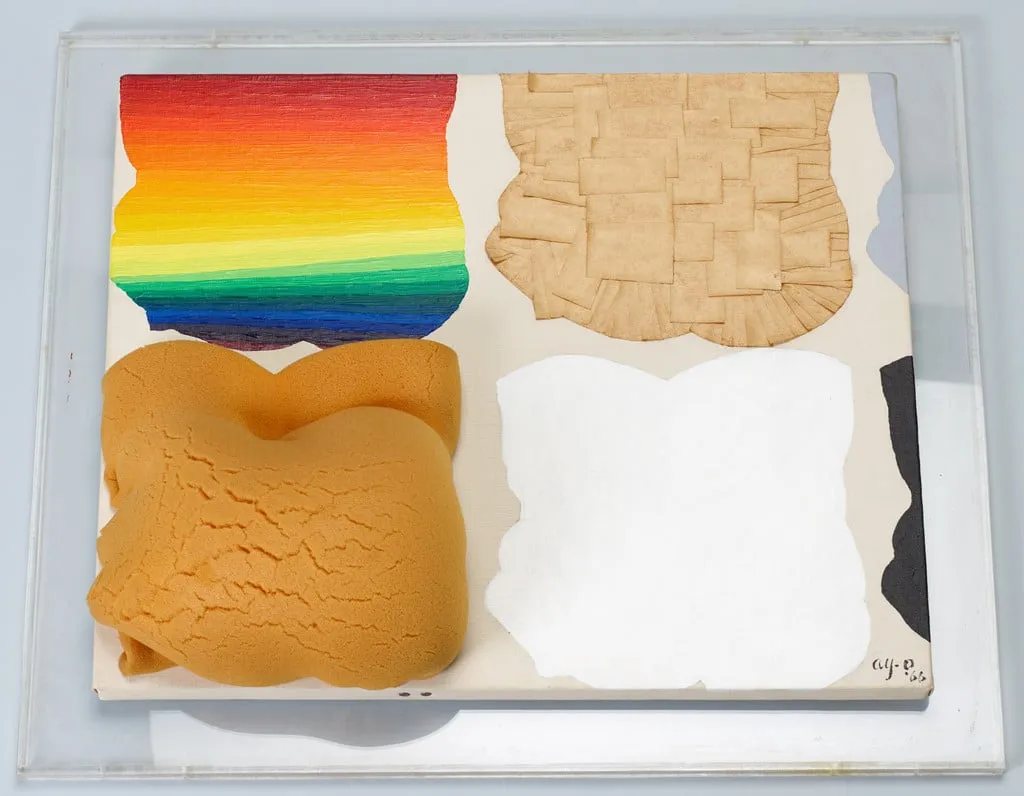
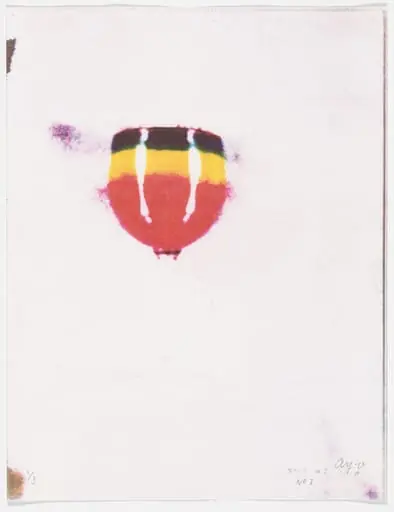
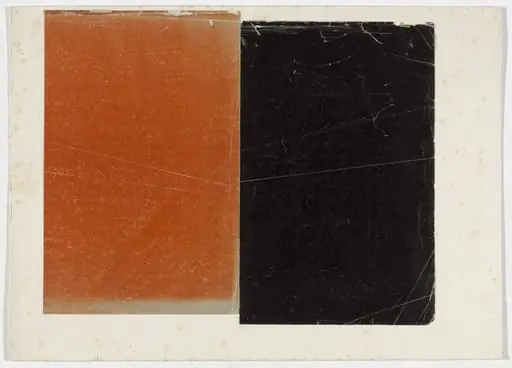
Untitled is an oil painting by Ay-O. It dates from 1966 and is held in the collection of the Museum of Modern Art.
About this work
Overview
Its physical composition invites close attention to materiality rather than representational content.
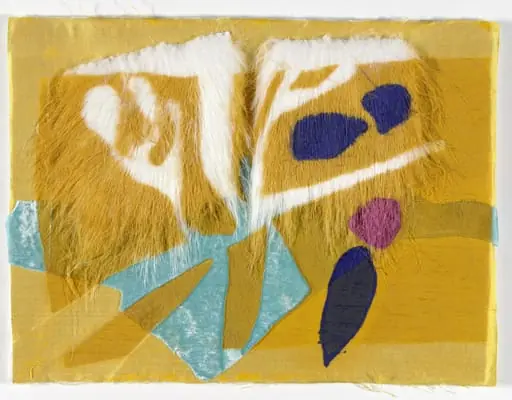
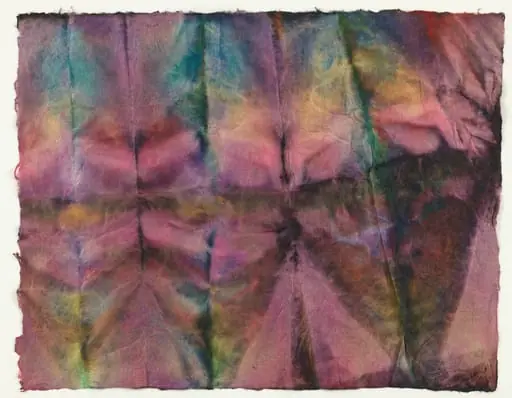
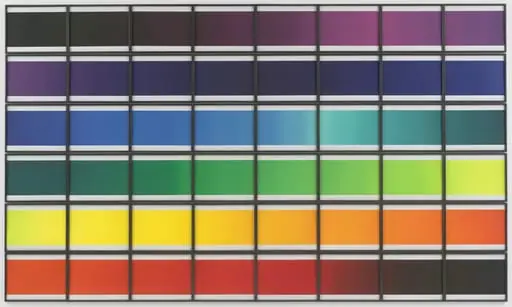
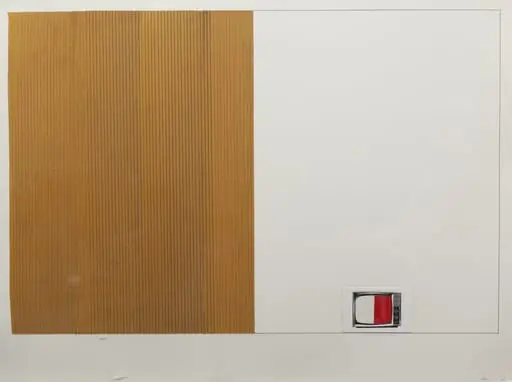
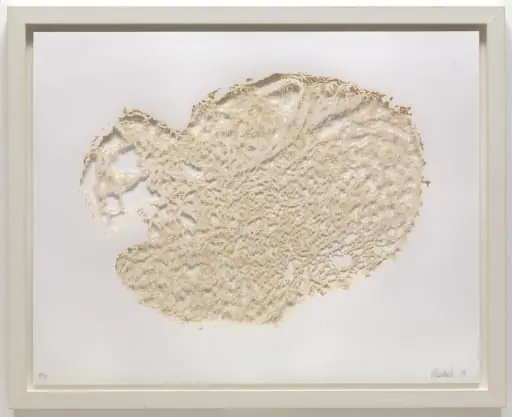
Created in 1966 by Japanese artist Ay-O, born Takao Iijima, this oil, sponge, and paper on canvas work exemplifies his engagement with Fluxus, an international avant-garde network active in the 1960s. The piece resists conventional painting norms by incorporating non-traditional materials, reflecting a broader interest in blurring boundaries between art and everyday life. Its physical composition invites close attention to materiality rather than representational content.
Subject & Meaning
The work carries no explicit narrative or figural subject. Instead, its meaning emerges from the interaction of materials and the act of their assembly. By integrating sponge and paper—common, disposable items—into the painted surface, Ay-O challenges hierarchies of artistic media. The absence of recognizable imagery shifts focus to process, texture, and the physical presence of the object as artifact.
Technique & Style
Ay-O applied oil paint in thick, irregular layers alongside fragments of paper and textured sponge, creating a tactile surface that contrasts smooth and rough zones. The sponge imparts a stippled, porous quality, while the paper introduces irregular edges and absorbent areas that alter paint behavior. This hybrid technique rejects polished finish in favor of material honesty and sensory variation, aligning with Fluxus’s embrace of imperfection.
History & Provenance
Produced during Ay-O’s active years in the Fluxus circle, the work likely originated in New York or Tokyo, where he participated in experimental exhibitions and events. While specific ownership history is not widely documented, its inclusion in institutional collections reflects its recognition as a representative example of 1960s material experimentation. It remains part of ongoing scholarly interest in postwar Japanese avant-garde practices.
Context
In the mid-1960s, Fluxus artists across Europe and North America rejected commercial art systems in favor of ephemeral, participatory, and materially unconventional works. Ay-O’s use of sponge and paper aligns with contemporaneous efforts by artists like Robert Rauschenberg and George Maciunas to democratize art-making. His work responds to a global climate of artistic rebellion, where process and material choice carried political and philosophical weight.
Legacy
This piece contributes to Ay-O’s enduring reputation as a pioneer of material innovation in postwar Japanese art. Its influence extends to later generations of artists who prioritize tactile experience and non-traditional media. While not widely exhibited, it remains a touchstone in studies of Fluxus’s material ethos and the expansion of painting beyond the brushstroke.
Artist & collection
Artist
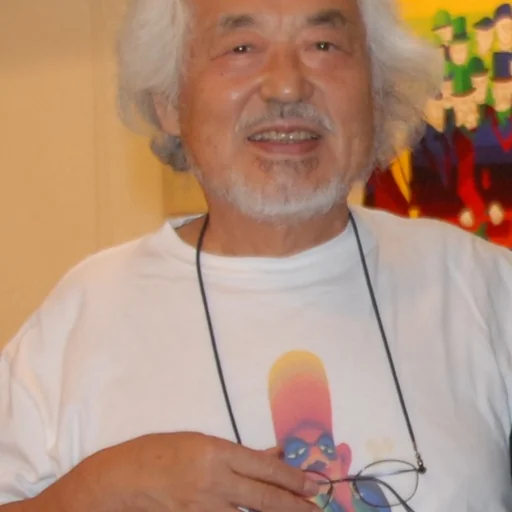
Takao Iijima (born 19 May 1931), better known by his art name Ay-O (靉嘔 Ai Ō), is a Japanese avant-garde visual and performance artist who has been associated with Fluxus since its international beginnings in the 1960s.