Artwork
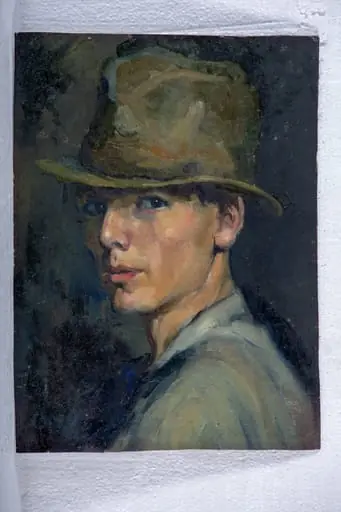
Cap de bărbat
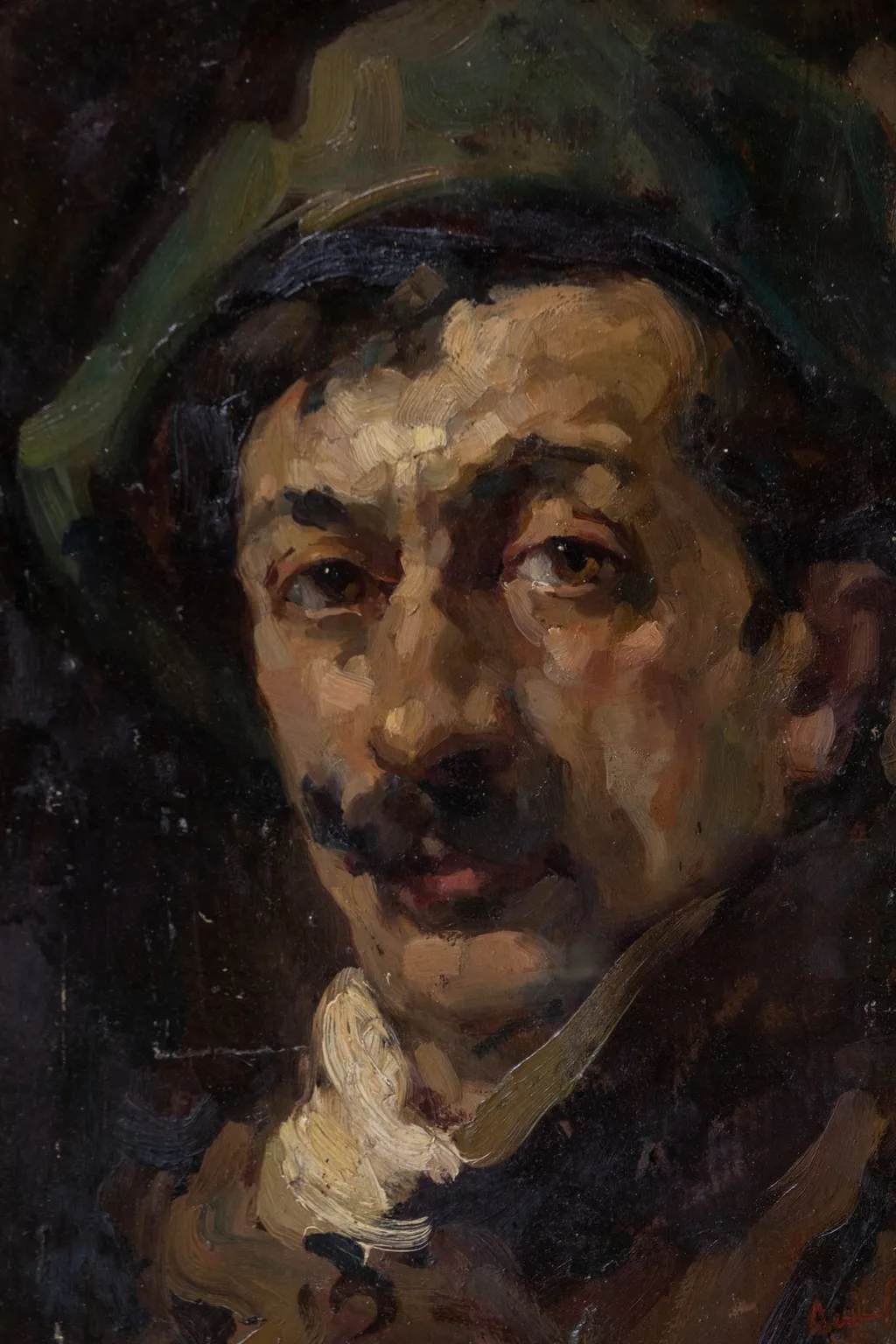
Cap de bărbat is a print by Aurel Băeșu. It dates from 1850 and is held in the collection of the Moldova National Museum Complex.
About this work
Overview
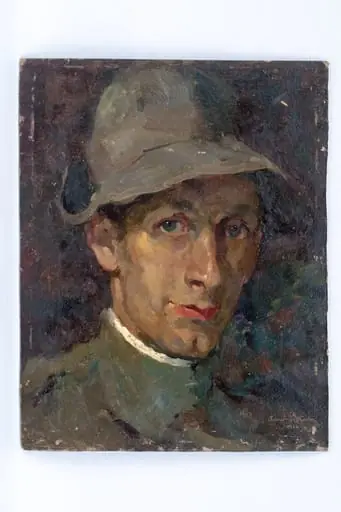
Painted circa 1850, *Cap de bărbat* is a portrait by Romanian artist Aurel Băeșu, capturing a man’s face with directness and tactile intensity.
Painted circa 1850, *Cap de bărbat* is a portrait by Romanian artist Aurel Băeșu, capturing a man’s face with directness and tactile intensity. Though Băeșu is better known for landscapes, this work reveals his engagement with intimate figure studies, aligned with emerging trends in Romanian portraiture influenced by Nicolae Grigorescu. The painting’s emphasis on texture and light suggests a move beyond academic formalism toward a more immediate, observational style.
Subject & Meaning
The subject is a middle-aged man with a rugged beard and dark headwear, his gaze steady and unsmiling. There is no indication of identity or status, and the absence of context invites focus on character rather than narrative. The seriousness of his expression, combined with the unpolished rendering, conveys a sense of quiet dignity, as if the sitter is observed in a moment of stillness rather than posed for formal representation.
Technique & Style
Thick, deliberate brushstrokes define the man’s features, creating a sculpted effect through layered pigment rather than smooth blending. The dark beret and shadowed areas contrast sharply with the pale collar, drawing attention to the face. Backgrounds are deliberately blurred, eliminating distraction. The handling of light and shadow echoes chiaroscuro traditions, but with a looser, more tactile approach that prioritizes sensory presence over idealized form.
History & Provenance
The painting’s early provenance is undocumented, and it remains among the lesser-known works of Băeșu, who produced relatively few portraits compared to his landscape output. It likely originated in Romania during the mid-19th century, a period when local artists were beginning to distance themselves from foreign academic models. Its survival suggests private collection or institutional retention, though no public exhibition history is widely recorded.
Context
In mid-19th century Romania, portraiture was evolving alongside national cultural awakening. Artists like Grigorescu championed direct observation and naturalism, moving away from studio conventions. Băeșu’s portrait reflects this shift, embracing informal composition and visible brushwork as tools for authenticity. The work aligns with broader European trends toward realism but retains a distinctly regional sensibility in its restrained emotional tone and subject matter.
Legacy
*Cap de bărbat* stands as a quiet example of Romanian artistic transition, illustrating how local painters absorbed and adapted broader European techniques without adopting their grandiosity. While not widely reproduced or studied, it contributes to understanding the development of modern Romanian portraiture—where psychological presence, not social status, became the focus of the painted image.
Own this work as a print
Artist & collection
Artist
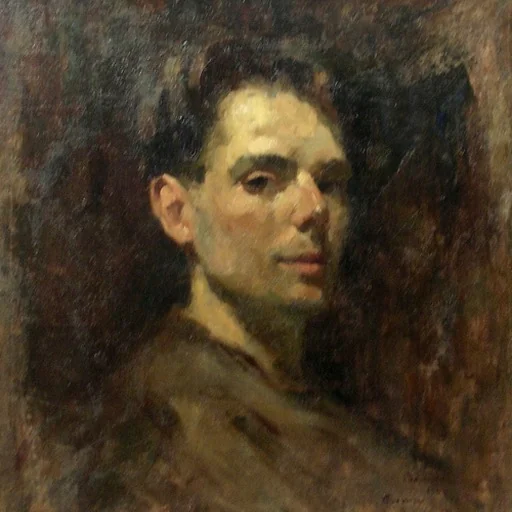
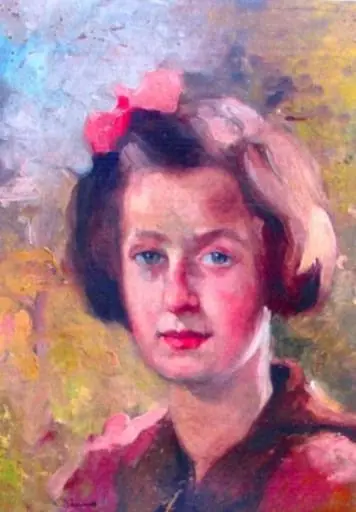
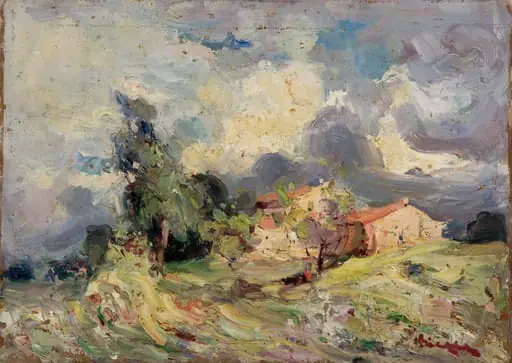
Aurel Băeșu (26 May 1896 – 24 August 1928) was a Romanian Impressionist landscape and portrait painter. Many of his works show the influence of Nicolae Grigorescu; an influence that was common among painters of his generation.
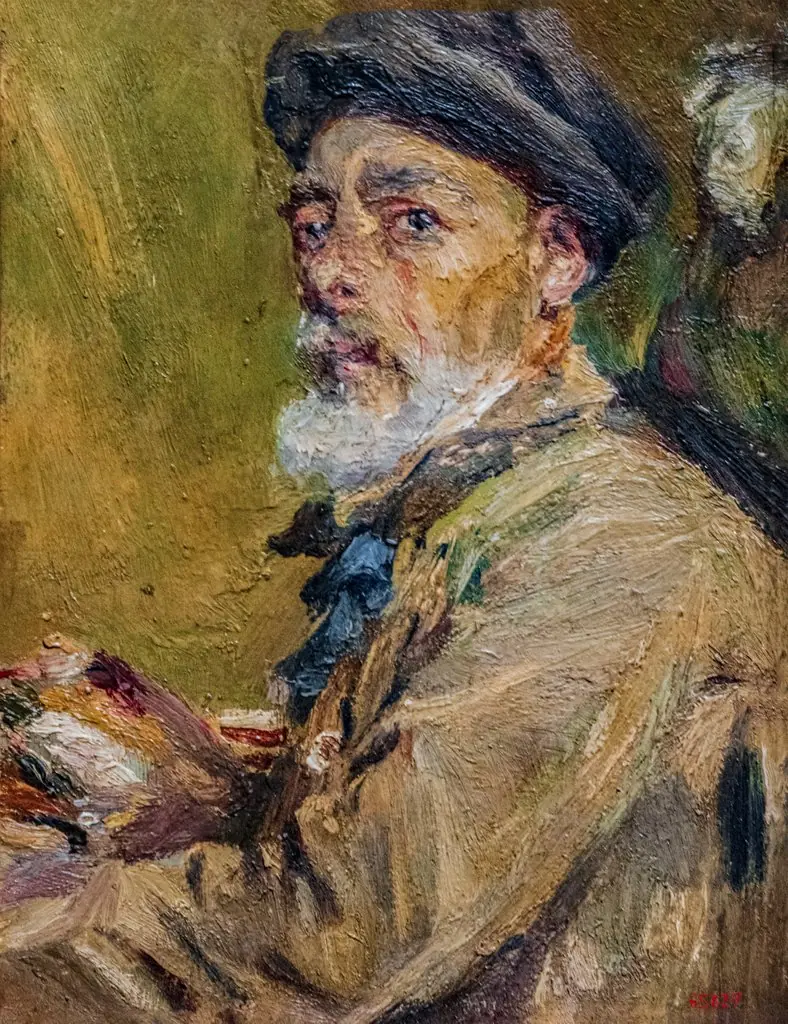 Self-portrait with Cap
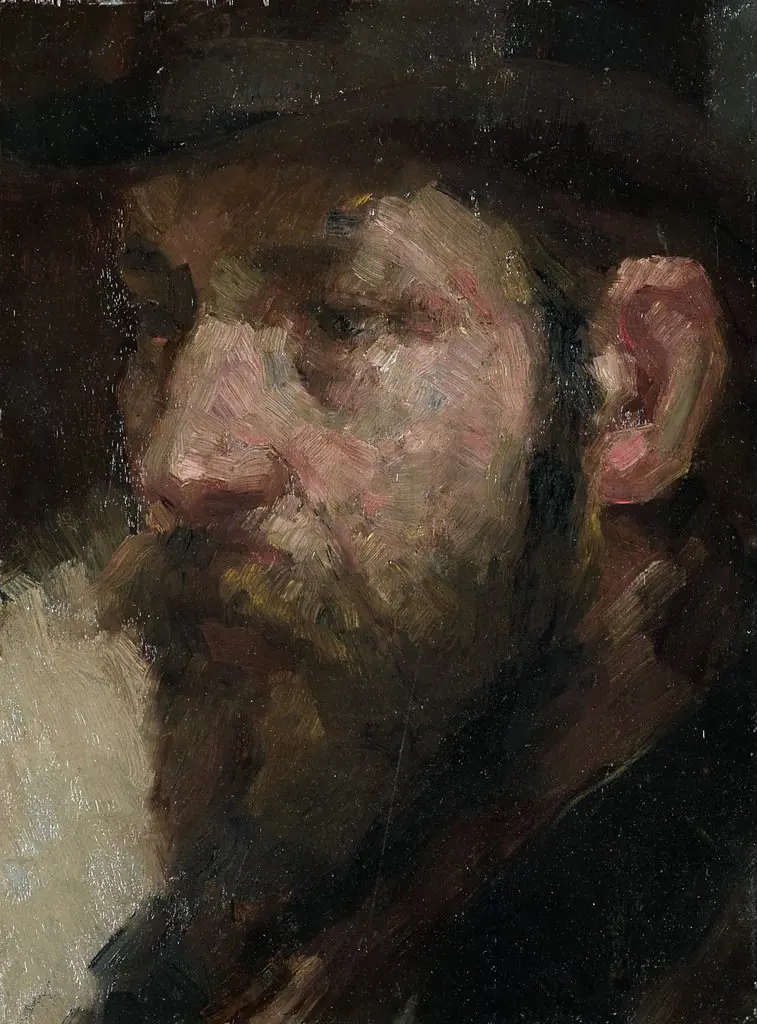 Portrait of the art dealer E.J. van Wisselingh (1848-1912)
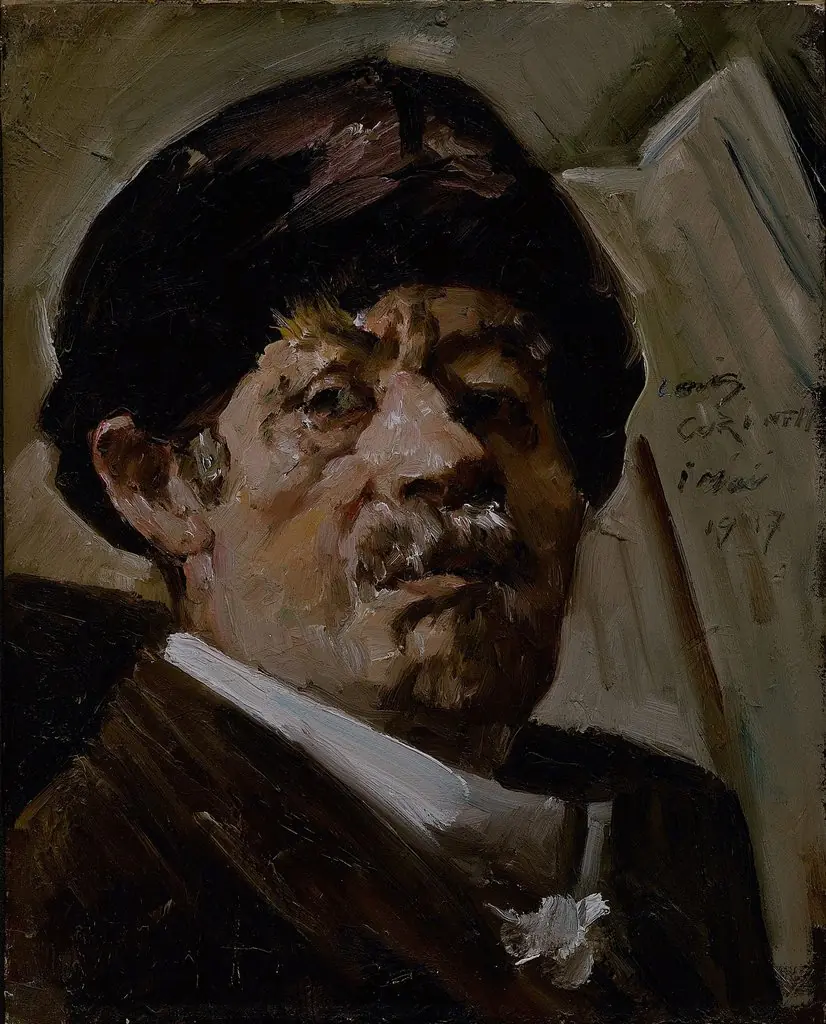 Self-Portrait
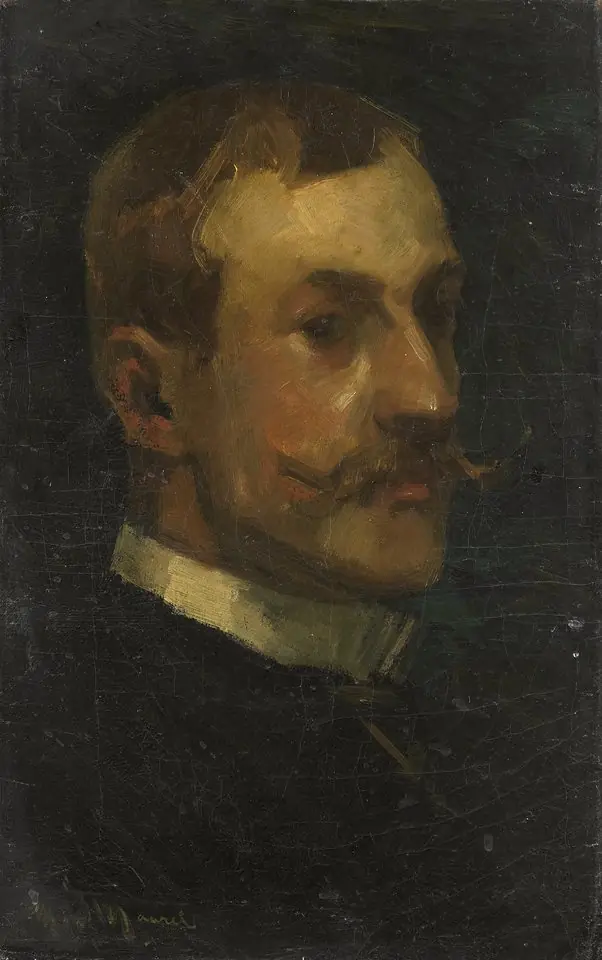 Adriaan Pit (1860-1944). Director of Nederlands Museum voor Geschiedenis en Kunst Amsterdam 1898-1918
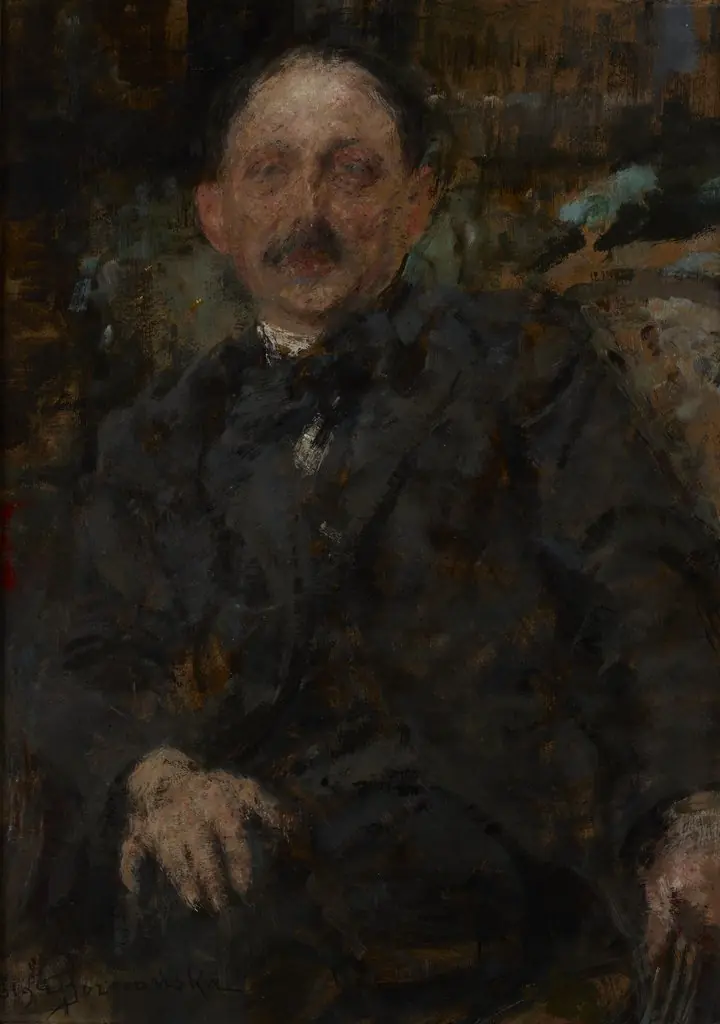 Portrait of Painter Marcin Samlicki
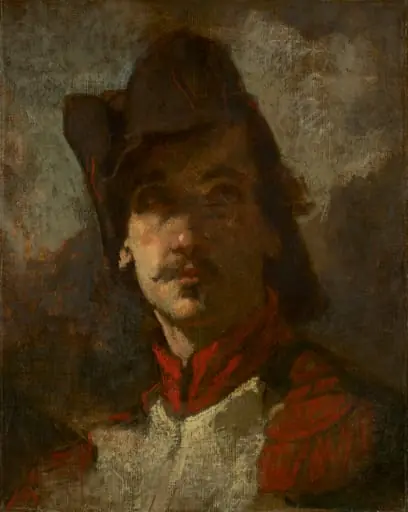 A Volunteer of 1792
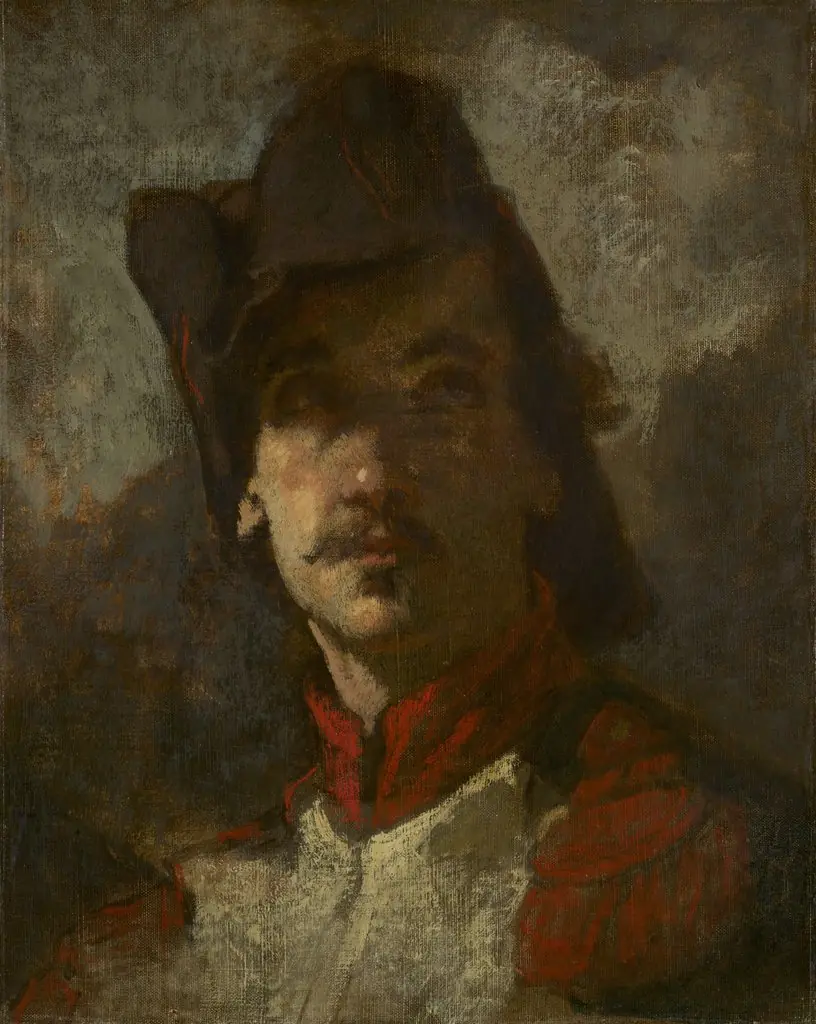 A Volunteer of 1792
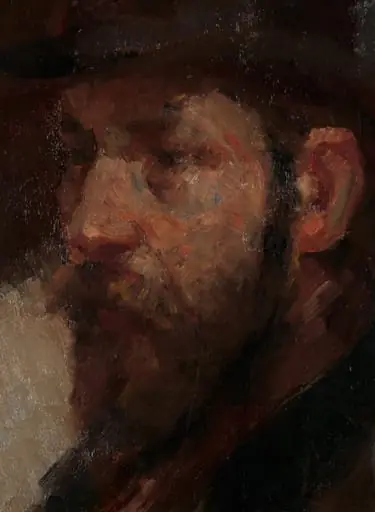 Portrait of the Art Dealer E.J. van Wisselingh
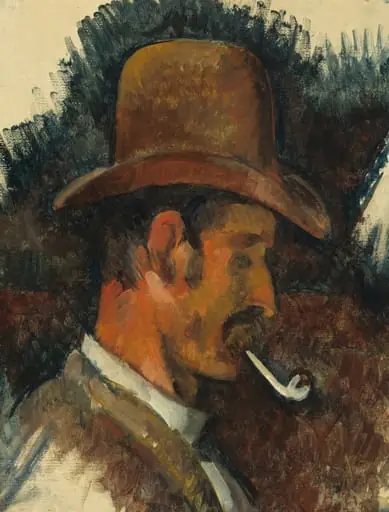 Man with Pipe
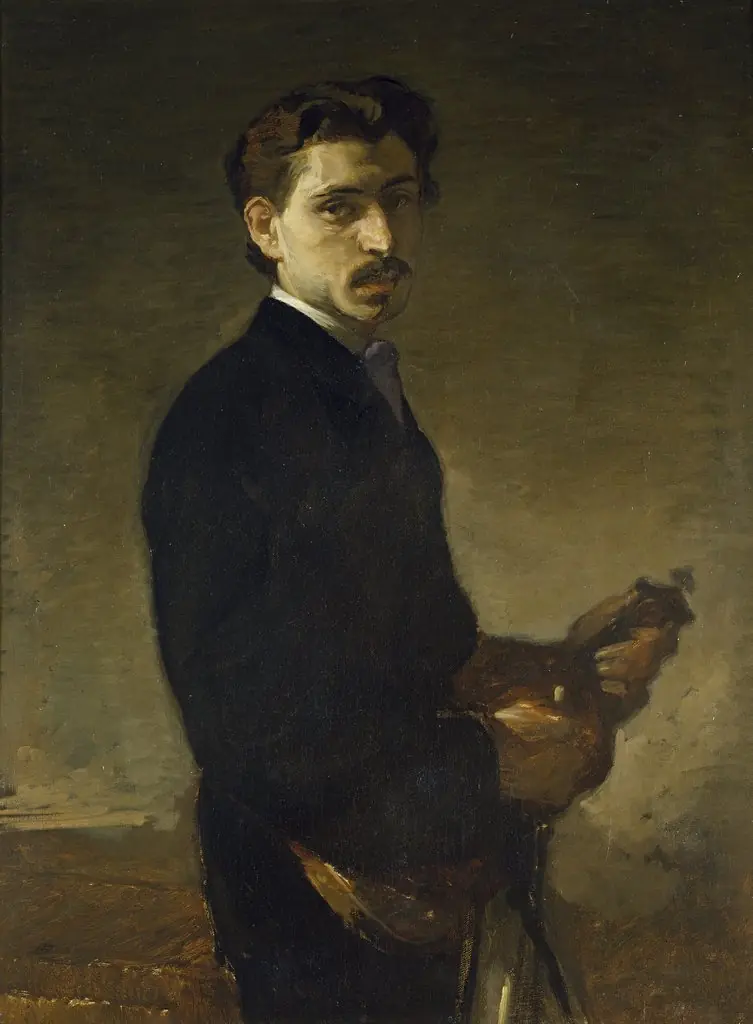 Ettore Pinelli, the Violinist
 Untitled
 Portret de bărbat (Italia)