Artwork
Crâng - peisaj
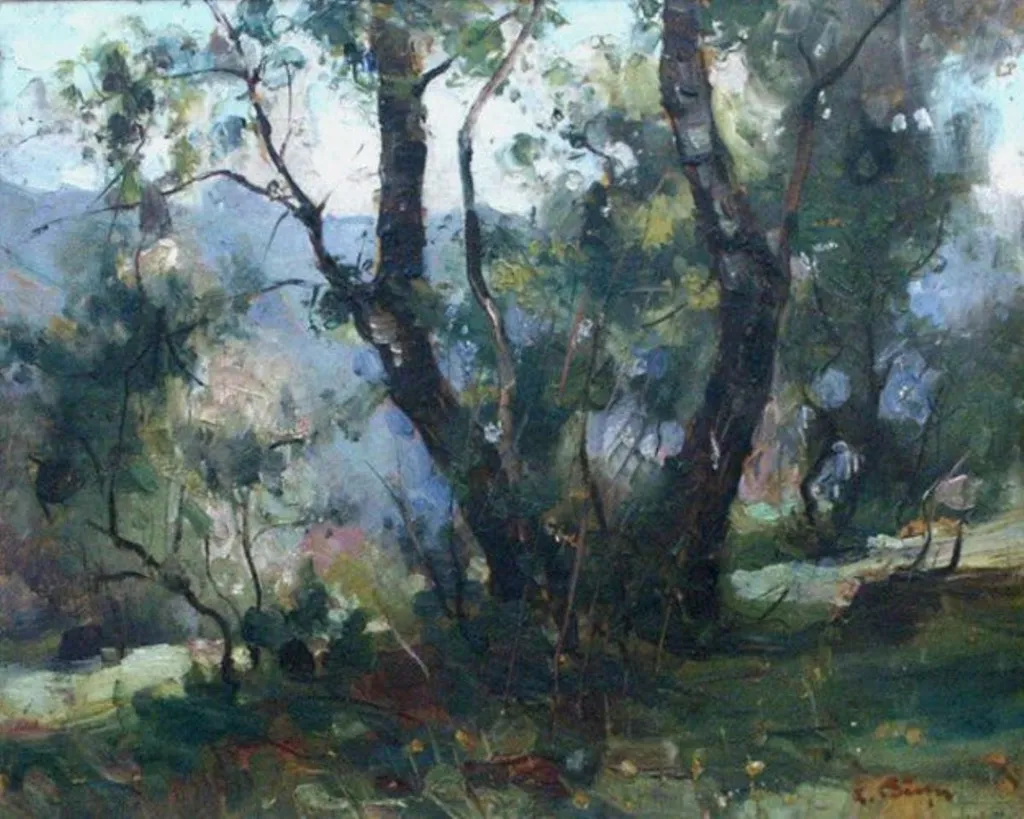
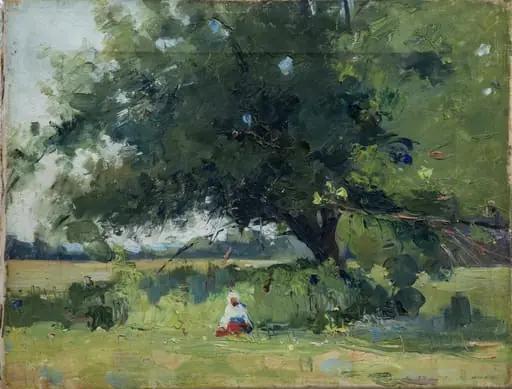
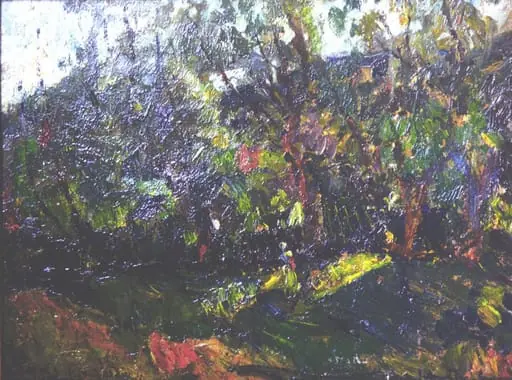
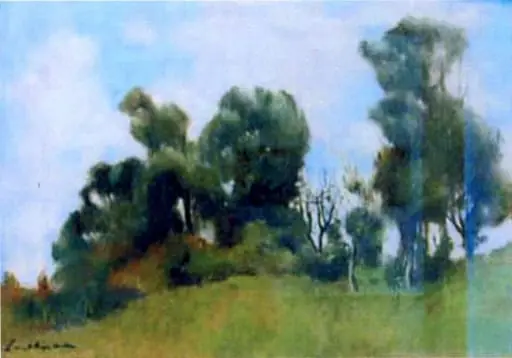
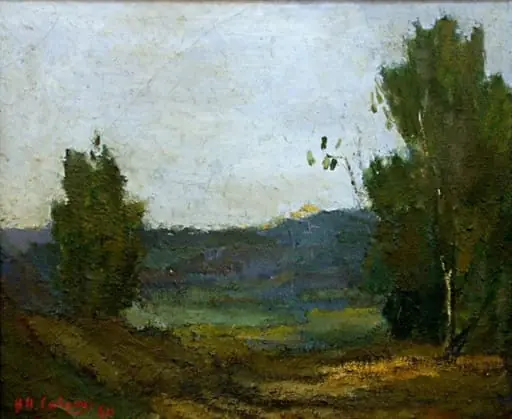
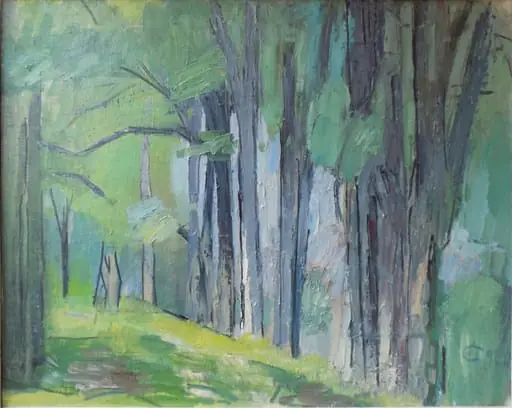
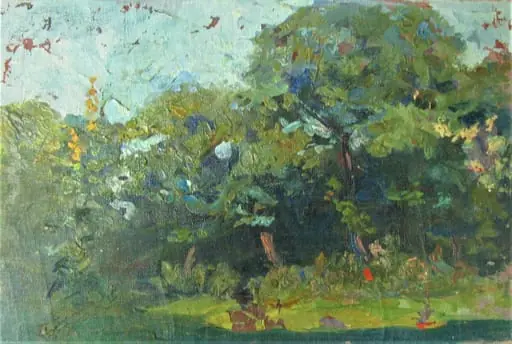
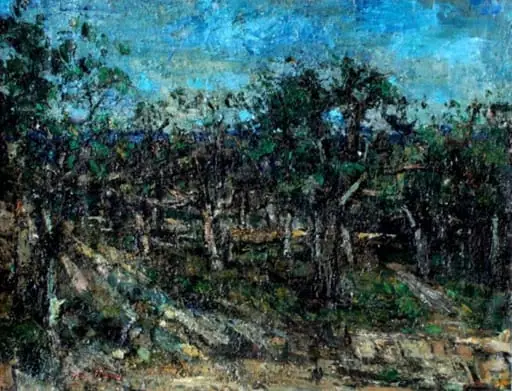
Crâng - peisaj is an unspecified painting by the Realist artist Aurel Băeșu. It dates from 1922 and is held in the collection of the Neamț National Museum Complex.
About this work
Overview
Crâng – peisaj, a circa 1922 landscape by Aurel Băeșu, exemplifies the Impressionist-influenced realist tradition of his contemporaries, notably reflecting the stylistic footprint of Nicolae Grigorescu.
Subject & Meaning
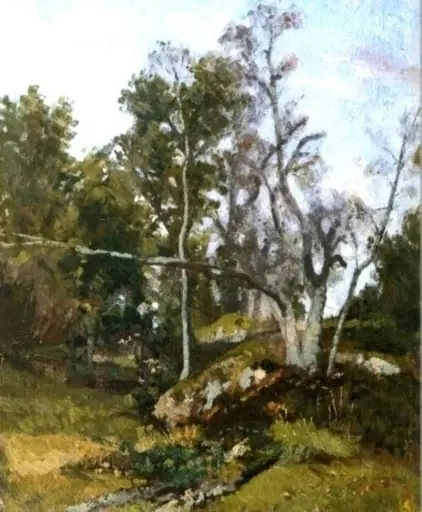
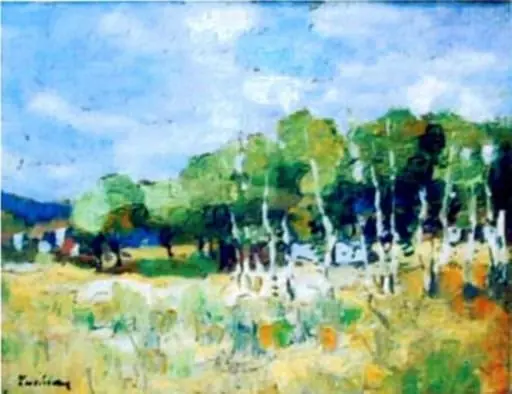
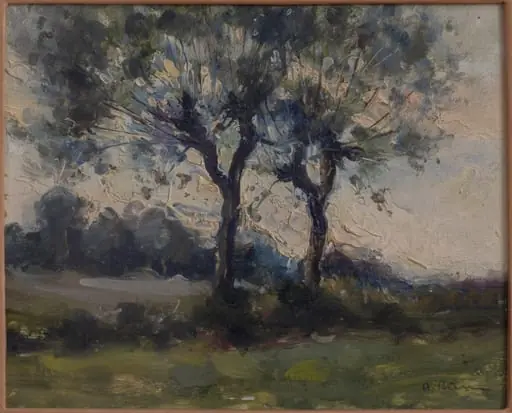
The painting depicts a serene forest scene, emphasizing natural harmony. Tall trees with robust trunks and mixed green-brown foliage dominate the foreground, set against a softly rendered backdrop of distant hills and a clear, cloud-dotted sky, evoking a sense of peacefulness.
Technique & Style
Băeșu employs a realist approach, prioritizing the capture of light effects and atmospheric depth, characteristic of Impressionist leanings. Brushwork and color palette contribute to the overall sense of calm, with the interplay of light on varied foliage textures.
History & Provenance
Created around 1922, the work is currently part of the Museum of Ethnography's collection, though the full provenance history prior to its acquisition is not detailed here.
Context
Situated within the early 20th-century Romanian art scene, *Crâng – peisaj* reflects the era's artistic shift towards capturing everyday natural beauty through Impressionist-tinged realism, a movement influenced by figures like Nicolae Grigorescu.
Legacy
While *Crâng – peisaj* may not be widely recognized beyond regional art historical contexts, it contributes to the broader understanding of early 20th-century Romanian Impressionist realism and Aurel Băeșu's contribution to this style.
Artist & collection
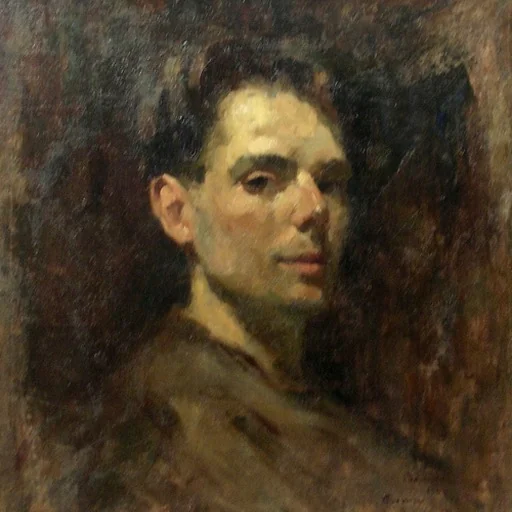
Artist
Aurel Băeșu (26 May 1896 – 24 August 1928) was a Romanian Impressionist landscape and portrait painter. Many of his works show the influence of Nicolae Grigorescu; an influence that was common among painters of his generation.