Artwork
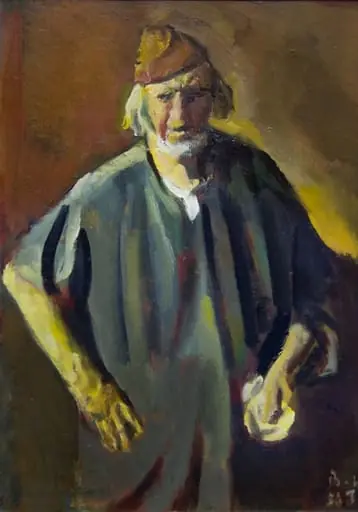
Cap de expresie
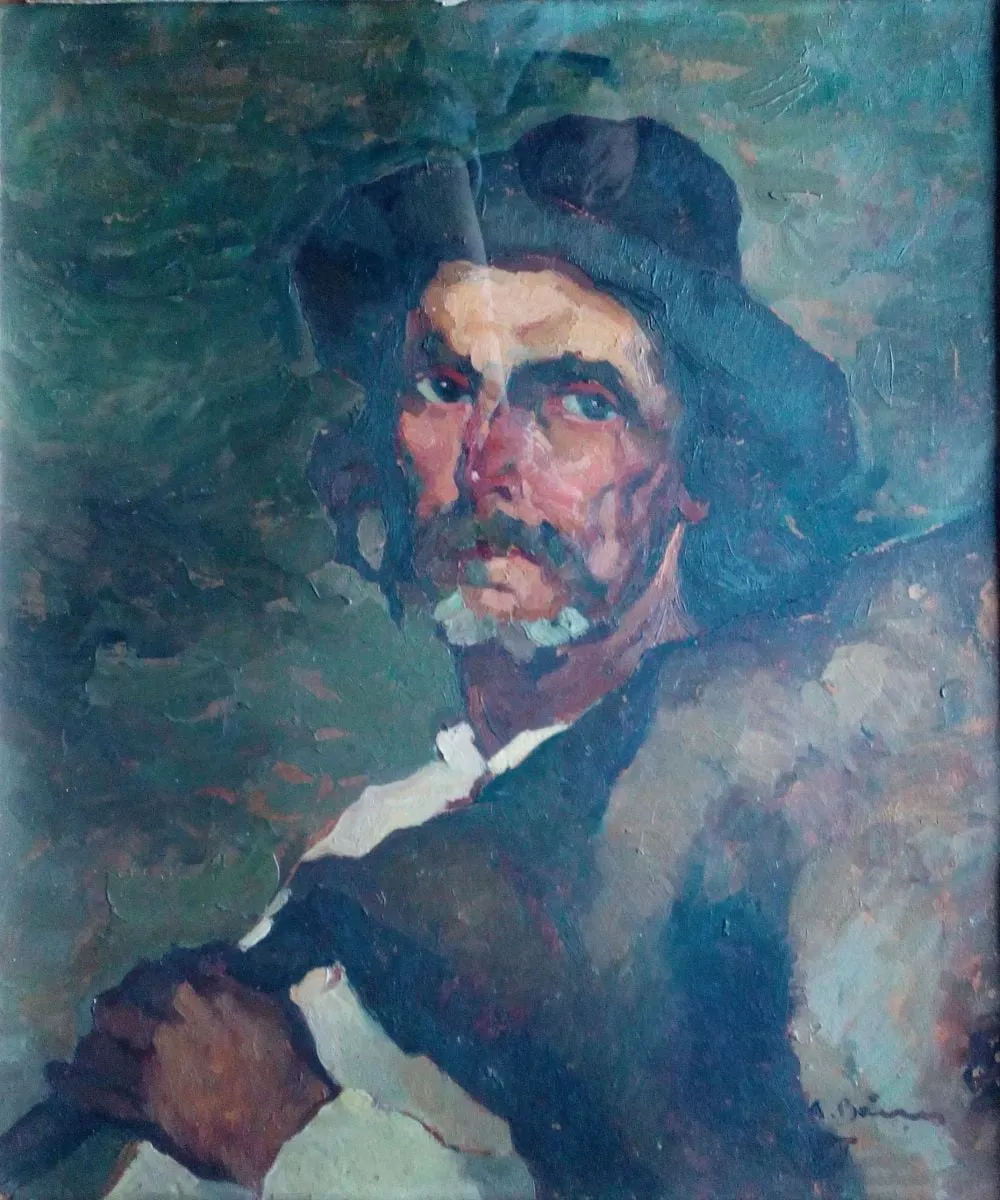
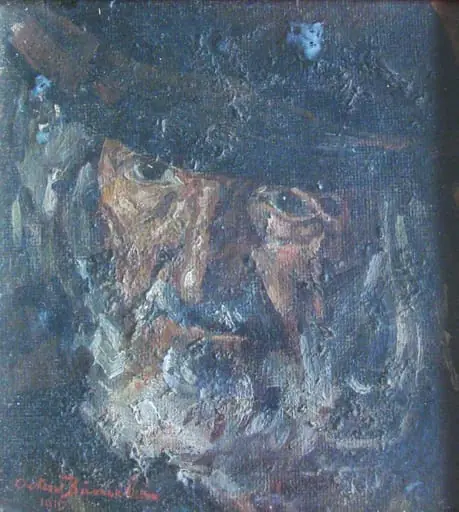
Cap de expresie is a print by Aurel Băeșu. It dates from 1922 and is held in the collection of the Ion Irimescu Art Museum.
About this work
Overview
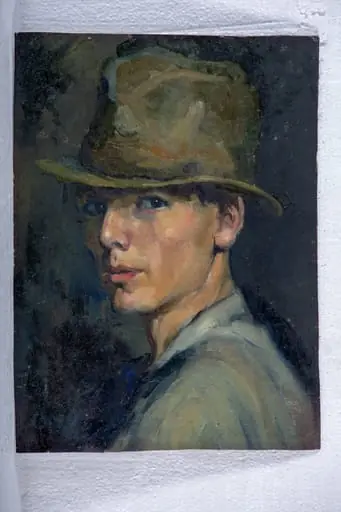
Executed in oil, the work reflects the influence of Romanian Impressionism and the broader European trend of expressive portraiture in the early 20th century.
Created around 1922 by Romanian artist Aurel Băeșu, *Cap de expresie* is a portrait that captures a solitary male figure with intense focus. Executed in oil, the work reflects the influence of Romanian Impressionism and the broader European trend of expressive portraiture in the early 20th century. It resides in the Museum of Ethnography’s collection, where it stands as a rare example of Băeșu’s figurative work among more common landscape pieces.
Subject & Meaning
The subject is a man rendered with solemnity, his face partially shadowed to emphasize introspection. The absence of contextual details—no setting, no narrative cues—focuses attention on his expression alone. The tilted hat and exposed collar suggest everyday attire, grounding the figure in realism. The intensity of his gaze and the restrained palette convey psychological weight rather than storytelling, inviting contemplation over interpretation.
Technique & Style
Băeșu applied paint thickly and directly, particularly on the man’s cheek, using impasto to create tactile depth and a sense of physical presence. Brushwork is energetic and unblended, with visible strokes defining form through contrast rather than smooth gradation. The background dissolves into loose, atmospheric greens and browns, isolating the figure and enhancing the emotional immediacy of the portrait.
History & Provenance
Aurel Băeșu, who died young in 1928, produced a limited body of work before his death. *Cap de expresie* was likely made during his mature period, around the time he was refining his approach to portraiture. The painting entered the Museum of Ethnography’s holdings in the decades following his death, possibly through acquisition from family or estate, and has remained there since, preserved as part of Romania’s interwar artistic legacy.
Context
Băeșu worked within a generation of Romanian artists who adapted French Impressionism to local subjects and conditions. While many focused on rural scenes, he turned toward psychological portraiture, aligning with broader European interests in inner life. The painting’s raw technique and emotional restraint reflect a shift away from academic idealism toward more personal, immediate modes of representation in early 20th-century Romanian art.
Legacy
Though Băeșu’s career was brief, *Cap de expresie* endures as a compelling example of his ability to merge impressionist technique with psychological depth. It remains one of the few portraits by him in public collections, offering insight into a lesser-known facet of Romanian modernism. The work’s directness and material intensity continue to inform discussions of emotional expression in interwar Romanian painting.
Artist & collection
Artist
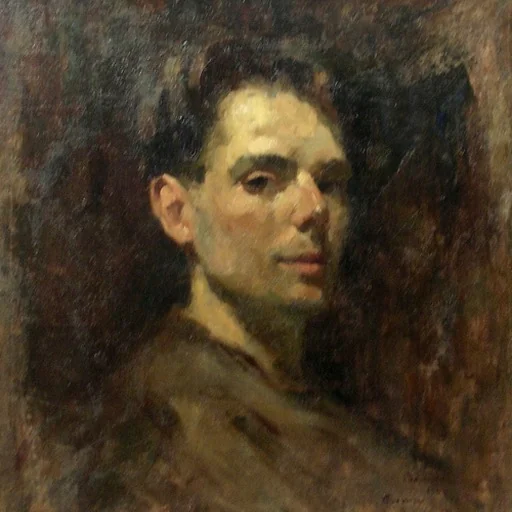
Aurel Băeșu (26 May 1896 – 24 August 1928) was a Romanian Impressionist landscape and portrait painter. Many of his works show the influence of Nicolae Grigorescu; an influence that was common among painters of his generation.
 Portret de bătrân
 Italiaanse landman
 Luonnos malaukseen Köyhyys
 J. Frank Currier (1843-1909)
 Țăran bătrân
 Plăieșii
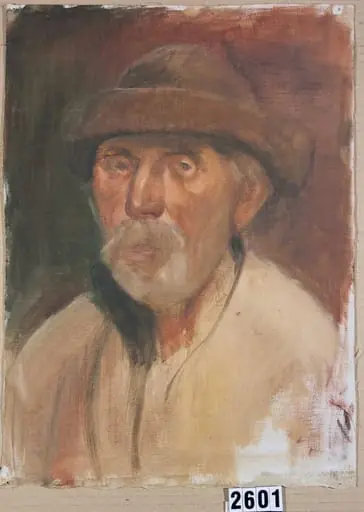 Portret de bătrân
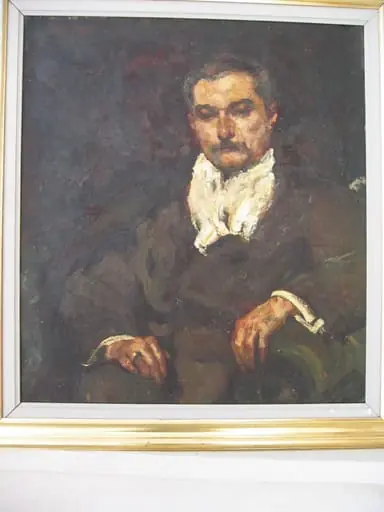 Portret de bărbat
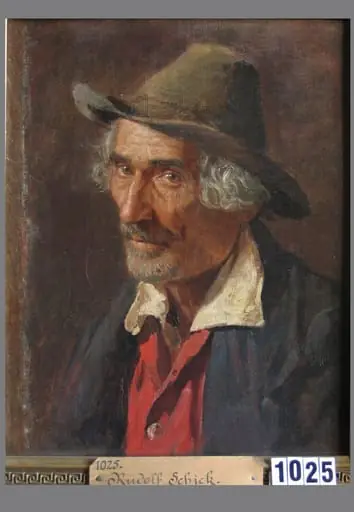 Țăran din Carrara. Pandant: Bătrân din Ciociara (în registrul inventar: Un bătrân)
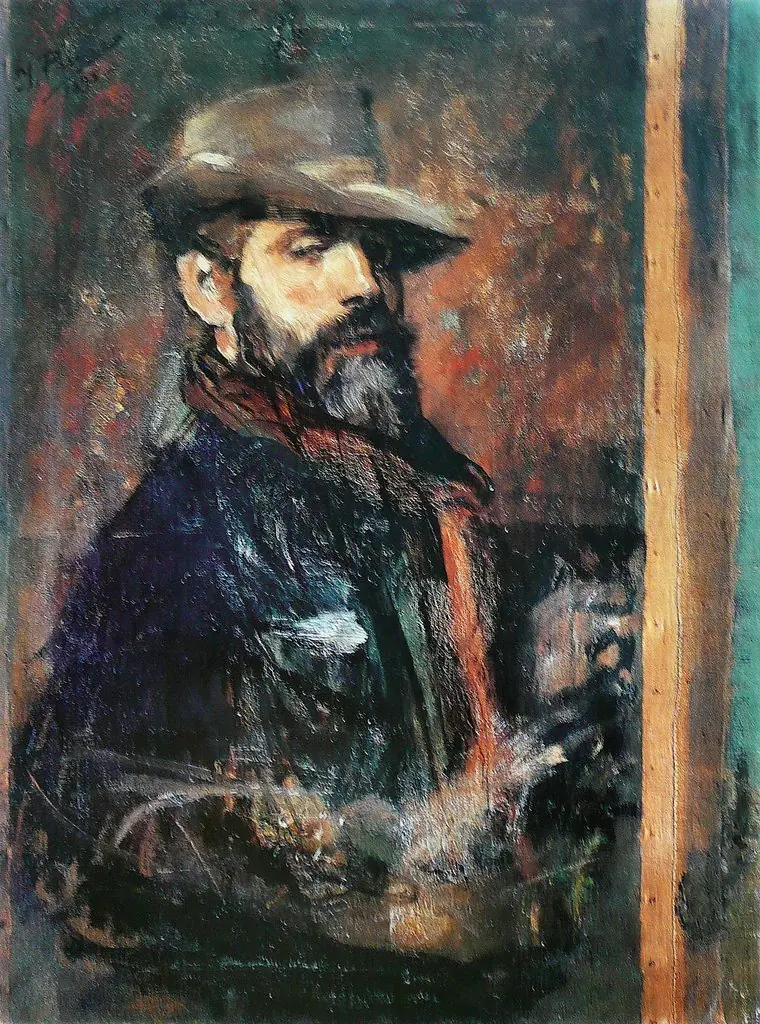 Self-Portrait Painting (Young Man with a Hat)
 Autoportret
 Portrait of Josep Pijoan