Artwork
Țăran din Carrara. Pandant: Bătrân din Ciociara (în registrul inventar: Un bătrân)
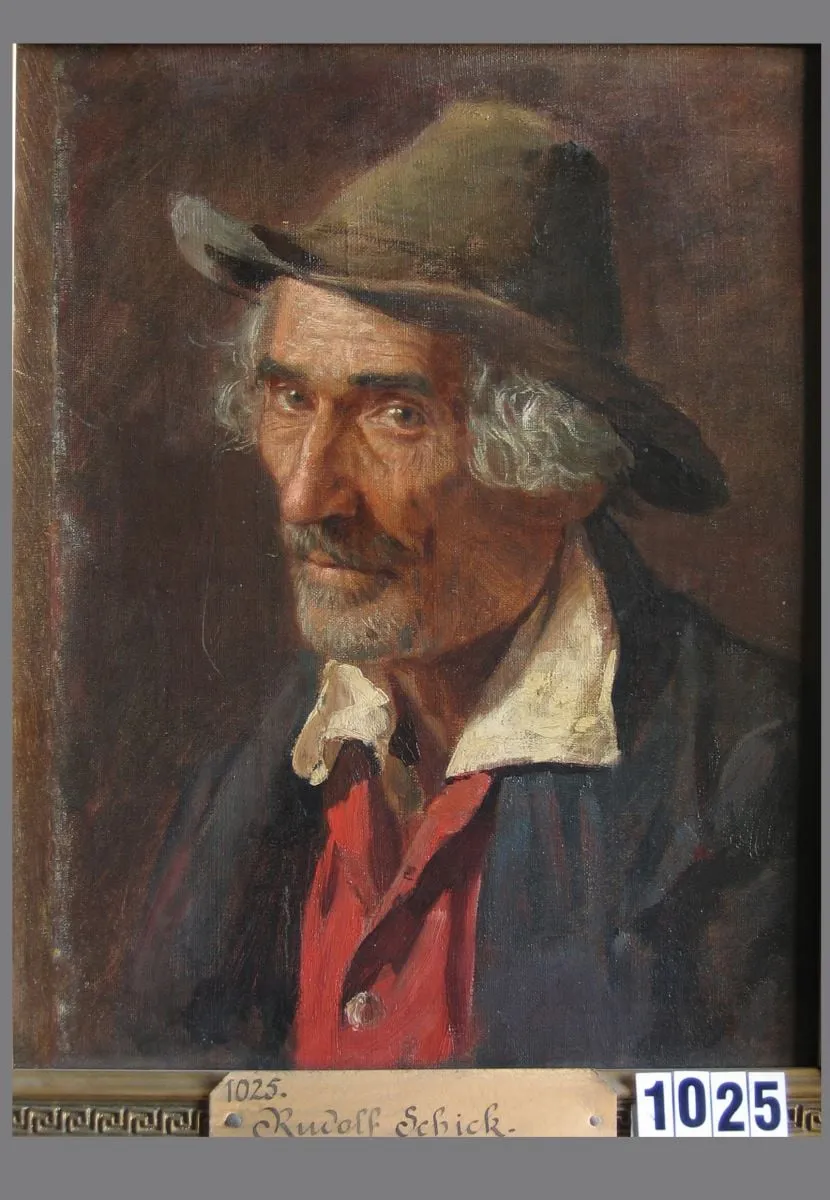
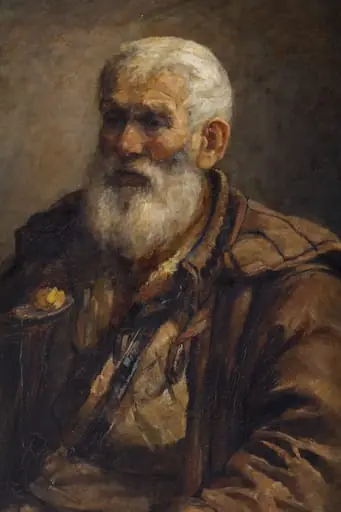
Țăran din Carrara. Pandant: Bătrân din Ciociara (în registrul inventar: Un bătrân) is a print by Rudolf Schick. It is held in the collection of the Brukenthal National Museum. This portrait depicts an elderly man, likely a laborer, rendered with a focus on tactile realism.
About this work
Overview
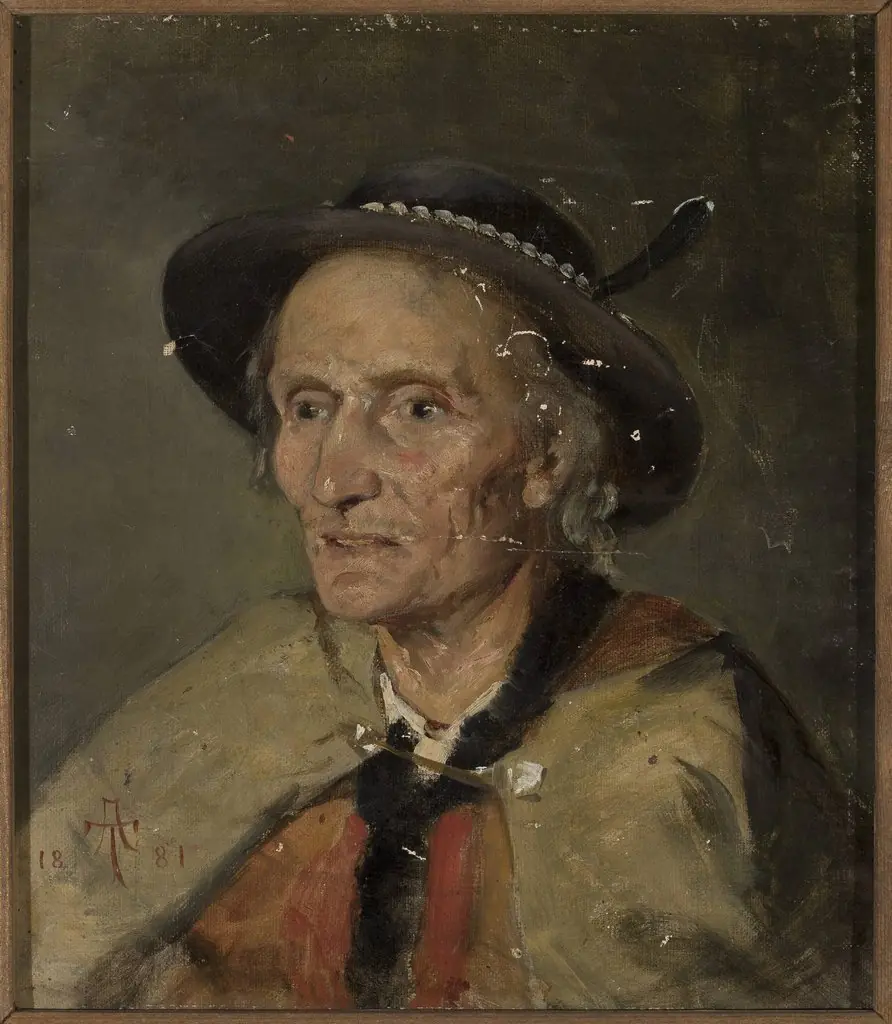
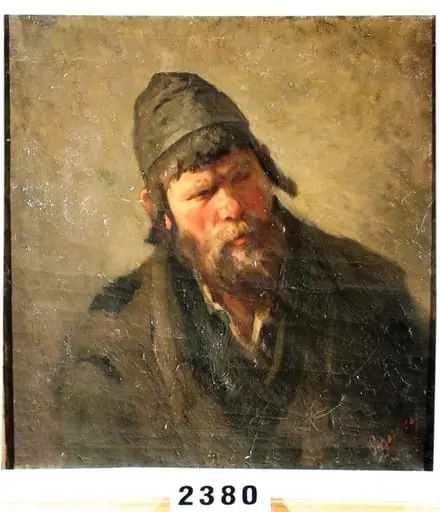
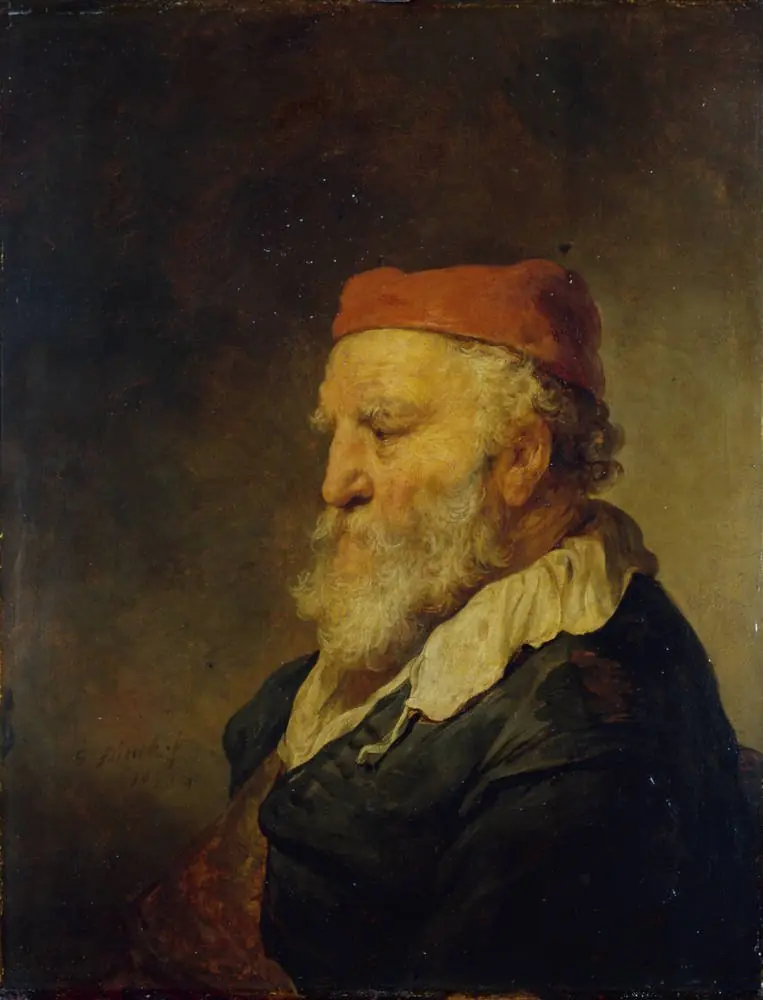
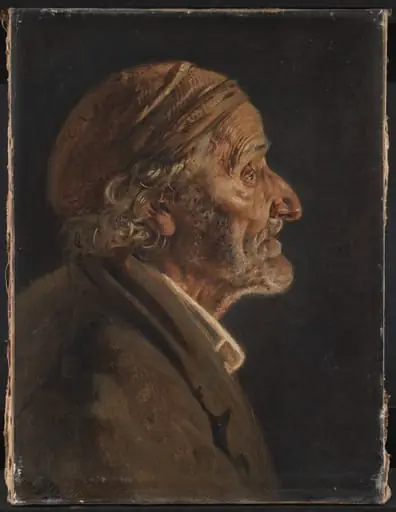
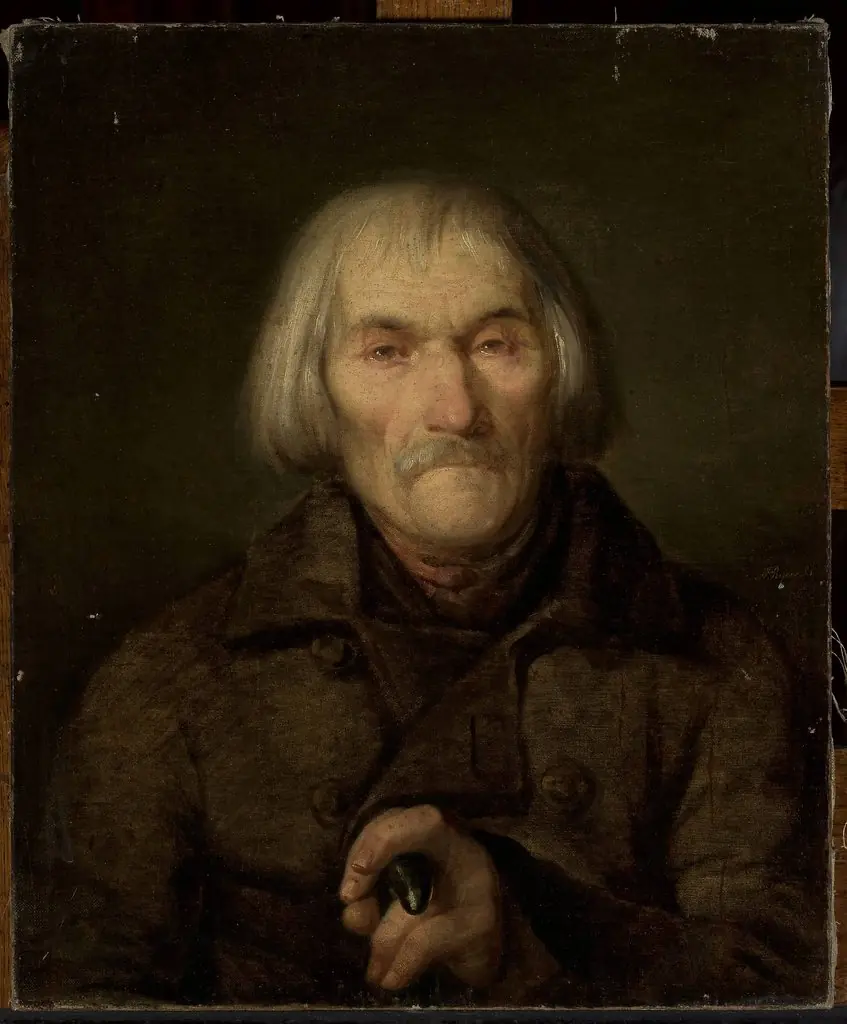
This portrait depicts an elderly man, likely a laborer, rendered with a focus on tactile realism. The subject wears a dark jacket, a wide-brimmed hat, and a loosely tied red scarf, with a white collar visible beneath. Thick, deliberate brushwork emphasizes texture in his beard and hat, while the play of light and shadow across his face creates a sense of physical presence and quiet dignity.
Subject & Meaning
The man’s weathered features and modest attire suggest a life shaped by manual labor and exposure to the elements. His serious gaze and unadorned clothing convey dignity rooted in endurance rather than status. The absence of context or symbolic objects directs attention to the individual’s humanity, inviting contemplation of his lived experience without narrative embellishment.
Technique & Style
The artist employs thick, expressive brushstrokes to build form and texture, particularly in the hat and beard, giving the surface a tactile quality.
The artist employs thick, expressive brushstrokes to build form and texture, particularly in the hat and beard, giving the surface a tactile quality. Chiaroscuro is used to model the face, with strong contrasts between light and shadow enhancing the three-dimensionality of the features. The palette is restrained, save for the vivid red scarf, which draws the eye without disrupting the overall somber tone.
History & Provenance
The painting is cataloged under the title 'Un bătrân' in institutional records, though it is commonly associated with the region of Carrara and the Ciociara area. Its origins are tied to the artist’s engagement with rural portraiture during a period of interest in regional identities. No documented ownership history prior to institutional acquisition is publicly available.
Context
Created during a time when artists across Europe turned to everyday people as subjects, this work reflects a broader movement away from idealized figures toward authentic, unembellished representations of laboring classes. Regional dress and physical traits were studied as markers of cultural identity, aligning this portrait with ethnographic tendencies in late 19th-century painting.
Legacy
The painting contributes to a body of work that elevated ordinary individuals through direct observation and empathetic rendering. Its emphasis on texture and light influenced later artists seeking to capture the physicality of rural life. Though not widely exhibited, it remains a quiet example of how portraiture can honor dignity without grandeur.
Artist & collection
Artist
Rudolf Schick carved his place in art history with quiet, unsentimental portraits that feel like doorways into 19th-century village life.