Artwork
Peisaj
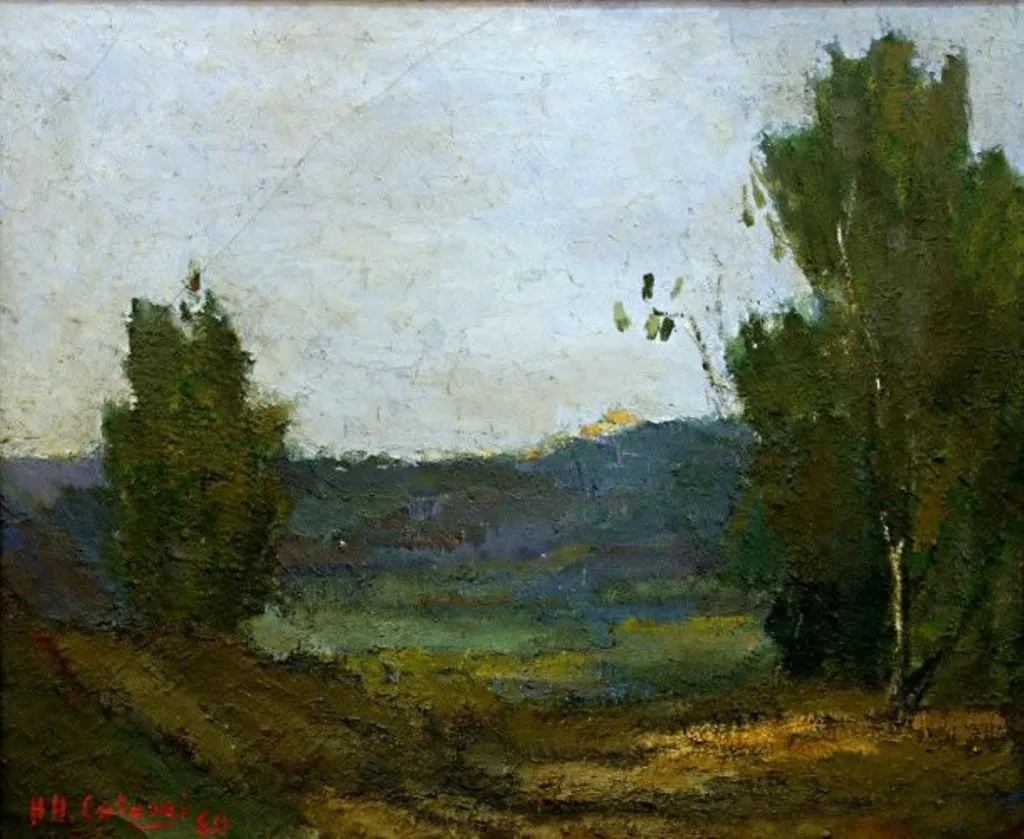
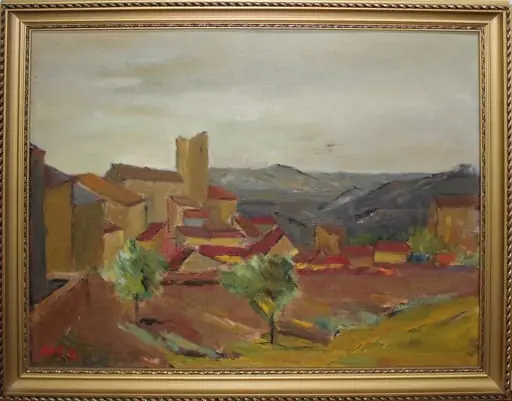
Peisaj is an unspecified painting by Henri Catargi. It dates from 1960 and is held in the collection of the Neamț National Museum Complex.
About this work
Overview
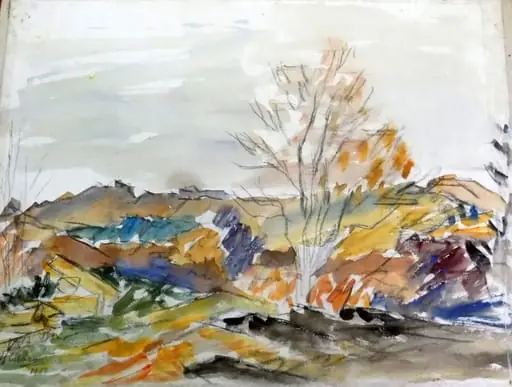
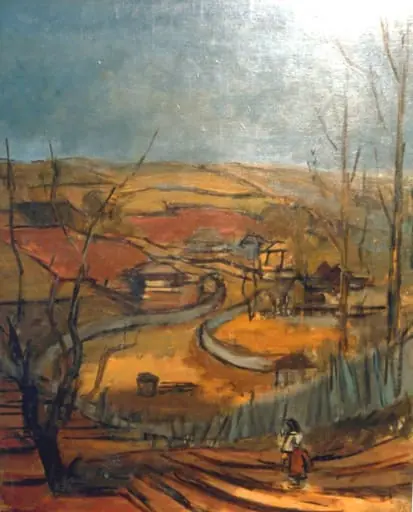
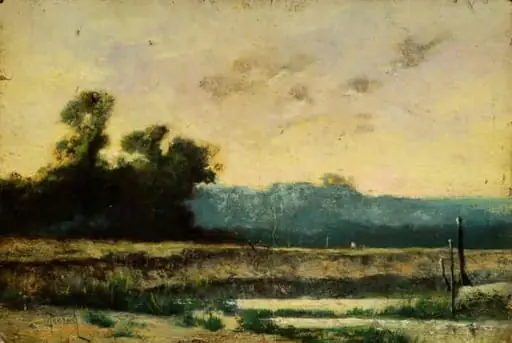
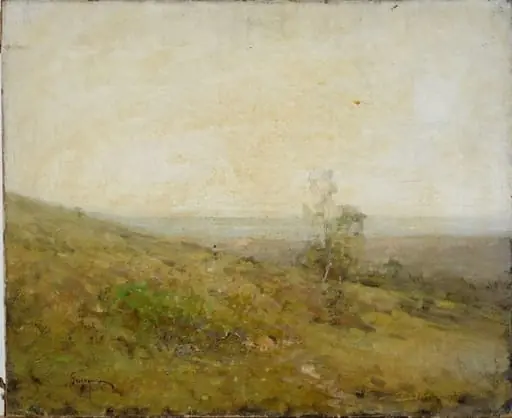
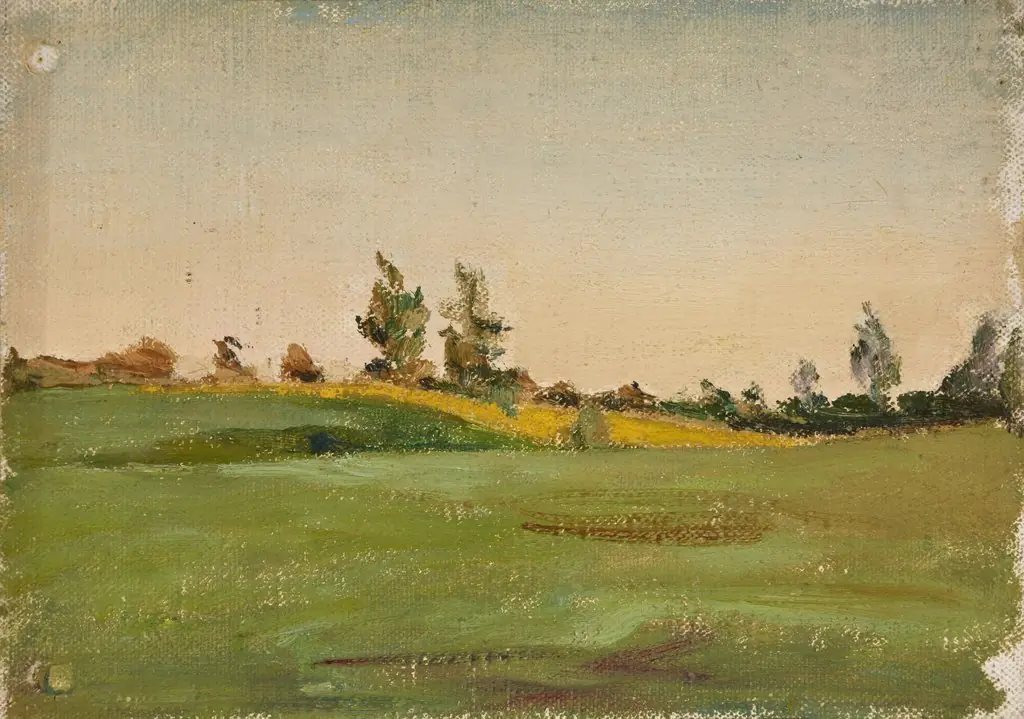
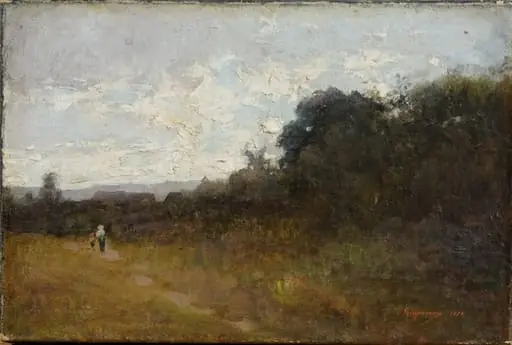
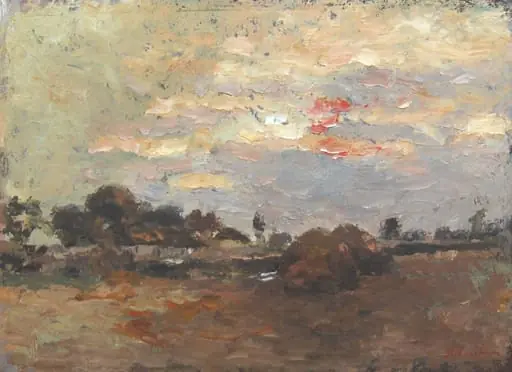
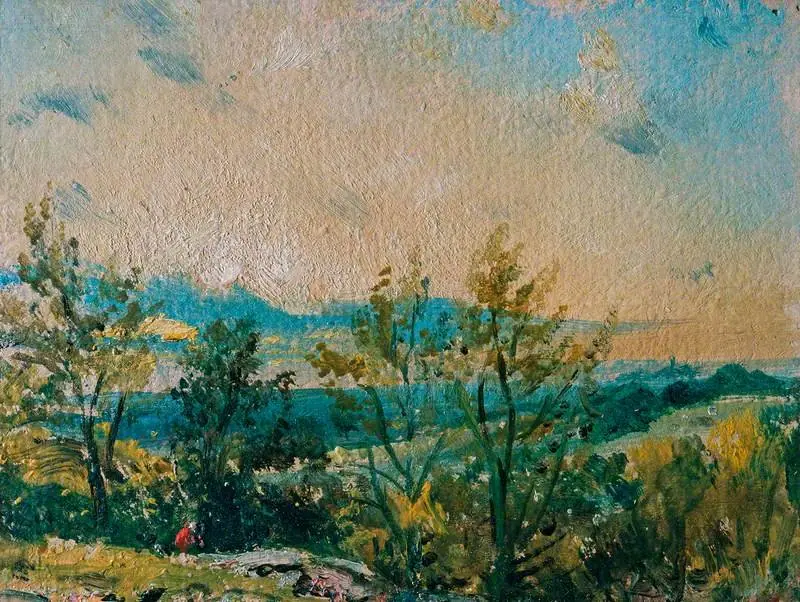
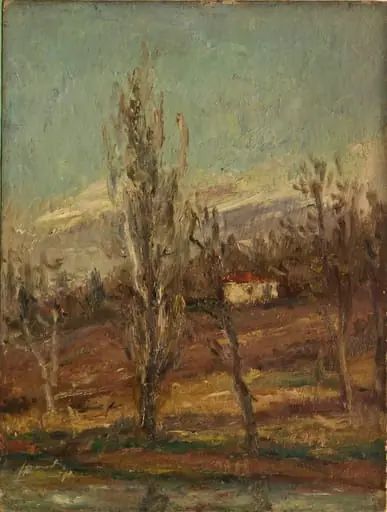
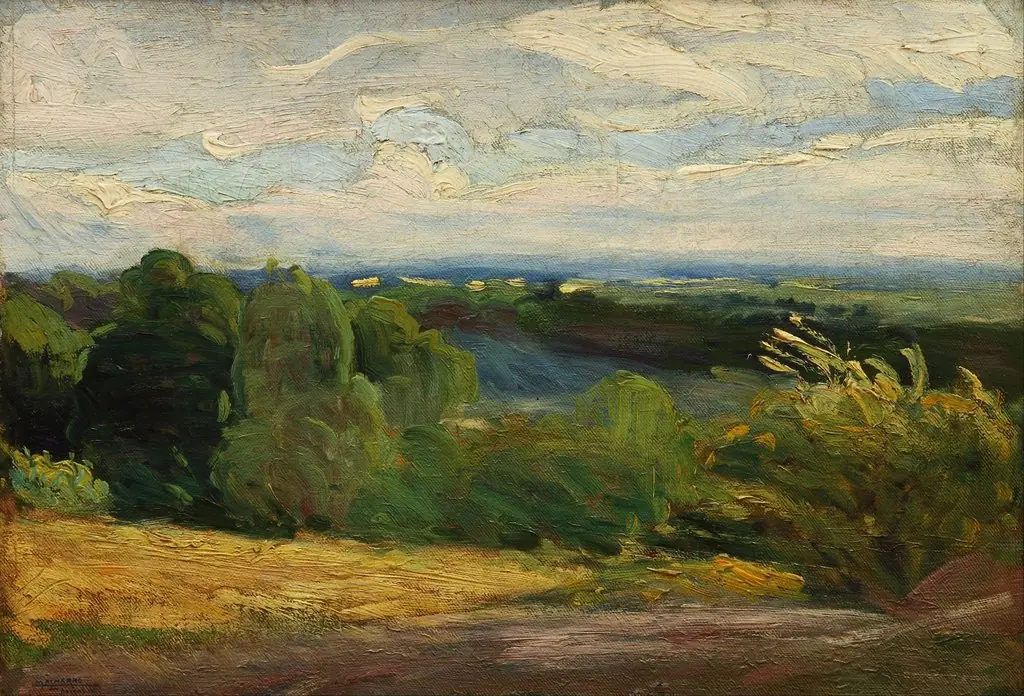
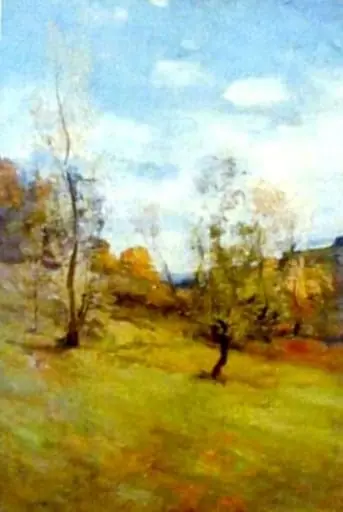
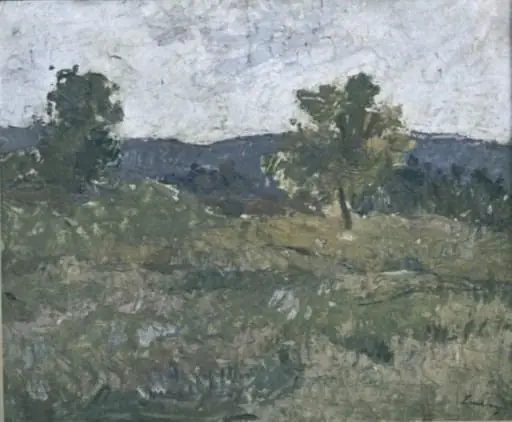
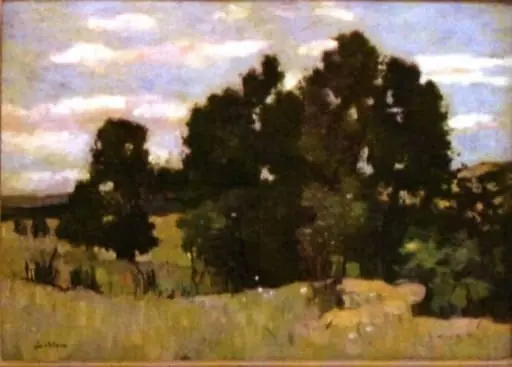
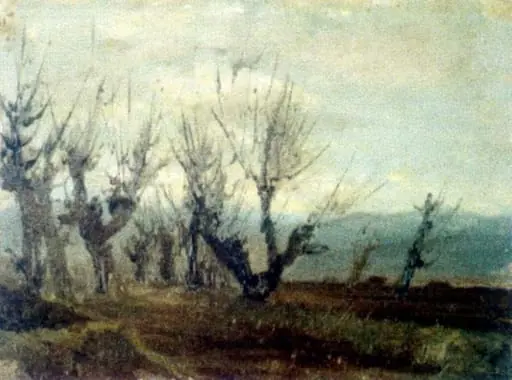
Peisaj, painted by Henri Catargi in 1960, is a landscape work held in the collection of the Museum of Ethnography. It presents a tranquil rural scene rendered with a restrained palette and loose brushwork. The composition avoids dramatic elements, instead focusing on quiet atmospheric effects and subtle tonal shifts that evoke a sense of stillness and solitude.
Subject & Meaning
The painting depicts a modest, unremarkable countryside—rolling hills, scattered trees, and a distant body of water. There are no human figures or architectural elements, emphasizing nature’s quiet persistence. The absence of narrative or symbolic markers suggests an intention to capture a moment of ambient calm rather than convey a specific story or ideal.
Technique & Style
Catargi employed visible, textured brushstrokes and areas of impasto to suggest the density of foliage and the softness of earth. Colors are muted—olive greens, pale yellows, and cool grays—creating a hazy, diffused light. The paint is applied with deliberate irregularity, allowing the surface to retain the physicality of the artist’s hand and the materiality of the medium.
History & Provenance
Created in 1960, Peisaj entered the Museum of Ethnography’s collection shortly after its completion. Its acquisition reflects the institution’s interest in documenting regional artistic expressions beyond formal academic traditions. The work has remained in the museum’s care since, with no record of public exhibition beyond its initial display.
Context
In postwar Romania, many artists turned to landscape as a space of personal expression amid political constraints. Catargi’s approach, with its emphasis on atmosphere over detail, aligns with a broader trend of quiet realism that avoided overt political messaging. His work resonated with contemporaries seeking solace in the natural world during a period of social upheaval.
Legacy
Its presence in the Museum of Ethnography underscores its value as a cultural artifact of everyday visual experience.
Peisaj remains a representative example of Catargi’s mature style and his commitment to understated observation. While not widely known outside Romania, it contributes to the understanding of mid-century Eastern European painting that prioritized emotional resonance over spectacle. Its presence in the Museum of Ethnography underscores its value as a cultural artifact of everyday visual experience.
Artist & collection
Artist
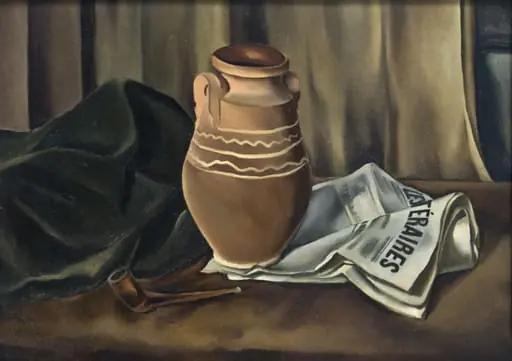
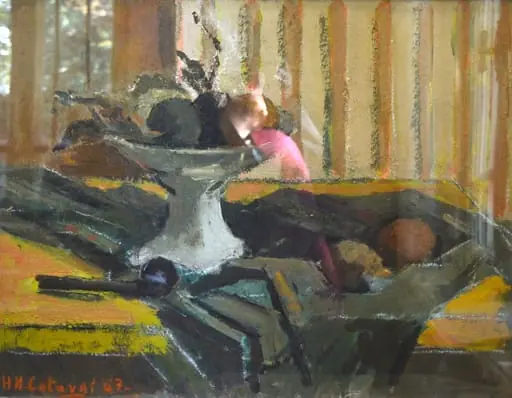
Henri Catargi painted landscapes and still lifes in an unlabelled style. His 1967 work Peisaj shows soft, sunlit hills rolling under wide skies, while Natură moartă from 1925 arranges everyday objects in muted tones.…