Artwork
În așteptare
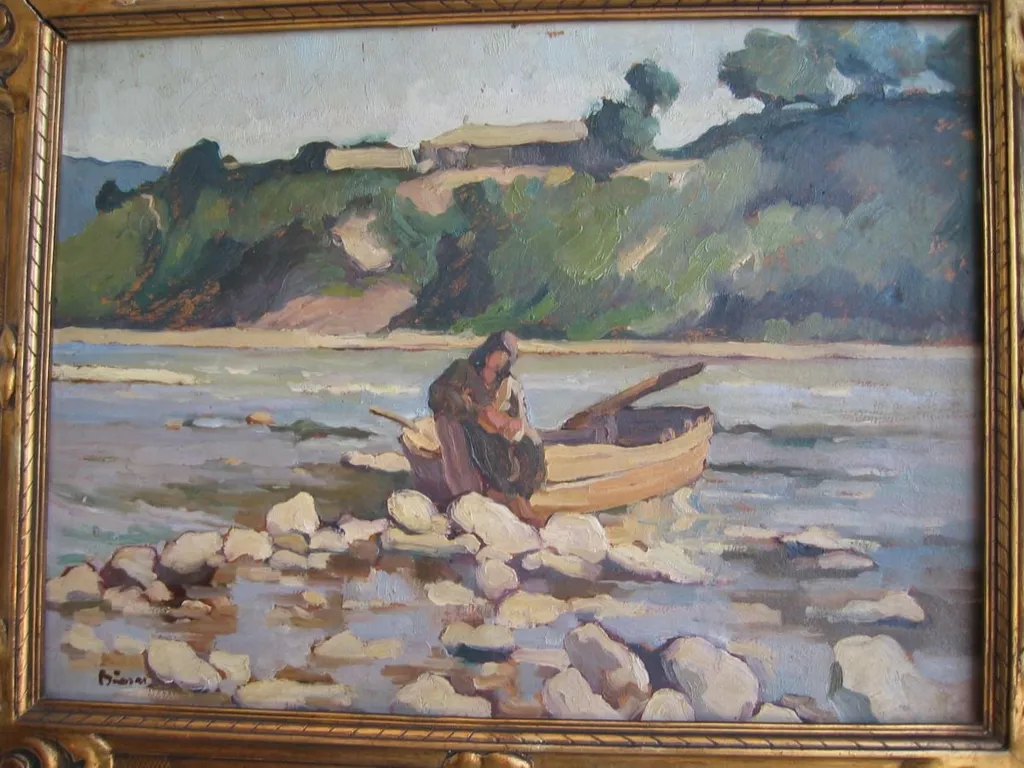
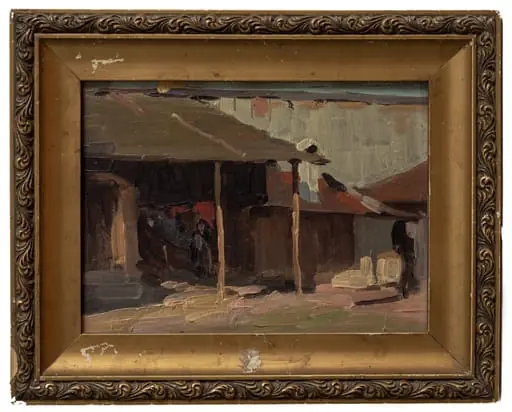
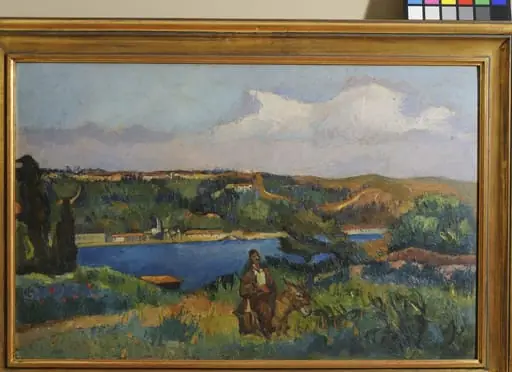
În așteptare is a print by Aurel Băeșu. It dates from 1922 and is held in the collection of the Neamț National Museum Complex.
About this work
Overview
The work is part of the Museum of Ethnography’s collection, where it contributes to a broader presentation of Romanian visual culture from the interwar period.
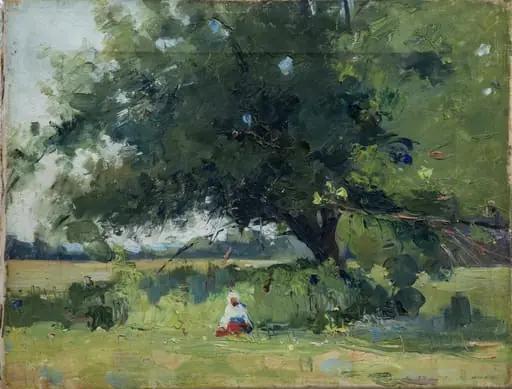
Painted around 1922 by Romanian artist Aurel Băeșu, *În așteptare* is a quiet landscape piece that reflects the influence of Romanian Impressionism. Băeșu, trained in the tradition of Nicolae Grigorescu, favored intimate natural scenes over grand narratives. The work is part of the Museum of Ethnography’s collection, where it contributes to a broader presentation of Romanian visual culture from the interwar period.
Subject & Meaning
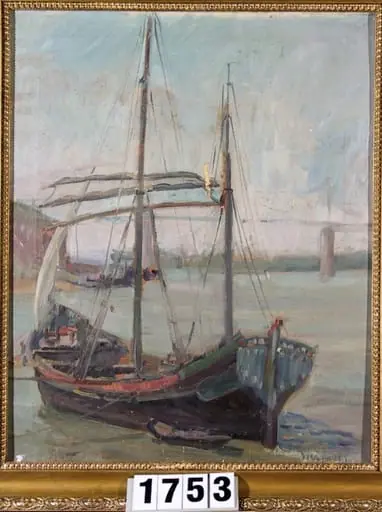
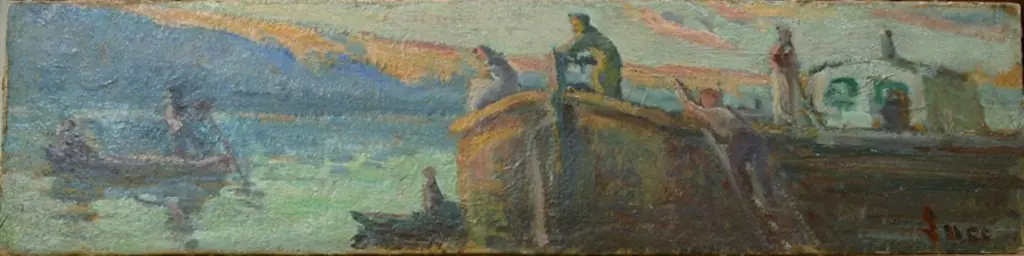
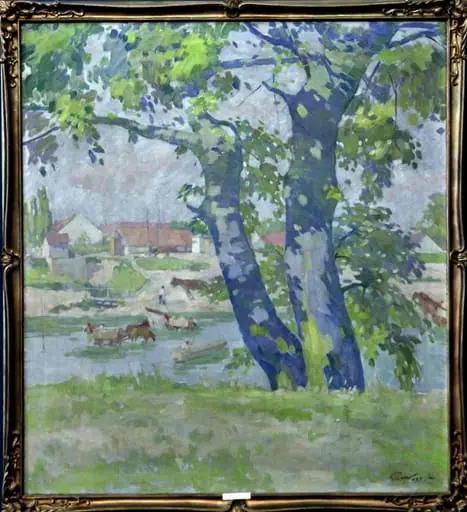
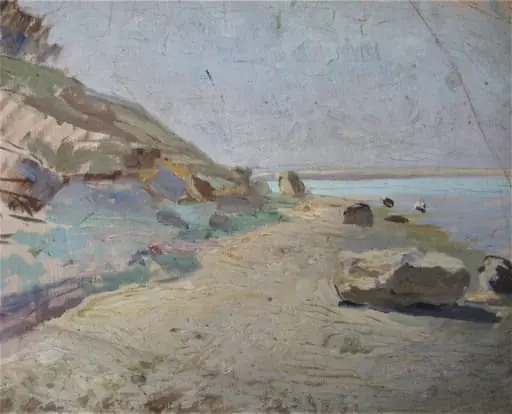
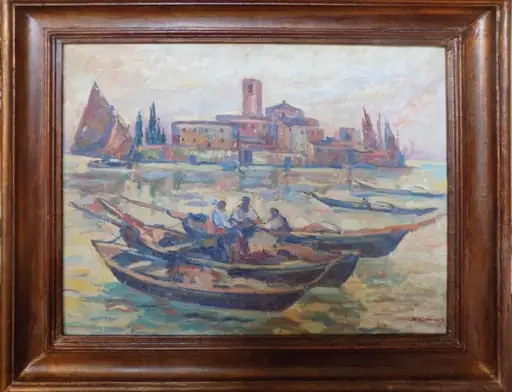
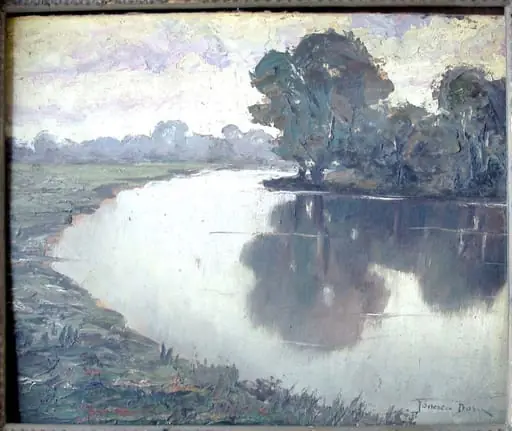
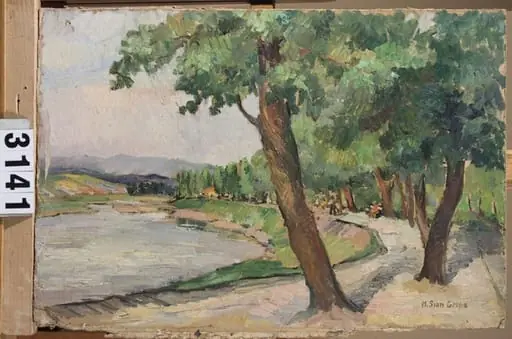
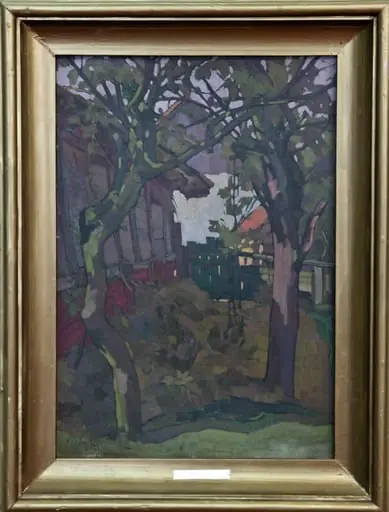
The painting centers on a solitary figure in a small boat, stationary on calm water. The figure’s stillness suggests contemplation or pause, not urgency. Surrounding hills and trees frame the scene without drawing attention away from the quiet human presence. There is no clear narrative, but the composition evokes a sense of solitude and harmony with the natural world, common in early 20th-century Romanian landscape painting.
Technique & Style
Băeșu employed loose, fluid brushwork to suggest movement in foliage and water, characteristic of Impressionist methods. The palette is restrained—dominated by muted greens, soft blues, and earthy browns—creating a subdued, atmospheric tone. Light is diffused rather than sharply defined, and depth is achieved through layered washes rather than strong chiaroscuro, emphasizing mood over dramatic contrast.
History & Provenance
Created in the early 1920s, the painting entered the Museum of Ethnography’s holdings during a period when Romanian institutions were expanding their collections to include modern national art. While little documentation exists about its early ownership, its inclusion in a museum focused on cultural heritage suggests it was valued for its representation of rural Romanian life and artistic development.
Context
Băeșu worked during a time when Romanian artists were reconciling European modernism with local traditions. Influenced by Grigorescu’s emphasis on plein air painting, he avoided academic rigidity in favor of direct observation. *În așteptare* reflects this shift—its informal composition and naturalism align with broader trends in Eastern European Impressionism, distancing itself from overt symbolism or nationalism.
Legacy
Though not widely exhibited outside Romania, *În așteptare* remains a representative example of Băeșu’s mature style. It contributes to the understanding of how Romanian artists adapted Impressionism to their own landscapes and sensibilities. The work’s quiet intensity continues to inform scholarly discussions on regional modernism and the role of nature in interwar Romanian art.
Artist & collection
Artist
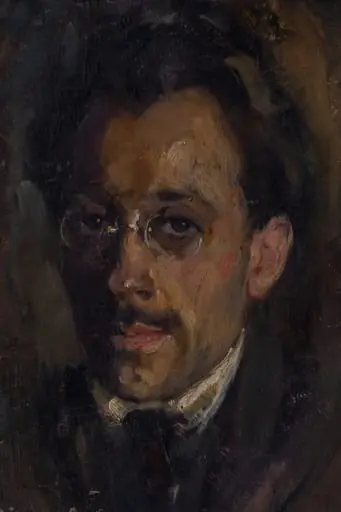
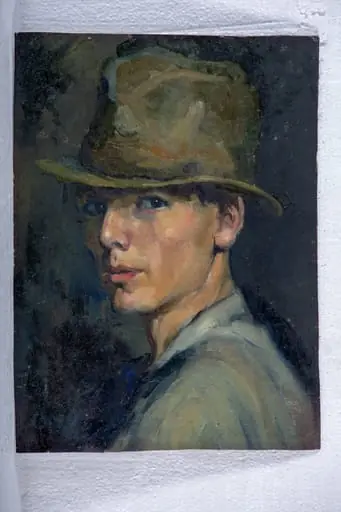
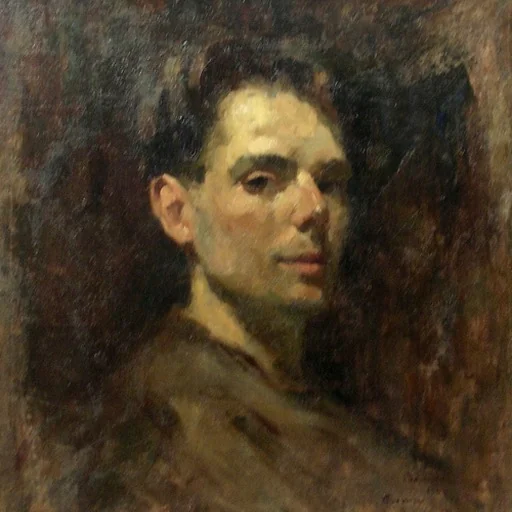
Aurel Băeșu (26 May 1896 – 24 August 1928) was a Romanian Impressionist landscape and portrait painter. Many of his works show the influence of Nicolae Grigorescu; an influence that was common among painters of his generation.