Artwork
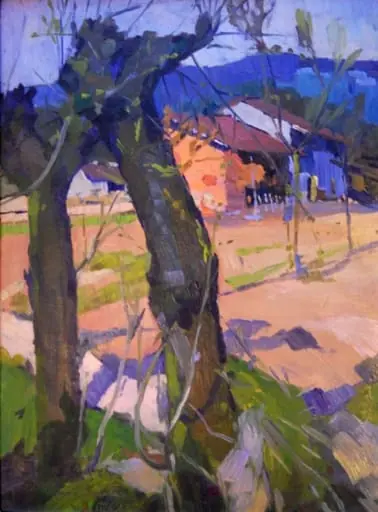
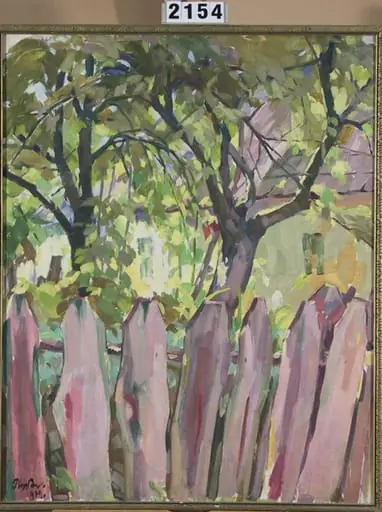
În dosul șurii
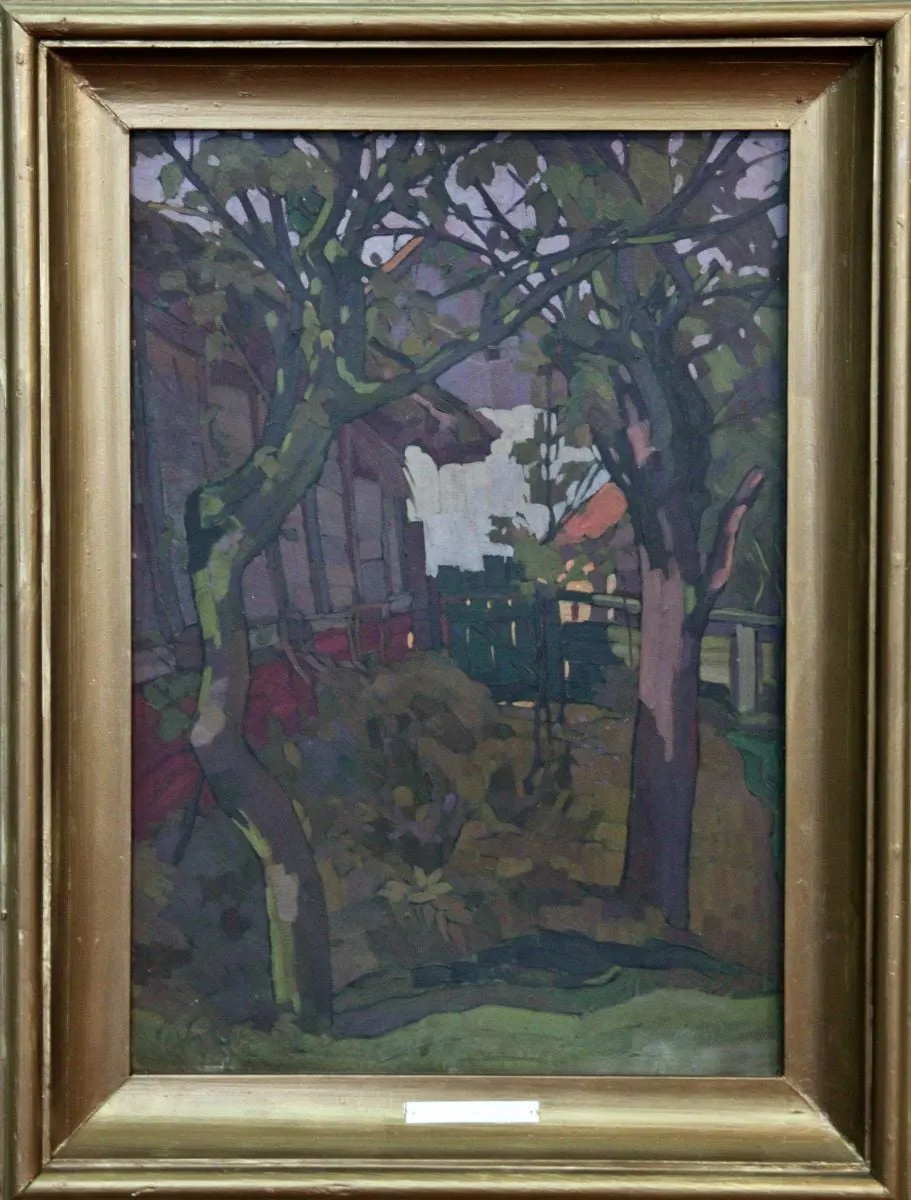
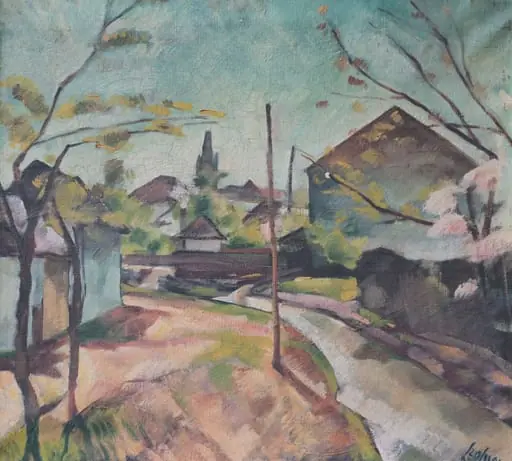
În dosul șurii is a print by Aurel Popp. It dates from 1926 and is held in the collection of the Satu Mare County Museum.
About this work
Overview
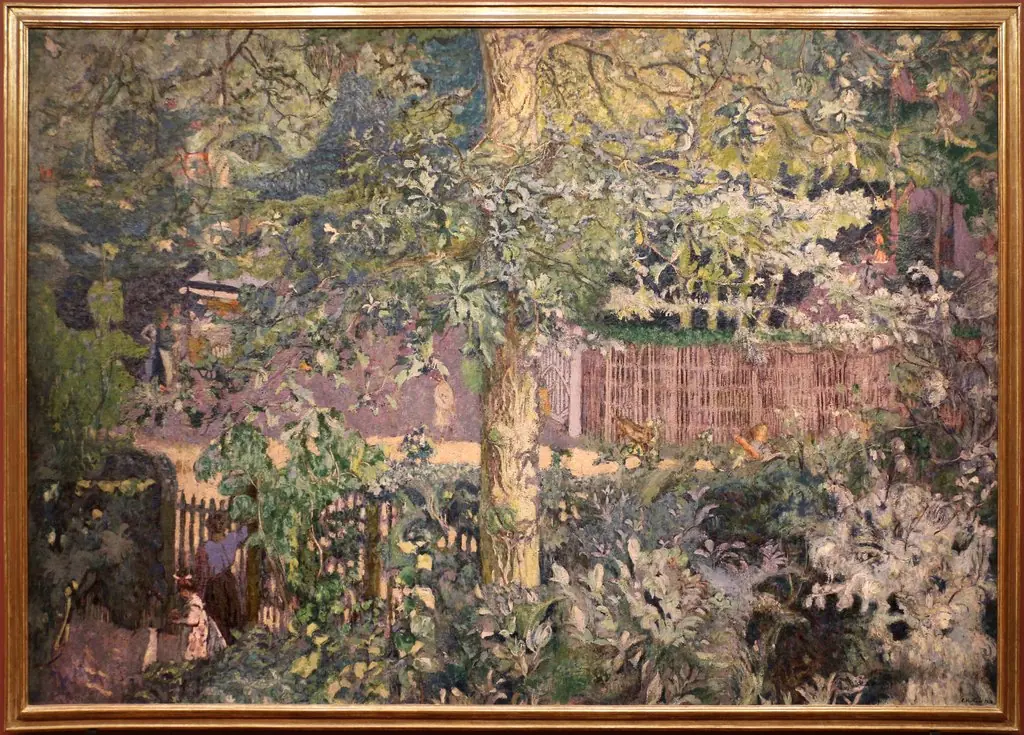
Aurel Popp painted În dosul șurii in 1926, capturing a secluded woodland interior with dense vegetation. The work is held in the collection of the Museum of Ethnography, reflecting its focus on natural environments as cultural and spiritual spaces. Its somber palette and vigorous brushwork distinguish it within early 20th-century Romanian landscape painting.
Subject & Meaning
The painting depicts an enclosed, shadowed forest clearing, evoking a sense of isolation and quiet mystery. The title, translating to 'Behind the Thicket,' implies a hidden or protected space, possibly referencing folk beliefs about nature as a realm of unseen forces. The absence of human figures reinforces an atmosphere of untouched wilderness.
Technique & Style
Popp employed thick, irregular brushstrokes to build texture and depth, emphasizing the chaotic growth of underbrush and bark. Deep greens, purples, and browns dominate, punctuated by sparse highlights of white and orange that suggest dappled light or distant firelight. The impasto technique gives the surface a tactile, almost sculptural quality.
History & Provenance
Created in 1926, the painting entered the Museum of Ethnography’s collection shortly after its completion. Its acquisition aligns with the museum’s early 20th-century mission to document Romania’s natural and rural heritage. No significant changes in ownership are recorded, suggesting continuous institutional stewardship.
Context
Popp worked during a period when Romanian artists increasingly turned to native landscapes as subjects, moving away from academic traditions. În dosul șurii reflects broader cultural interest in folklore and the spiritual significance of forests, resonating with nationalist sentiments and ethnographic studies of the time.
Legacy
The painting remains a representative example of Popp’s mature style and his engagement with Romania’s natural symbolism. While not widely reproduced, it contributes to scholarly understanding of how interwar artists interpreted wilderness as a site of cultural memory and quiet resilience.
Artist & collection