Artwork
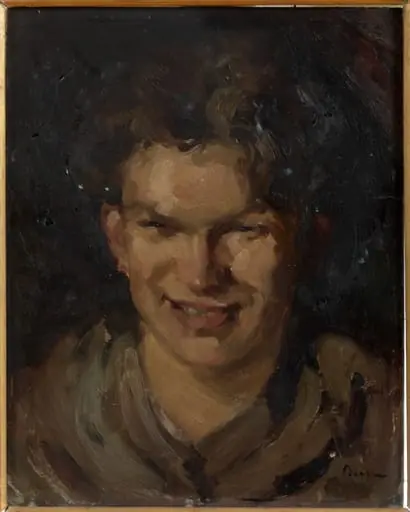
Portret de bărbat
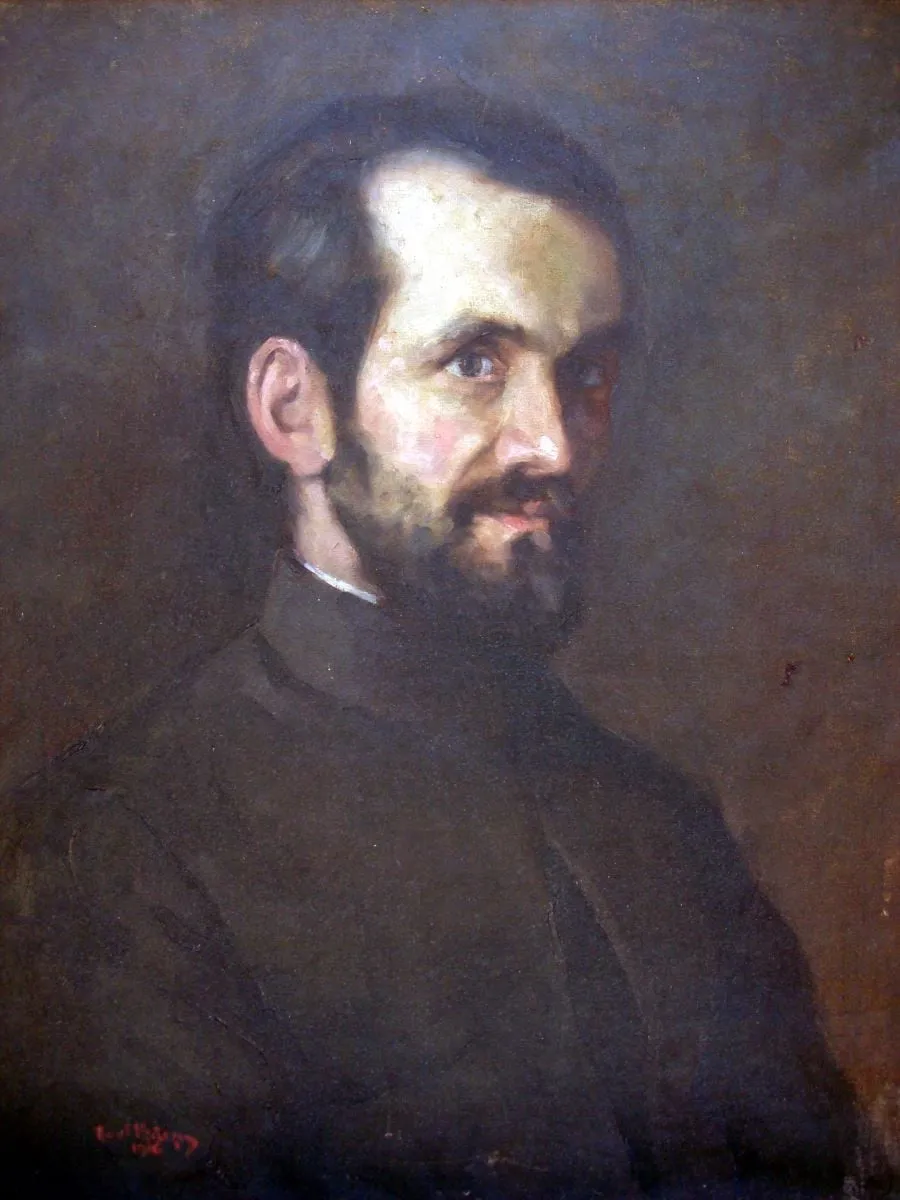
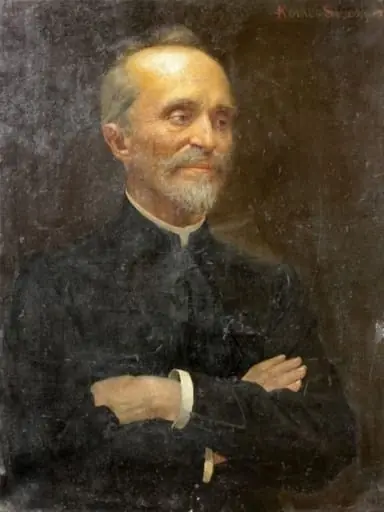
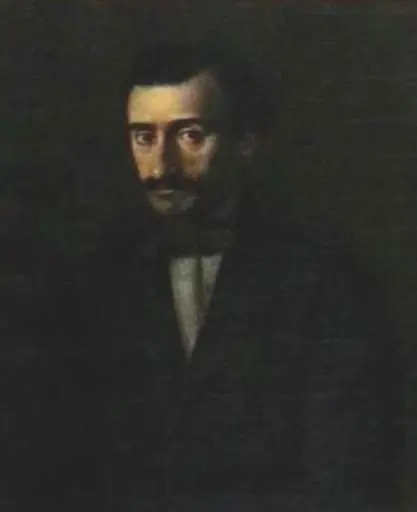
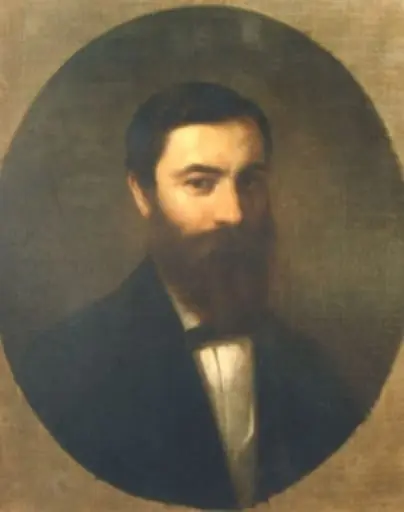
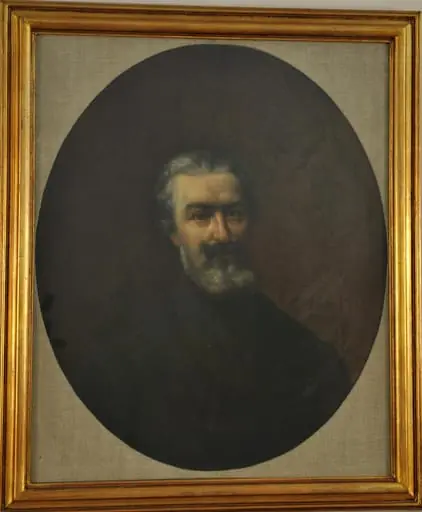
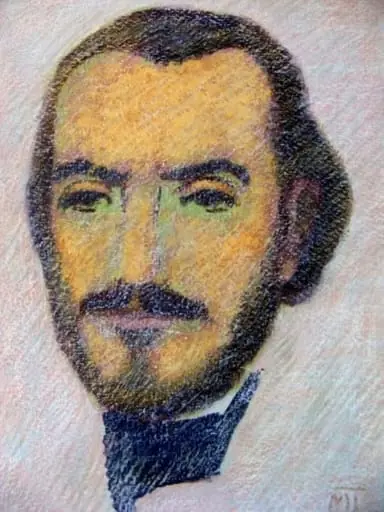
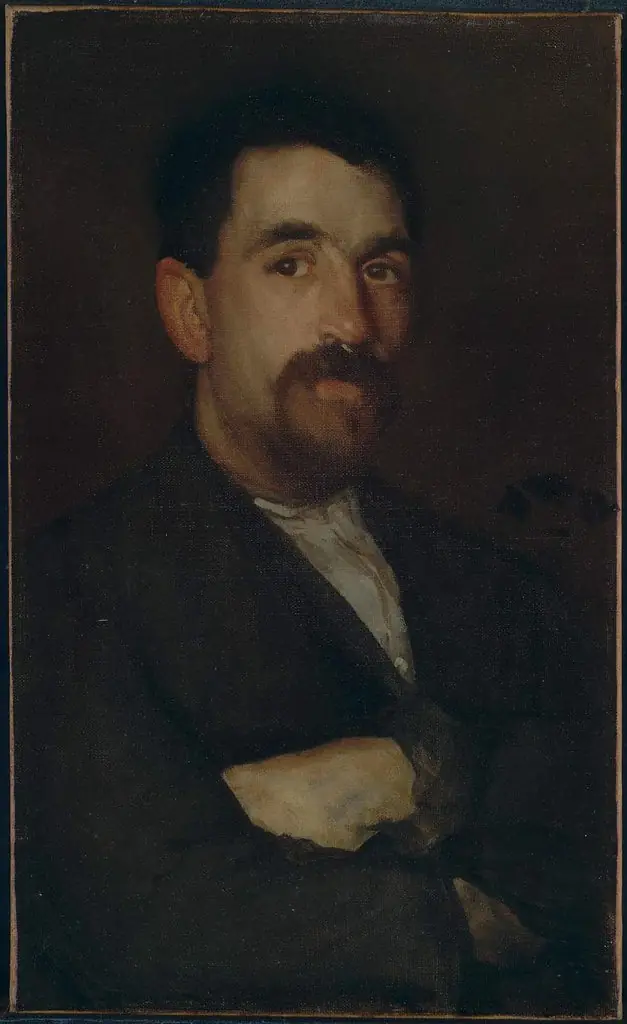
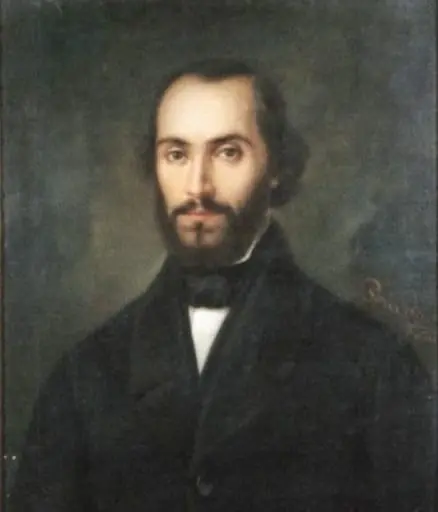
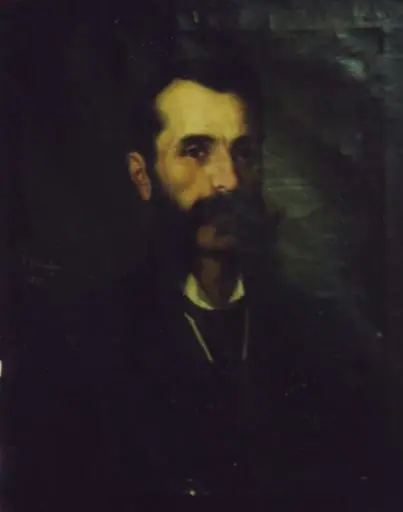
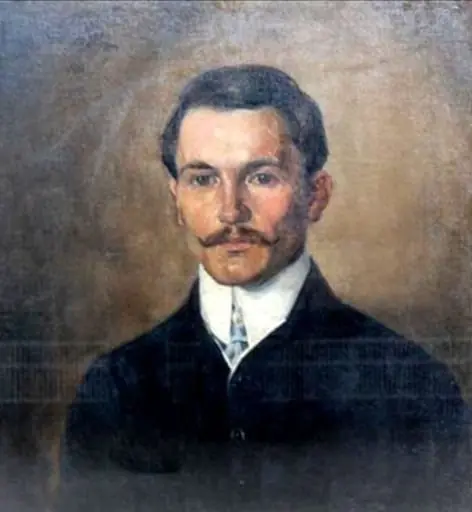
Portret de bărbat is a print by Aurel Băeșu. It dates from 1916 and is held in the collection of the Neamț National Museum Complex.
About this work
Overview
The piece resides in the Museum of Ethnography, where it contributes to a broader collection of cultural representation.
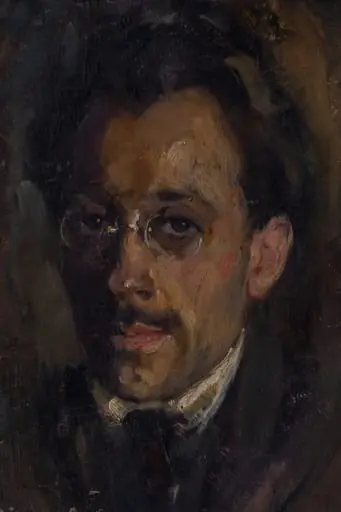
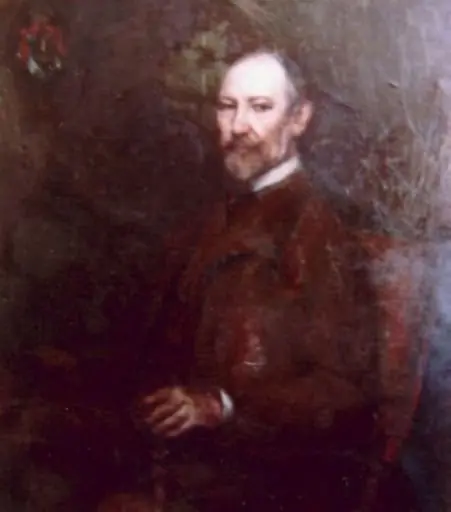
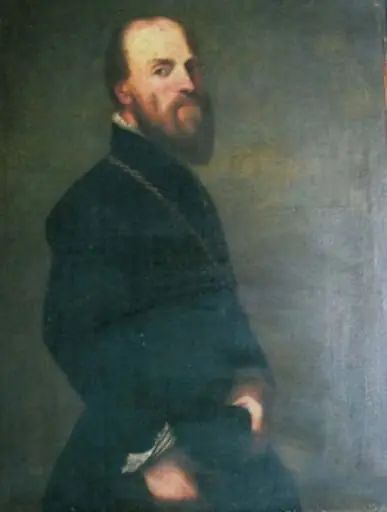
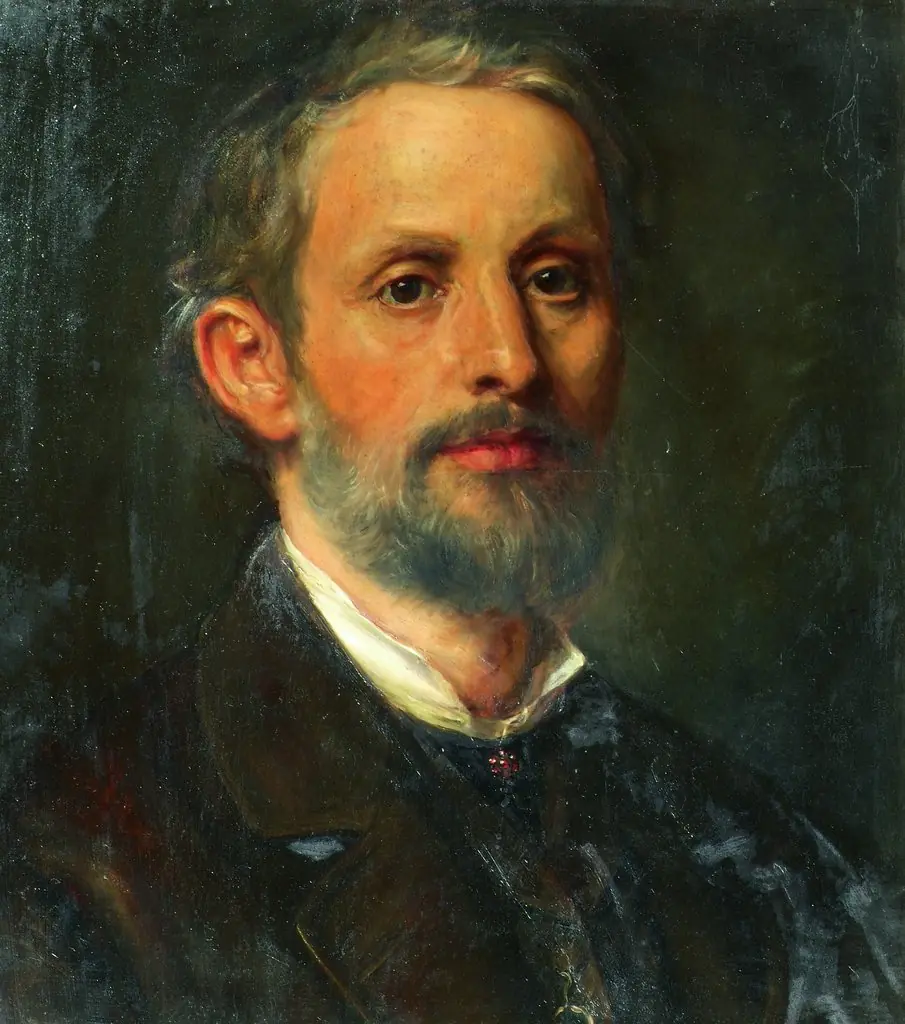
Painted in 1916 by Romanian artist Aurel Băeșu, this portrait depicts a man with quiet intensity. Executed in an Impressionist vein, the work emphasizes natural light and tactile brushwork over idealized detail. Though modest in scale and subject, it reflects Băeșu’s engagement with contemporary European painting trends while remaining rooted in Romanian artistic traditions. The piece resides in the Museum of Ethnography, where it contributes to a broader collection of cultural representation.
Subject & Meaning
The subject is a middle-aged man with a full beard and short dark hair, his gaze direct and composed. His simple attire—a high-collared shirt—suggests modest means, and the absence of contextual clues isolates him as a figure of quiet dignity. The serious expression and intimate framing invite contemplation rather than narrative, aligning the portrait with a tradition of psychological realism rather than social documentation.
Technique & Style
Băeșu employs thick, visible brushstrokes to model the man’s face and beard, creating a sense of texture and physical presence. The dark, unmodeled background enhances the contrast, drawing focus to the face through chiaroscuro. Light falls sharply across the forehead and cheekbones, deepening shadows under the jaw and eye sockets. This method, influenced by Grigorescu, prioritizes optical truth over polished finish, lending the image a raw, immediate quality.
History & Provenance
Created during World War I, the portrait was likely painted in Romania, where Băeșu remained active despite the turmoil. It entered the Museum of Ethnography’s collection in the 20th century, possibly as part of a broader effort to preserve domestic artistic output. Unlike many of his landscapes, this portrait was not widely exhibited, contributing to its relatively quiet place in the artist’s oeuvre.
Context
Băeșu worked within a generation shaped by Nicolae Grigorescu’s reforms in Romanian painting, which moved away from academic rigidity toward direct observation. While urban centers embraced modernism, artists like Băeșu retained a focus on rural and individual subjects. This portrait reflects a broader cultural interest in capturing authentic, unadorned human presence during a time of national redefinition.
Legacy
Though not among Băeșu’s most widely reproduced works, the portrait exemplifies his commitment to expressive realism. Its preservation in a museum dedicated to cultural heritage underscores its value as a document of everyday Romanian life in the early 20th century. The painting’s restrained technique and emotional gravity continue to inform interpretations of Romanian Impressionism beyond its more celebrated landscapes.
Artist & collection
Artist
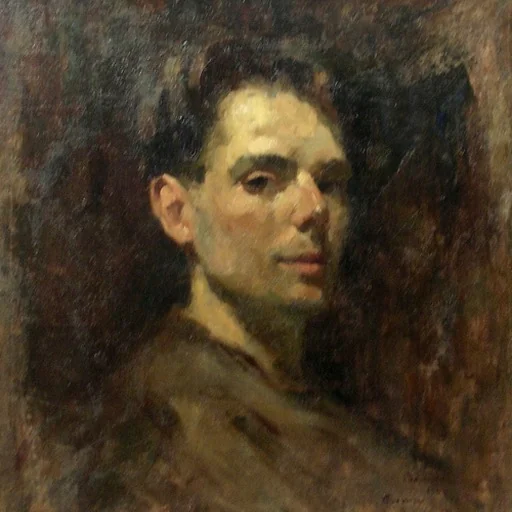
Aurel Băeșu (26 May 1896 – 24 August 1928) was a Romanian Impressionist landscape and portrait painter. Many of his works show the influence of Nicolae Grigorescu; an influence that was common among painters of his generation.