Artwork
Portret de bărbat
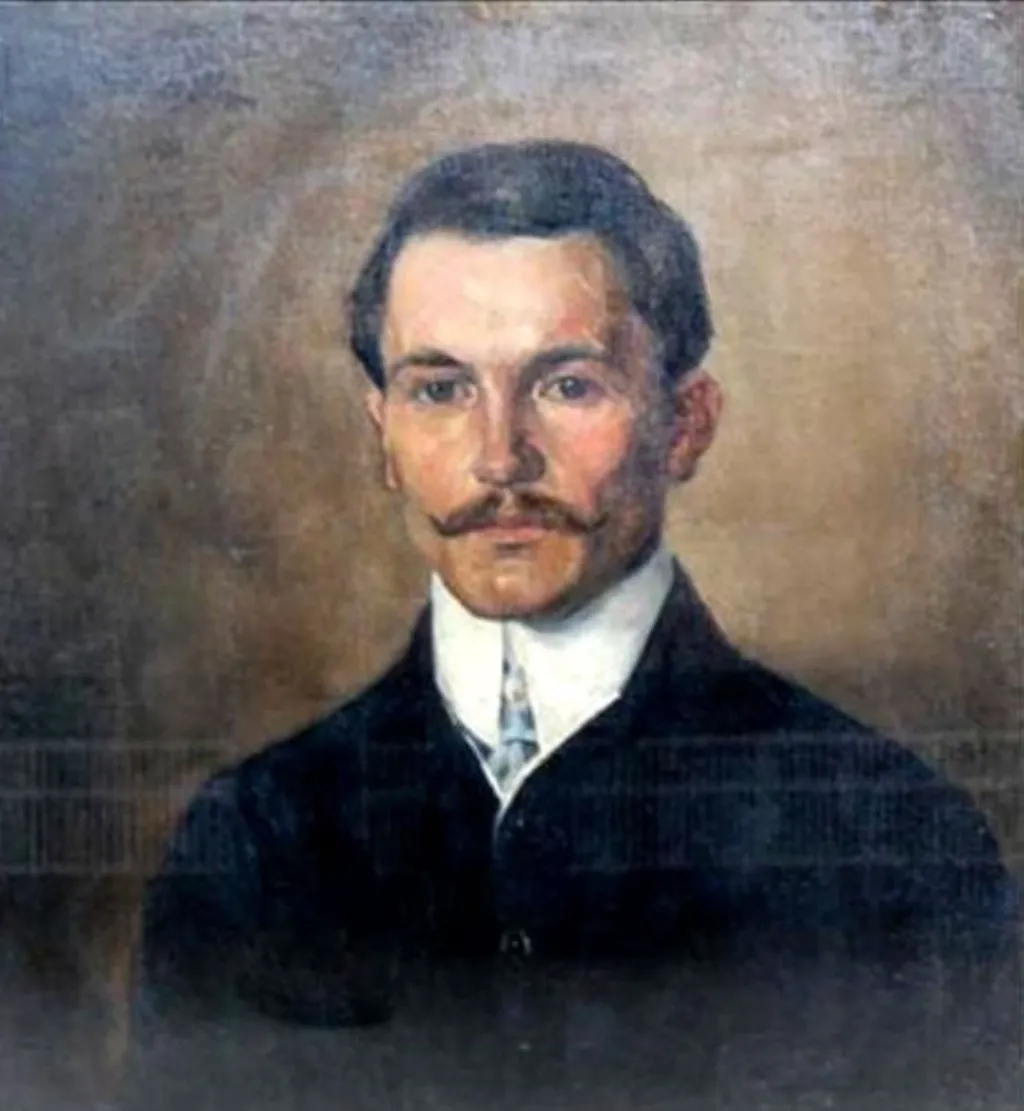
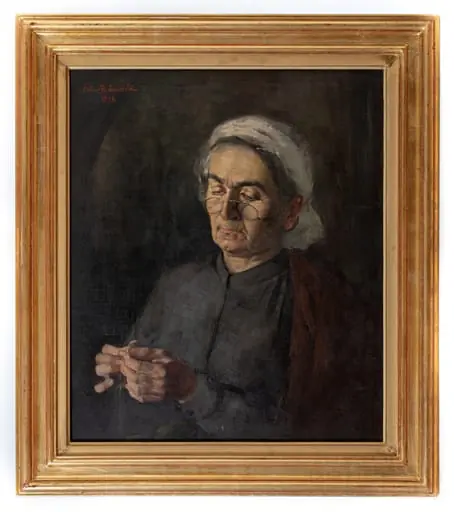
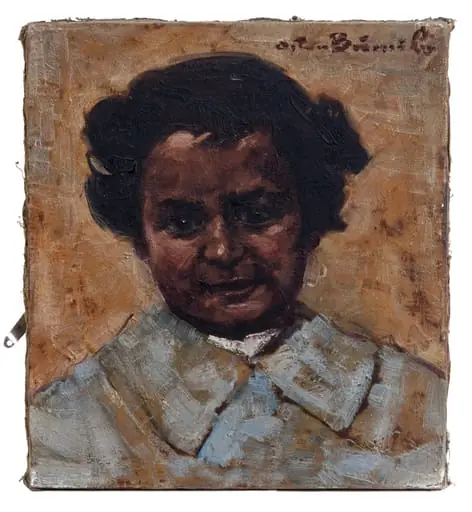
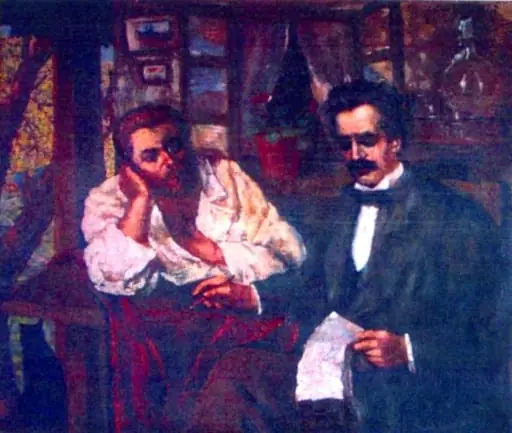
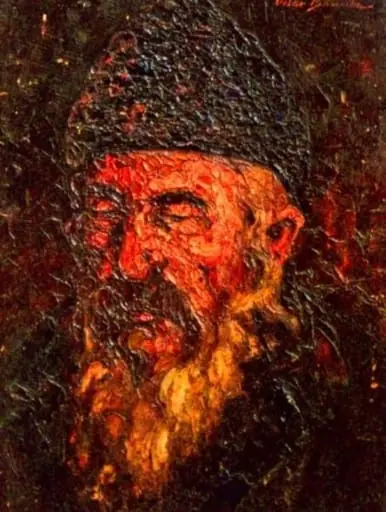
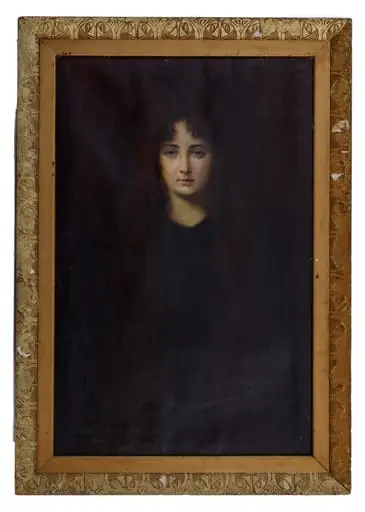
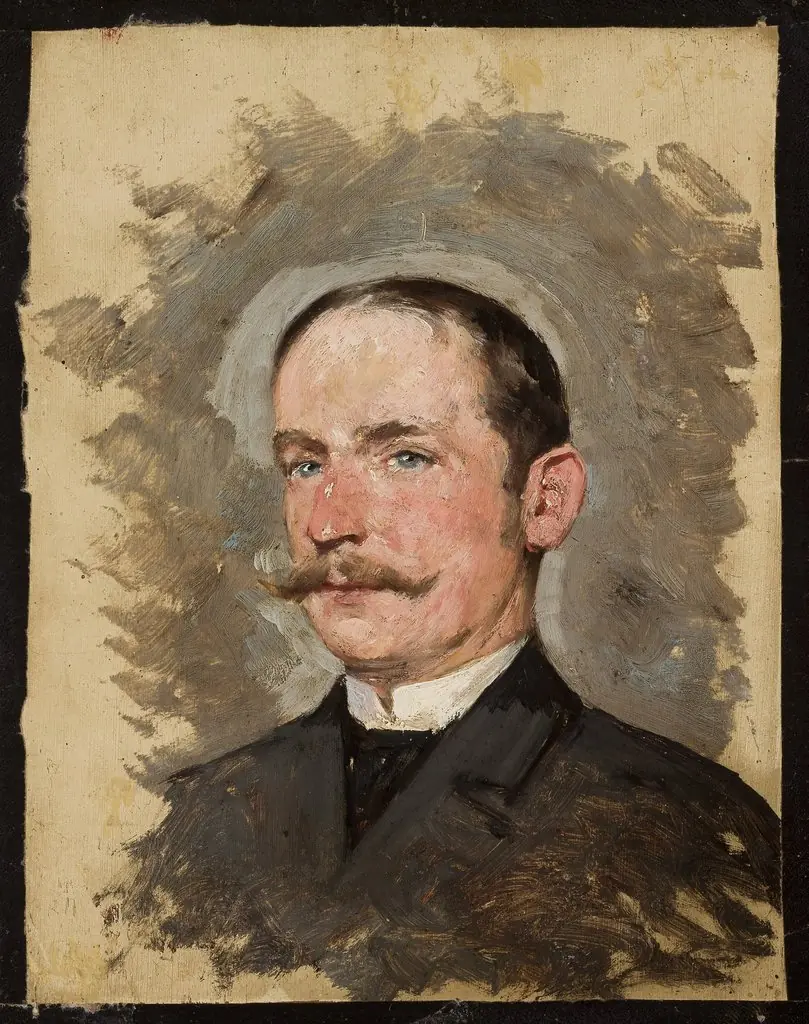
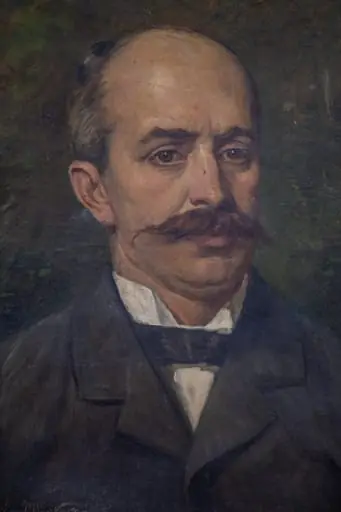
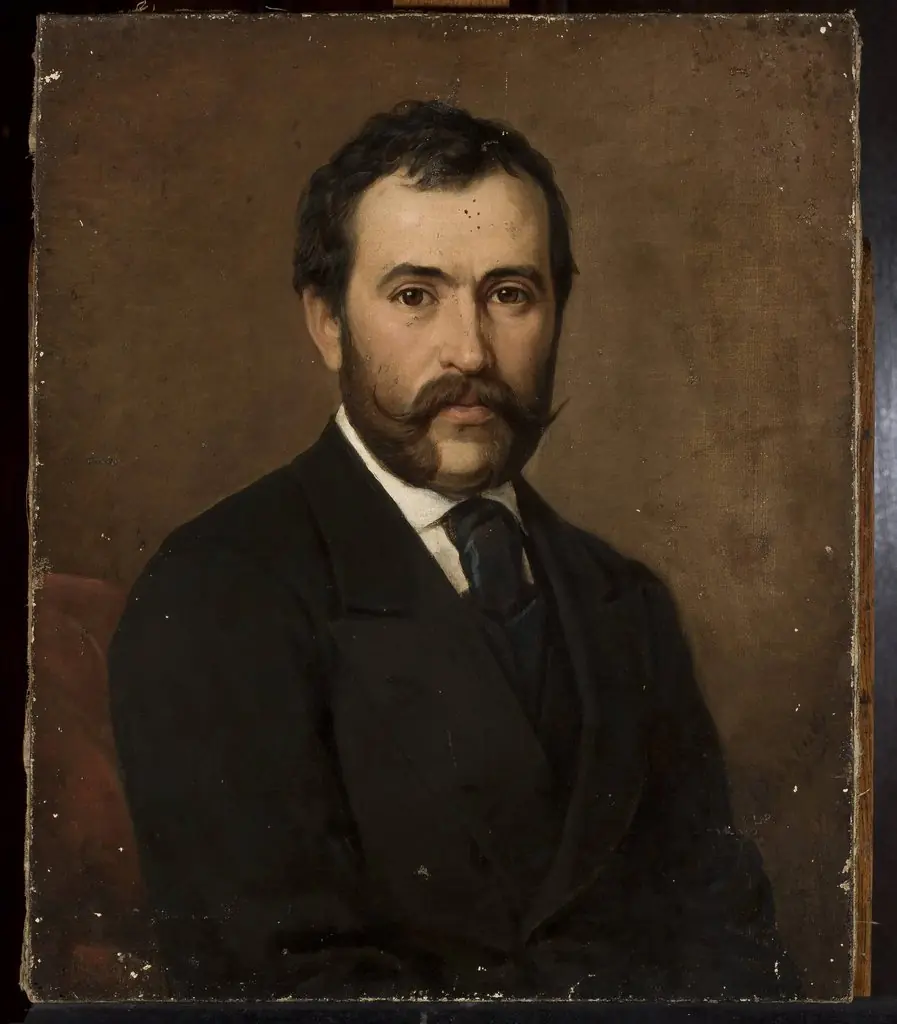
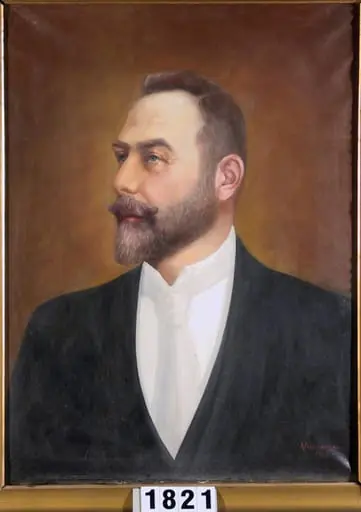
Portret de bărbat is an unspecified painting by Octav Băncilă. It dates from 1913 and is held in the collection of the Botoșani County Museum.
About this work
Overview
Painted in 1913 by Romanian artist Octav Băncilă, this portrait captures a man in quiet contemplation. The work is part of the Museum of Ethnography’s collection, where it is preserved as an example of early 20th-century Romanian portraiture. Its restrained palette and focused composition reflect a deliberate move away from theatricality toward psychological depth.
Subject & Meaning
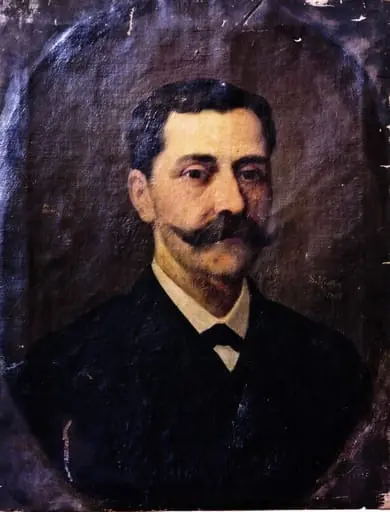
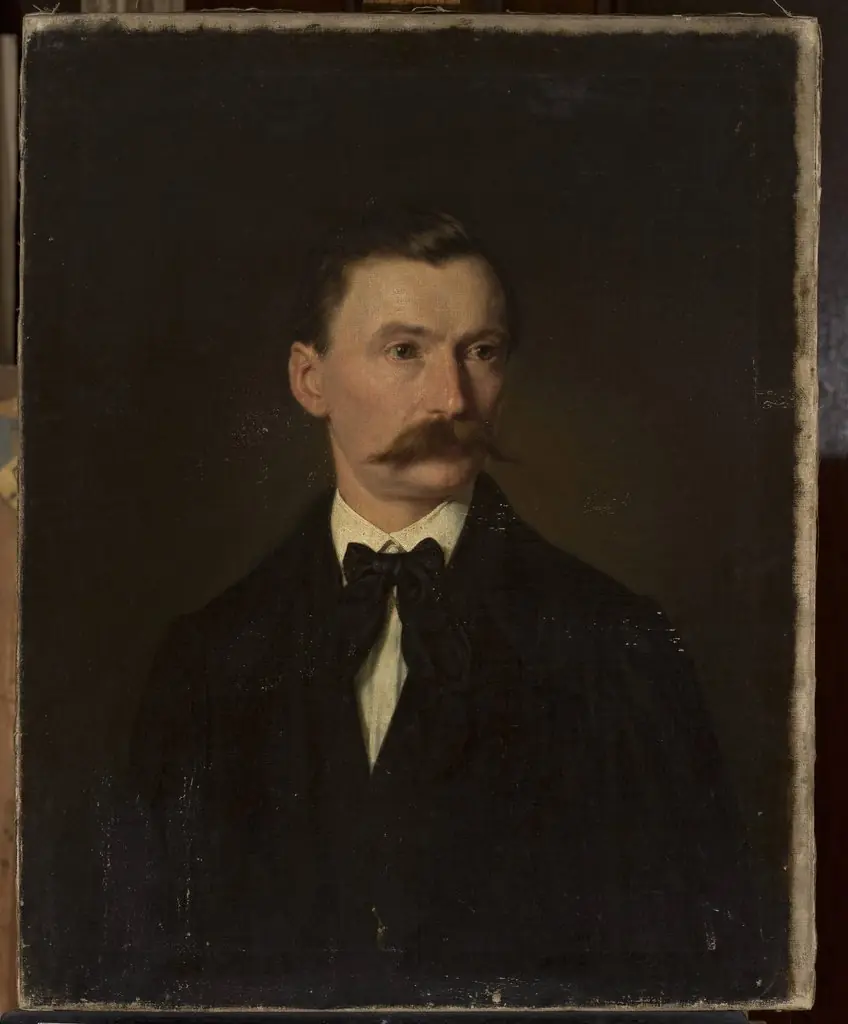
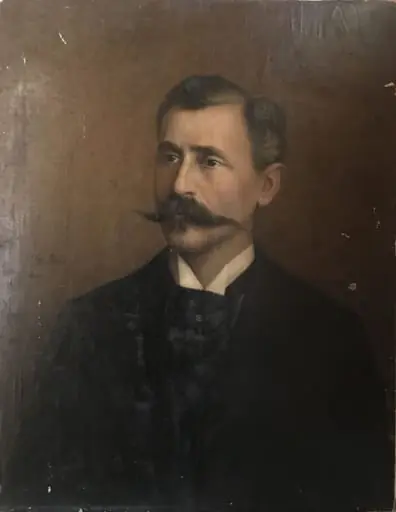
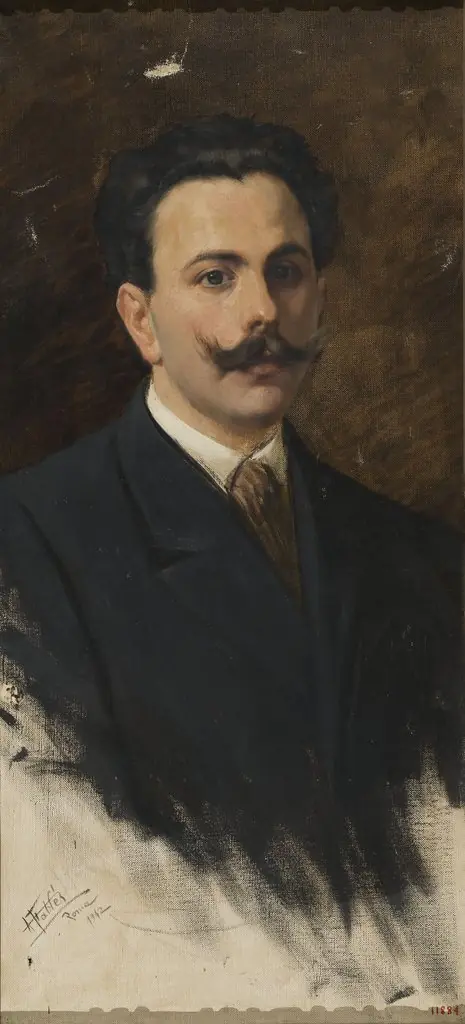
The sitter is depicted with dark hair, a neatly trimmed mustache, and a solemn gaze, suggesting an inward state rather than public performance.
The sitter is depicted with dark hair, a neatly trimmed mustache, and a solemn gaze, suggesting an inward state rather than public performance. His attire—a black jacket, white shirt, and light tie—hints at middle-class respectability, yet the absence of identifying symbols leaves his identity ambiguous. The painting invites interpretation as a study of quiet dignity rather than a record of social status.
Technique & Style
Băncilă employs muted tones and soft transitions to model the face and clothing, avoiding sharp outlines. The background, a uniform brown, recedes to isolate the figure, emphasizing texture in fabric and skin. Brushwork is controlled but not polished, allowing subtle imperfections to convey realism. Light falls evenly, eliminating dramatic shadows to sustain the portrait’s introspective mood.
History & Provenance
The painting entered the Museum of Ethnography’s holdings shortly after its creation, likely through direct acquisition or donation. Its preservation within an institution focused on cultural artifacts, rather than fine art, suggests its value was seen as ethnographic—as a representation of Romanian social types rather than purely aesthetic merit.
Context
Created during a period of national self-definition in Romania, the portrait aligns with broader artistic trends that sought to depict ordinary individuals with psychological nuance. While urban elites were often the subjects of academic portraiture, Băncilă’s focus on an unnamed man reflects a growing interest in the dignity of everyday life beyond aristocratic circles.
Legacy
Though not widely exhibited outside Romania, the portrait remains a quiet reference in studies of Băncilă’s oeuvre and early modern Romanian painting. Its endurance in a museum dedicated to cultural identity underscores its role as a document of personal and national character during a formative era.
Artist & collection

Artist
Octav Băncilă was a Romanian realist painter and left-wing activist. He was the brother of Sofia Nădejde, a feminist journalist, and the brother-in-law of Ioan Nădejde.