Artwork
Baronul Barbu Bellu
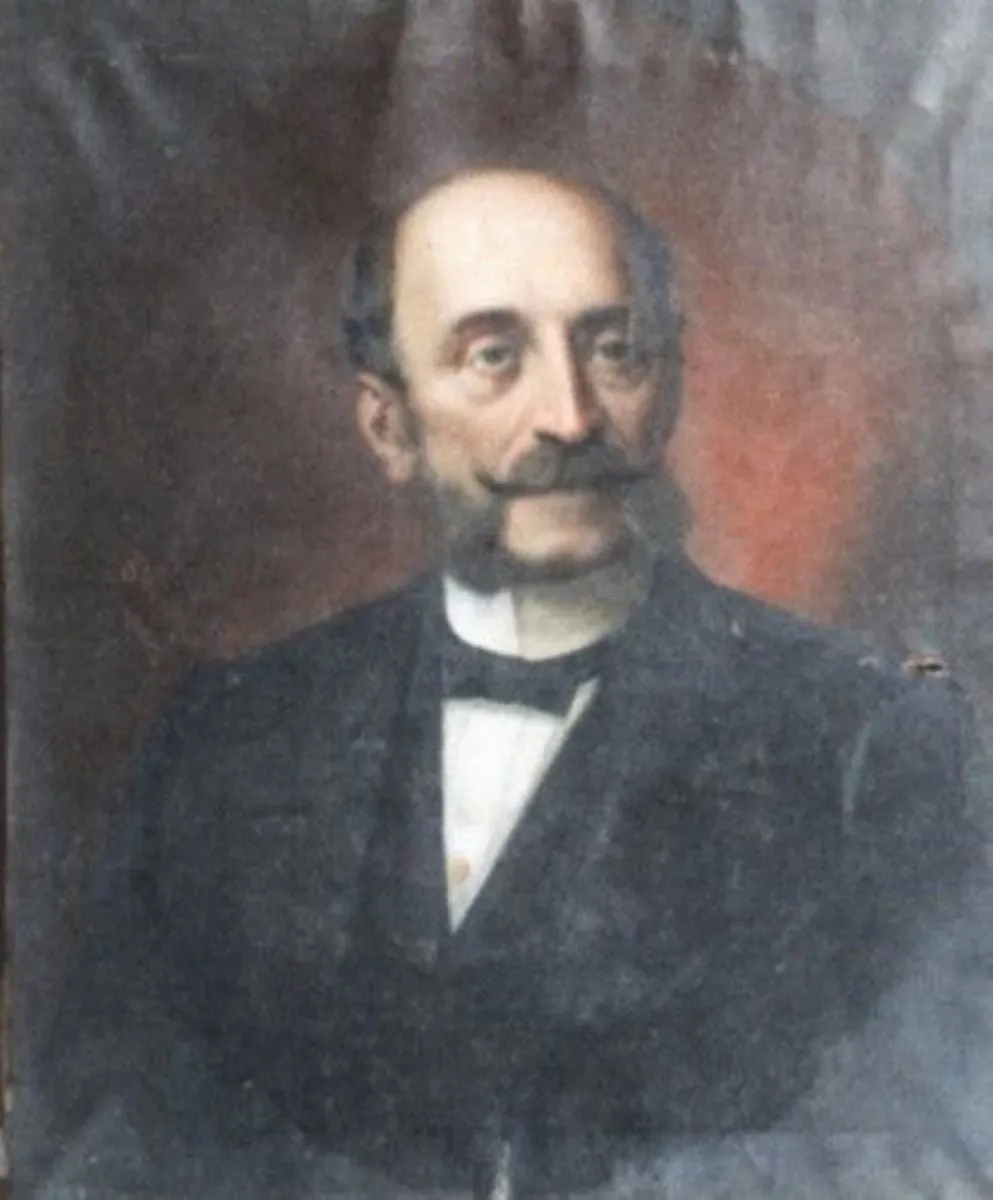
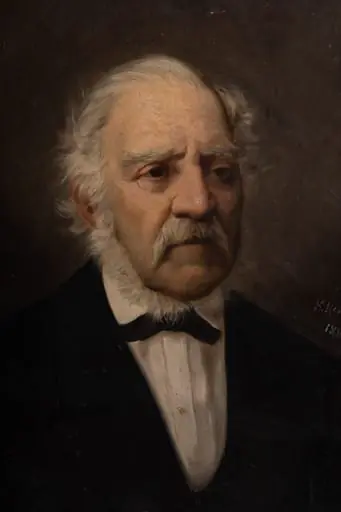
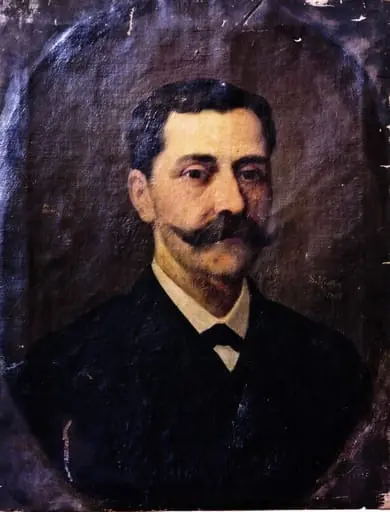
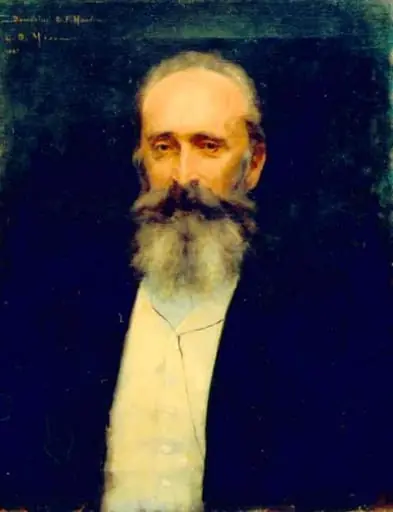
Baronul Barbu Bellu is an unspecified painting by the Impressionist artist Sava Henția. It dates from 1892 and is held in the collection of the National Museum of Art of Romania.
About this work
Overview
Sava Henția, an artist of Austrian birth who became active in Romanian cultural circles, painted Baronul Barbu Bellu in 1892. The work is a formal portrait that reflects Henția’s focus on depicting Romanian aristocracy during a period of national identity formation. His training in decorative arts informed his precise handling of texture and tone, evident in the portrait’s restrained elegance.
Subject & Meaning
The painting conveys dignity rather than personal emotion, aligning with the conventions of 19th-century portraiture meant to affirm social standing.
Barbu Bellu, a Romanian nobleman and public figure, is portrayed with solemn composure, his direct gaze establishing a quiet intensity. Dressed in a black suit and white bow tie, his attire signals social status and adherence to European aristocratic norms. The painting conveys dignity rather than personal emotion, aligning with the conventions of 19th-century portraiture meant to affirm social standing.
Technique & Style
Henția employed a realistic approach with careful attention to fabric texture and facial detail. The dark red background isolates the figure, enhancing the contrast of his pale skin and crisp white shirt. Brushwork is controlled and smooth, avoiding overt expressionism. The lighting is even, emphasizing form over drama, reflecting a preference for clarity and restraint characteristic of his academic training.
History & Provenance
The painting was completed in 1892, during Henția’s most active period in Romania. It remained within private Romanian collections for much of the 20th century, with no public exhibition record until later scholarly interest in late Ottoman-era Romanian portraiture. Its current location is held in a national cultural institution, though its exact acquisition history remains partially undocumented.
Context
In late 19th-century Romania, portraiture served as a tool for affirming elite identity amid modernization. Henția, trained in Vienna, bridged Central European techniques with local subjects. His work contributed to a visual language that linked Romanian nobility to broader European traditions, even as the country sought to define its own cultural autonomy after independence.
Legacy
Henția’s portraits, including this one, are recognized for their role in documenting Romania’s aristocratic class during a transitional era. While not widely exhibited today, the painting remains a reference point for studies on Romanian visual culture and the influence of imperial artistic training on national identity. It exemplifies the quiet, formal portraiture favored by the educated elite before the rise of modernist movements.
Artist & collection
Artist
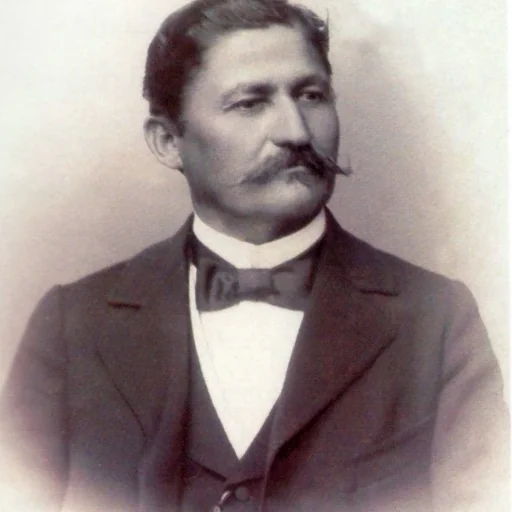
Sava Henția (1 February 1848, Sebeșel - 21 February 1904, Sebeșel) was an Imperial Austrian-born Romanian painter, decorator and illustrator.