Artwork
Capriccio with Antique Ruins
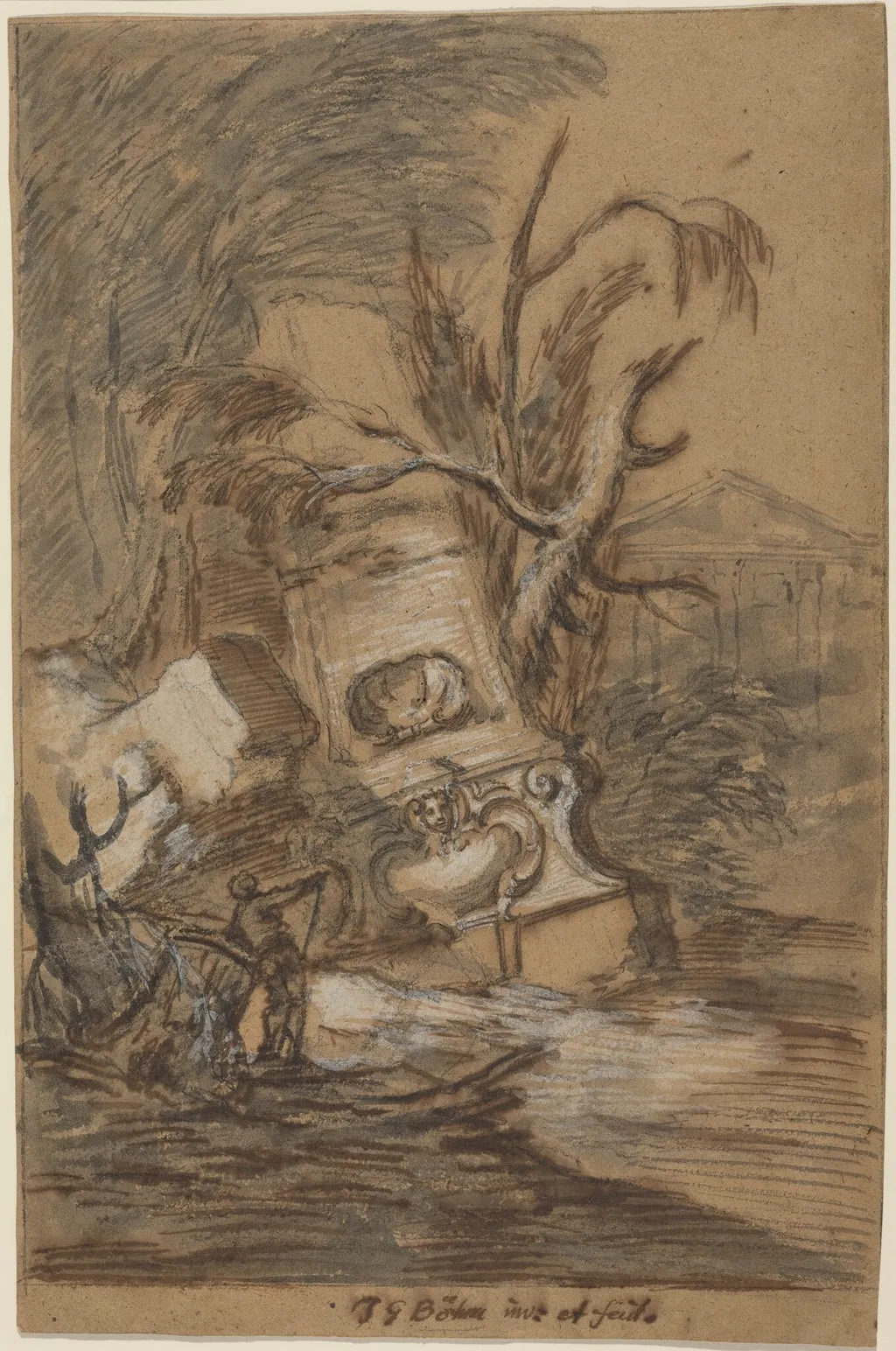
Capriccio with Antique Ruins is an ink drawing by the Baroque artist Johann George Böhm. It is held in the collection of the National Gallery of Art.
About this work
Overview
The work belongs to the capriccio tradition, where architectural elements from different eras and locations are recombined into a harmonious, fictional scene.
Created around 1734 by Johann George Böhm, this drawing combines pen, ink, wash, and chalk on brown paper to evoke an imagined classical landscape. The work belongs to the capriccio tradition, where architectural elements from different eras and locations are recombined into a harmonious, fictional scene. The use of heightened white accents and subtle tonal gradations enhances the atmospheric depth without overt drama.
Subject & Meaning
The composition centers on a monumental stone structure with a curved staircase and arched entrance, surrounded by overgrown vegetation and a reflective pool. These elements suggest the passage of time and the quiet decay of antiquity. The scene is not a record of any real site but a poetic meditation on ruins, evoking contemplation rather than historical accuracy. The stillness of the water and the soft light imply a tranquil, timeless realm.
Technique & Style
Böhm employed black chalk for initial contours, layered with pen and brown ink for definition, then applied gray washes to model form and shadow. White heightening adds luminosity to architectural edges and reflections in the water. The brushwork is controlled yet fluid, balancing precision in the ruins with loose, naturalistic foliage. The paper’s warm tone unifies the tonal range, reinforcing the muted, earthy mood of the scene.
History & Provenance
The drawing is attributed to Johann George Böhm, an Austrian artist active in the early 18th century, known for topographical and imaginative landscapes. While its early ownership is undocumented, it entered a major collection by the 19th century. Its survival in good condition reflects its value as a refined example of German-speaking draftsmanship, though it was never widely reproduced or exhibited during Böhm’s lifetime.
Context
Böhm worked within a Central European tradition that blended topographical study with imaginative reconstruction, influenced by Italian capricci and Northern European vedute. His work responded to a growing antiquarian interest in classical ruins, yet avoided the theatricality of later Romantic treatments. This drawing reflects a quieter, more introspective approach, aligning with scholarly tastes in Vienna and southern Germany during the early Baroque transition.
Legacy
Though not widely known outside specialist circles, Böhm’s drawings contributed to the development of the capriccio genre in Central Europe. His restrained use of light and emphasis on atmospheric harmony influenced later 18th-century draftsmen who sought to reconcile observation with invention. The work remains a quiet testament to the period’s nuanced engagement with antiquity—not as spectacle, but as a contemplative presence.
Artist & collection


 Landscape (after Paul Bril)
 Architectural Fantasy of Roman Ruins with an Inscription Plaque
 Grottesco with the Tomb of Nero
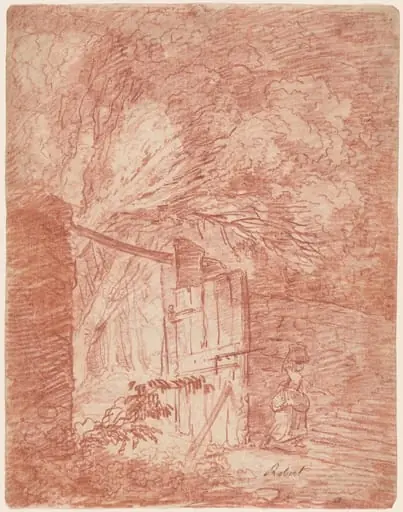 The Garden Gate
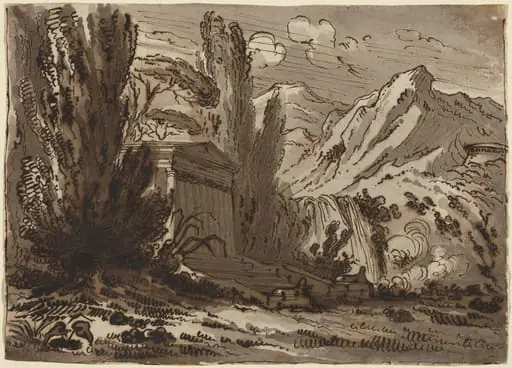 Mountainous Landscape with Classical Temple
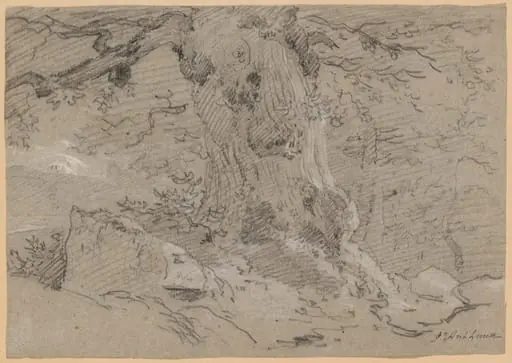 Study of Old Tree Trunk
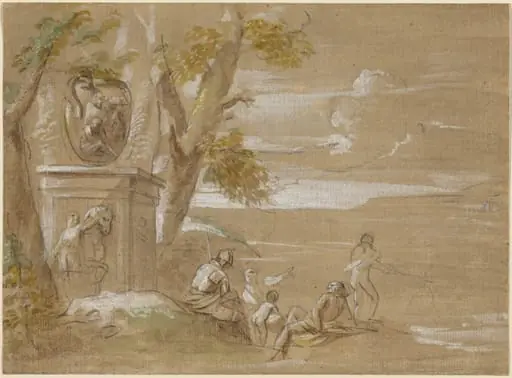 A Landscape with Seated Soldiers and Fishermen
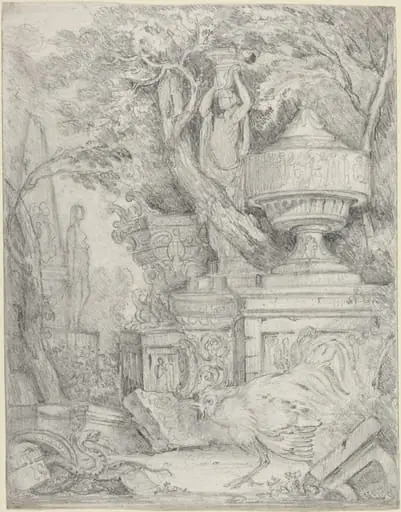 Ancient Sculptures with a Cock Fighting a Snake
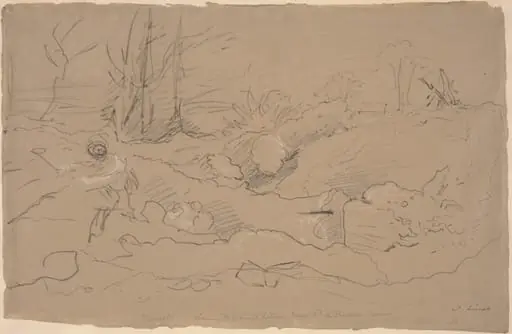 Bayswater, Clearing the Ground between Queen's Road and Porchester Terrace
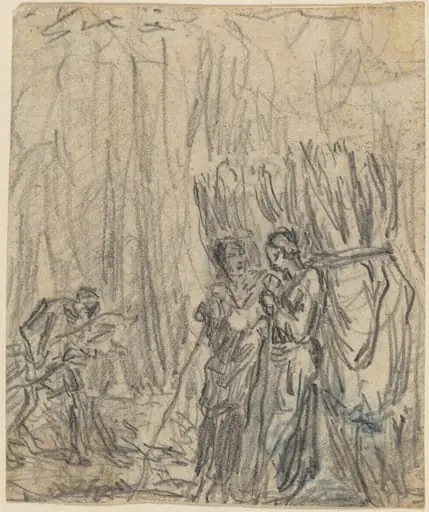 Gleaners
![A Stand of Trees [recto], by John Varley](https://artifactworldgallery.com/img/john-varley--a-stand-of-trees-recto--88424b951e70bc89-w320.webp) A Stand of Trees [recto]
A Stand of Trees [recto]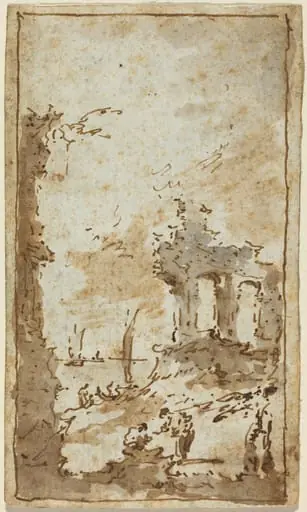 A Capriccio of Ruins by the Lagoon