Artwork
Femei pe câmp
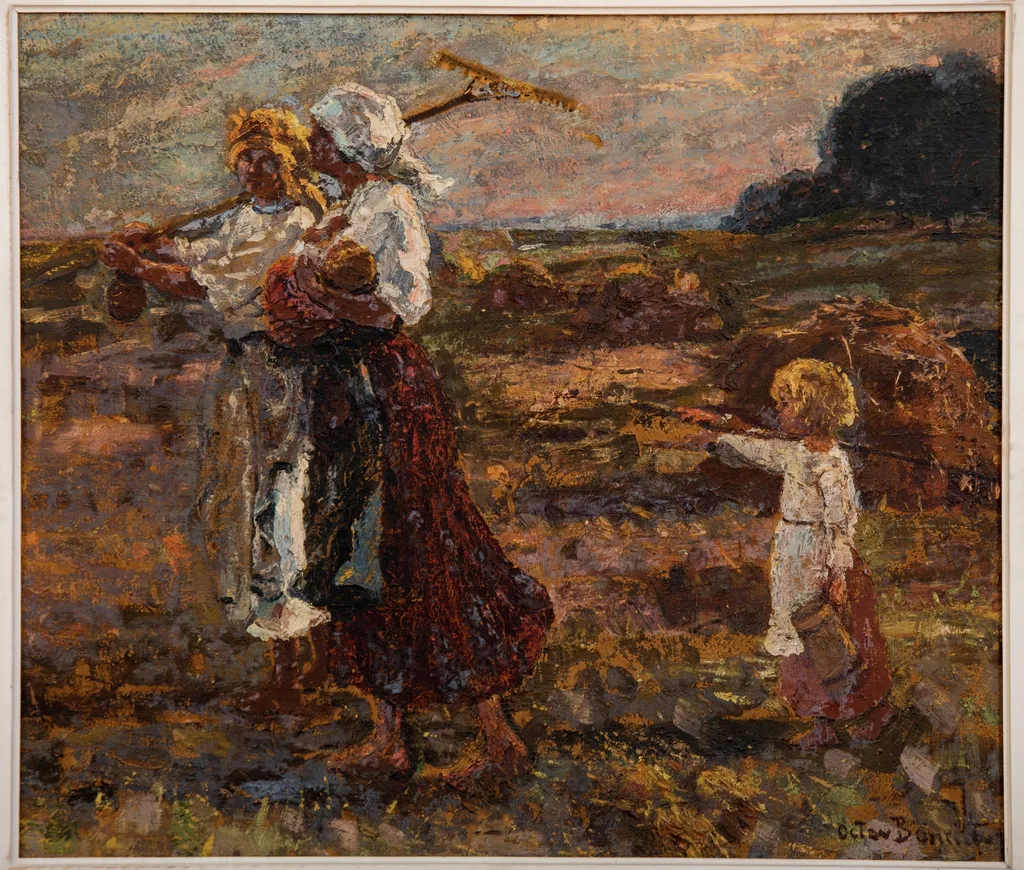
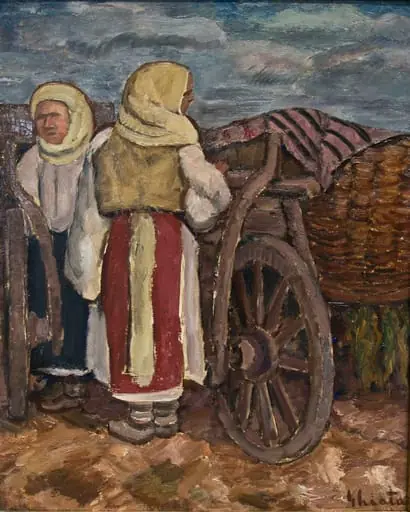
Femei pe câmp is a print by Octav Băncilă. It dates from 1850 and is held in the collection of the Moldova National Museum Complex.
About this work
Overview
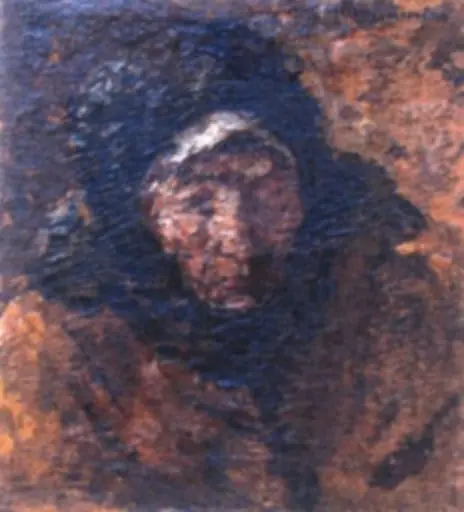
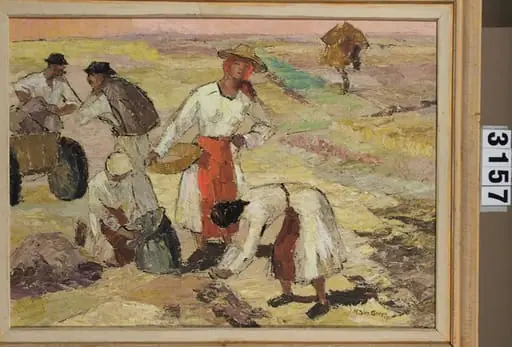
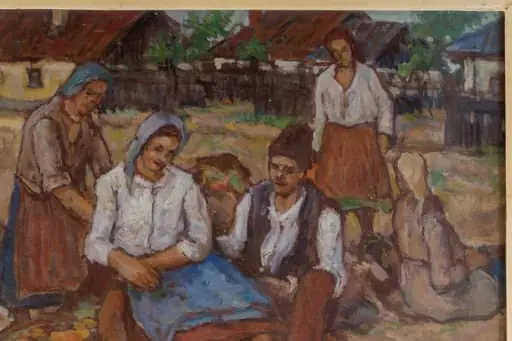
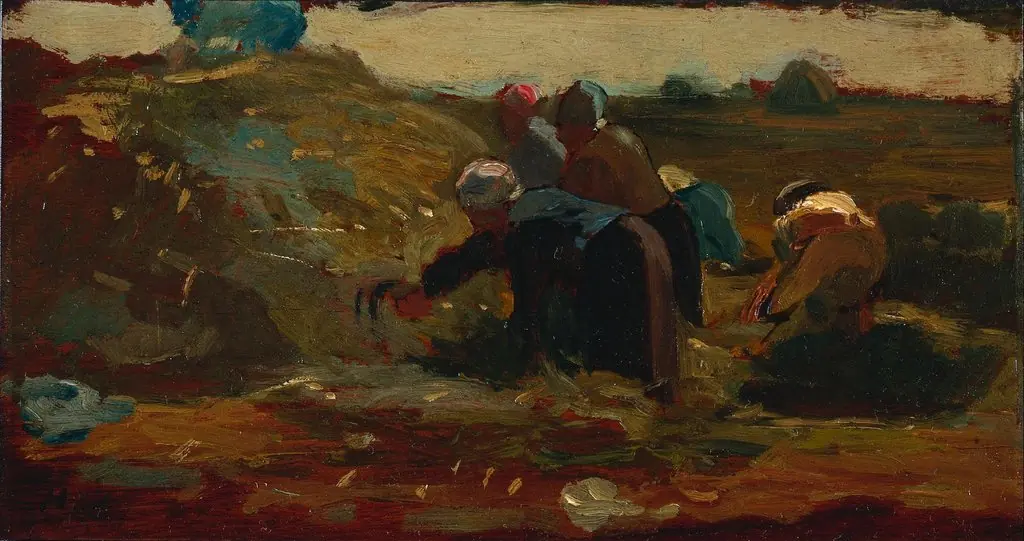
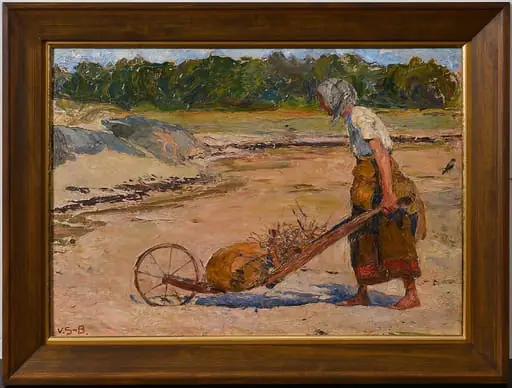
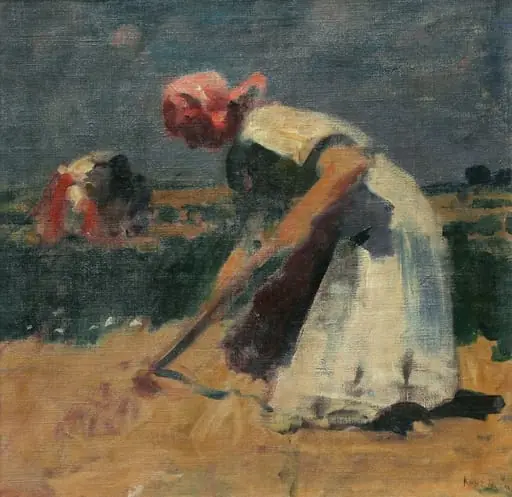
Femei pe câmp is an oil painting attributed to Octav Băncilă, dated around 1850. It depicts two female figures positioned within an open, rural landscape. The composition avoids idealized forms, instead emphasizing raw, unpolished presence. The figures emerge from a terrain rendered with visible, heavy brushwork, suggesting a focus on atmosphere over detail.
Subject & Meaning
The two women stand quietly in a field, their postures and attire suggesting everyday labor or rest. Their forms are not dramatized; they appear absorbed in their surroundings. The lack of narrative clarity invites interpretation as a meditation on rural life, where human presence merges with the land rather than dominates it.
Technique & Style
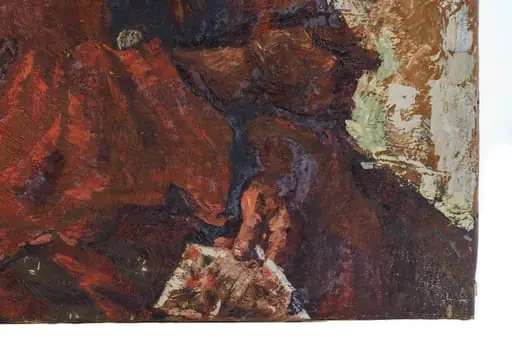
Băncilă employed thick, irregular brushstrokes, applying paint with a tactile, almost sculptural quality. Colors blend directly on the canvas without sharp contours, dissolving boundaries between figures and earth. The impasto technique gives surface texture, reinforcing the painting’s sense of immediacy and physicality over polished finish.
History & Provenance
The painting’s early ownership is undocumented, and its survival through the 19th century remains unclear. It is now held in a Romanian public collection, though its path from creation to institutional care is not fully traced. Its attribution to Băncilă is based on stylistic comparison with his other known works.
Context
Created during a period of growing interest in peasant life across Eastern Europe, the work aligns with emerging realist tendencies that rejected academic idealism. While not part of a formal movement, its unembellished depiction of rural figures reflects broader cultural shifts toward observing ordinary existence with sincerity.
Legacy
Femei pe câmp is recognized as an early example of Romanian painting that prioritizes emotional tone over technical refinement. Its raw execution influenced later generations seeking to express national identity through unvarnished depictions of the land and its people, though it remains less studied than contemporaneous Western works.
Own this work as a print
Artist & collection

Artist
Octav Băncilă was a Romanian realist painter and left-wing activist. He was the brother of Sofia Nădejde, a feminist journalist, and the brother-in-law of Ioan Nădejde.