Artwork
Bătrân
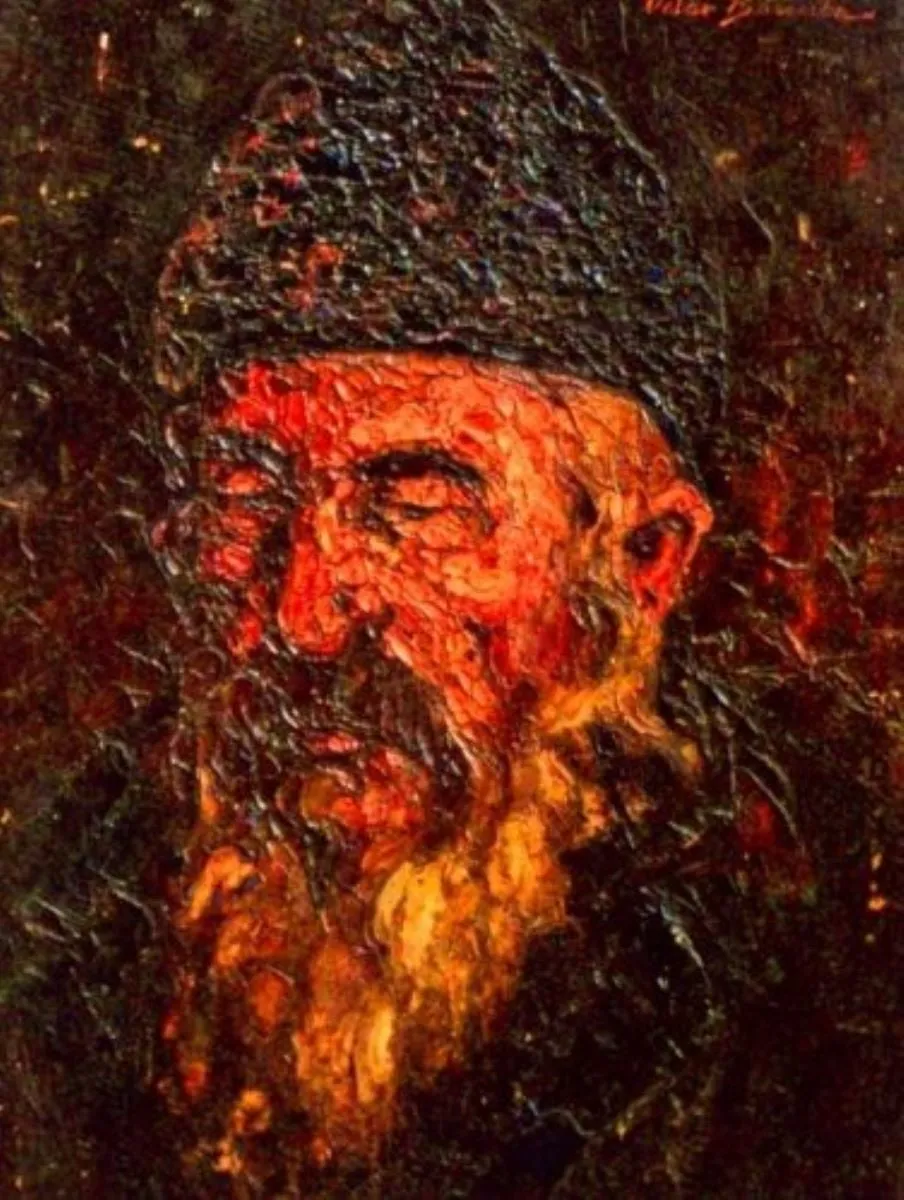
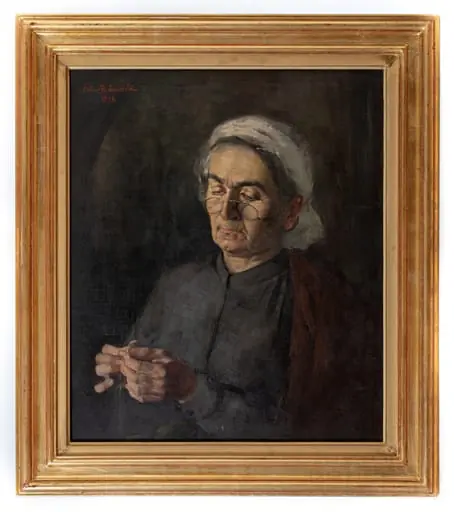
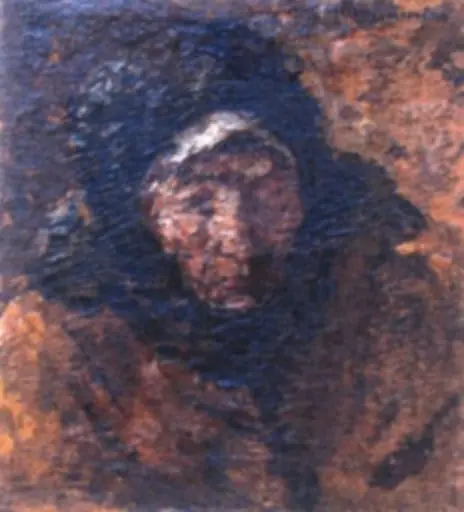
Bătrân is an unspecified painting by the Romanesque artist Octav Băncilă. It dates from 1918 and is held in the collection of the Argeș County Museum.
About this work
Overview
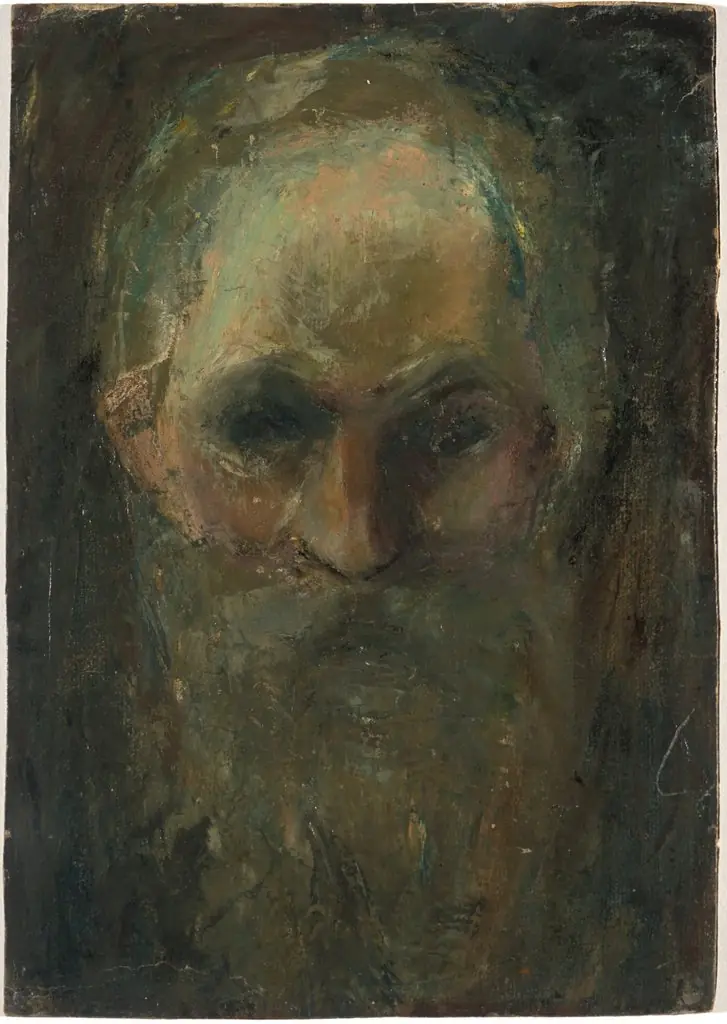
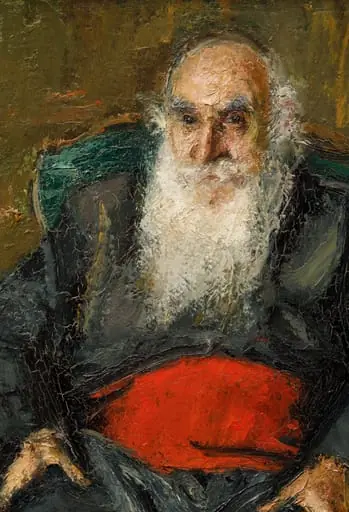
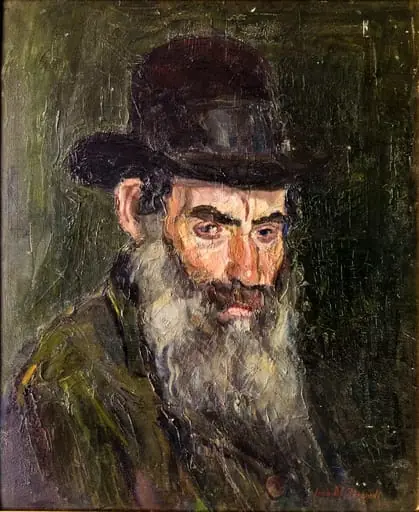
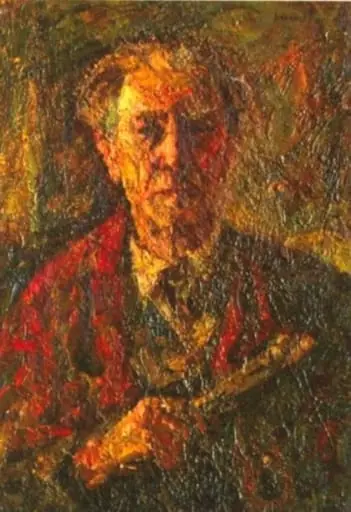
Painted around 1918 by Romanian artist Octav Băncilă, this portrait depicts an elderly man with a long white beard. The composition is tightly focused on the subject’s face and upper torso, set against a dark, uneven background. The figure confronts the viewer with direct eye contact, creating an intimate and unflinching presence. The work is executed in oil with a pronounced tactile quality.
Subject & Meaning
The subject is an aging man, his weathered face rendered with quiet dignity. His gaze is steady and unyielding, suggesting resilience or introspection. The absence of contextual details—no clothing markers, no setting—shifts focus entirely to the human presence. The painting conveys a sense of endurance, not through grandeur but through the quiet weight of lived experience.
Technique & Style
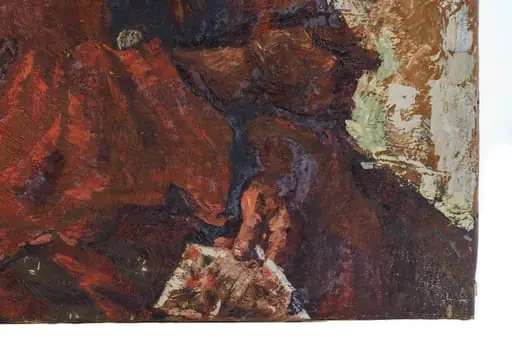
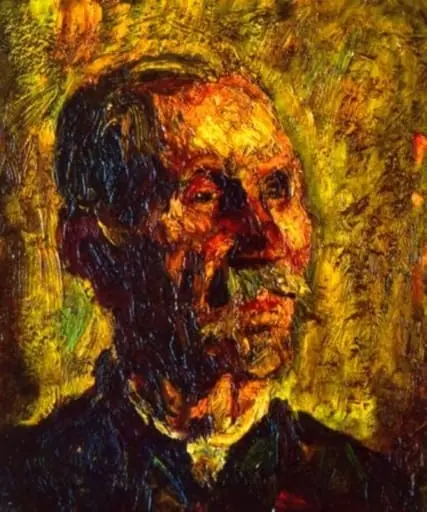
Băncilă employed impasto to build thick, layered strokes across the man’s face and hat, creating a sculptural surface that catches light unevenly. Warm tones of ochre, crimson, and burnt sienna define the skin, contrasting with the cool, shadowed background. The visible brushwork imparts urgency and physicality, rejecting smooth finish in favor of raw, expressive texture.
History & Provenance
Its documented history is limited, but its stylistic alignment with early 20th-century Romanian realism anchors it within a broader national artistic movement.
Created during a period of social upheaval in Romania, the painting reflects Băncilă’s interest in rural life and marginalized figures. It remained in private collections after its completion and was later acquired by a public institution in Bucharest. Its documented history is limited, but its stylistic alignment with early 20th-century Romanian realism anchors it within a broader national artistic movement.
Context
In the years following World War I, Romanian artists increasingly turned to portraiture as a means of capturing the dignity of ordinary people. Băncilă, influenced by both academic training and emerging modernist tendencies, used this work to bridge traditional subject matter with expressive technique. The painting stands apart from idealized depictions, favoring psychological depth over romanticism.
Legacy
Though not widely exhibited outside Romania, Băncilă’s 'Bătrân' is recognized for its unembellished humanity and technical boldness. It contributes to a corpus of interwar Romanian art that prioritized emotional authenticity over aesthetic polish. The work continues to be studied for its fusion of realism and expressive brushwork, influencing later generations of local painters.
Artist & collection

Artist
Octav Băncilă was a Romanian realist painter and left-wing activist. He was the brother of Sofia Nădejde, a feminist journalist, and the brother-in-law of Ioan Nădejde.