Artwork
The Last Judgment
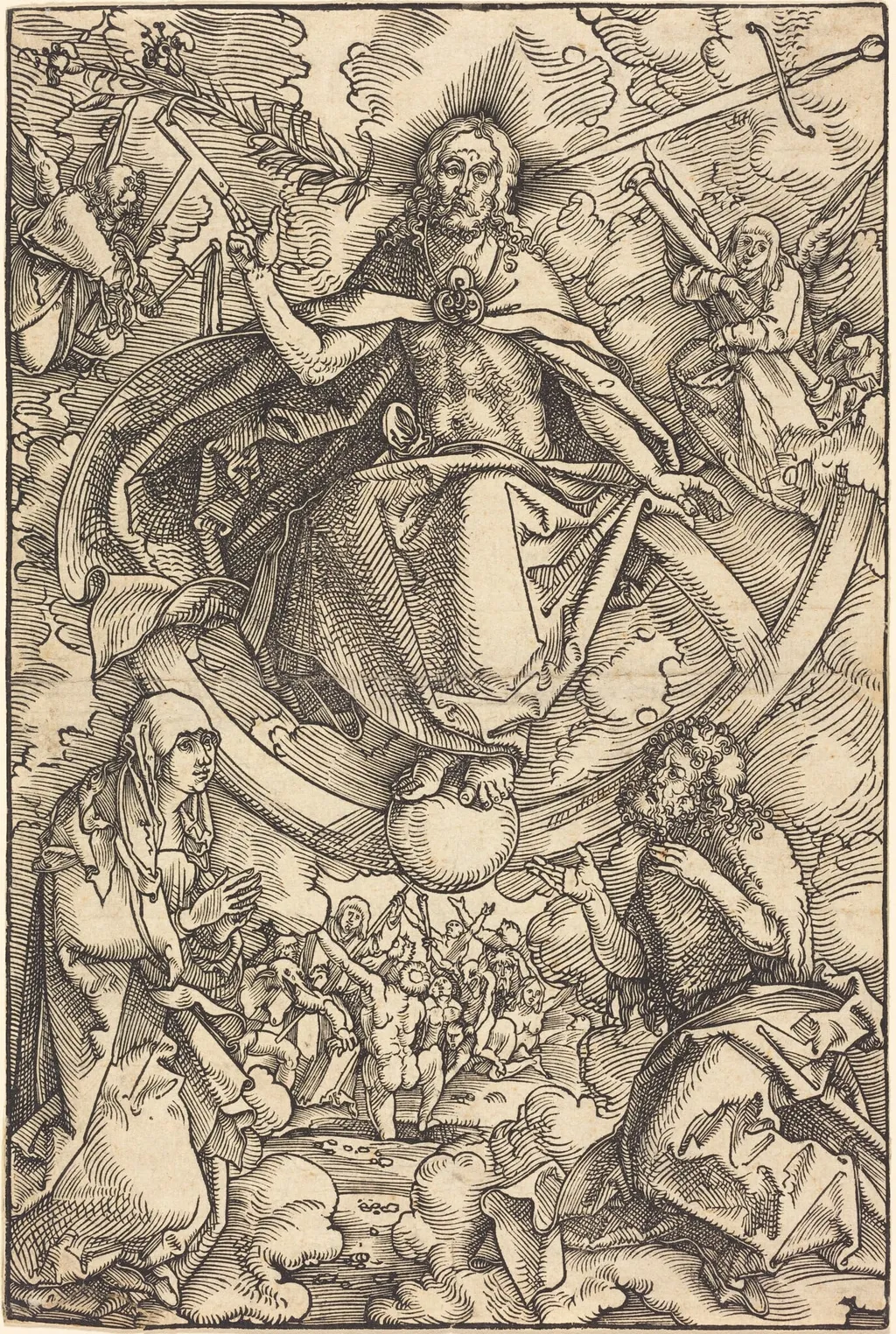
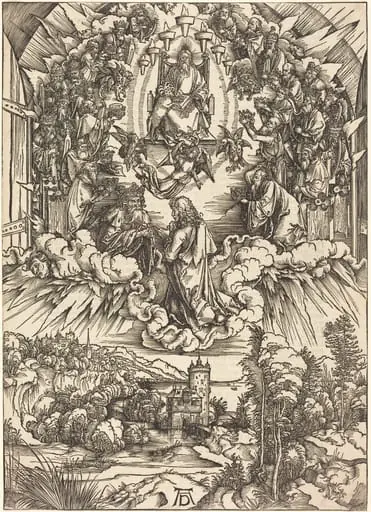
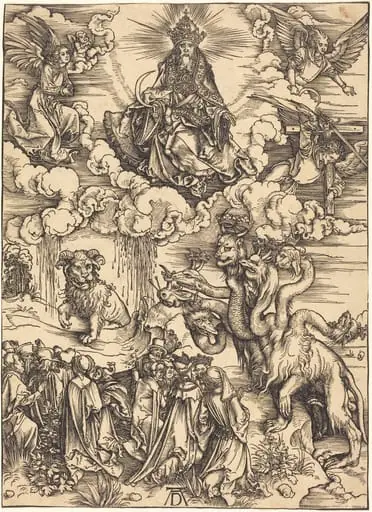
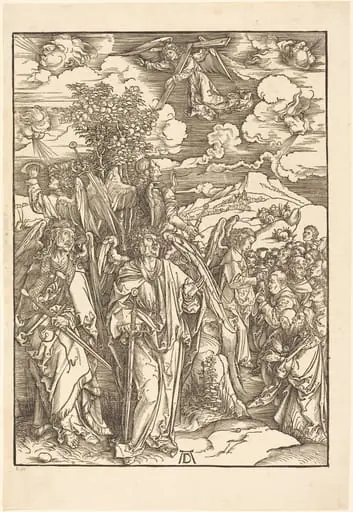
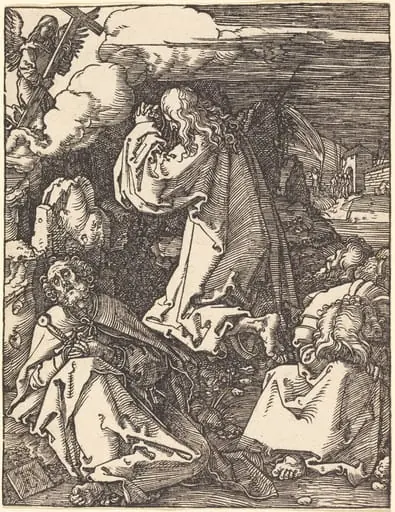
The Last Judgment is an ink print by the Renaissance artist Hans Baldung Grien. It dates from 1505 and is held in the collection of the National Gallery of Art.
About this work
Overview
Unlike painted altarpieces, this piece was intended for wider circulation, making its visceral imagery accessible beyond ecclesiastical settings.
Hans Baldung Grien created this 1505 woodcut as part of his engagement with religious themes through printmaking. Produced during the German Renaissance, the work demonstrates his technical fluency in carving and composition. Unlike painted altarpieces, this piece was intended for wider circulation, making its visceral imagery accessible beyond ecclesiastical settings. Baldung’s role as both painter and printmaker allowed him to bridge fine art and reproductive media.
Subject & Meaning
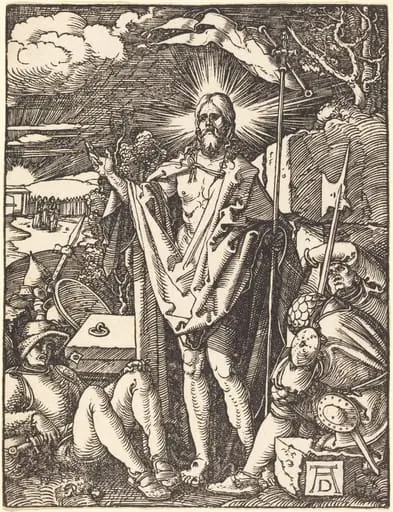
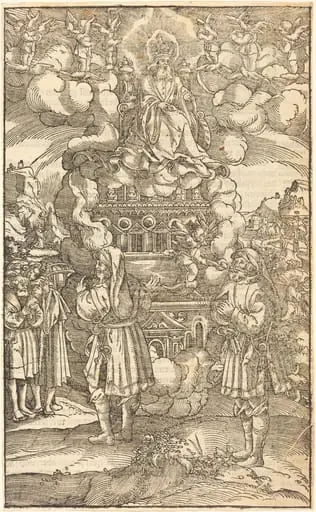
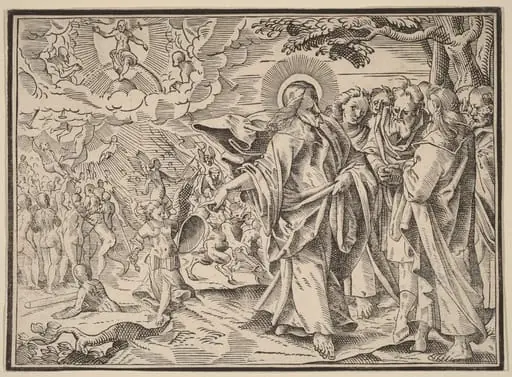
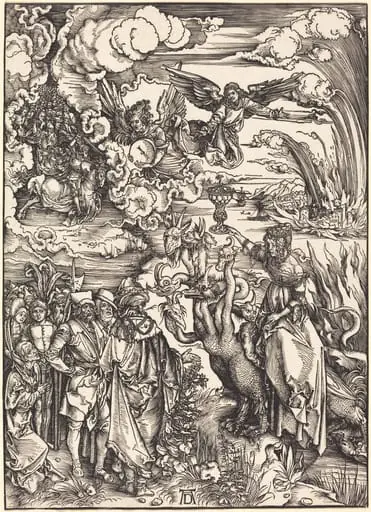
The scene portrays Christ in judgment, flanked by angels and saints, separating the saved from the damned. Figures in the foreground writhe in motion—some ascending toward grace, others pulled downward by demons. The division between salvation and damnation is rendered with psychological intensity, reflecting contemporary anxieties about sin, divine justice, and the soul’s fate. The composition avoids idealized serenity, instead emphasizing human vulnerability before divine authority.
Technique & Style
Baldung employed the woodcut medium with precision, using sharp, interwoven lines to model form and suggest texture. The contrast between solid black and untouched paper heightens the drama, while intricate detailing in hair, fabric, and demonic anatomy reveals his draftsmanship. Unlike the smoother tonal gradations of engravings, this woodcut’s bold, angular strokes convey urgency and chaos, aligning with the emotional weight of the subject.
History & Provenance
Created in 1505, the woodcut emerged during Baldung’s early career in Strasbourg, shortly after his apprenticeship with Albrecht Dürer. It was likely produced for private devotion or scholarly circles, as prints of this scale were often collected by educated patrons. No definitive early ownership records survive, but its survival in multiple impressions suggests it was widely distributed and valued within Northern European artistic networks.
Context
In early 16th-century Germany, religious imagery was undergoing transformation amid growing theological debate and the rise of humanist thought. Baldung’s depiction diverges from traditional, serene Last Judgments by emphasizing physical struggle and psychological torment. His approach resonated with emerging reformist sentiments, even as it retained Catholic iconography, reflecting a transitional moment before the Reformation reshaped sacred art.
Legacy
This woodcut influenced later Northern artists who sought to convey spiritual intensity through graphic media. Baldung’s fusion of Mannerist distortion with printmaking’s accessibility helped expand the expressive potential of the medium. Though overshadowed in popular memory by painters of the Italian Renaissance, his prints remain key to understanding how Northern artists translated theological drama into visual language accessible to a broad public.
Artist & collection
Artist
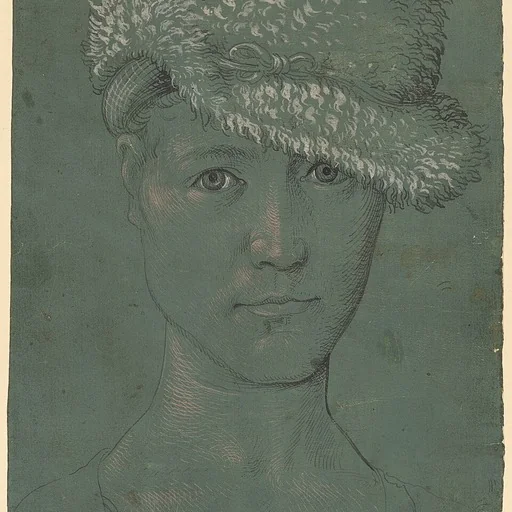
Hans Baldung (1484 or 1485 – September 1545), called Hans Baldung Grien, (being an early nickname, because of his predilection for the colour green), was a painter, printer, engraver, draftsman, and stained glass…