Artwork
Portrait of an old woman in a white cap
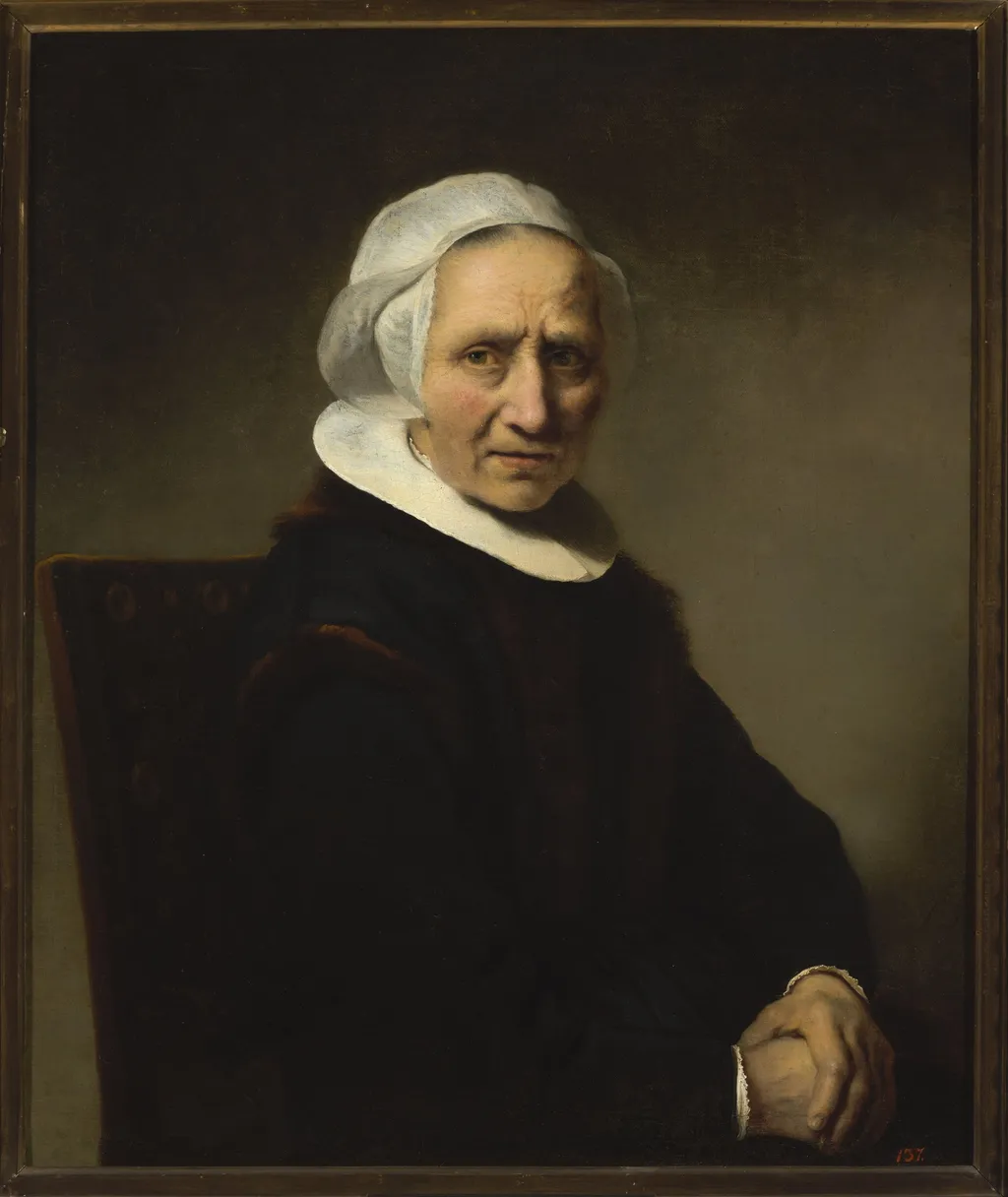
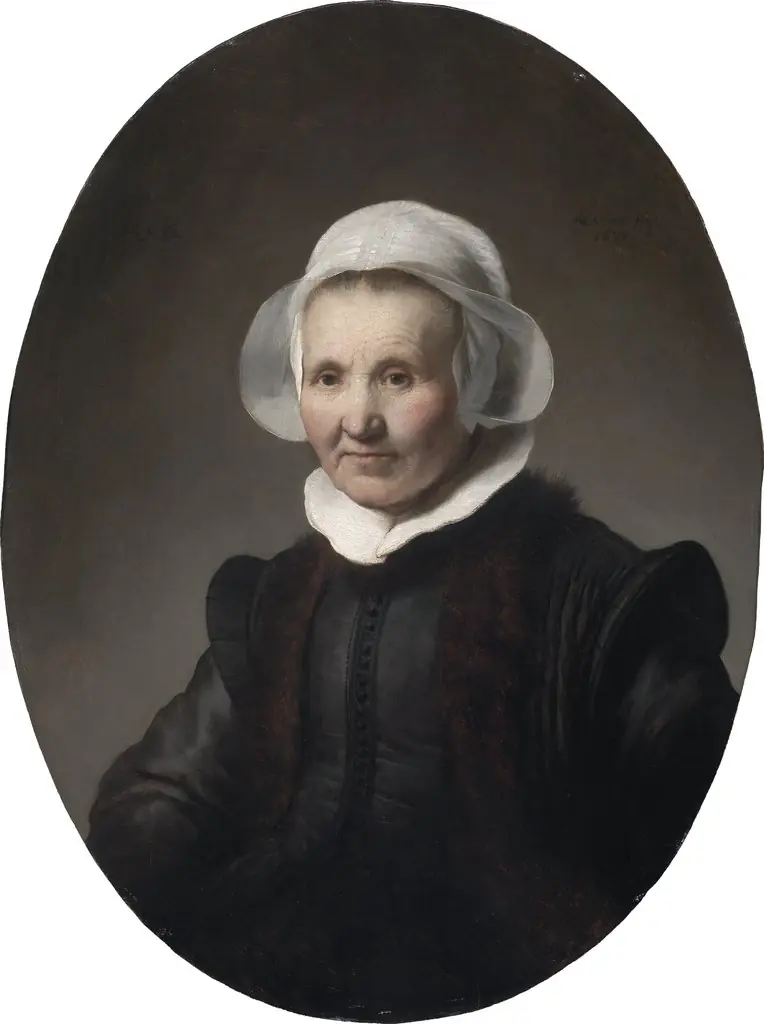
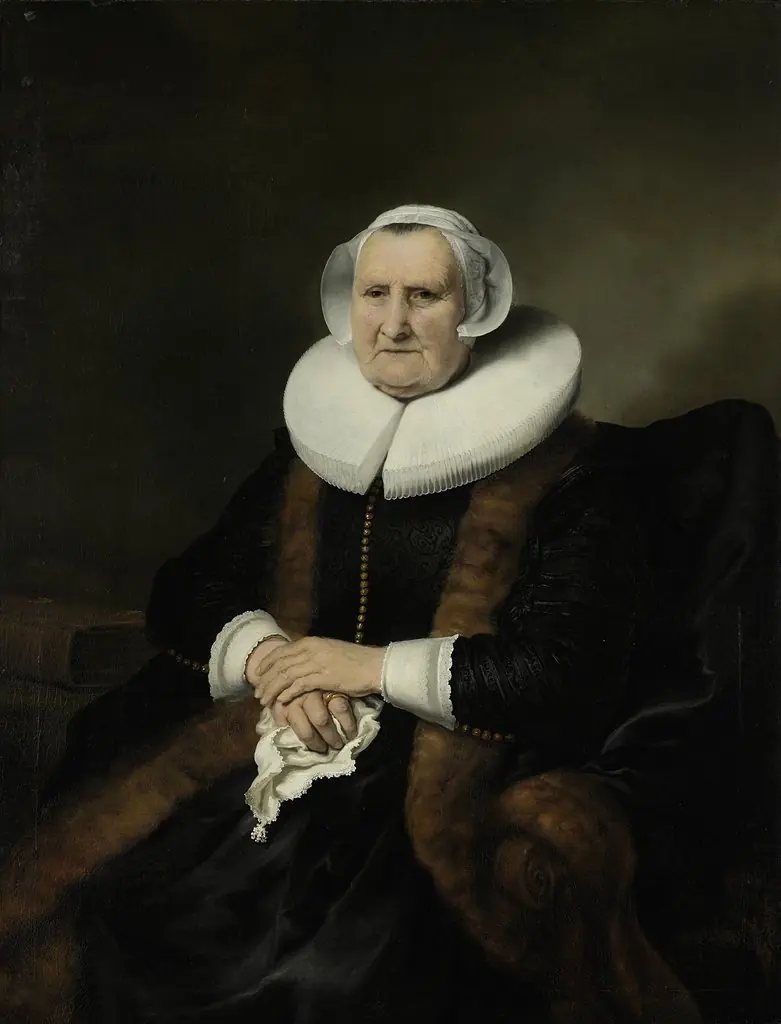
Portrait of an old woman in a white cap is an oil painting by the Dutch Golden Age artist Ferdinand Bol. It dates from 1641 and is held in the collection of the National Museum in Warsaw.
About this work
Overview
A Dutch artist active during the Golden Age, Bol trained under Rembrandt and applied his teacher’s emphasis on psychological depth to intimate portraiture.
Painted in 1641 by Ferdinand Bol, this oil portrait captures an elderly woman seated in quiet repose. A Dutch artist active during the Golden Age, Bol trained under Rembrandt and applied his teacher’s emphasis on psychological depth to intimate portraiture. The work is a straightforward study of an ordinary individual, distinguished by its restrained palette and careful attention to texture and light.
Subject & Meaning
The subject is an aging woman, her face marked by time, dressed in somber garments with a crisp white cap and collar. Her hands are gently folded, and her gaze is lowered, suggesting introspection or humility. There is no indication of status or identity beyond her age and demeanor; the painting’s power lies in its unembellished humanity, reflecting a cultural appreciation for quiet dignity in later life.
Technique & Style
Bol employs subtle tonal variations to model the woman’s face and hands, using warm browns and deep blacks for her clothing against the luminous whites of her cap and collar. Brushwork is precise yet soft, avoiding theatricality. The lighting is directional but gentle, enhancing the three-dimensionality of her features without dramatic contrast, aligning with Rembrandtesque naturalism while maintaining a calmer, more contained mood.
History & Provenance
The painting has been part of the National Museum in Warsaw’s collection since at least the early 20th century. Its earlier provenance is not fully documented, but it likely entered Polish holdings through European art acquisitions or diplomatic exchanges in the decades following the partitions of Poland. It remains one of the few Bol works in a public collection in Central Europe.
Context
In 17th-century Holland, portraiture extended beyond the elite to include middle-class and elderly subjects, reflecting broader societal values around modesty and moral character. Bol’s work fits within this trend, where individuality and inner life were valued over ornamentation. His training under Rembrandt placed him among a generation of artists redefining portraiture through psychological realism rather than idealization.
Legacy
Though less widely known than his mentor, Bol’s portraits are recognized for their sensitive rendering of ordinary people. This painting exemplifies his ability to convey dignity without grandeur, contributing to the broader Dutch tradition of human-centered art. It endures as a quiet testament to the artistic value placed on aging and stillness in early modern Northern Europe.
Artist & collection
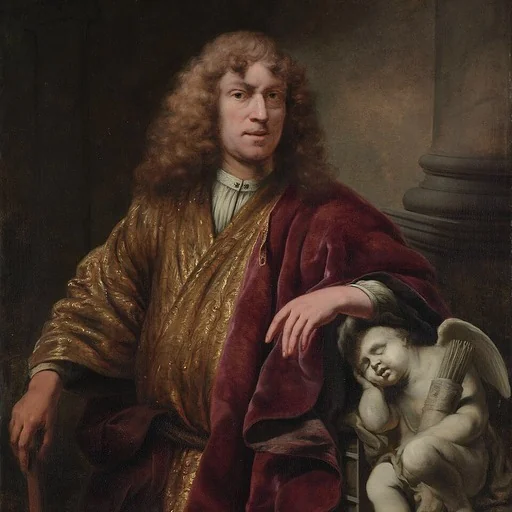
Artist
Ferdinand Bol (24 June 1616 - 24 August 1680) was a Dutch painter, etcher and draftsman.

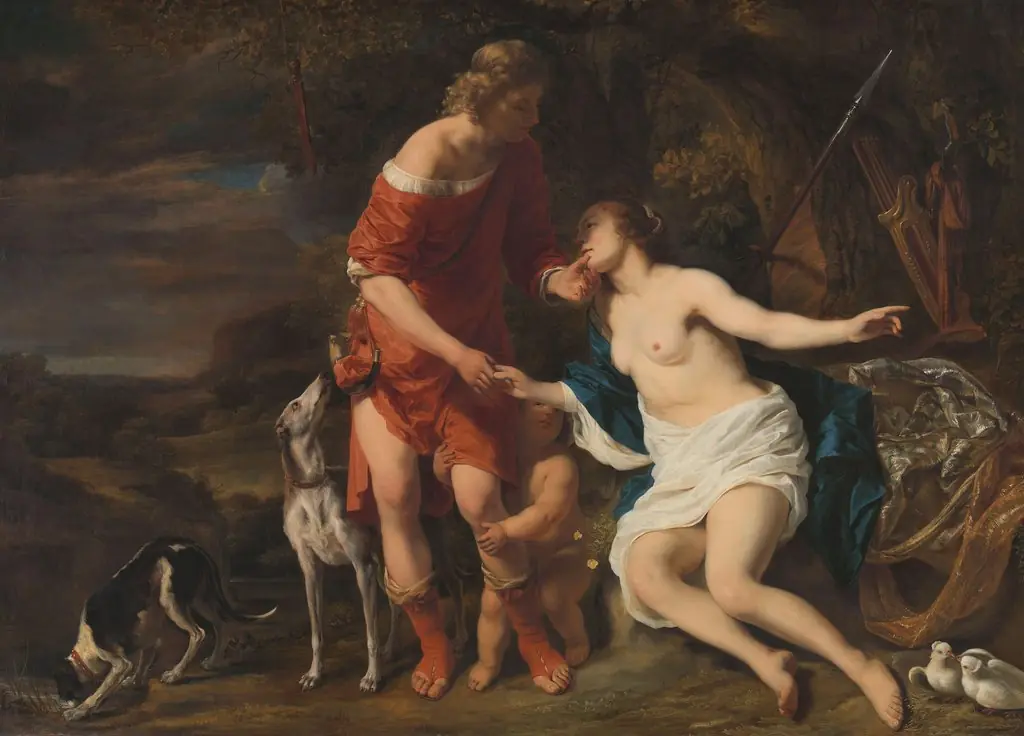 Venus and Adonis
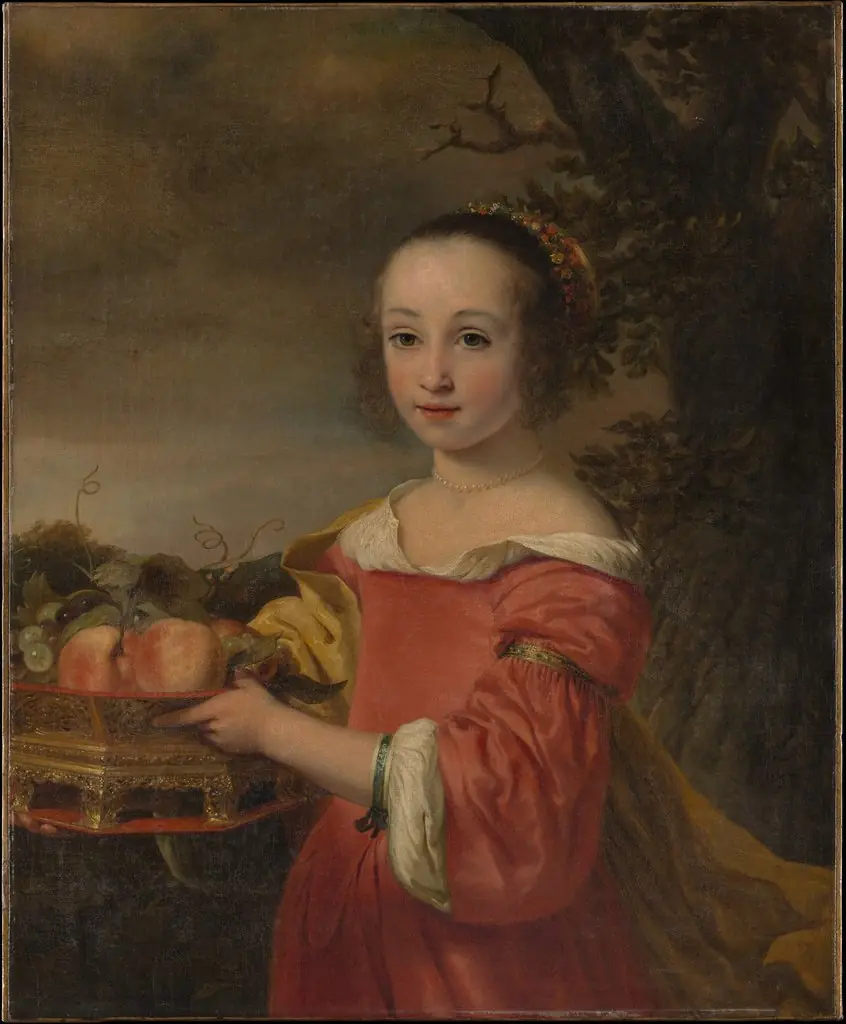 Petronella Elias (1648–1667) with a Basket of Fruit
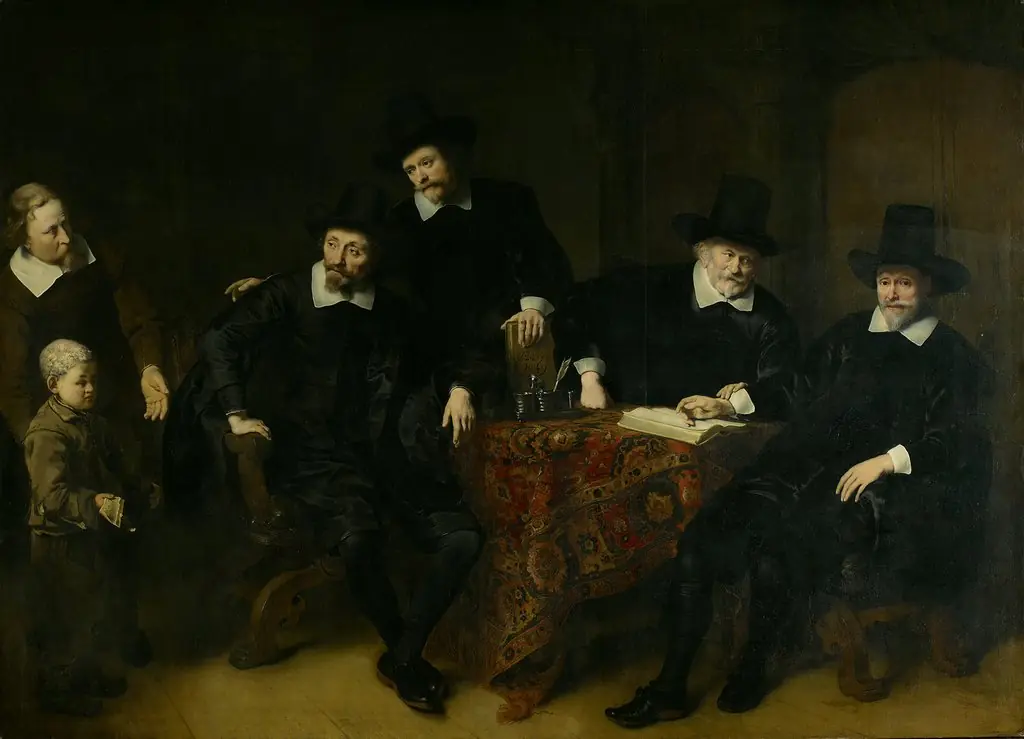 The Regents of the Leper's house in Amsterdam in 1649
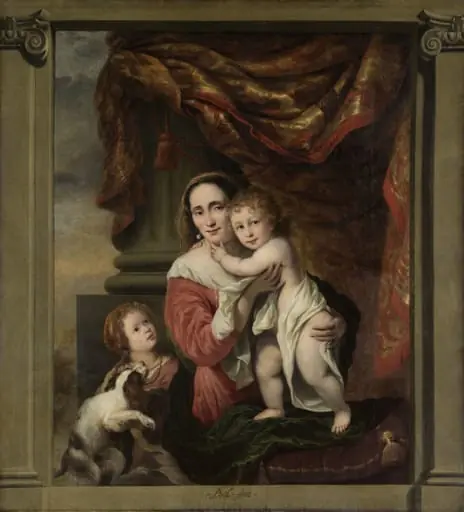 Caritas: Joanna de Geer (1629-1691) with her Children Cecilia Trip (1660-1728) and Laurens Trip (b. 1662)
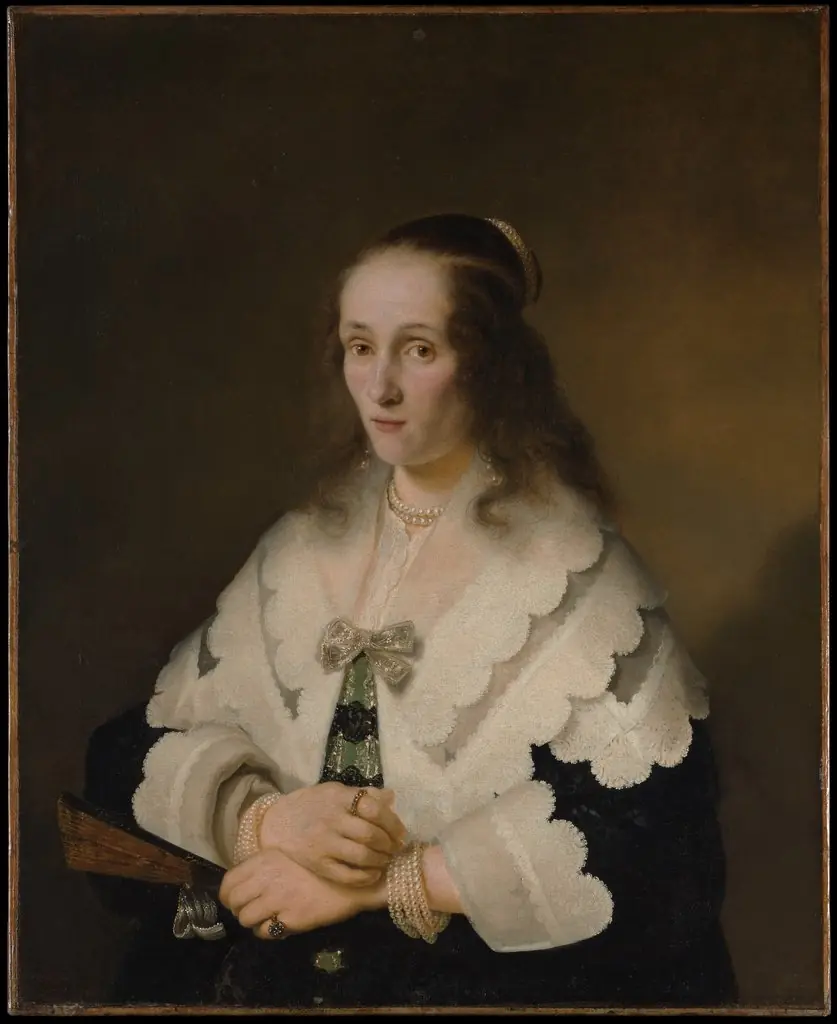 Portrait of a Woman
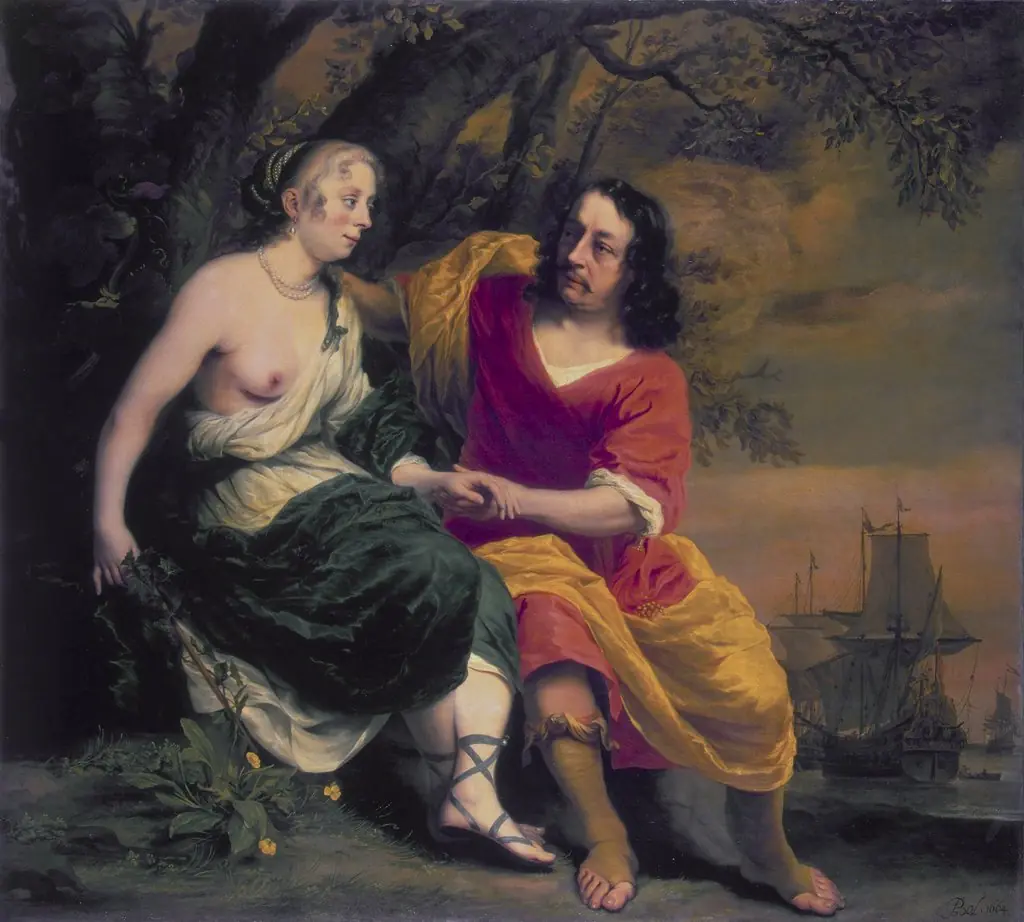 Bacchus and Ariadne
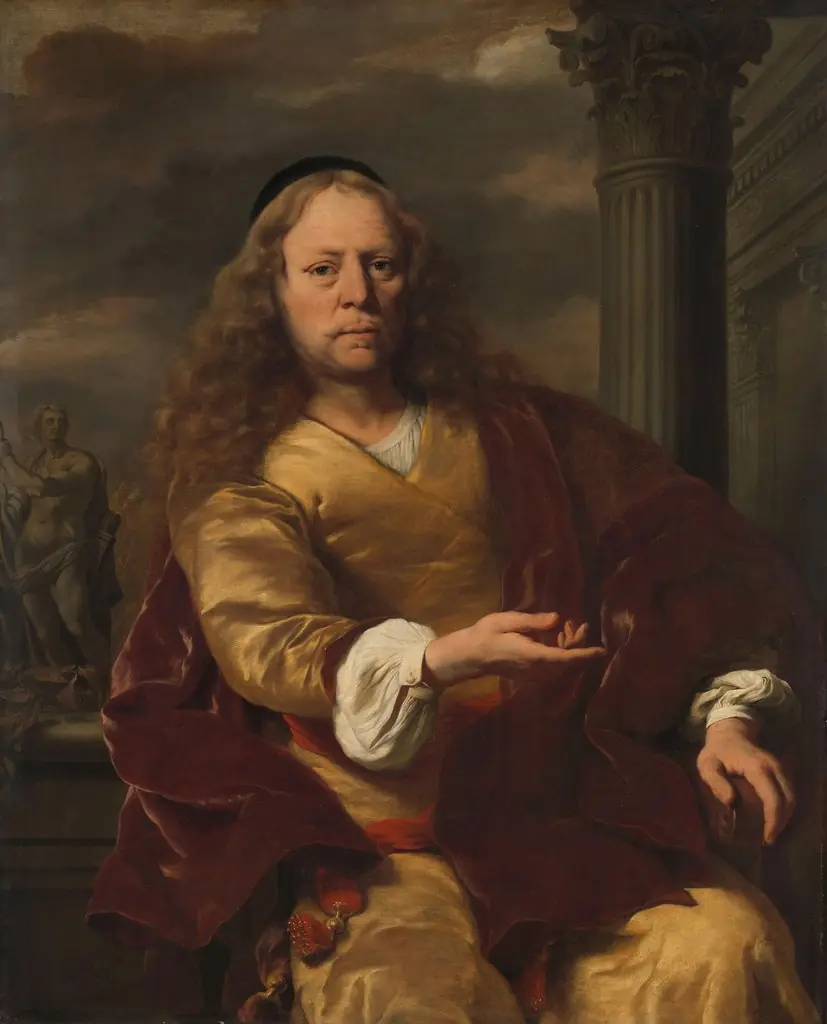 Portrait of a man
 Portrait of an Old Lady, Possibly Elisabeth Bas