Artwork
King Richard III
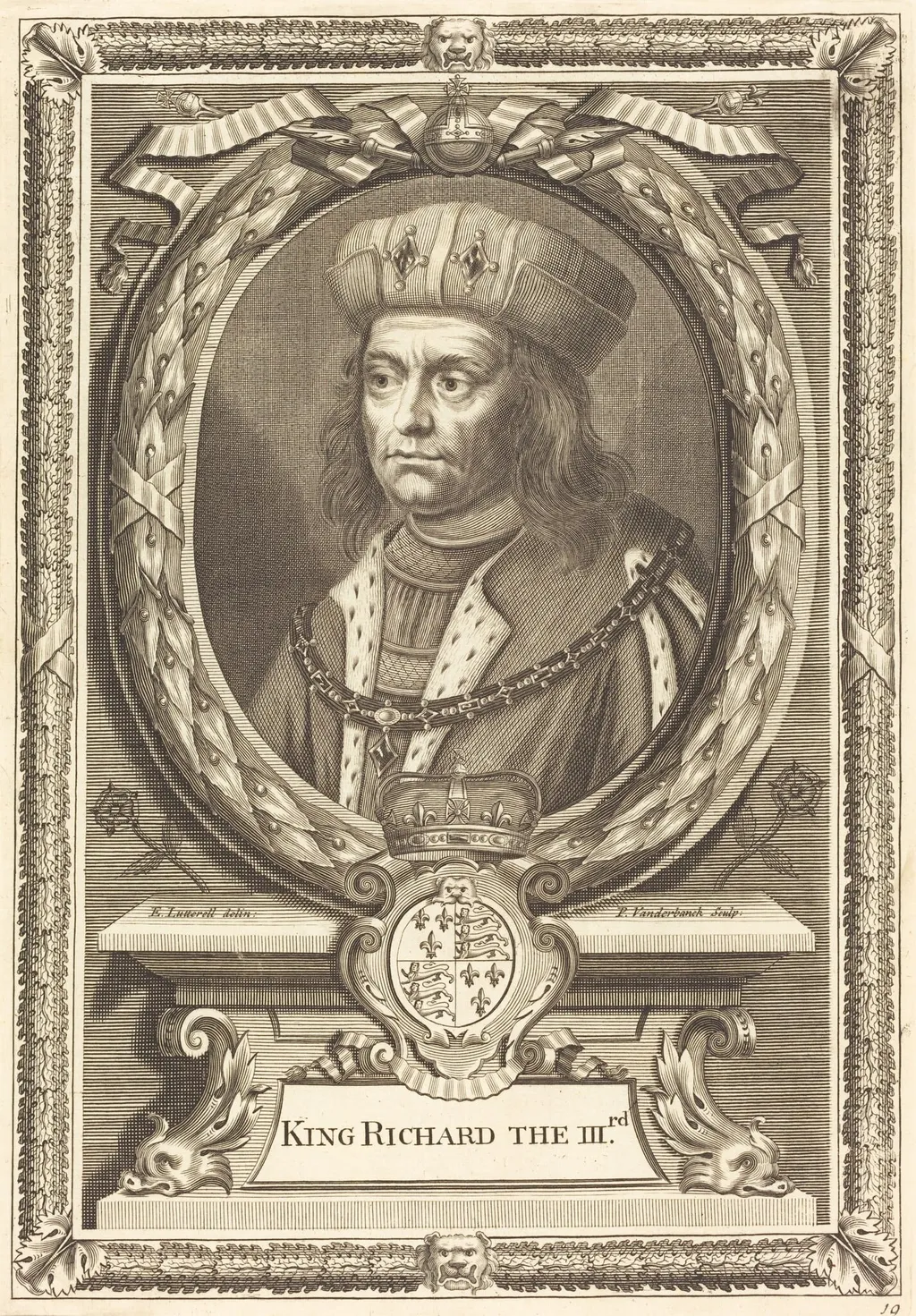
King Richard III is an ink print by the Baroque artist Pieter van der Banck. It dates from 1673 and is held in the collection of the National Gallery of Art.
About this work
Overview
Pieter van der Banck’s 1673 print presents a portrait of King Richard III. Executed as an engraving, the work combines fine line work with shading to render the monarch’s likeness in a formal, dignified manner.
Subject & Meaning
The image shows Richard III as a sovereign, his long hair and crown emphasizing royal authority. He is dressed in a dark robe trimmed with a white collar and a decorative chain, symbols traditionally associated with medieval kingship.
Technique & Style
Created through etching and engraving, the print relies on intricate incised lines to model form and texture. The artist’s use of cross‑hatching produces subtle tonal variations, giving depth to the figure’s features and clothing.
History & Provenance
The engraving dates to 1673, a period when interest in England’s late medieval rulers was resurging. Van der Banck, a Dutch printmaker, produced the work for a market of collectors fascinated by historical portraiture.
Context
Richard III’s reputation was contested in the seventeenth century, with both vilification and romanticization influencing visual representations. This portrait aligns with contemporary efforts to depict him as a legitimate, regal figure rather than a villain.
Artist & collection

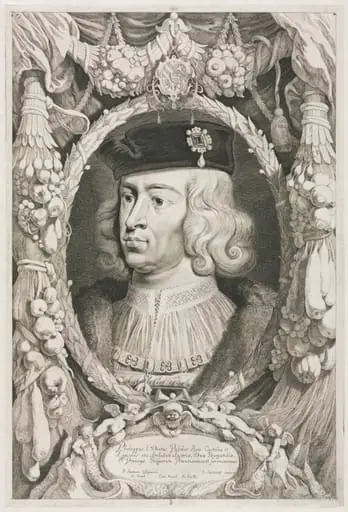 The Dukes of Burgundy: No. 8. Portrait of Philippe I (the Handsome) of Castile
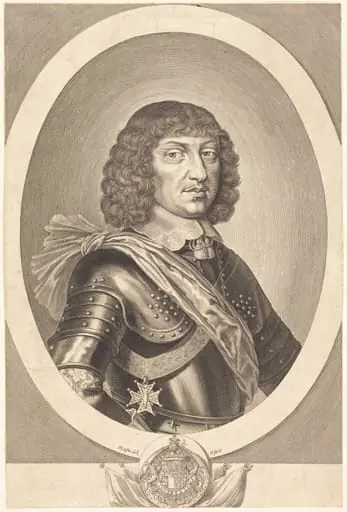 Jean Saint Bonnet de Toiras
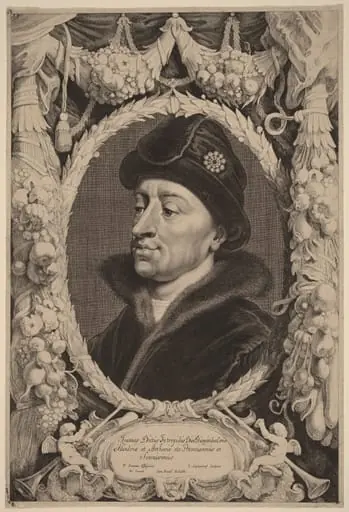 John the Fearless, Duke of Burgundy
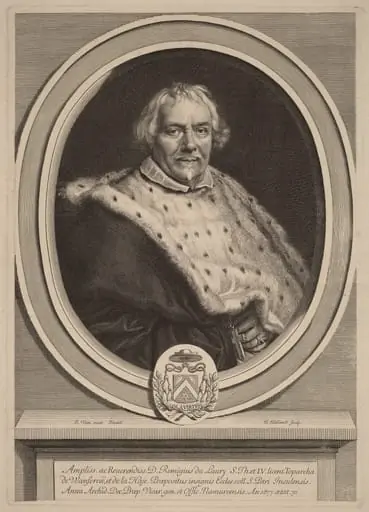 Remi Du Laury
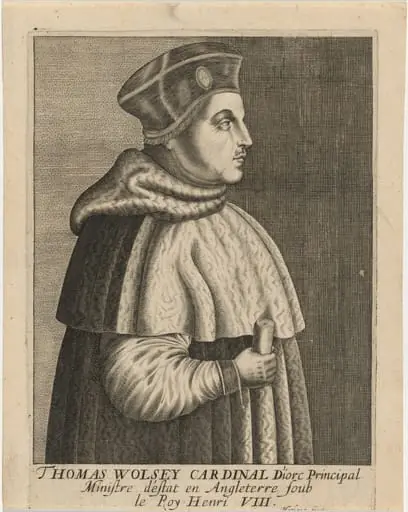 Thomas Wolsey, Cardinal, Lord Chancellor, Archbishop of York
 Henri II, Duc de Nemours
 Jean-Antoine de Mesmes
 John the Fearless, Duke of Burgundy
 James V, King of Scotland