Artwork
Henri II, Duc de Nemours
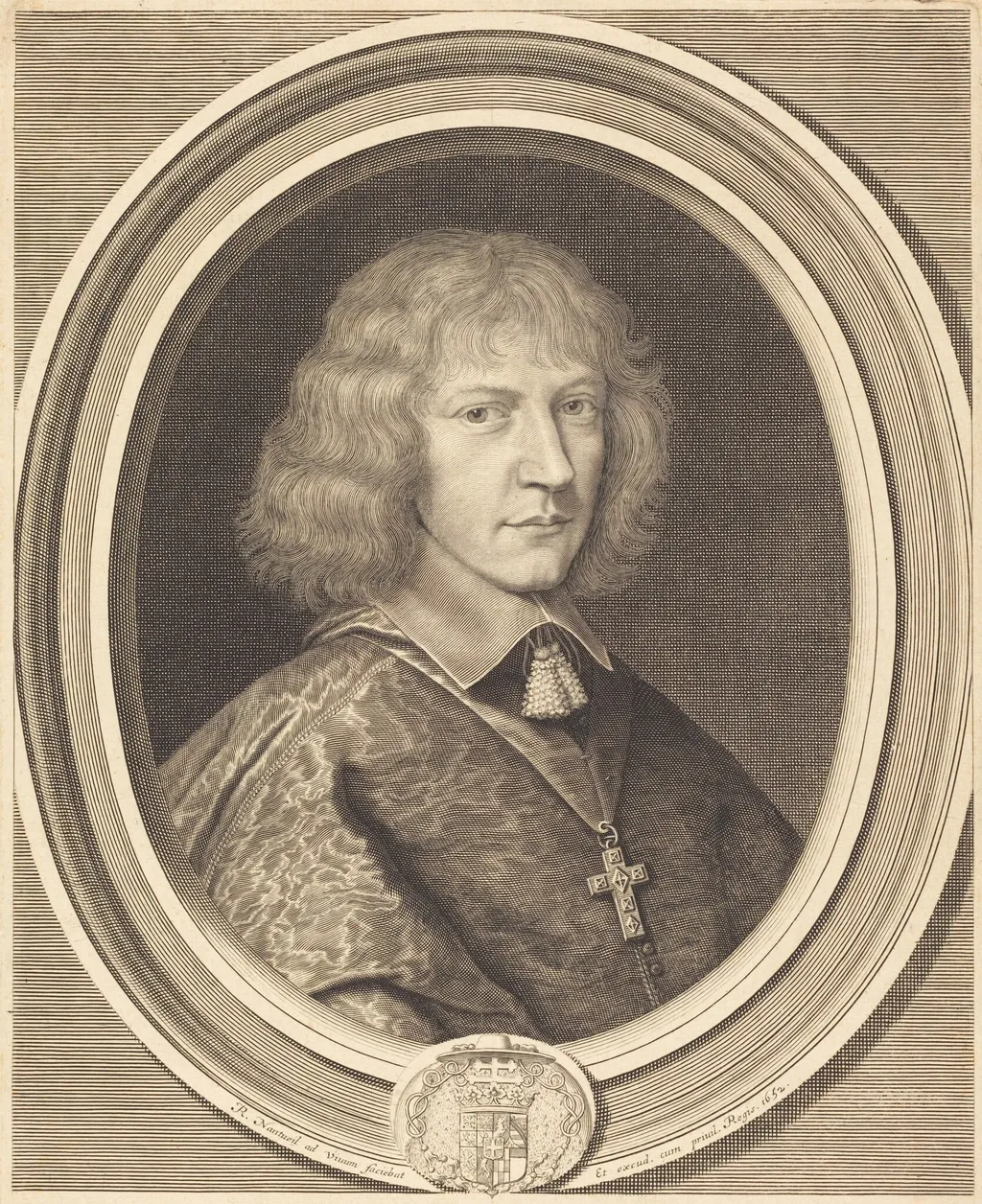
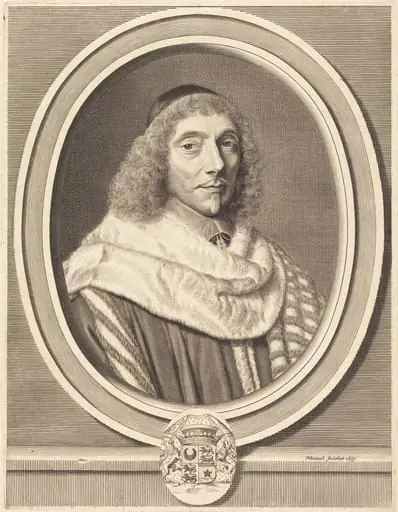
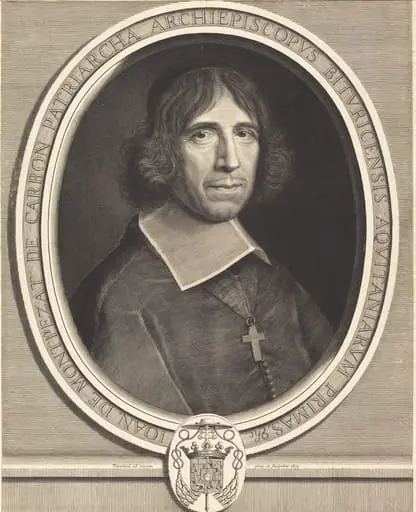
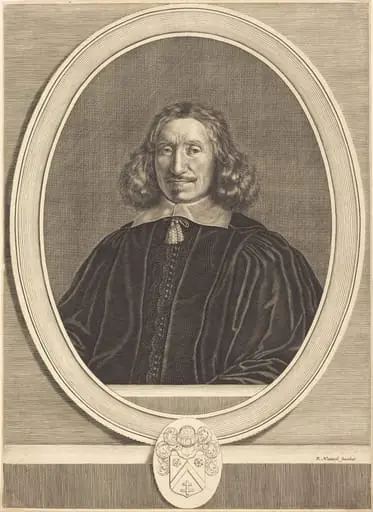
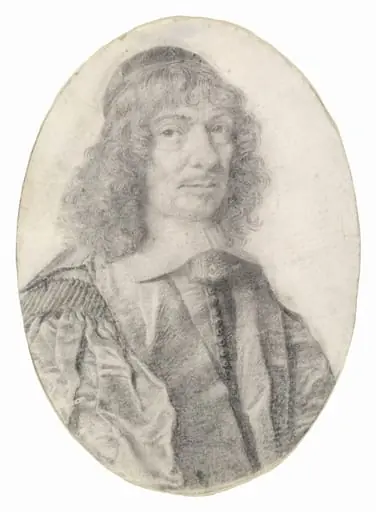
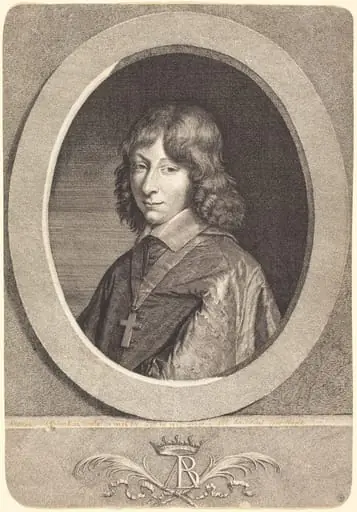
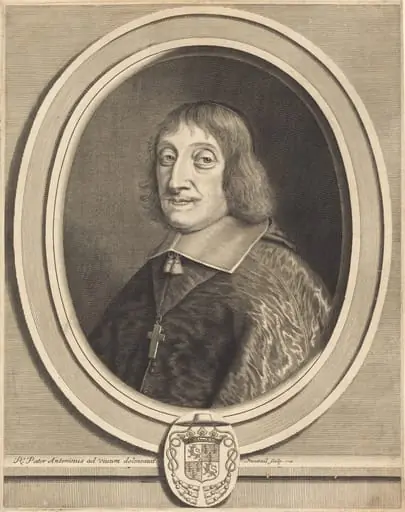
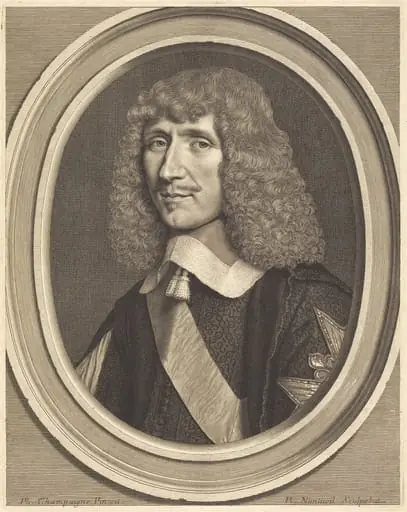
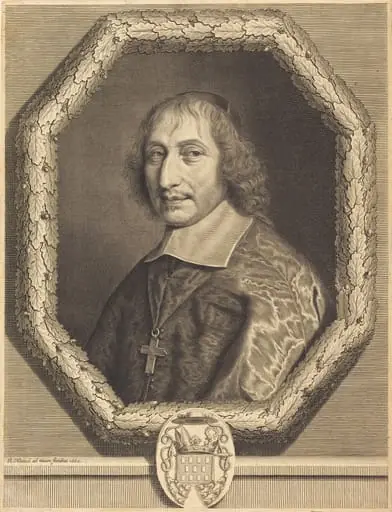
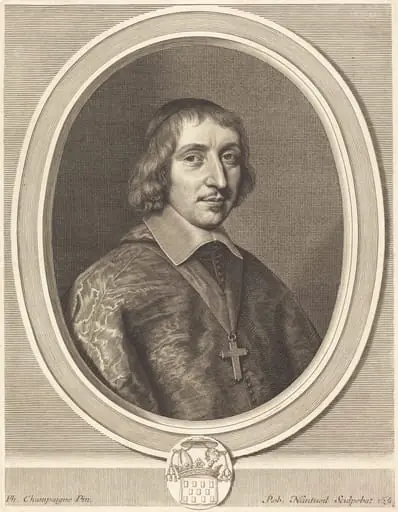
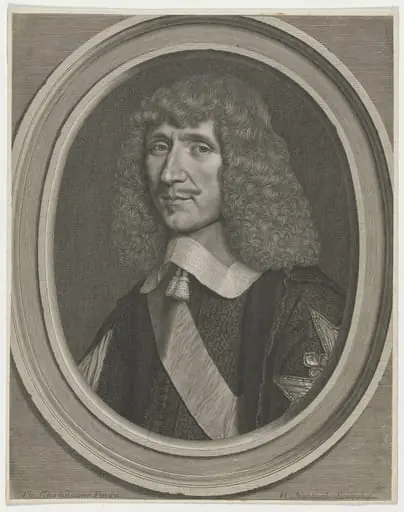
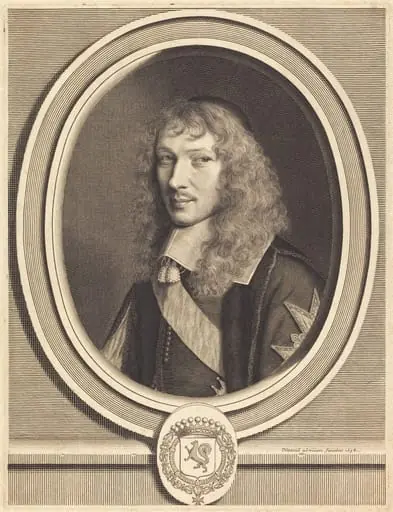
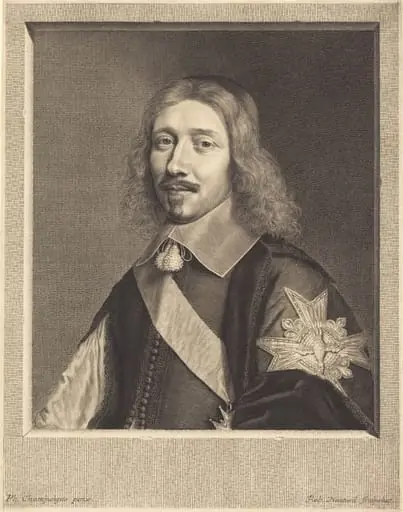
Henri II, Duc de Nemours is an ink print by the Baroque artist Robert Nanteuil. It dates from 1652 and is held in the collection of the National Gallery of Art.
About this work
Overview
Executed on metal and printed in monochrome, the work exemplifies the precision and restraint of French courtly printmaking during the reign of Louis XIV.
This 1652 engraving by Robert Nanteuil presents Henri II, Duc de Nemours, in a formal profile portrait. Executed on metal and printed in monochrome, the work exemplifies the precision and restraint of French courtly printmaking during the reign of Louis XIV. Nanteuil, a principal engraver to the monarchy, used fine linear techniques to translate aristocratic presence into reproducible form, balancing likeness with dignified decorum.
Subject & Meaning
Henri II, Duc de Nemours, a member of the French nobility and military leader, is depicted with solemn composure, his gaze directed outward, reinforcing his public role. The elaborate lace collar, ornate chain, and structured coat signify his rank and adherence to courtly etiquette. The absence of contextual elements focuses attention on his persona, presenting him as an emblem of aristocratic authority rather than an individual in action.
Technique & Style
Nanteuil employed meticulous cross-hatching and fine parallel lines to model texture and volume. The lace ruffle is rendered with delicate, intersecting strokes, while the hair and fabric of the coat gain depth through layered shading. The oval frame isolates the figure against a neutral ground, enhancing clarity and formal balance. The engraving’s tonal subtlety reflects the artist’s mastery of the burin, allowing for nuanced expression without color.
History & Provenance
Created in 1652, the engraving was likely commissioned to circulate among elite circles as a standardized image of the duke. As part of Nanteuil’s broader portfolio of court portraits, it served to reinforce the visibility and legitimacy of noble figures within the centralized monarchy. Original impressions were collected by institutions and private patrons, preserving the work as a document of aristocratic representation.
Context
In mid-17th-century France, engraving was a key medium for disseminating the likenesses of the powerful, especially in an era before photography. Nanteuil’s portraits aligned with the absolutist aesthetic of Louis XIV’s court, where controlled imagery reinforced social hierarchy. His technique set a standard for portraiture, influencing both printmakers and painters who sought to capture the gravity of noble subjects.
Legacy
Nanteuil’s engravings, including this portrait, became benchmarks for French portraiture in the late Baroque period. His ability to convey character through line alone elevated printmaking beyond mere reproduction, establishing it as a respected art form. Later generations of engravers studied his methods, and his works remain important references for understanding the visual culture of French nobility in the 17th century.
Artist & collection
Artist
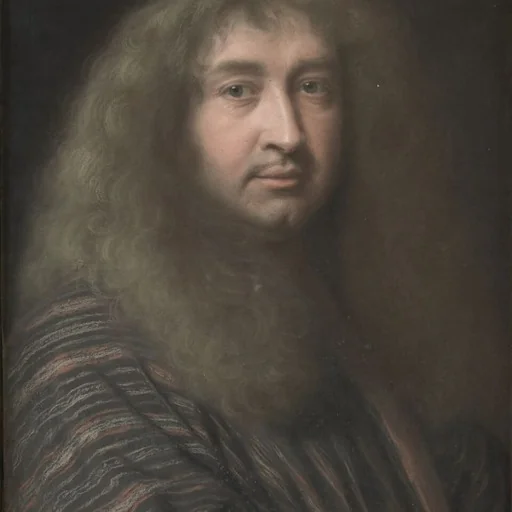
Robert Nanteuil (French pronunciation: ; 1623 – 9 December 1678) was a French portrait artist: engraver, draughtsman and pastellist to the court of Louis XIV.