Artwork
W.B. Ferguson, Hon. F.R.P.S.
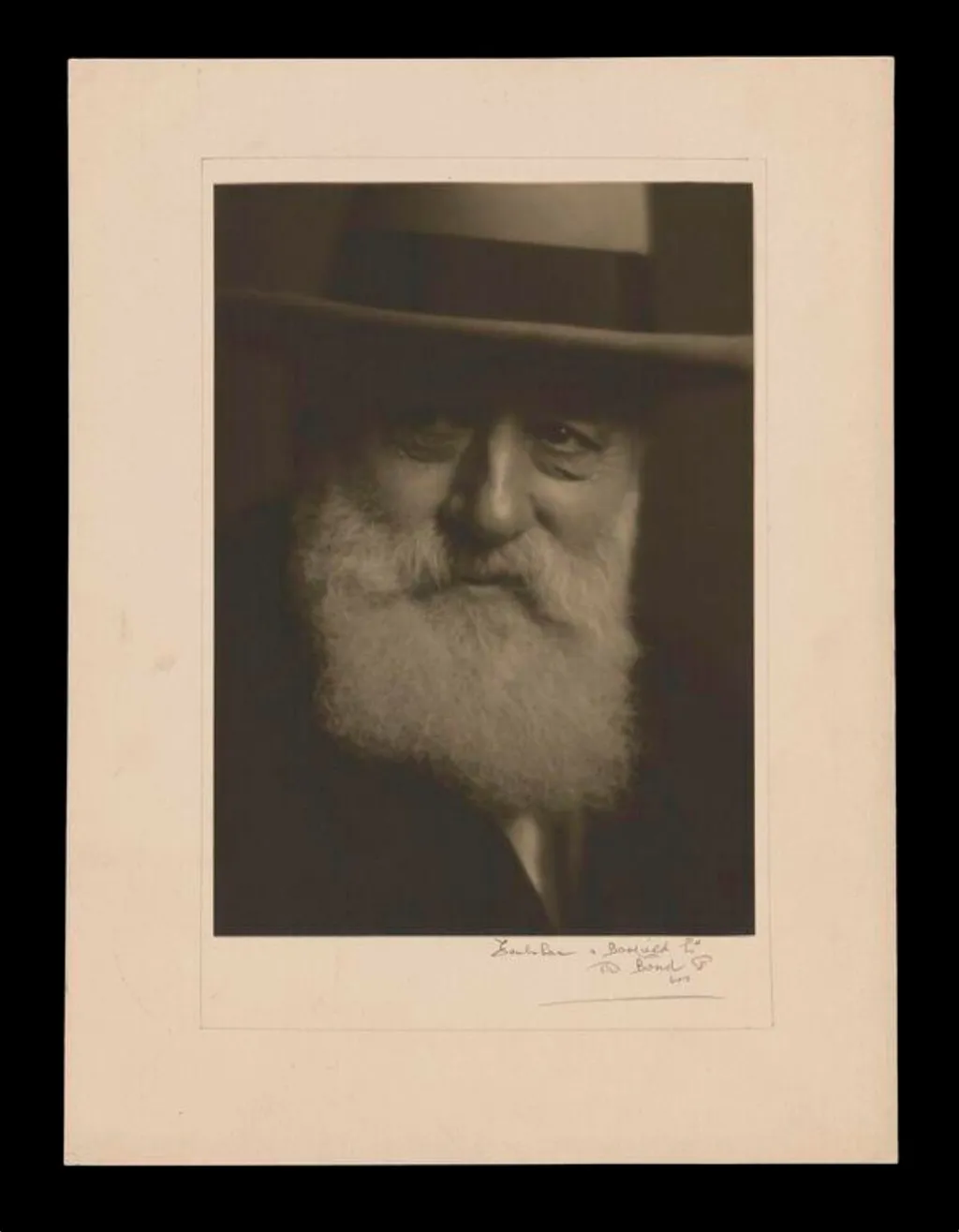
W.B. Ferguson, Hon. F.R.P.S. is a photographic photography by Arthur Clive Banfield. It dates from 1950 and is held in the collection of the Victoria and Albert Museum. This black-and-white photographic portrait captures W.
About this work
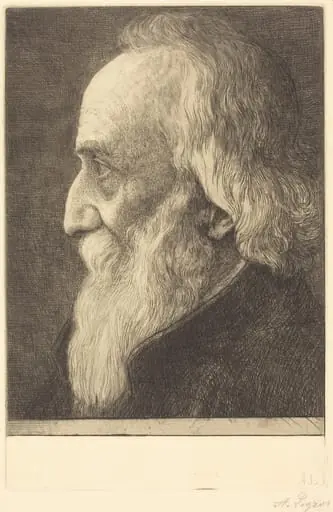
The image depicts a photograph of a man with a long white beard and mustache, wearing a hat and a dark jacket.
The image depicts a photograph of a man with a long white beard and mustache, wearing a hat and a dark jacket. The man is looking directly at the camera with a neutral expression.
The photograph is in black and white, with a sepia tone that gives it an aged appearance. The background of the image is dark, which helps to focus attention on the subject's face.
The photograph is a portrait of W.B. Ferguson, taken by Arthur Clive Banfield in the early 20th century. To learn more about the artist's work, look up Banfield, Arthur Clive.
Overview
This black-and-white photographic portrait captures W.B. Ferguson, a figure recognized by the Royal Photographic Society. The image bears the imprint of Foulsham & Banfield, a London-based studio active in the early 20th century. Taken by Arthur Clive Banfield, the photograph reflects the formal studio portraiture practices of the era, emphasizing clarity and dignified presentation through controlled lighting and minimal background detail.
Subject & Meaning
W.B. Ferguson is depicted with a full white beard and mustache, wearing a wide-brimmed hat with a ribbon and a dark jacket. His direct gaze and neutral expression convey a sense of quiet authority, typical of professional or civic figures of the time. The attire and grooming suggest a man of established status, possibly involved in public or scholarly life, consistent with his affiliation with the Royal Photographic Society.
Technique & Style
The photograph employs a sepia-toned print, a common method to enhance permanence and aesthetic warmth in early 20th-century portraiture. The dark, uncluttered background isolates the subject, directing focus to facial features and texture of hair and fabric. Sharp detail in the beard and hat ribbon indicates careful exposure and development, reflecting the studio’s technical proficiency in gelatin silver processes.
History & Provenance
The portrait was produced by Foulsham & Banfield, a well-documented London photographic studio founded in the late 19th century. Arthur Clive Banfield, one of its principal photographers, specialized in formal portraits of professionals and dignitaries. The presence of the studio’s signature confirms its origin as a commissioned work, likely created for personal or institutional use during the first two decades of the 1900s.
Context
In early 20th-century Britain, photographic portraiture served as a key medium for documenting social standing and professional identity. The formal pose, elaborate facial hair, and studio setting align with conventions favored by members of learned societies and civic institutions. Ferguson’s association with the Royal Photographic Society situates him within a community that valued both technical precision and visual representation.
Legacy
The portrait endures as an example of professional studio photography from a period when image-making was closely tied to social recognition. While Ferguson’s broader contributions remain less documented, the photograph preserves his likeness through the work of Banfield, whose studio records contribute to the historical archive of British photographic practice in the early 1900s.
Artist & collection
Artist
Arthur Clive Banfield spent his career behind the camera, catching Philadelphia’s social scene in the early 1900s.

 H Beard Print Collection
 Self-Portrait
 H Beard Print Collection
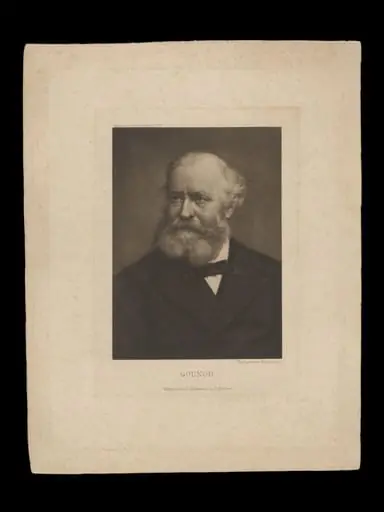 H Beard Print Collection
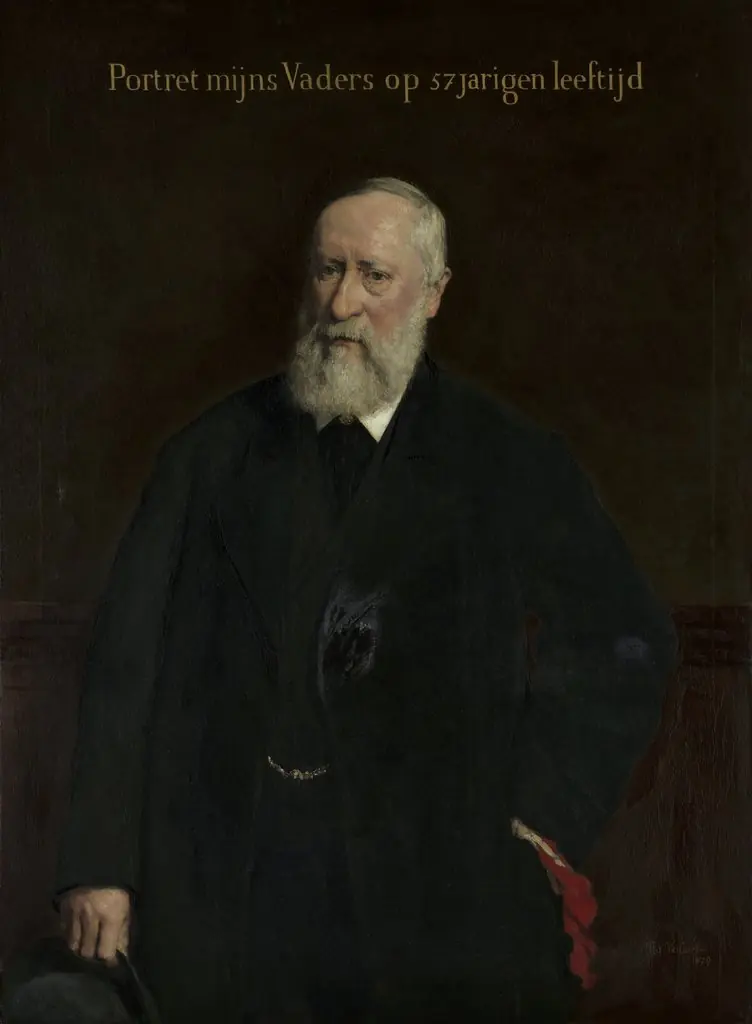 Jan Verhaert, the Artist's Father
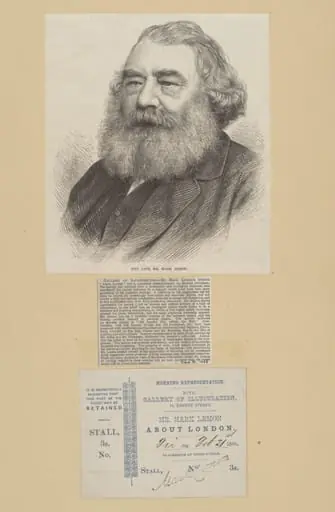 H Beard Print Collection
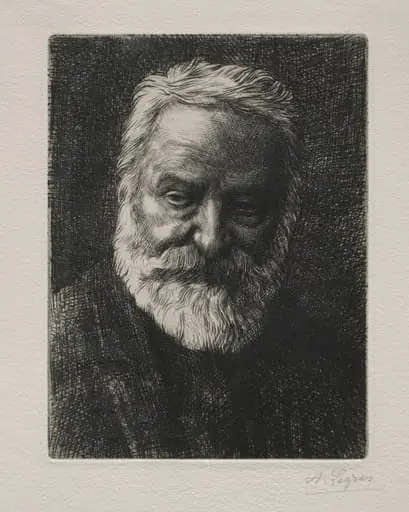 Portrait of Victor Hugo (2nd Plate)
 Tanskalaisen taidemaalari Lorenz Fröhlichin muotokuva
 Vanity Fair: "Emotional Music"
 Auguste Rodin (1840–1917)
 H Beard Print Collection
 Self-Portrait, 13th plate