Artwork
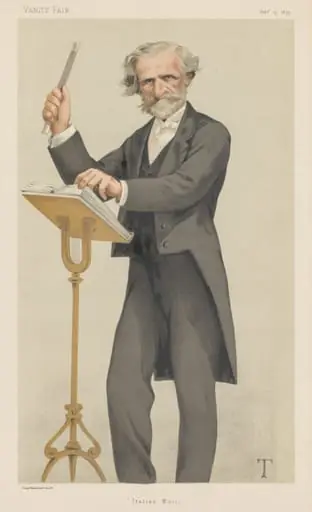
Vanity Fair: "Emotional Music"
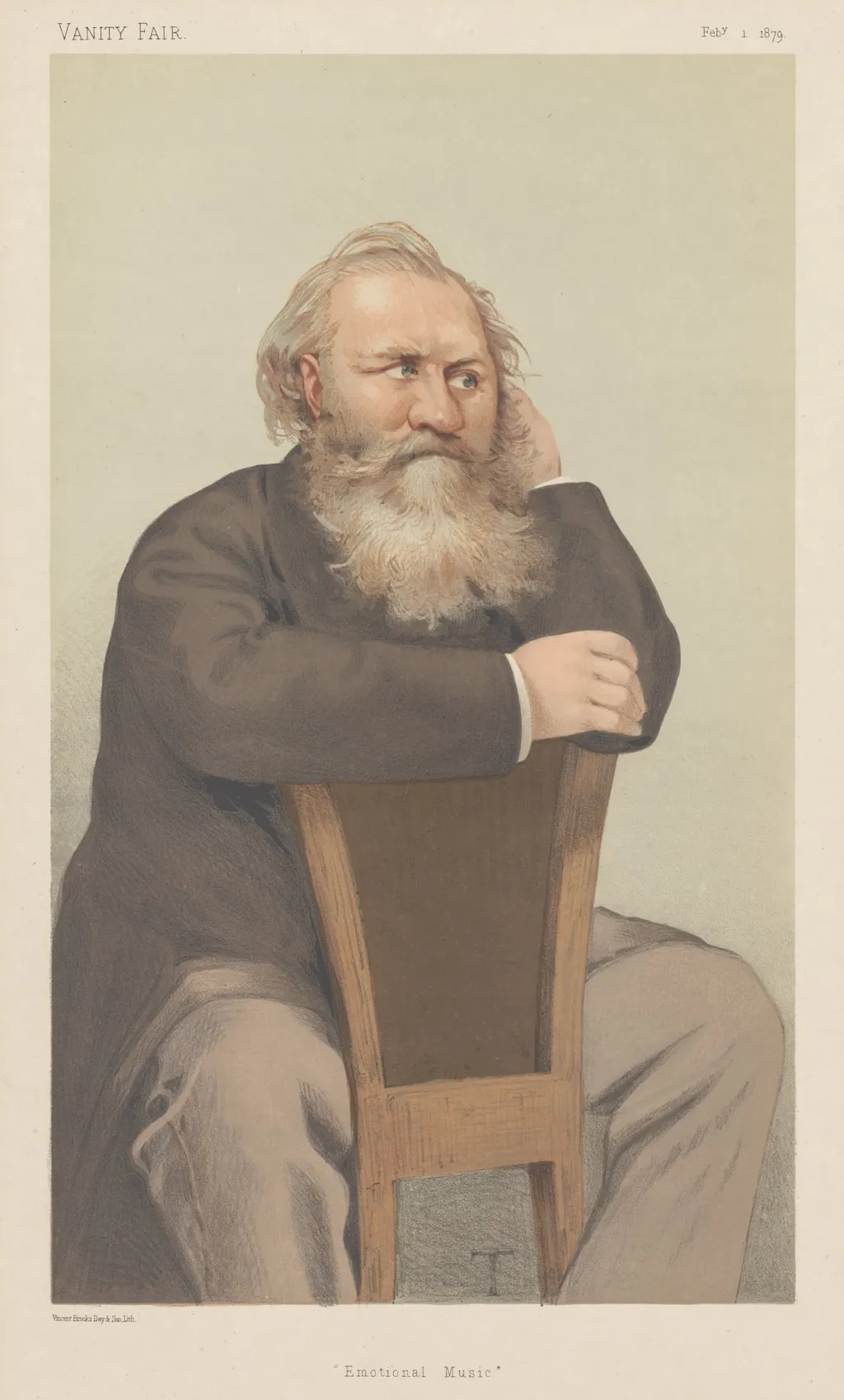
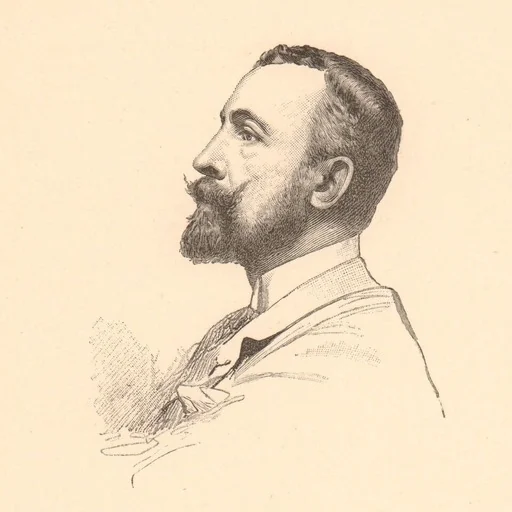
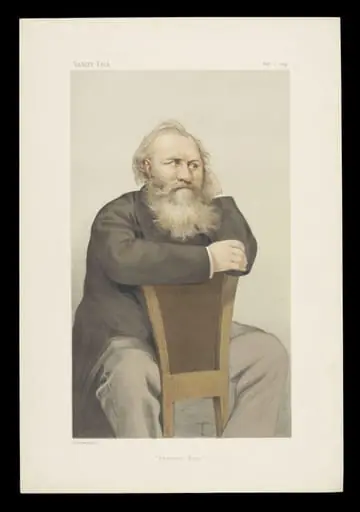
Vanity Fair: "Emotional Music" is a print by the Impressionist artist Théobald Chartran. It dates from 1879 and is held in the collection of the Cleveland Museum of Art.
About this work
Overview
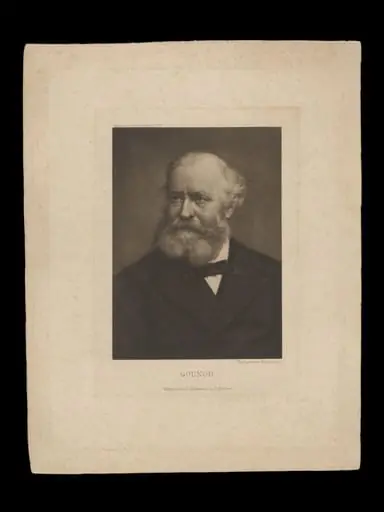
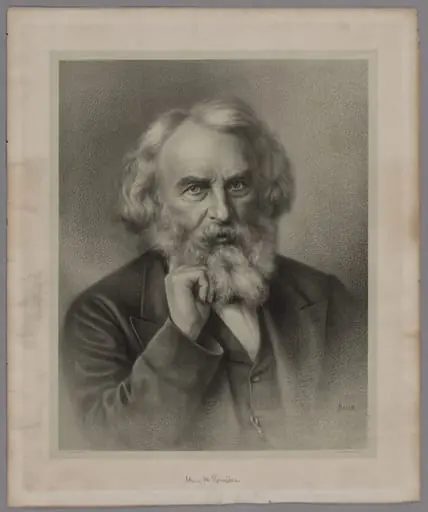
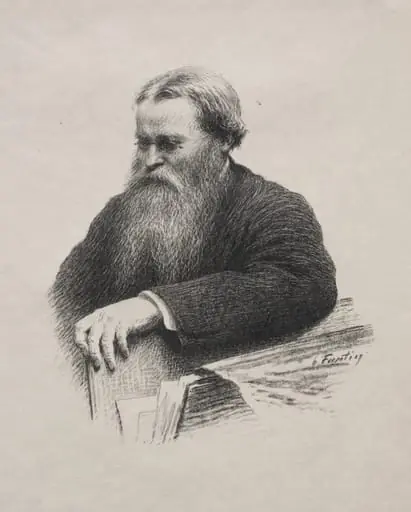
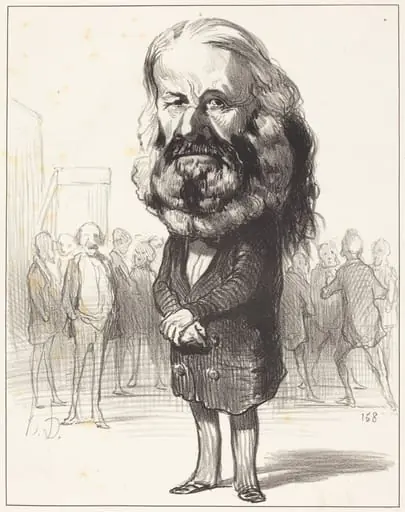
Created in 1879 by Théobald Chartran, this portrait was published in Vanity Fair under the title 'Emotional Music.' It is part of the collection at The Cleveland Museum of Art. The image presents a middle-aged man in formal attire, captured in a moment of stillness. The composition emphasizes quiet dignity, with attention to posture and facial expression rather than elaborate detail.
Subject & Meaning
The subject is a man with a long white beard, dressed in a dark jacket and light trousers, seated on a wooden chair. His right hand rests near his temple, eyes fixed directly on the viewer. The pose suggests deep thought or inner reflection, not outward emotion. The title 'Emotional Music' may allude to an inner resonance, implying that his contemplation is akin to a silent, personal melody.
Technique & Style
The style aligns with academic portraiture of the period, prioritizing structure and psychological presence over stylistic experimentation.
Chartran employed a precise, linear approach with restrained tonal variation. The brushwork is controlled, favoring clarity over atmospheric effects. Shadows define form without softening edges, and the background remains neutral, directing focus to the figure. The style aligns with academic portraiture of the period, prioritizing structure and psychological presence over stylistic experimentation.
History & Provenance
The portrait was originally published in Vanity Fair as part of a series of caricatured yet dignified portraits of notable figures. Though often associated with satire, Chartran’s approach here is respectful and subdued. It entered The Cleveland Museum of Art’s collection through documented acquisition, likely as part of a broader effort to preserve 19th-century British and French illustrated periodicals.
Context
In the late 1870s, Vanity Fair commissioned artists to portray public figures with a blend of realism and subtle irony. Chartran, trained in Paris, brought European academic discipline to these illustrations. While contemporaries explored Impressionism, his work remained rooted in traditional portraiture, reflecting the magazine’s aim to balance wit with gravitas in its depiction of influential men.
Legacy
The portrait endures as an example of how illustrated journalism could convey psychological depth without sacrificing formal rigor. Though not widely known outside specialized collections, it represents a quiet counterpoint to the more flamboyant caricatures of its time. Its preservation in a major museum underscores its value as a document of 19th-century visual culture and the evolving role of portraiture in print media.
Artist & collection