Artwork
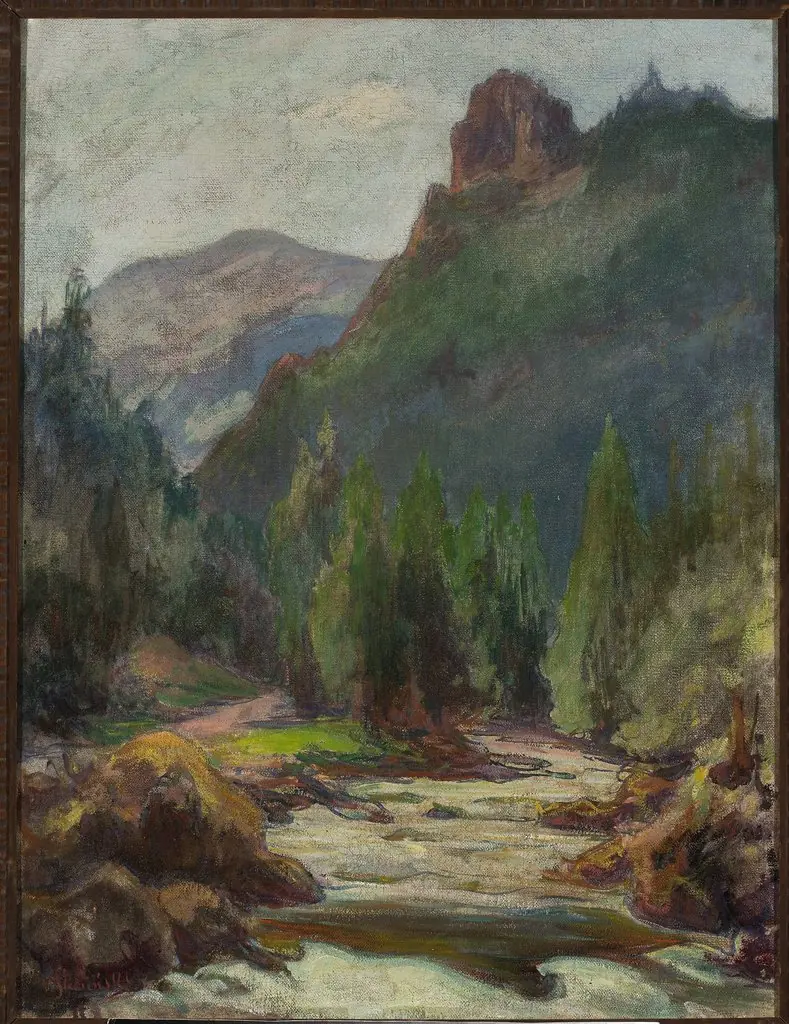
Peisaj de munte (Vălenii de Munte)
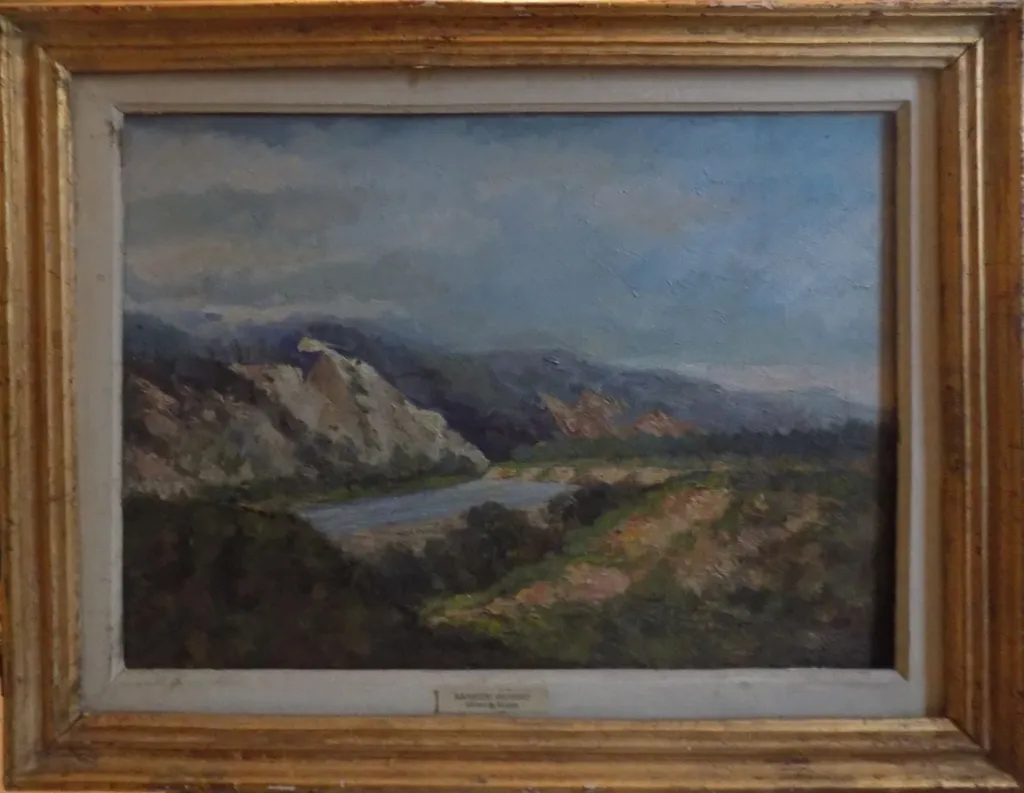
Peisaj de munte (Vălenii de Munte) is an unspecified painting by George Barbieri. It dates from 954 and is held in the collection of the Bucharest Municipality Museum.
About this work
Overview
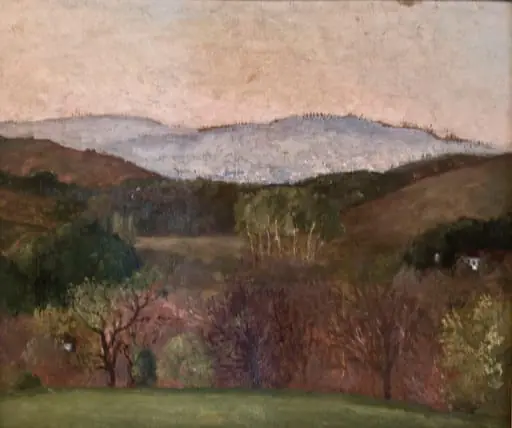
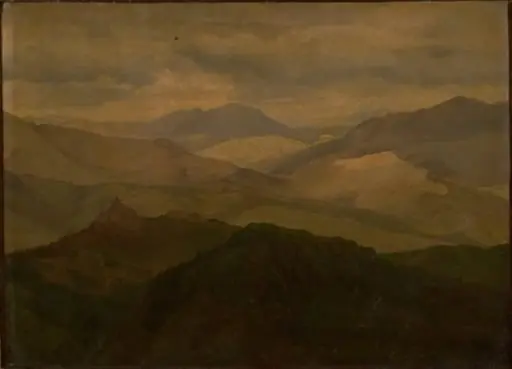
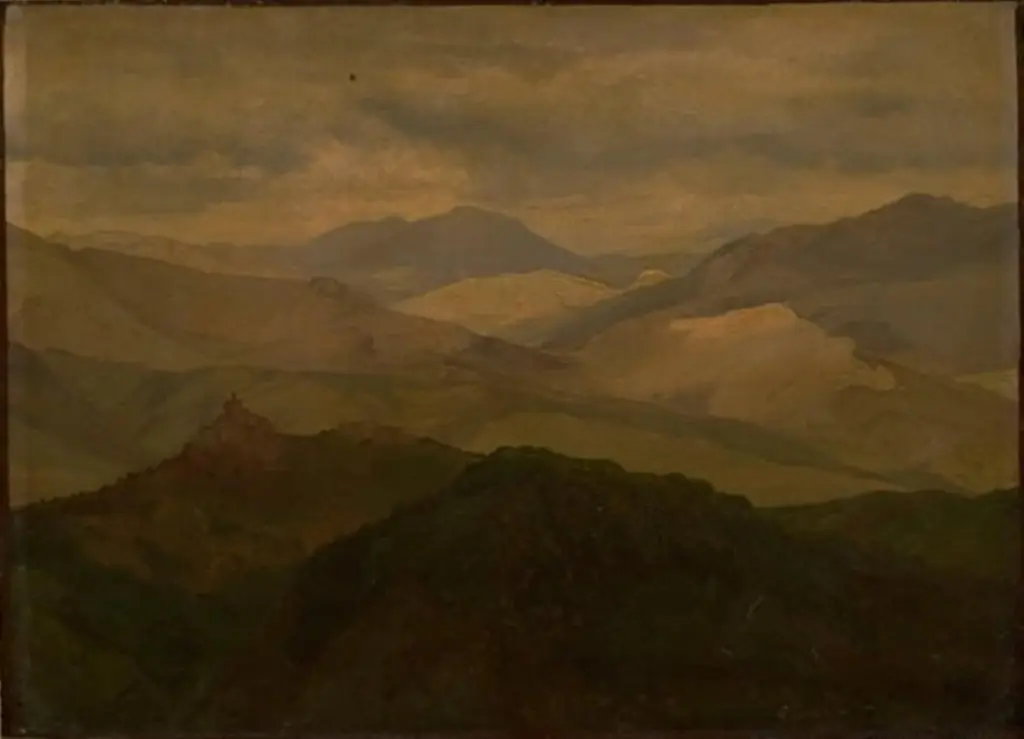
Peisaj de munte (Vălenii de Munte) is a landscape painting by George Barbieri, dated 1894. It depicts a tranquil mountain valley in Romania, characterized by undulating terrain, a meandering river, and a softly overcast sky. The work is part of the collection at the Museum of Ethnography, where it is preserved as an example of early 20th-century Romanian naturalism.
Subject & Meaning
The scene portrays a quiet, unpopulated stretch of the Vălenii de Munte region, emphasizing solitude and the rhythm of nature.
The scene portrays a quiet, unpopulated stretch of the Vălenii de Munte region, emphasizing solitude and the rhythm of nature. There are no human figures or structures, allowing the land itself to serve as the subject. The composition invites contemplation of the environment’s quiet endurance, reflecting a broader cultural interest in Romania’s rural landscapes during a period of national identity formation.
Technique & Style
Barbieri employed loose, fluid brushwork to suggest texture and movement across the hills and foliage. He used subtle variations in hue and tone to model form, creating a sense of volume through light and shadow. The deliberate contrast between warm sunlit areas and cooler, shaded zones demonstrates a controlled use of chiaroscuro, enhancing the depth and atmospheric quality of the scene without dramatic intensity.
History & Provenance
Painted in 1894, the work entered the Museum of Ethnography’s collection in the early 20th century, likely through acquisition or donation linked to cultural preservation efforts. Its presence in an ethnographic institution, rather than a fine arts museum, suggests its value as a document of regional topography and rural life, aligning with the museum’s mission to record Romania’s material and environmental heritage.
Context
Created during a time when Romanian artists increasingly turned to native landscapes for inspiration, the painting reflects a shift away from academic idealism toward direct observation of the natural world. This movement paralleled broader European trends in plein air painting and resonated with national efforts to define a distinct cultural identity rooted in the land and its people.
Legacy
Though not widely exhibited outside institutional collections, Peisaj de munte remains a representative example of Romanian landscape painting from the late 19th century. It contributes to the understanding of how regional artists engaged with light, terrain, and atmosphere, laying groundwork for later generations who continued to explore the Romanian countryside with similar sensitivity.
Artist & collection
Artist
Romanian painter George Barbieri made mid-century landscapes that feel like postcards from another time.