Artwork
Peisaj din Bucium
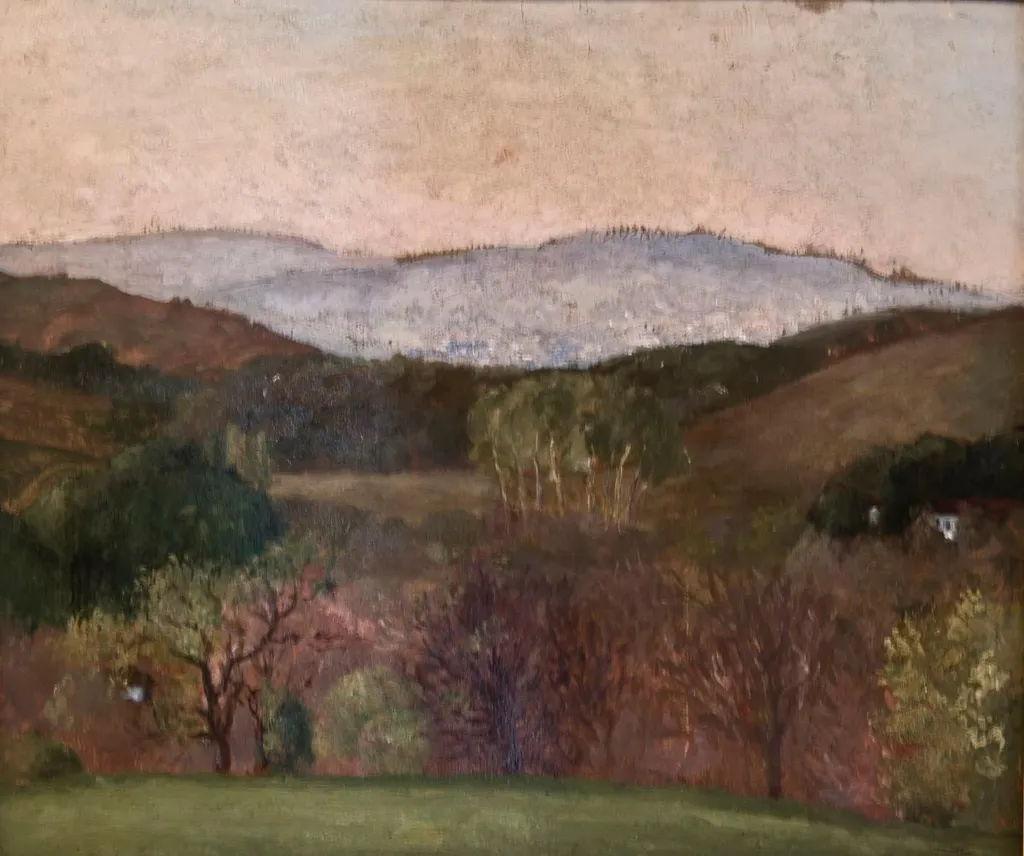
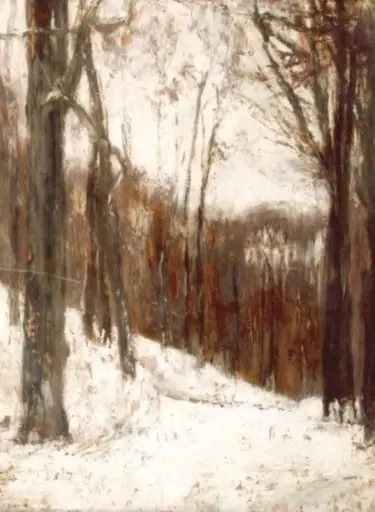
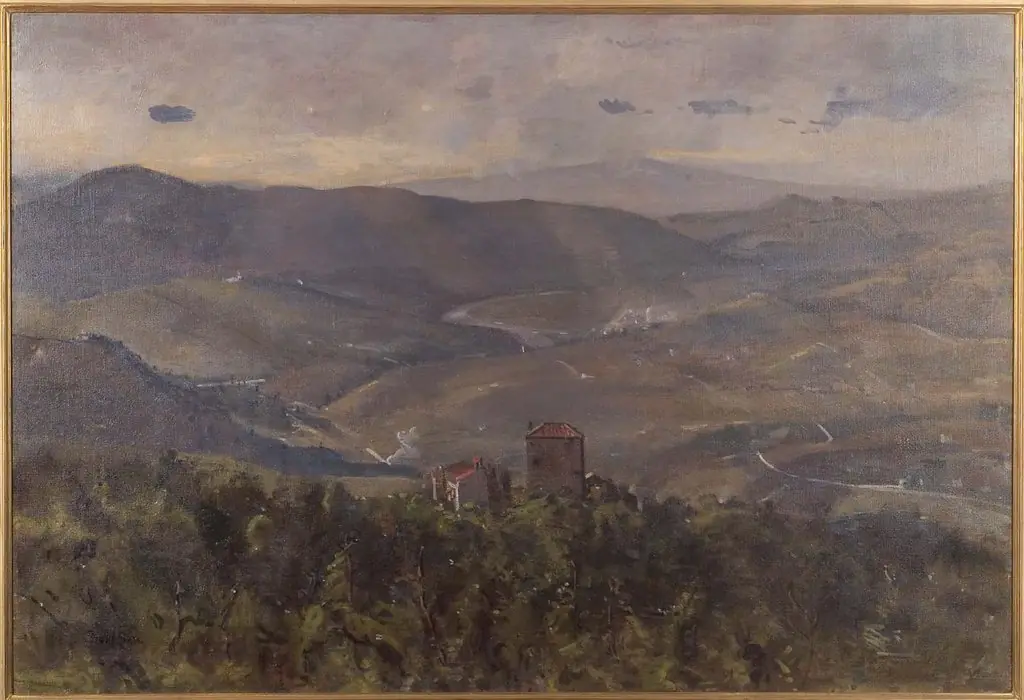
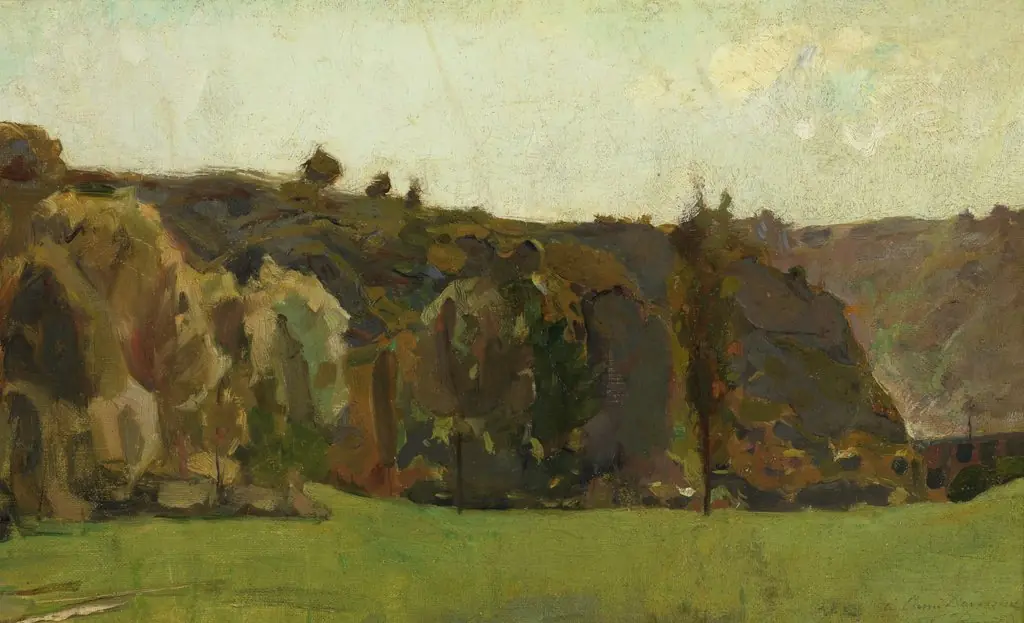
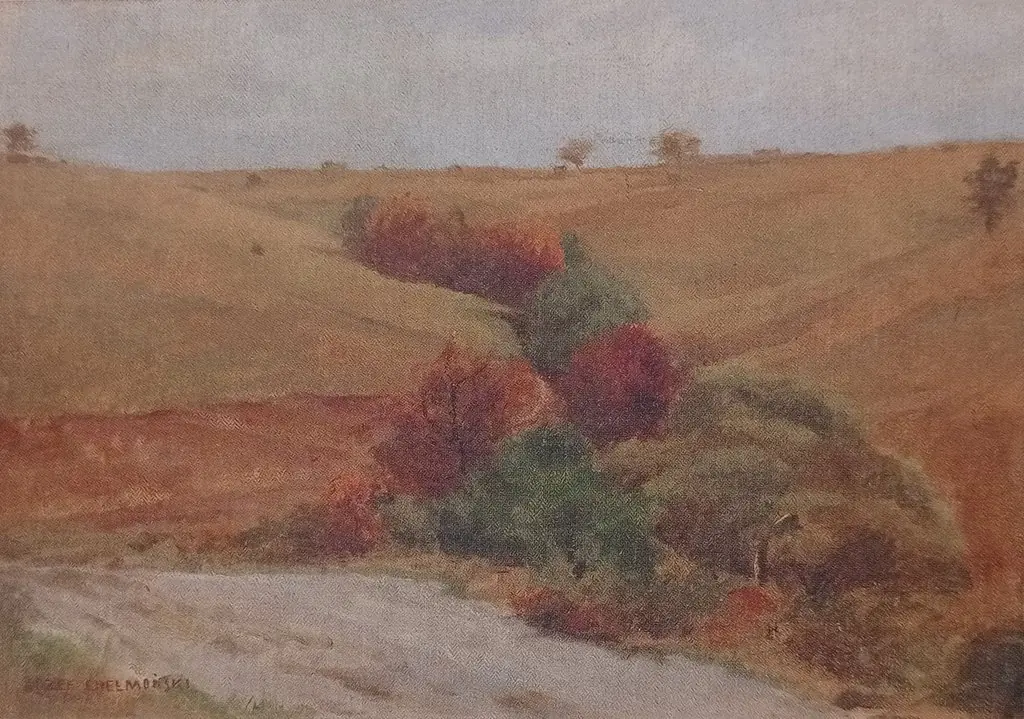
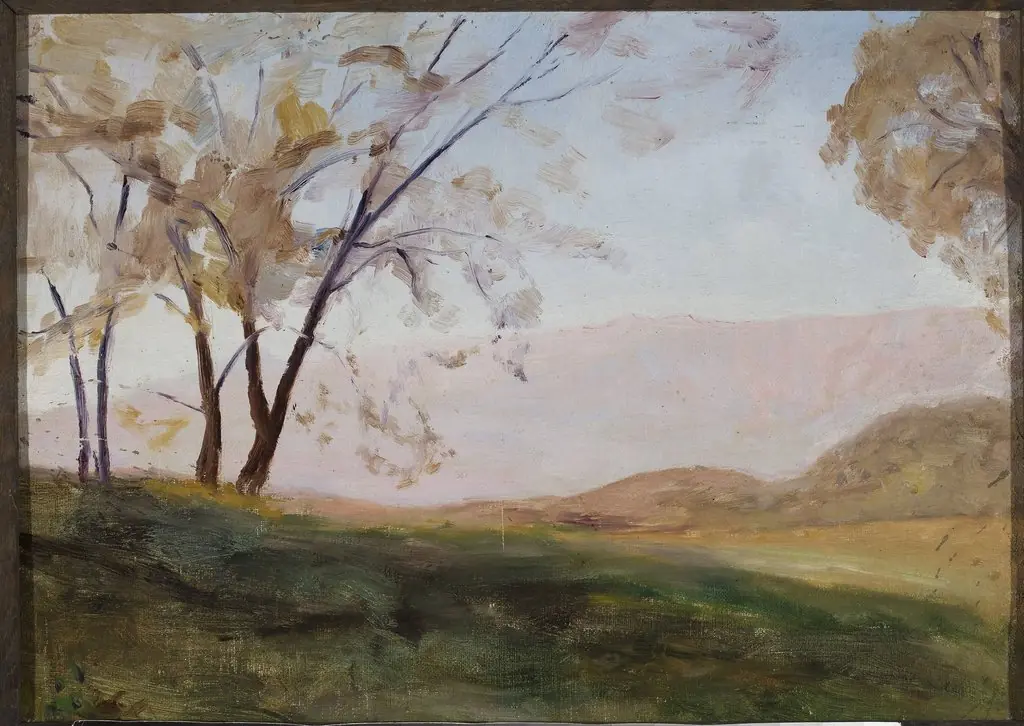
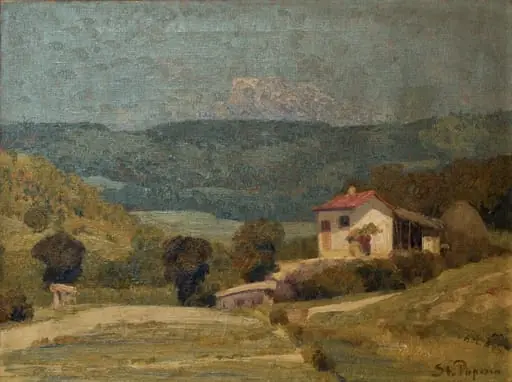
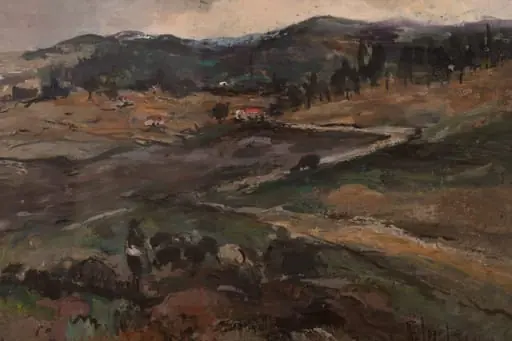
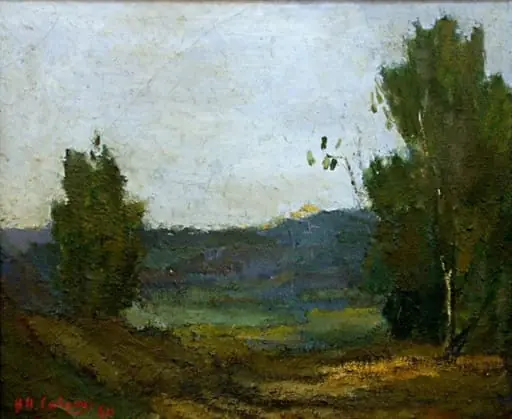
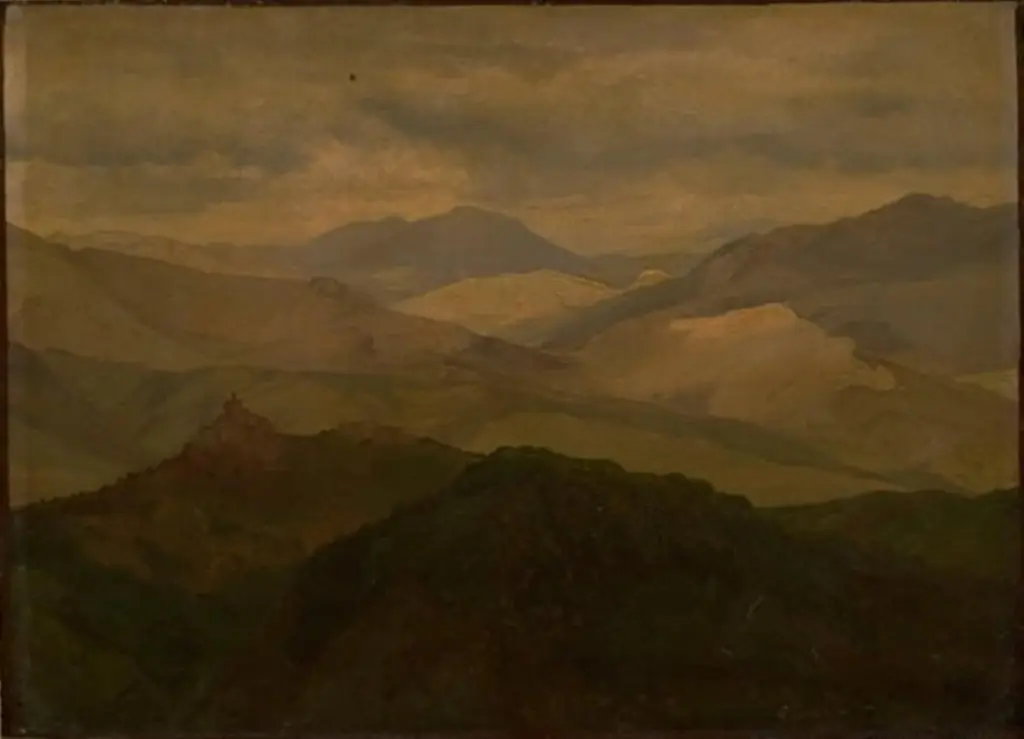
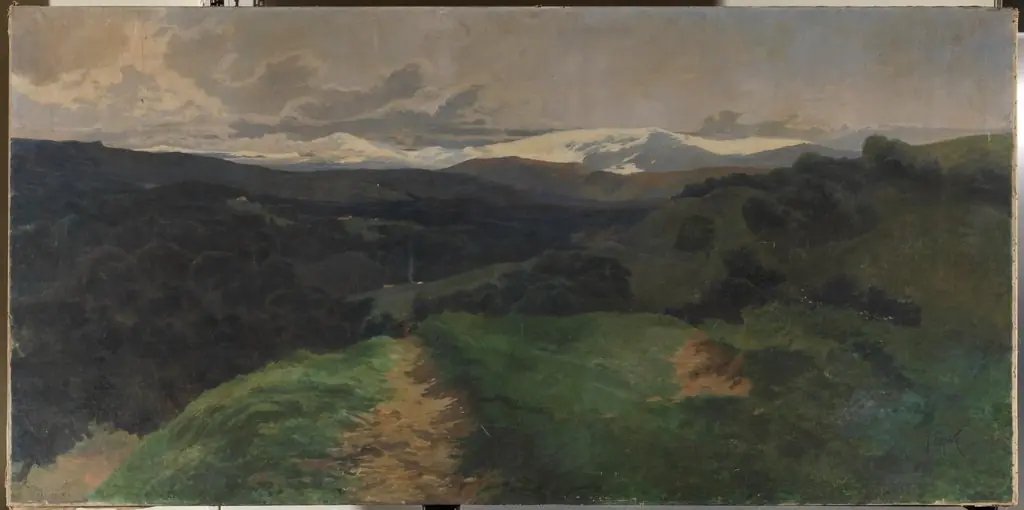
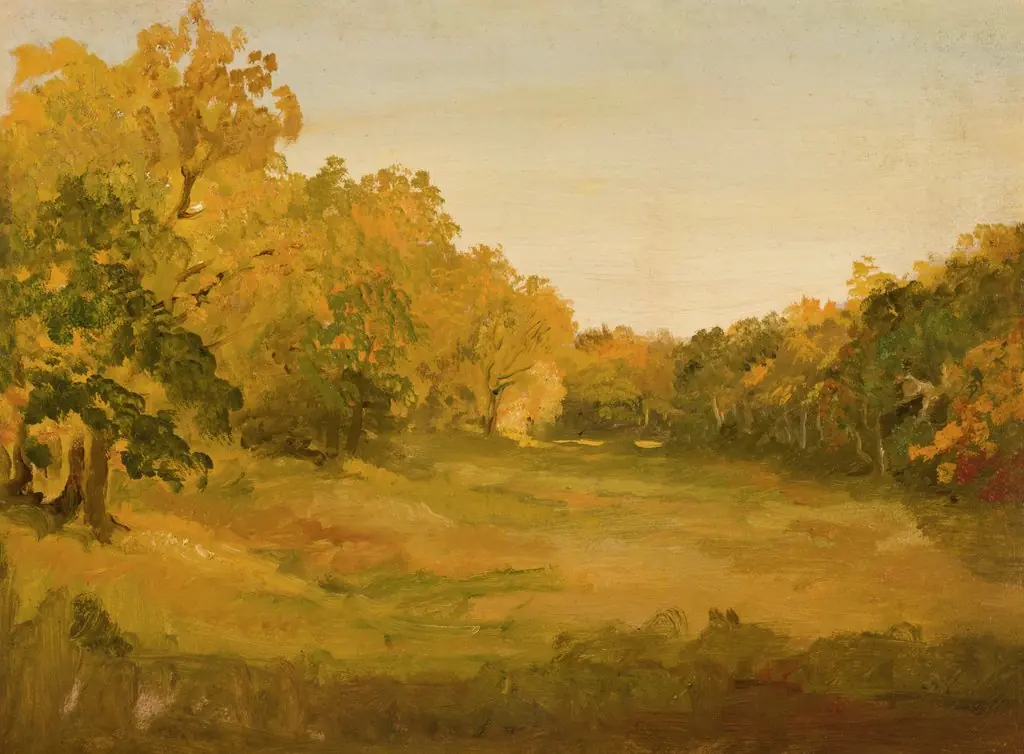
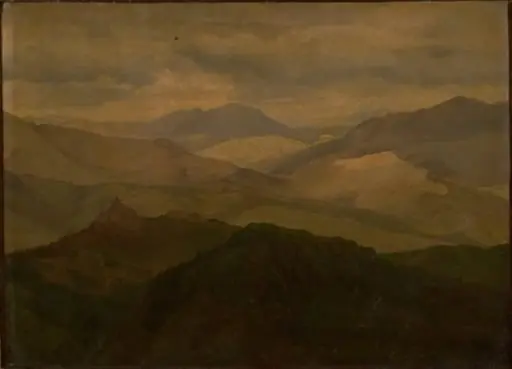
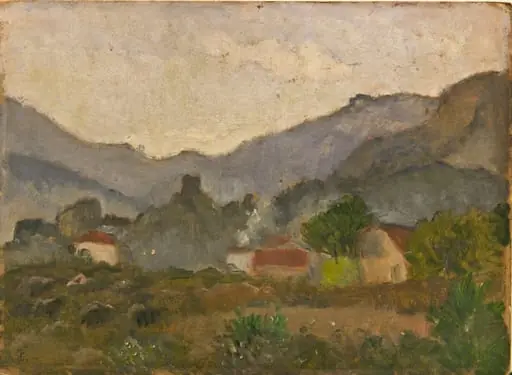
Peisaj din Bucium is an unspecified painting by Theodor Pallady. It is held in the collection of the National Museum of Art of Romania. This landscape depicts a quiet, rural scene in Bucium, rendered with loose, energetic brushwork that suggests direct observation outdoors.
About this work
Overview
This landscape depicts a quiet, rural scene in Bucium, rendered with loose, energetic brushwork that suggests direct observation outdoors. The composition unfolds in horizontal layers: foreground grass, midground trees, and distant hills, all under a pale sky. No dramatic elements interrupt the calm, and the palette remains subdued, emphasizing natural tones over theatrical effect.
Subject & Meaning
The painting presents an unembellished view of the Romanian countryside, focusing on seasonal transition—bare branches and muted earth tones imply late autumn or early spring. There is no human presence or narrative, only the quiet persistence of land and vegetation. The absence of bright color or focal points invites contemplation rather than storytelling.
Technique & Style
Brushstrokes are rapid and textured, applied with a sense of immediacy, likely en plein air. The paint is layered thinly, creating a soft, atmospheric effect rather than heavy impasto. Colors are restrained: earthy browns, olive greens, and washed-out blues blend seamlessly, avoiding contrast in favor of tonal harmony and subtle gradation.
History & Provenance
The work originates from the Bucium region in Romania, an area known for its rolling terrain and traditional rural life. While specific details of its creation or early ownership are not documented, its style aligns with late 19th- to early 20th-century Romanian landscape traditions that valued direct observation over idealized composition.
Context
This piece reflects a broader movement in Eastern European art that turned away from academic formalism toward naturalistic, intimate depictions of local scenery. Artists in this vein sought to capture the character of their homeland through direct engagement with light and terrain, often using modest palettes and spontaneous technique.
Legacy
Though not widely exhibited beyond regional collections, the painting exemplifies a quiet but persistent strand of Romanian landscape painting that prioritized authenticity over spectacle. Its approach influenced later generations who valued the emotional resonance of unadorned nature, contributing to a national visual identity rooted in place.
Artist & collection
Artist
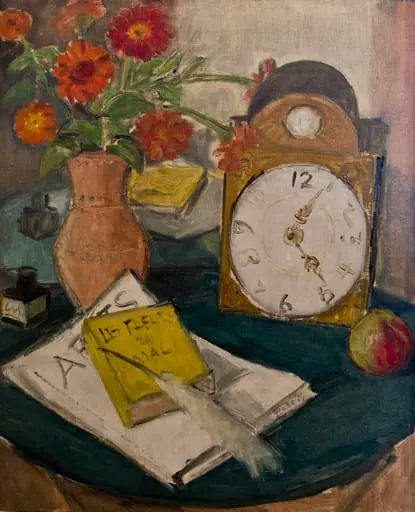
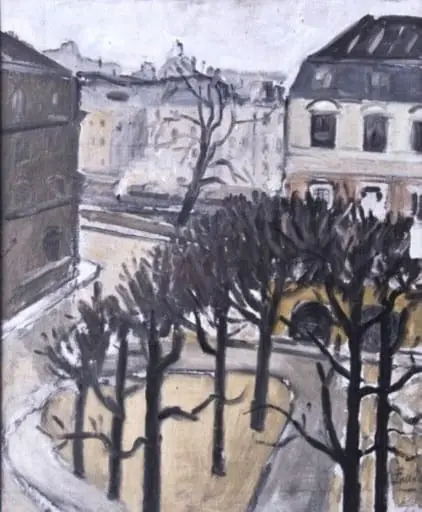
Theodor Pallady made still lifes and interiors in early 20th-century Bucharest. His Place Dauphine shows a quiet Parisian square, while Natură moartă (Ulcică cu flori și chibrituri) piles everyday objects on a table.…