Artwork
Mountain landscape
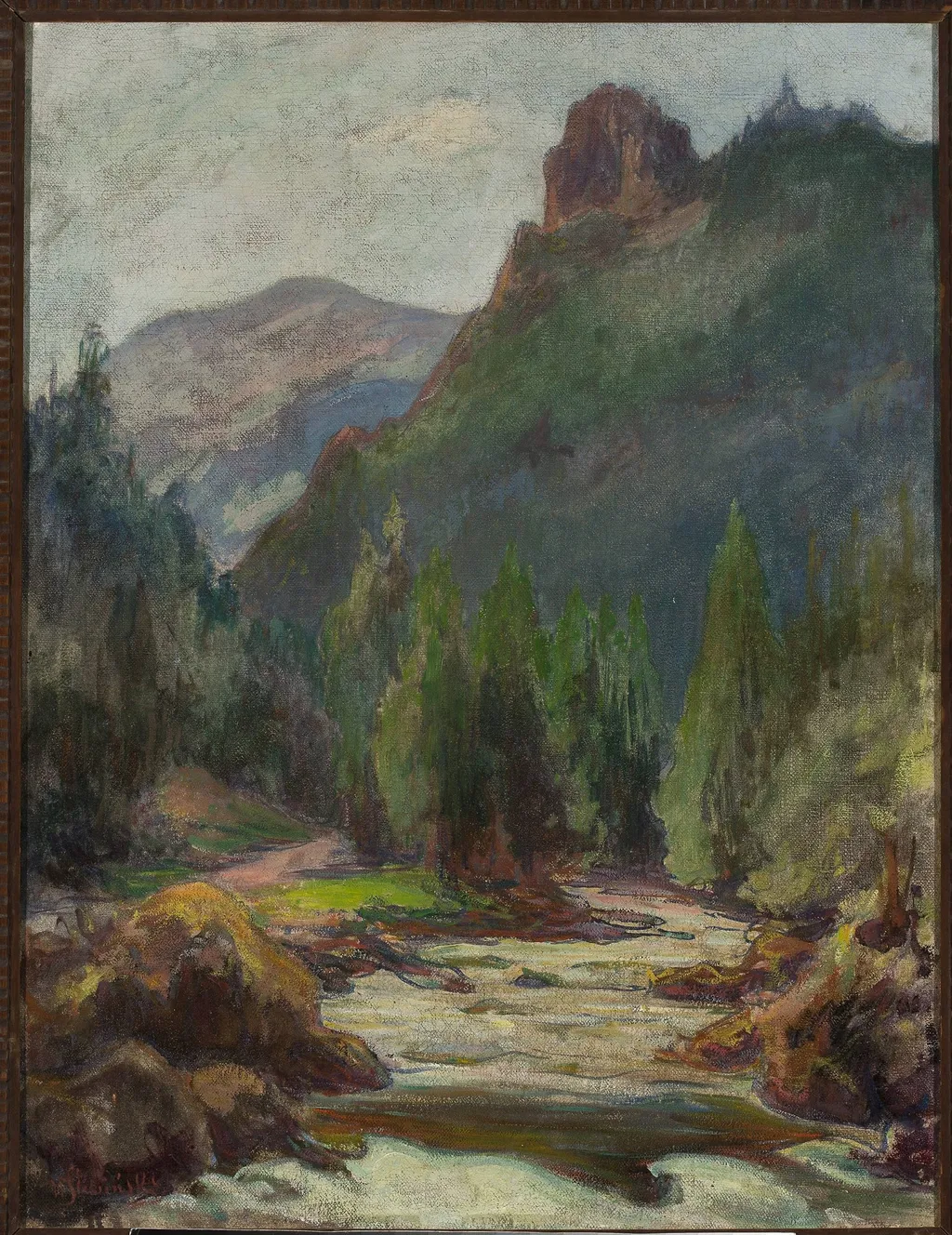
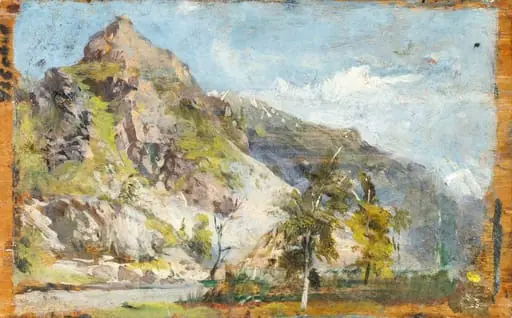
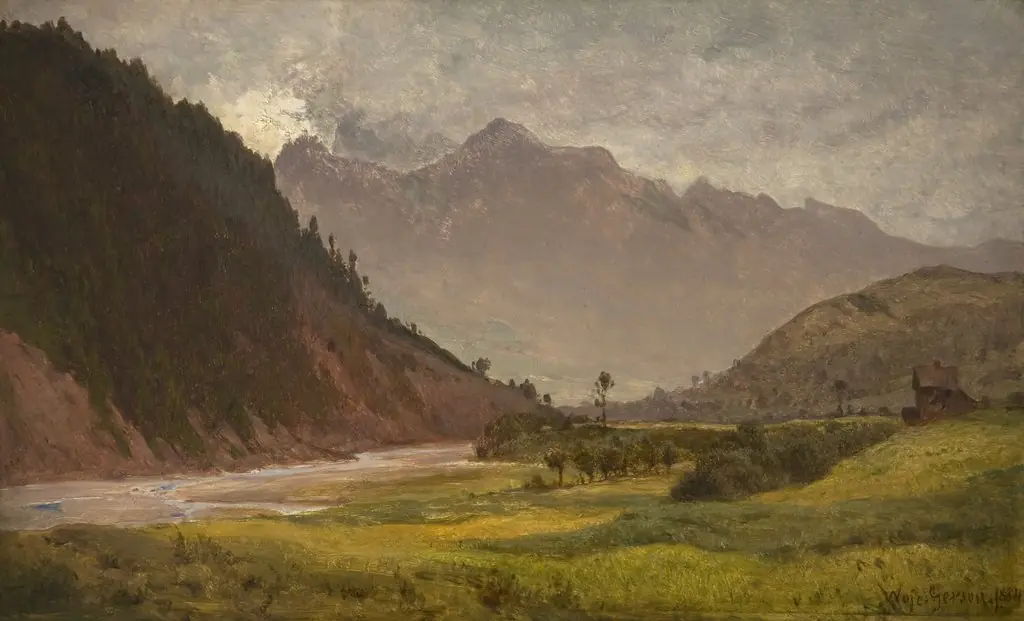
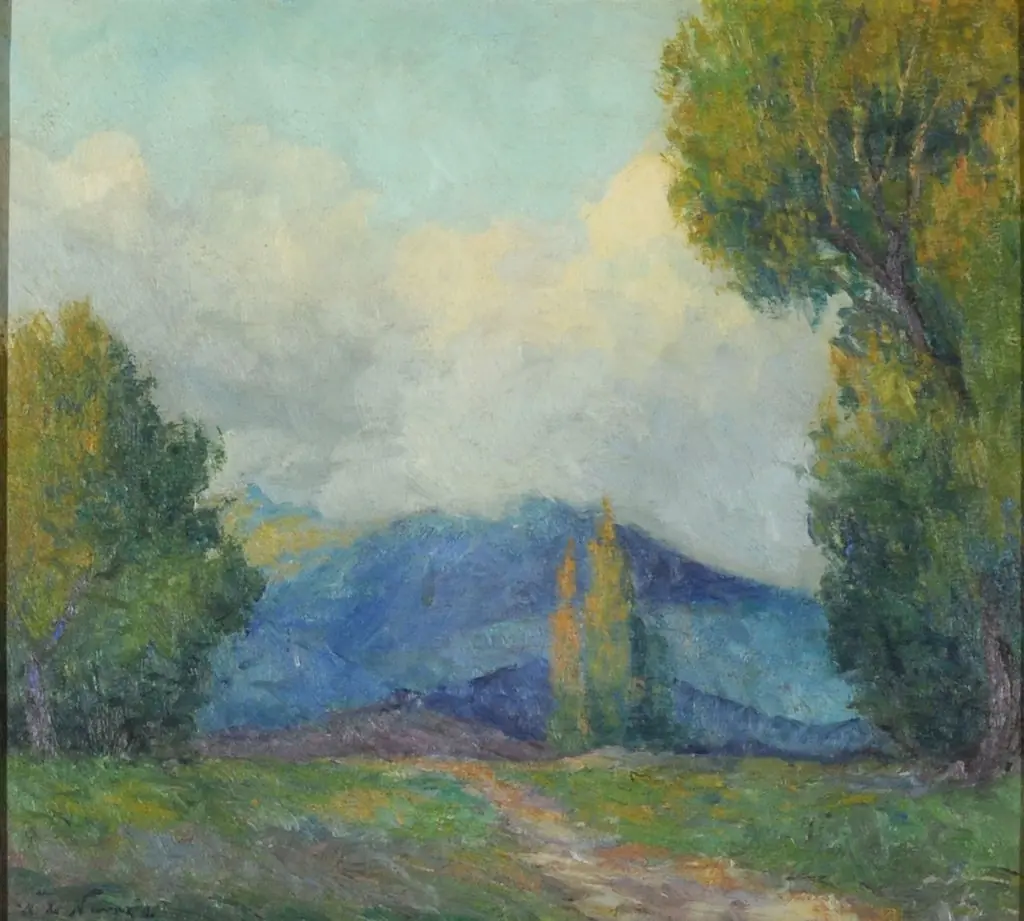
Mountain landscape is an oil painting by the Post-Impressionist artist Władysław Ślewiński. It dates from 1903 and is held in the collection of the National Museum in Warsaw.
About this work
Overview
Mountain landscape, created by Władysław Ślewiński in 1903, is an oil painting housed at the National Museum in Warsaw. Characterized by a serene depiction of natural scenery, the work reflects Ślewiński's engagement with Post-Impressionist tendencies.
Subject & Meaning
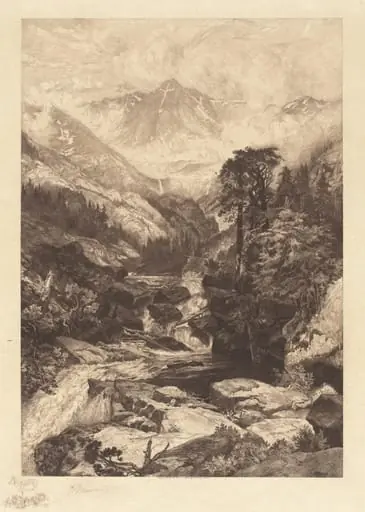
The painting focuses on a tranquil mountain landscape, where a prominent background mountain contrasts with a foreground river. This composition conveys a sense of peaceful coexistence between natural elements, inviting contemplation.
Technique & Style
Ślewiński employed oil paint to achieve depth and texture, evident in visible brushstrokes. A muted color scheme, dominated by greens and browns, complements the use of chiaroscuro, enhancing the spatial and atmospheric depth of the scene.
History & Provenance
As a key figure in the Young Poland movement, Ślewiński's work, including *Mountain landscape*, situates him within the broader Post-Impressionist context, influenced by his studies under Paul Gauguin.
Context
Created in 1903, the painting reflects the early 20th-century artistic shift towards expressive and emotionally charged representations of nature, characteristic of Post-Impressionism's diverse manifestations across Europe.
Legacy
While specific lasting impacts of *Mountain landscape* on subsequent art movements are not prominently documented, it remains a notable example of Polish Post-Impressionist landscape painting of its time.
Artist & collection
Artist
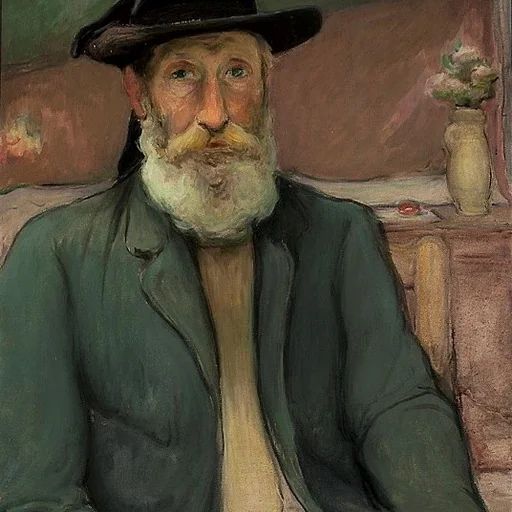
Władysław Ślewiński (1 June 1856 – 24 March 1918) was a Polish painter. He was one of Gauguin's students and a leading artist of the Young Poland movement.