Artwork
Still Life with Books in a Niche
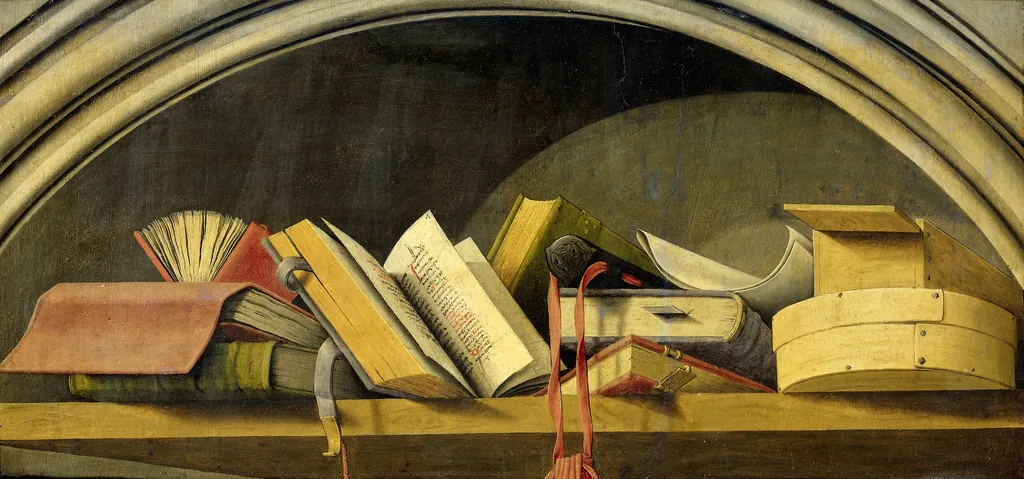
Still Life with Books in a Niche is an oil painting by the Northern Renaissance artist Barthélemy d'Eyck. It dates from 1442 and is held in the collection of the Rijksmuseum.
About this work
Overview
It is one of the earliest known examples of a still life composed solely of inanimate objects, marking a shift toward secular subjects in Northern European art.
Painted in 1442, this oil-on-panel work is attributed to Barthélemy d’Eyck, an artist active in the courts of France and Burgundy during the mid-15th century. Though no surviving documents directly link him to this piece, stylistic analysis and historical context support the attribution. It is one of the earliest known examples of a still life composed solely of inanimate objects, marking a shift toward secular subjects in Northern European art.
Subject & Meaning
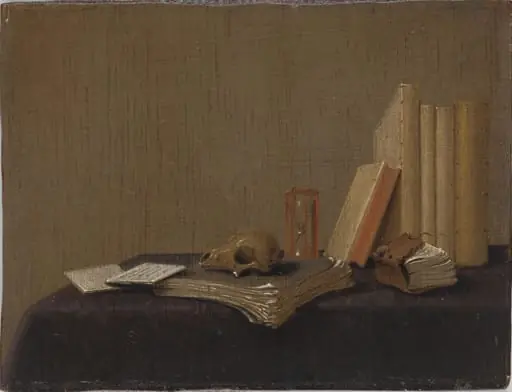
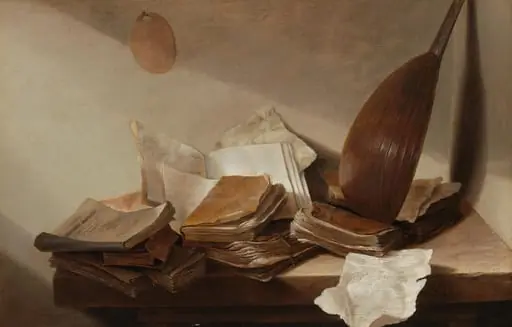
The painting depicts a curated assemblage of books and loose papers arranged within a shallow, arched niche. Varying sizes, bindings, and open or closed states suggest a personal library or scholarly space. The red ribbon, dangling from above, may imply a temporary pause in study or a symbolic gesture of preservation. The arrangement invites quiet reflection, emphasizing the value of written knowledge without overt religious or narrative context.
Technique & Style
D’Eyck employed oil paint with meticulous attention to surface textures—leather bindings, parchment edges, and paper folds are rendered with subtle gradations of light and color. The niche’s recessed space creates depth through careful perspective, while the muted palette highlights the richness of materials. This precision reflects his background in manuscript illumination, where fine detail and material realism were paramount.
History & Provenance
The painting entered the Louvre’s collection in the 19th century, though its earlier ownership remains undocumented. It was likely commissioned by a member of the Burgundian court or a learned patron, given the artist’s known associations. No other works by d’Eyck are definitively confirmed, making this painting a crucial reference point for understanding his artistic approach and the evolution of still life in Northern Europe.
Context
Created during the Northern Renaissance, the work reflects a growing interest in the material world beyond religious iconography. While religious themes dominated most art of the period, this painting signals a quiet secularization—valuing books as objects of intellectual and personal significance. Similar compositions appear later in the 16th century, but this remains among the earliest known examples of its kind.
Legacy
Though d’Eyck’s name faded from prominence after his death, this painting influenced later Northern European still life traditions. Its focus on everyday objects, rendered with quiet dignity, prefigures the works of 17th-century Dutch painters. As one of the first independent still lifes, it represents a foundational moment in the history of Western art, where the mundane became worthy of sustained visual attention.
Artist & collection
Artist
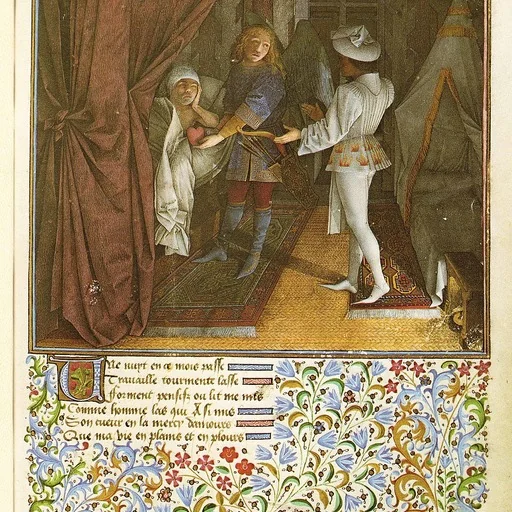
Barthélemy d'Eyck, van Eyck or d' Eyck (c. 1420 – after 1470), was an Early Netherlandish artist who worked in France and probably in Burgundy as a painter and manuscript illuminator. He was active between about 1440 to…

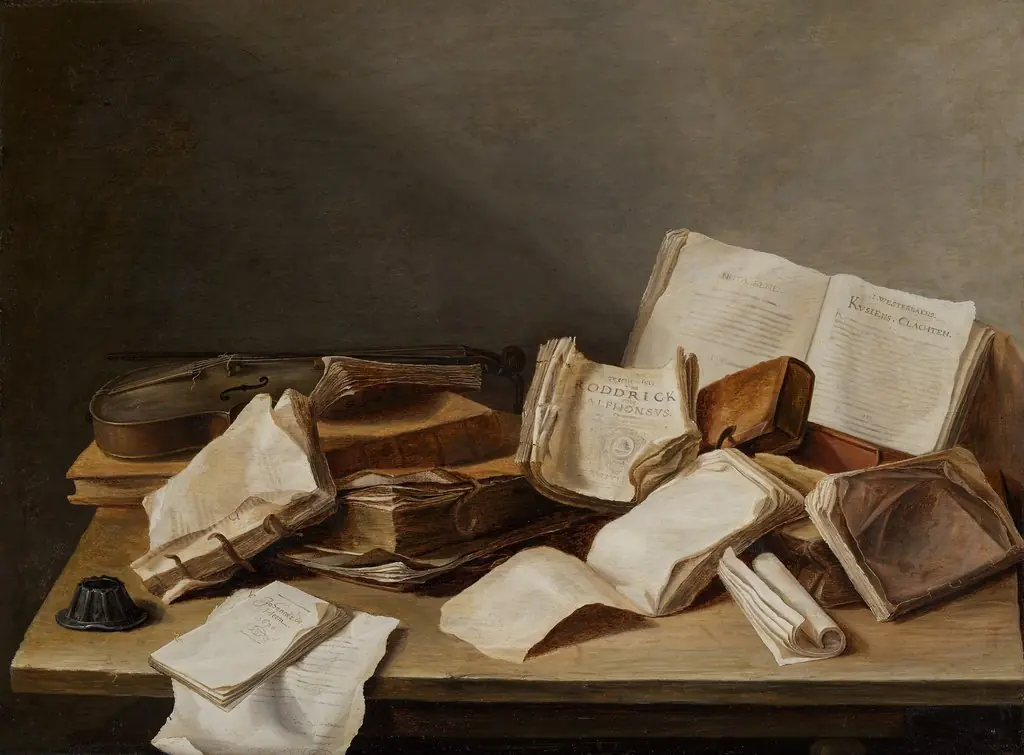 Still-Life of Books
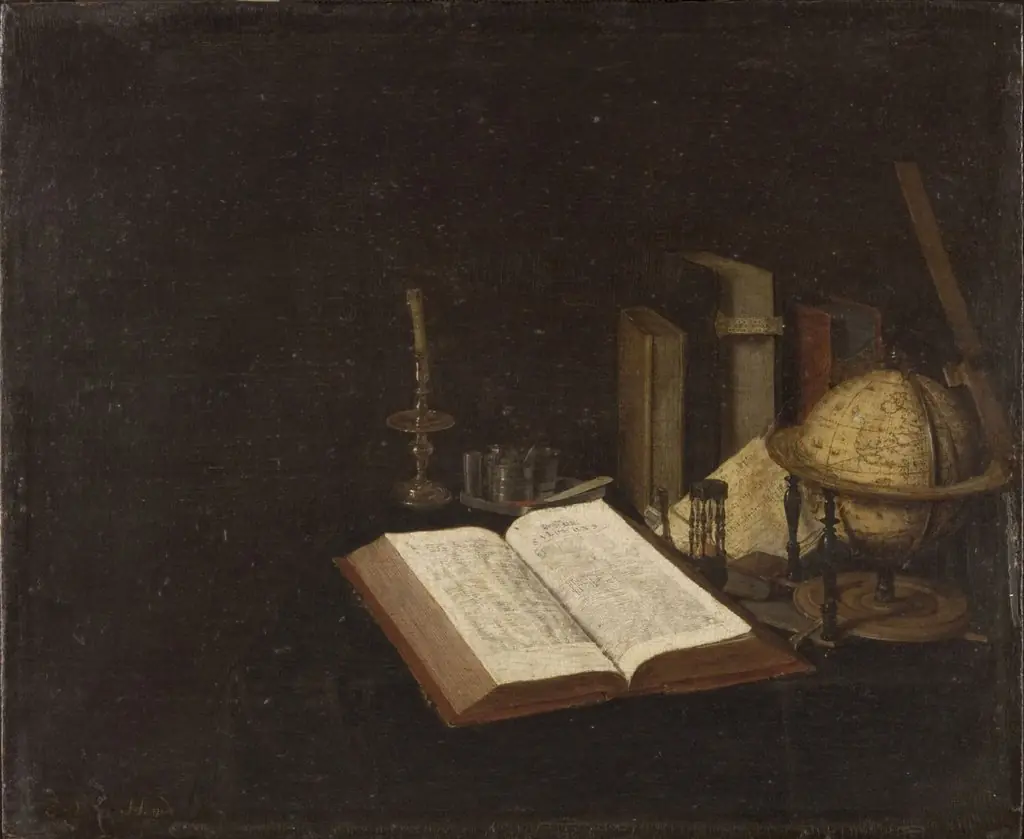 Still Life with Books and a Globe
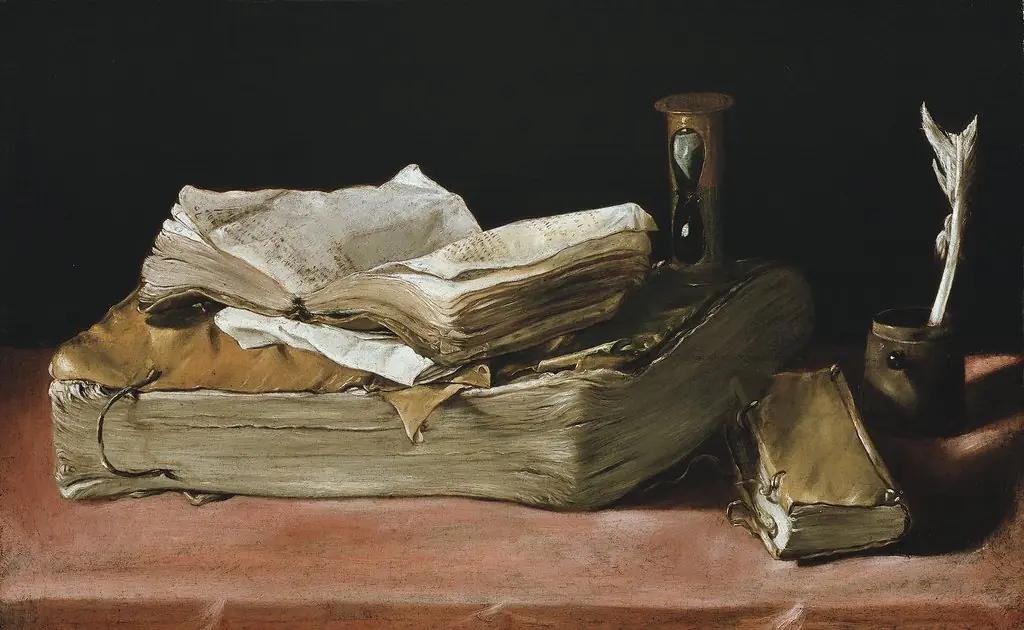 Still Life with Books
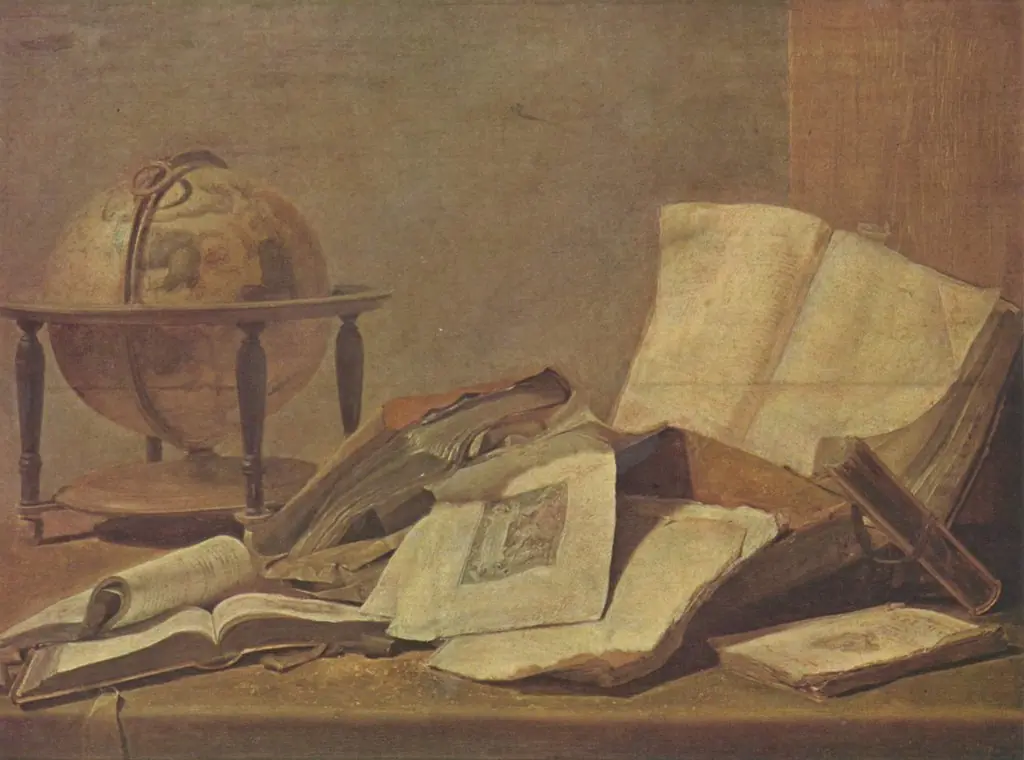 Still-life with Books and Globe
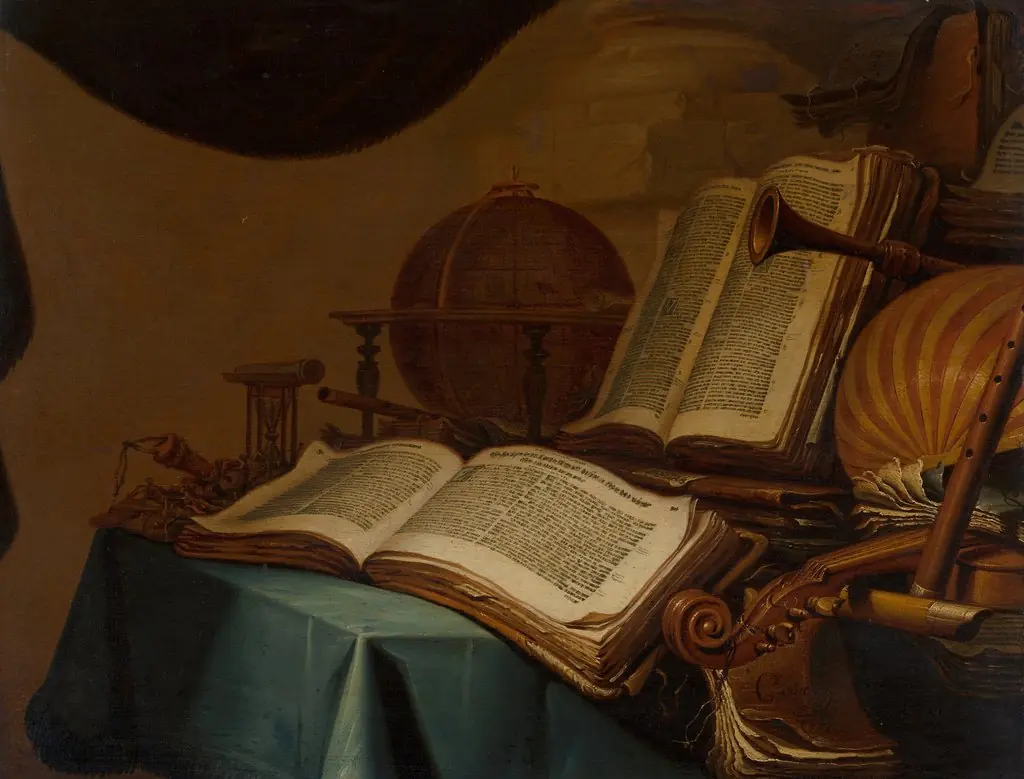 Still Life with Books, a Globe and Musical Instruments
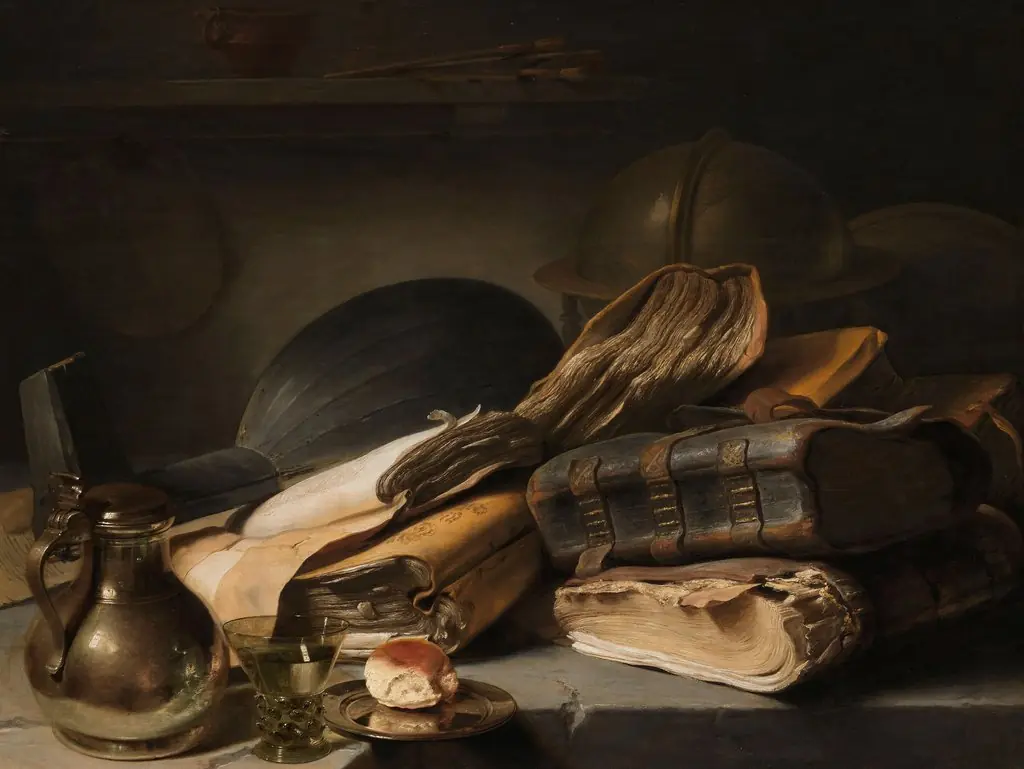 Still Life with Books
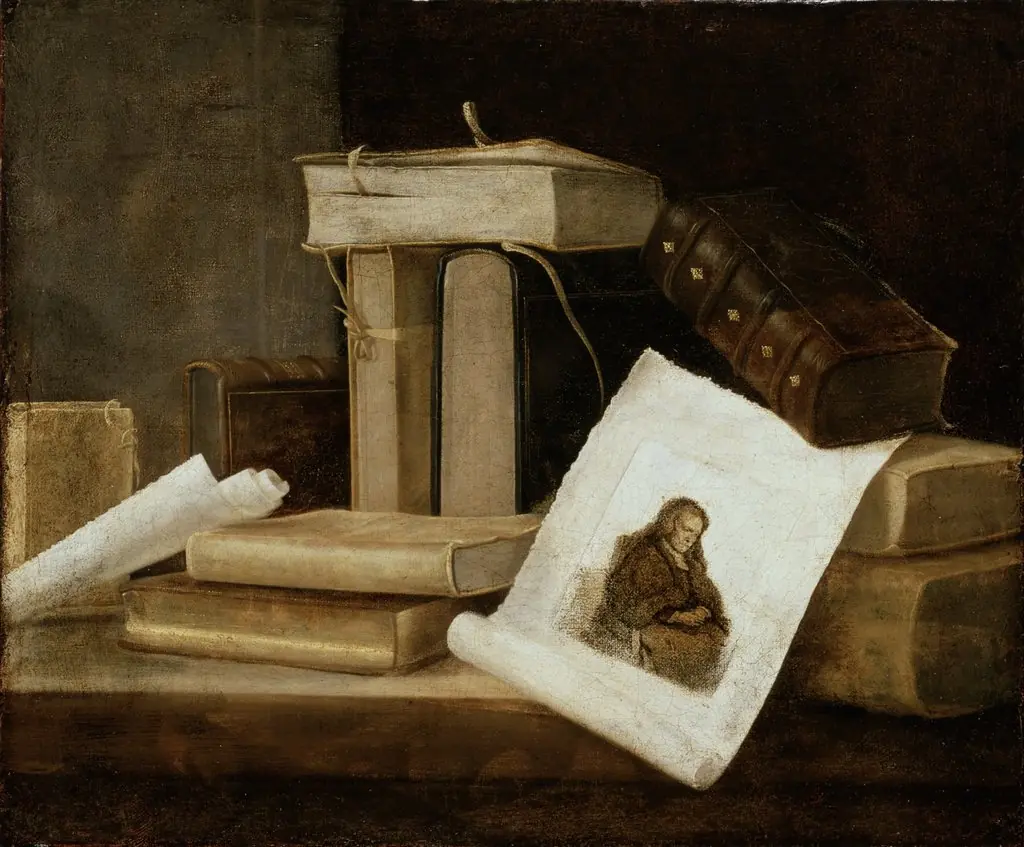 Still Life of Books and a Rembrandt Engraving
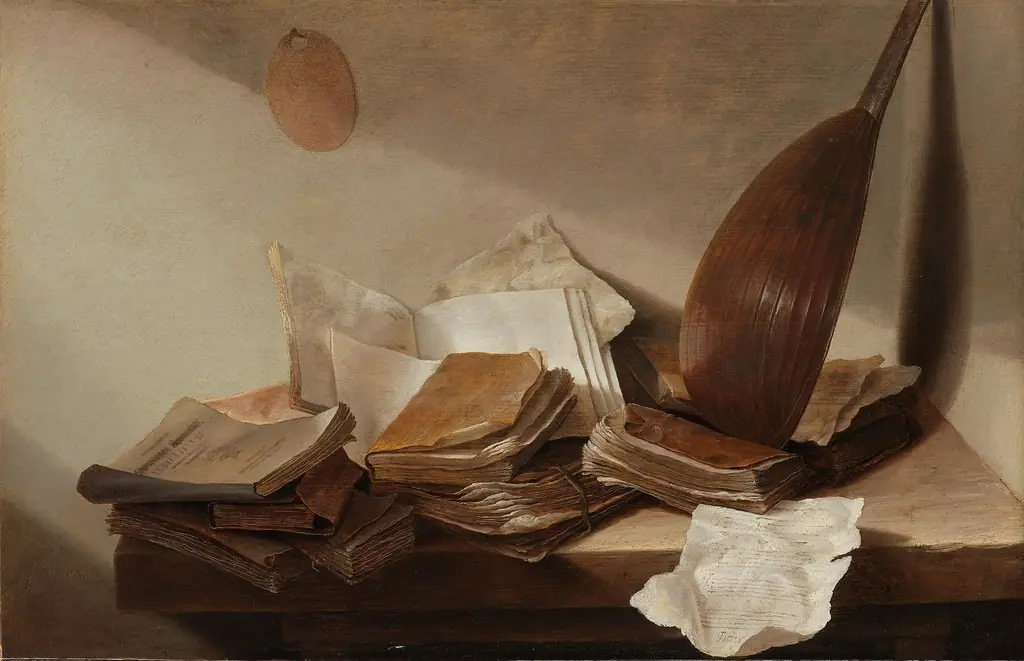 Still Life with Books
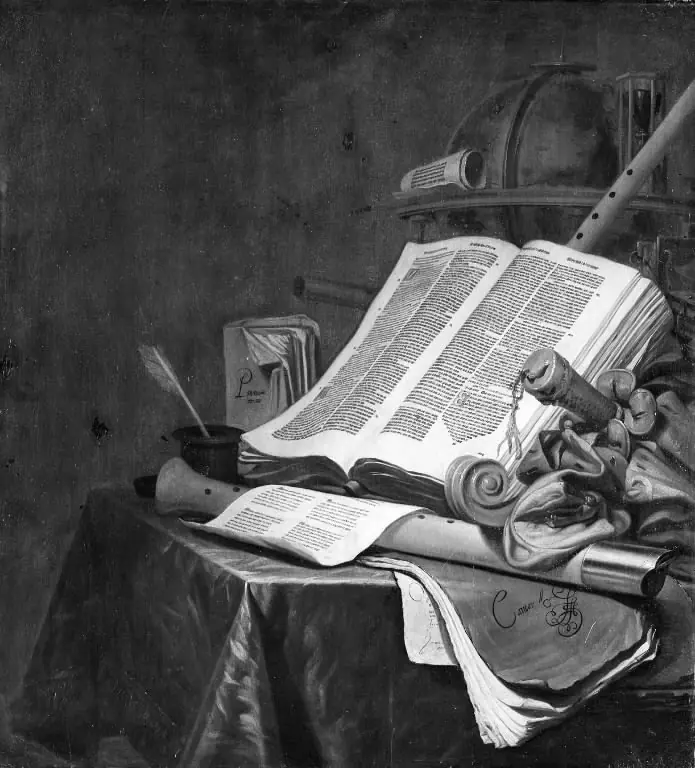 Still Life with Books and Musical Instruments
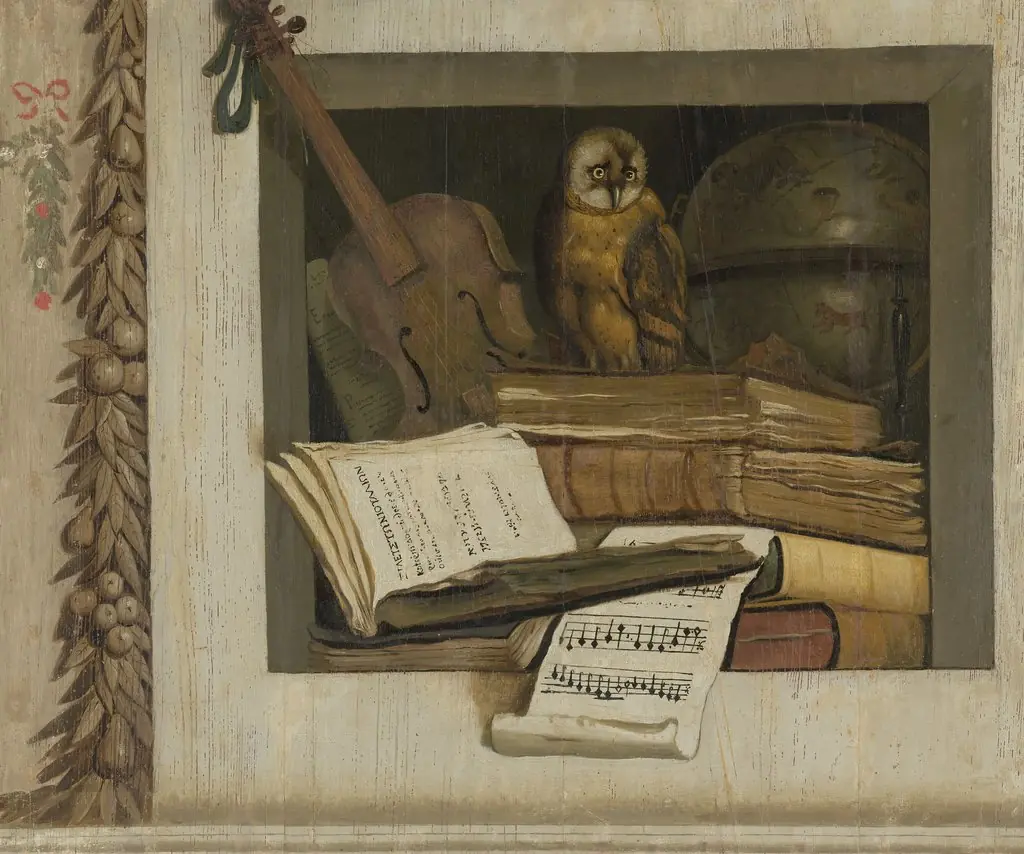 Still Life with Books, Sheet Music, Violin, Celestial Globe and an Owl
 Still life with skull, books, candle and a flask
 Library Interior with Still Life