Artwork
Vanitas Still Life
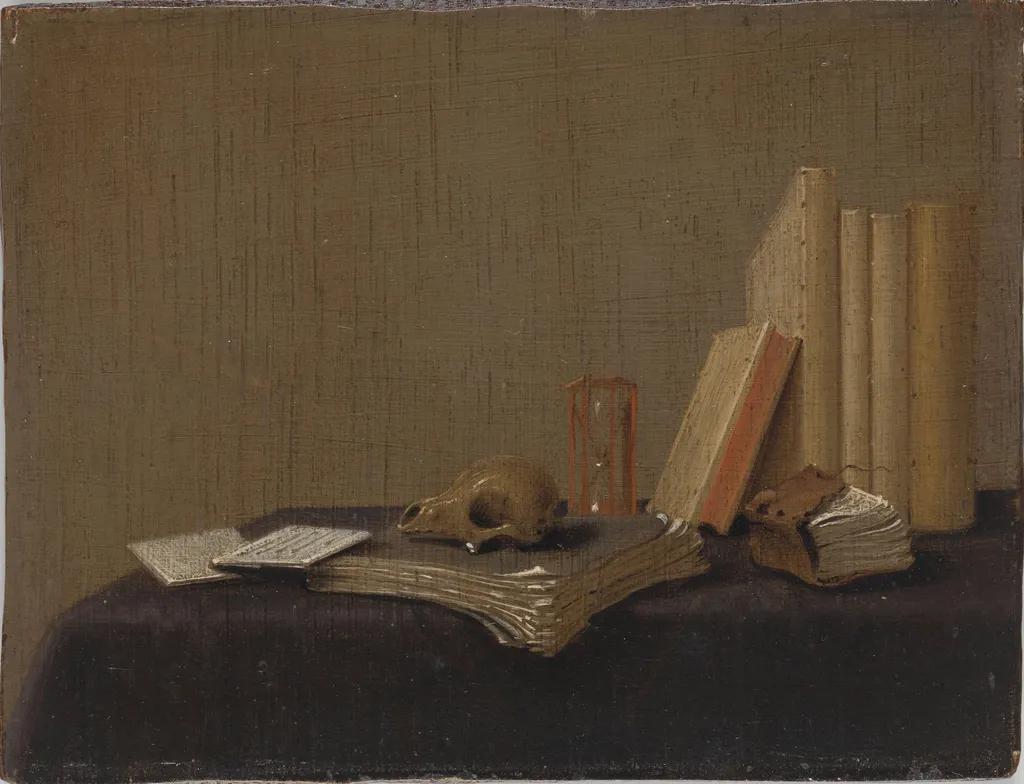
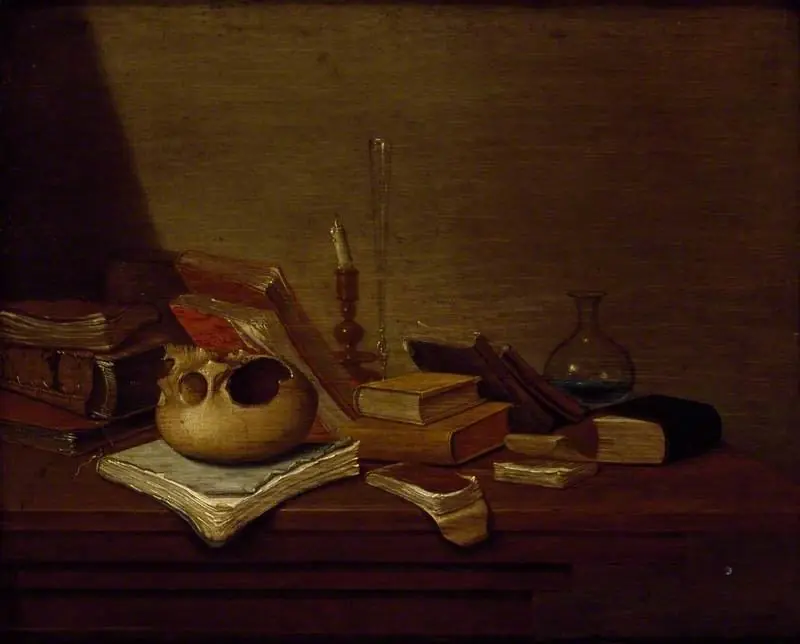
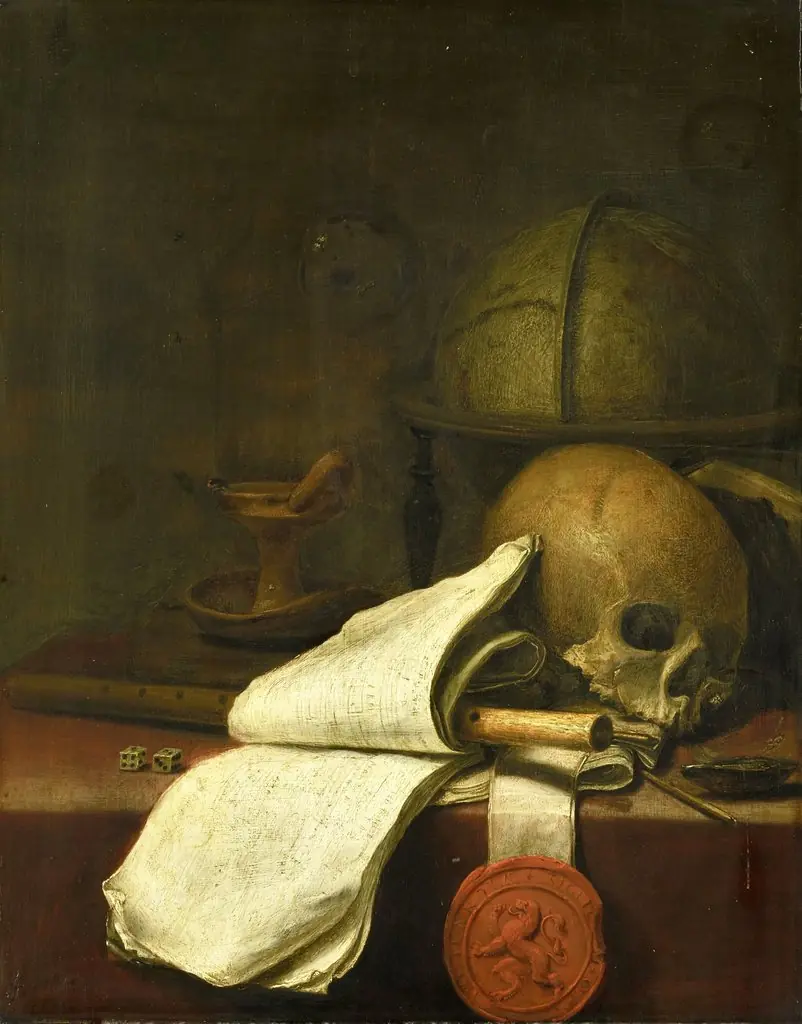
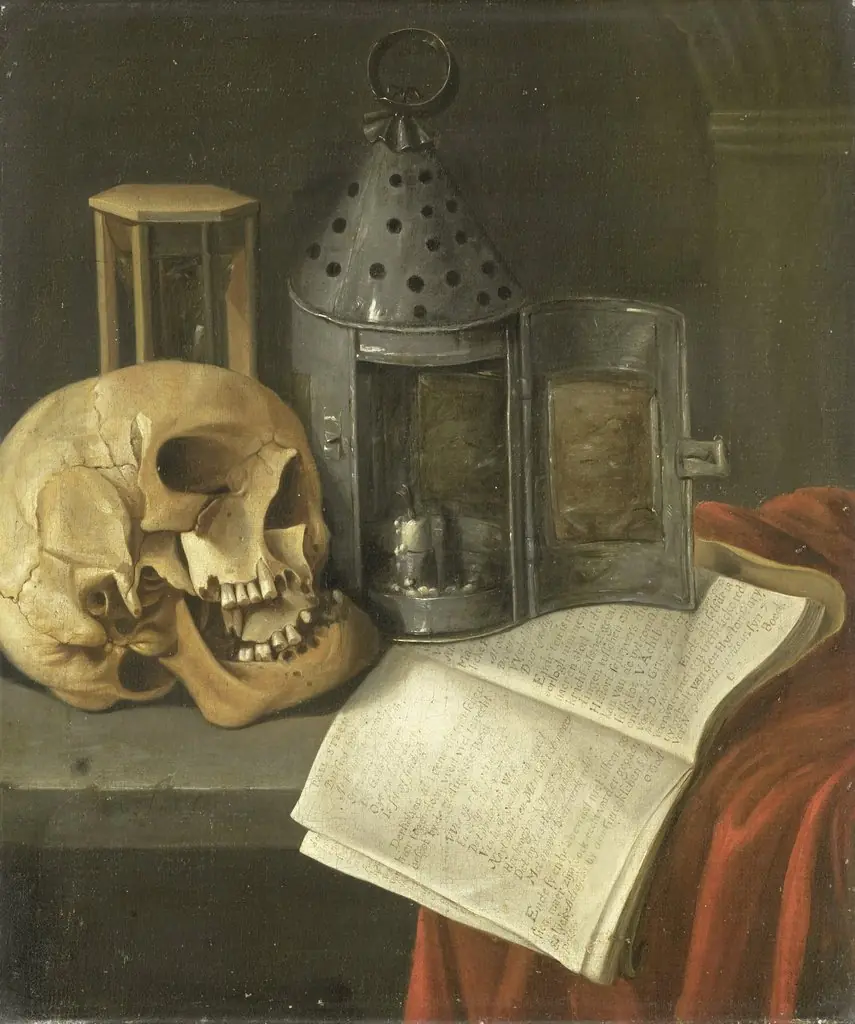
Vanitas Still Life is an unspecified painting by the Dutch Golden Age artist Gerrit van Vucht. It dates from 1678 and is held in the collection of the Rijksmuseum.
About this work
Overview
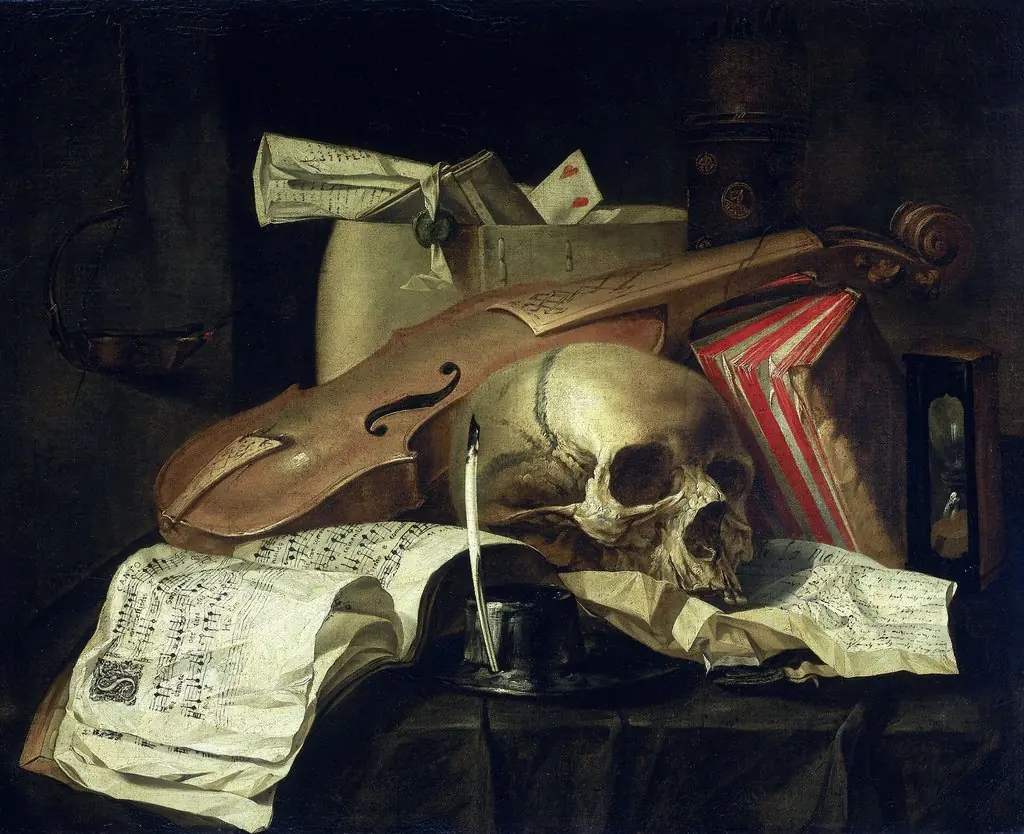
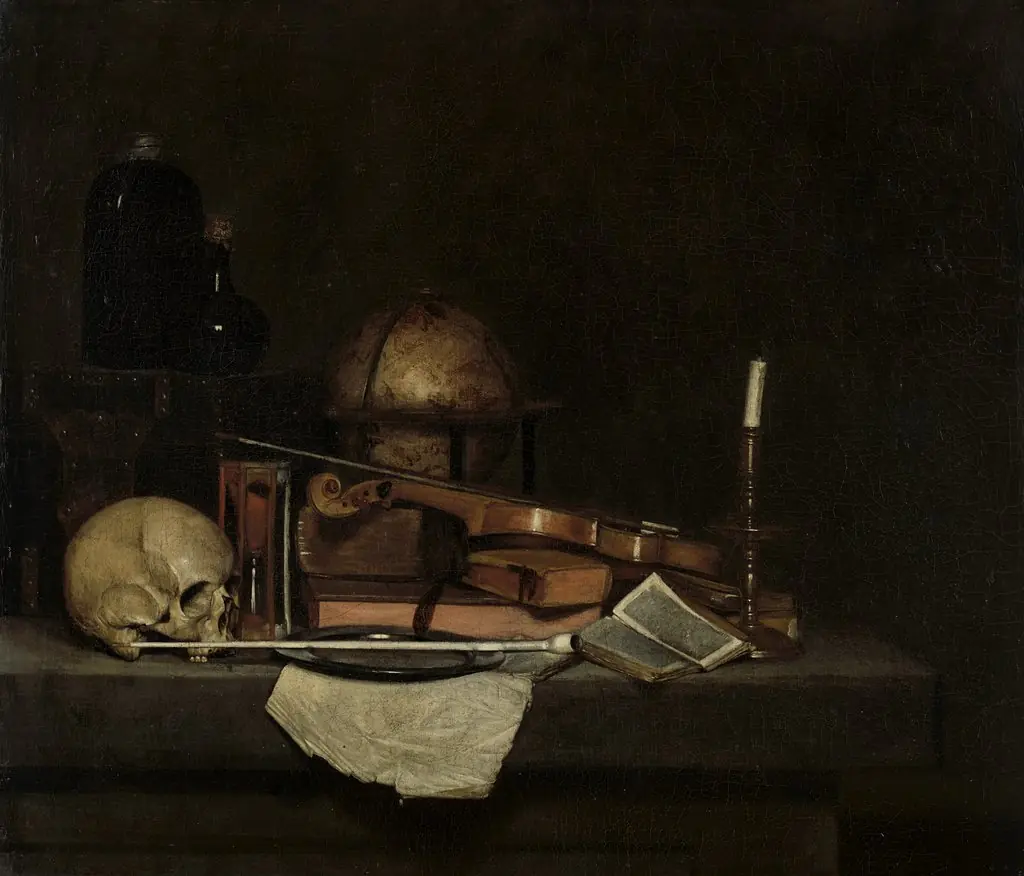
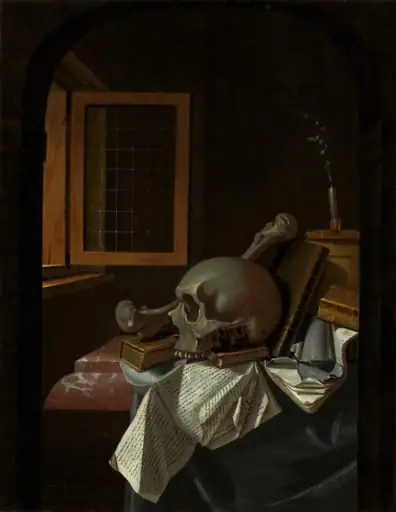
This painting belongs to the vanitas tradition, a genre of still life that reflects on the transience of life and the futility of earthly pursuits.
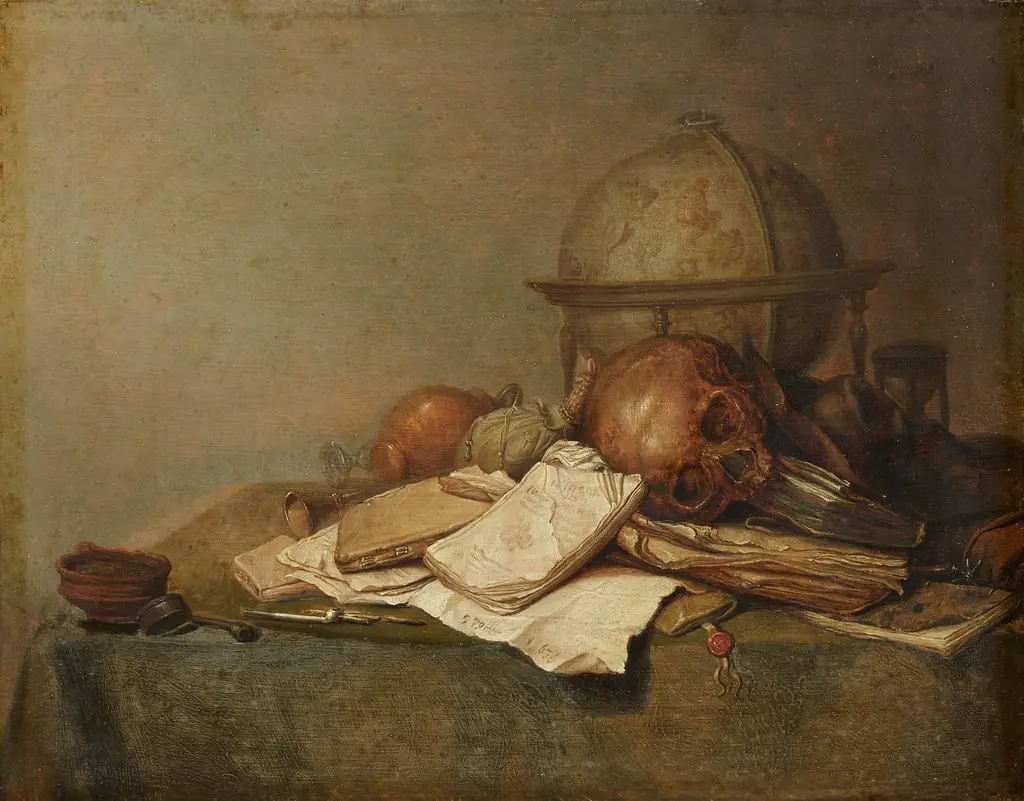
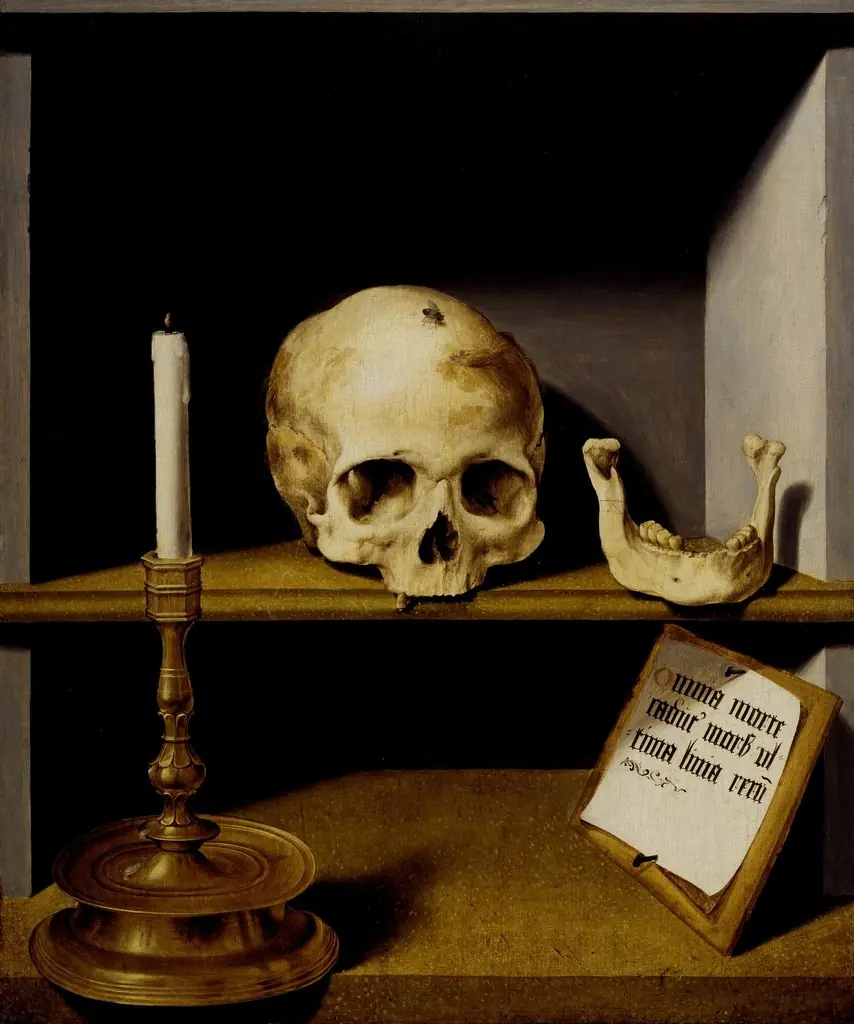
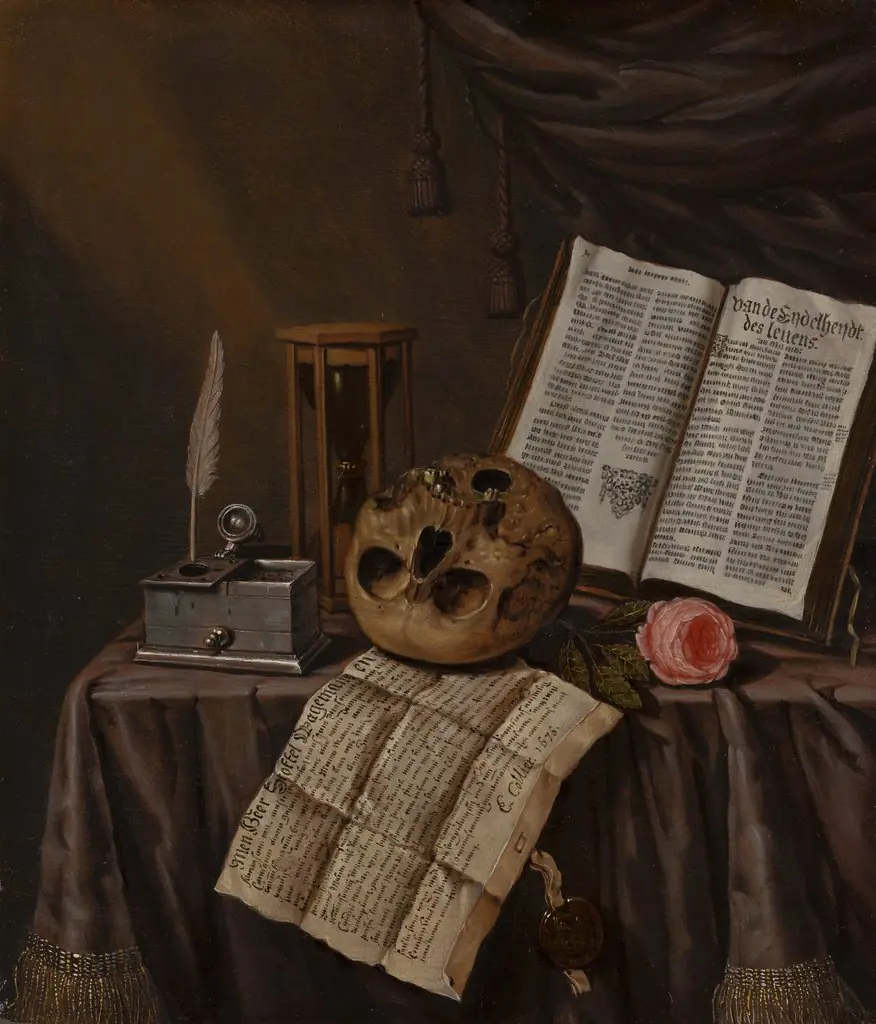
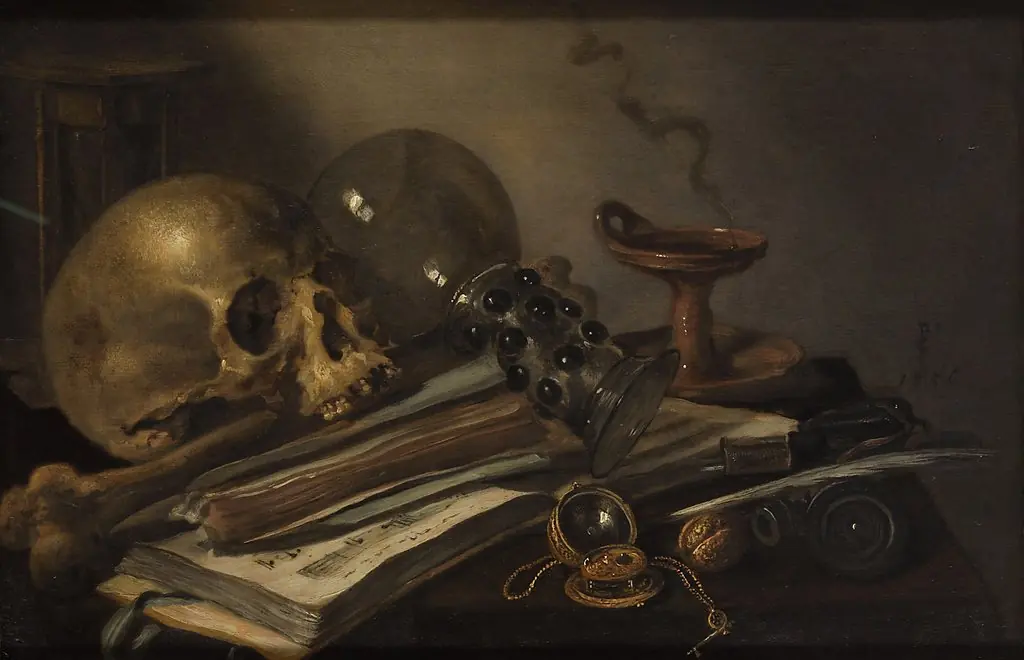
This painting belongs to the vanitas tradition, a genre of still life that reflects on the transience of life and the futility of earthly pursuits. Arranged on a plain surface, ordinary objects—books, papers, a skull, and an hourglass—form a quiet meditation on mortality. The absence of a signed artist’s name leaves the work anonymous, though its composition follows established conventions of Northern European still life from the 17th century.
Subject & Meaning
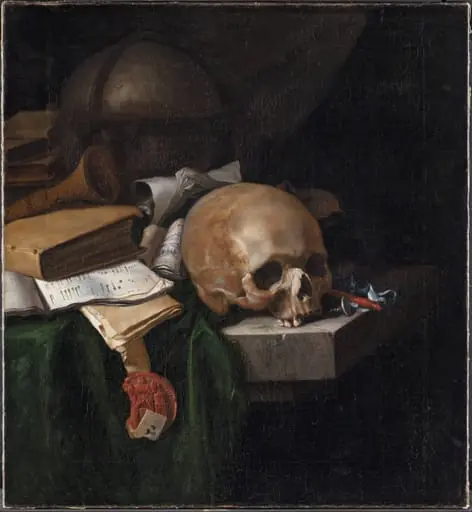
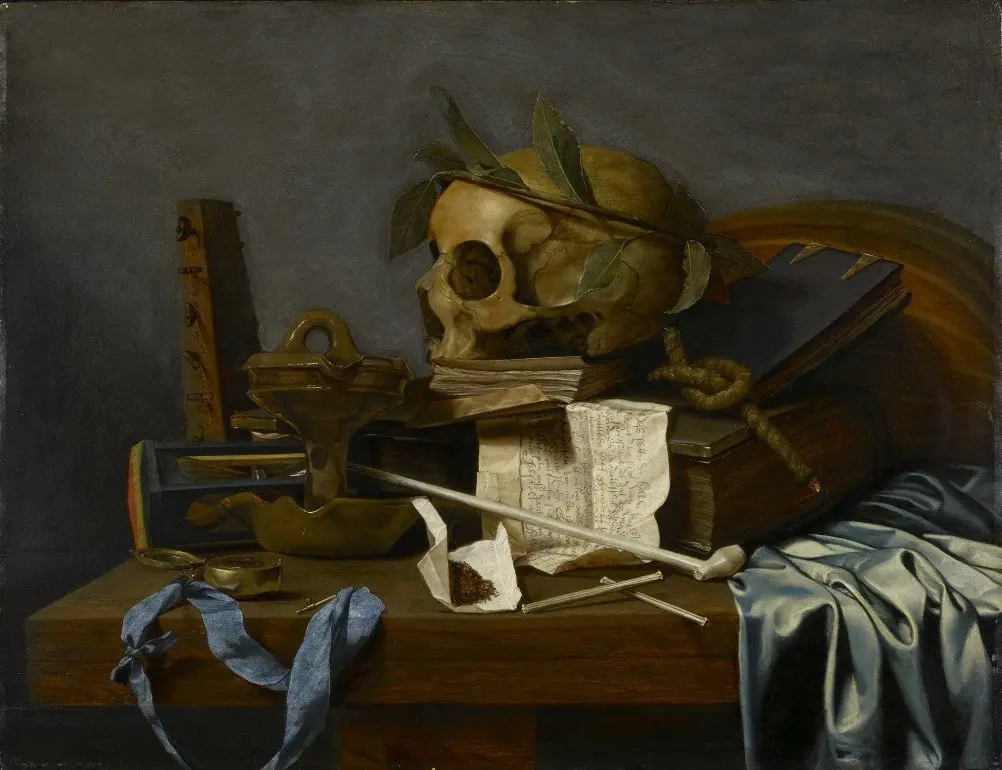
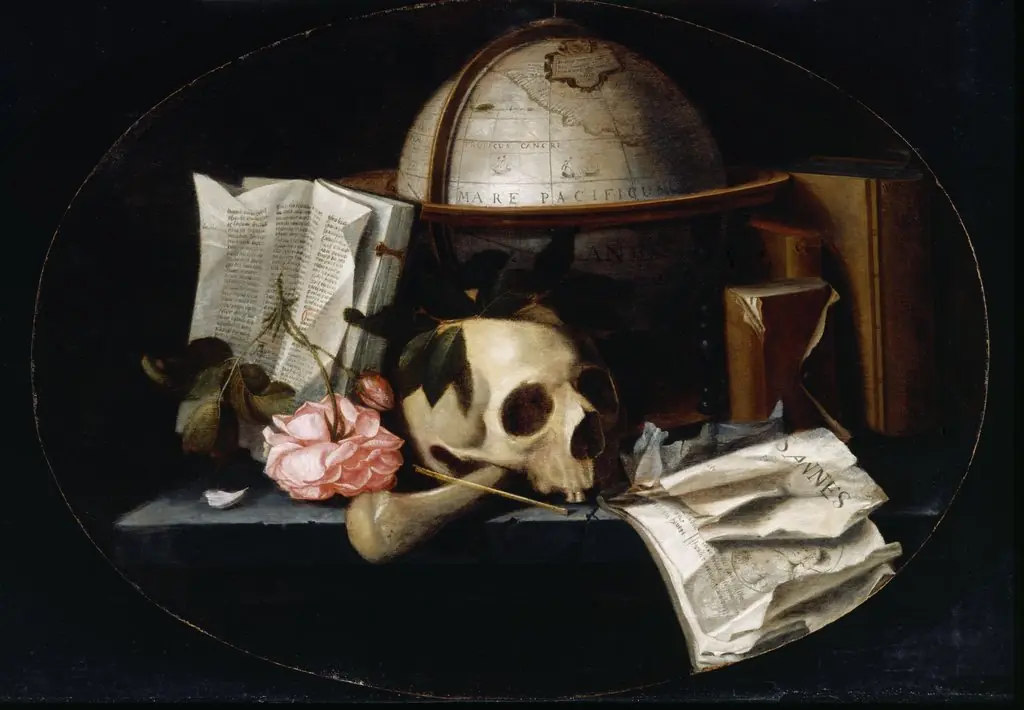
The skull symbolizes death, while the hourglass measures the passage of time, both serving as visual warnings against vanity and excess. Books and scattered papers suggest intellectual and worldly achievements, yet their disorder implies their ultimate insignificance. Together, these elements invite contemplation rather than alarm, urging the viewer to consider spiritual priorities over material concerns.
Technique & Style
The painting employs muted tones and soft lighting to create a somber, introspective mood. Objects are rendered with careful attention to texture—leather bindings, paper edges, the smooth curve of bone—yet without dramatic flair. Composition is balanced but unadorned, avoiding theatricality in favor of quiet realism, characteristic of Dutch vanitas works that prioritize restraint over spectacle.
History & Provenance
The painting’s origin remains undocumented; no record identifies the artist, patron, or early ownership. It likely emerged from a regional workshop in the Netherlands during the 1600s, when vanitas themes were widely produced for private collectors. Its survival suggests it was valued as a moral object, though its journey to institutional collection is untraced.
Context
Vanitas paintings flourished in the Dutch Republic amid rising prosperity and religious introspection. Calvinist values encouraged humility and awareness of divine judgment, making such imagery resonate in domestic settings. These works were not morbid but served as daily reminders to live with purpose, aligning with broader cultural currents that linked material success with spiritual accountability.
Legacy
Though anonymous, this work contributes to a persistent visual language that continues to inform meditations on time and mortality in art. Its simplicity and restraint have influenced later still life traditions, and its themes remain relevant in contemporary reflections on impermanence. Museums preserve such pieces not for their fame, but for their enduring capacity to provoke quiet reflection.
Own this work as a print
Artist & collection