Artwork
Aloes
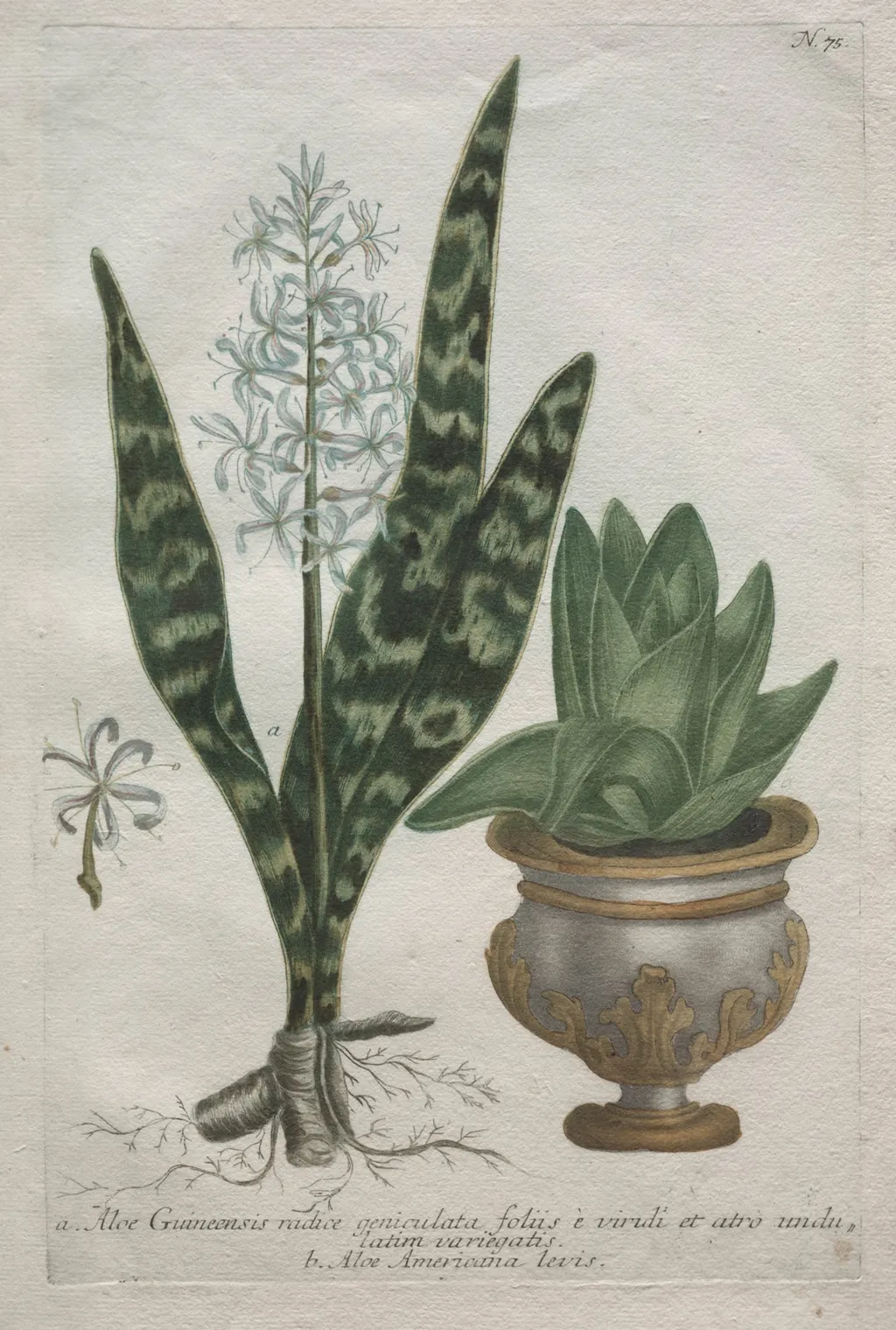
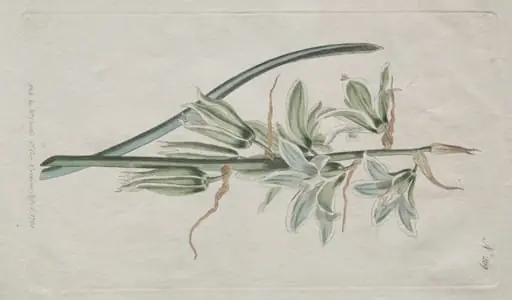
Aloes is a print by Bartholomäus Seuter. It dates from 1726 and is held in the collection of the Cleveland Museum of Art.
About this work
Overview
Bartholomaus Seutter’s print titled “Aloes,” executed around 1726, presents a single aloe plant rendered in close‑up. The composition isolates the succulent’s thick, pointed leaves against a dark, unadorned background, emphasizing form and texture. The work is part of the collection of the Cleveland Museum of Art.
Subject & Meaning
The image focuses exclusively on the aloe, a plant known for its fleshy, curved leaves. By omitting any surrounding objects or narrative elements, Seutter draws attention to the botanical form itself, inviting viewers to consider the plant’s structure and materiality without allegorical or symbolic overlay.
Technique & Style
Seutter employs a stark contrast of light and shadow, using sharp illumination to highlight the green curvature of the leaves while deep shadows recede into the background. This chiaroscuro effect gives the plant a three‑dimensional presence, a treatment uncommon in early eighteenth‑century prints that typically favored floral bouquets or fruit arrangements.
History & Provenance
Created circa 1726, the print reflects Seutter’s activity in the German printmaking tradition of the early Enlightenment. It entered the Cleveland Museum of Art’s holdings through acquisition (specific acquisition details are recorded in the museum’s catalog), where it remains on view as an example of singular botanical representation from the period.
Context
During the early 1700s, European artists generally depicted groups of flowers or fruit in decorative compositions. Seutter’s decision to isolate a single aloe plant marks a departure from prevailing trends, aligning the work with a nascent interest in scientific observation and the detailed study of individual plant species.
Artist & collection


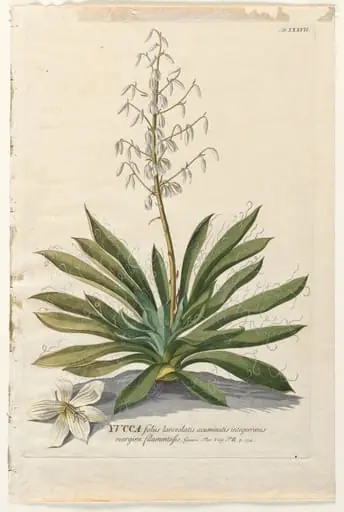 Plantae Selectae: No. 37 - Yucca
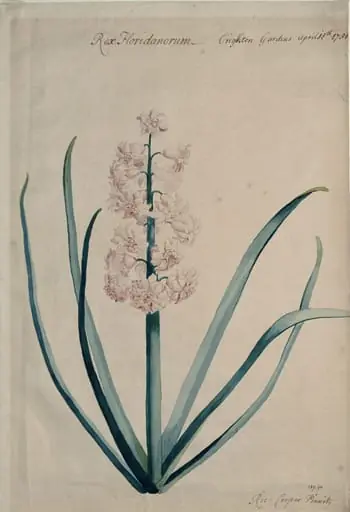 Rex Floridanorum
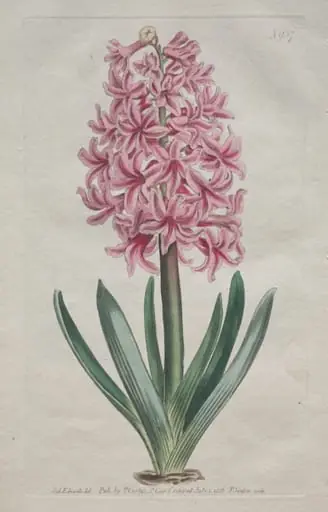 The Botanical Magazine or Flower Garden Displayed: Garden Hyacinth
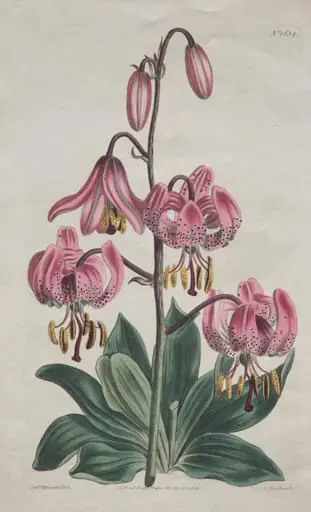 The Botanical Magazine or Flower Garden Displayed: Smooth-stalked Martagon, Turk's Cap Lily
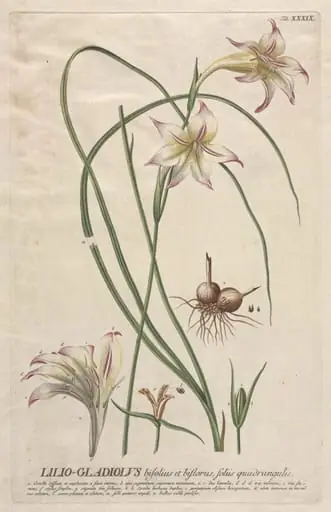 Plantae Selectae: No. 39 - Lilio-Gladiolus
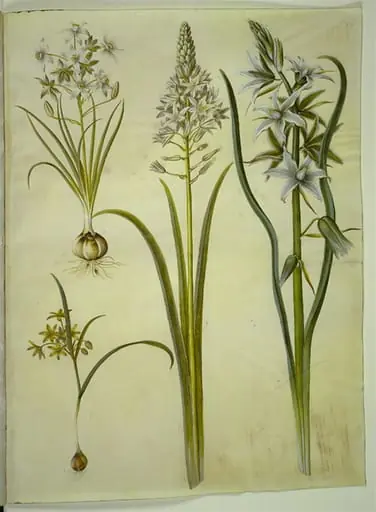 Ornithogalum umbellatum (kost-fuglemælk); Ornithogalum pyramidale (pyramide-fuglemælk); Gagea lutea (almindelig guldstjerne); Ornithogalum nutans (nikkende fuglemælk)
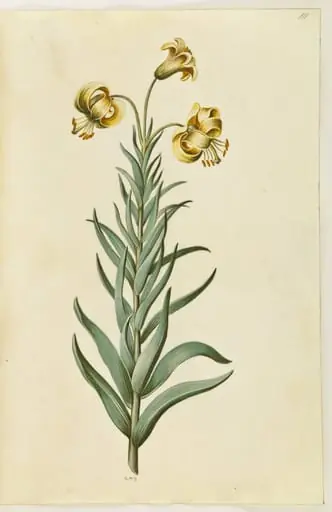 Lilium pyrenaicum (pyrenæisk lilje)
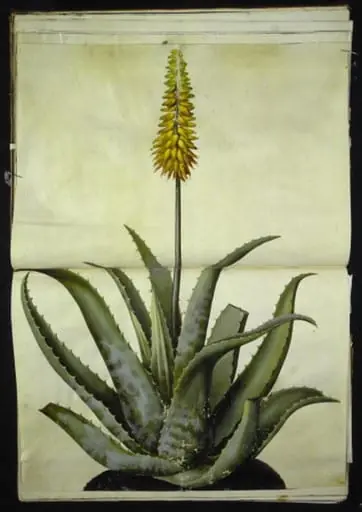 Aloe vera (læge-aloe)
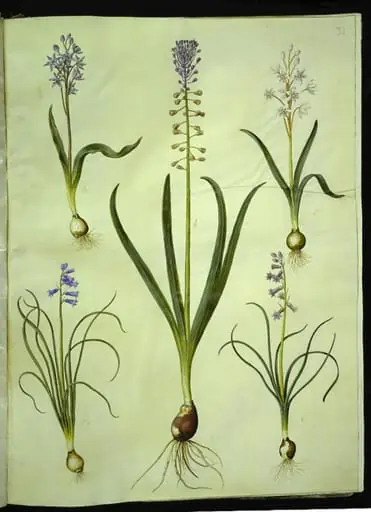 Scilla bifolia (tobladet skilla); Muscari comosum (duskhyacint); Brimeura amethystina (pyrenæisk hyacint)
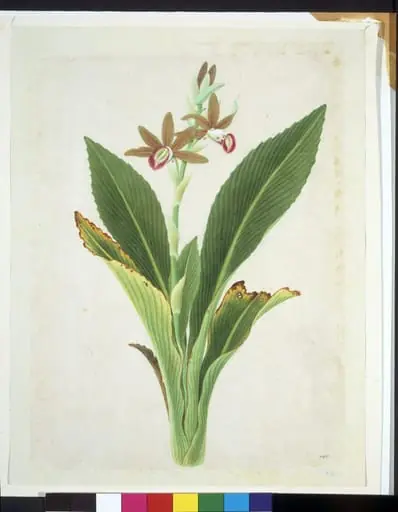 Nun Orchid
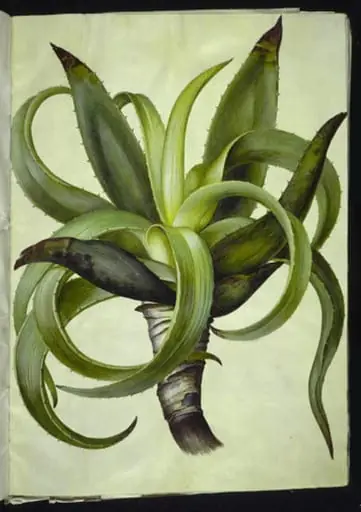 Aloe (aloe)
 The Botanical Magazine or Flower Garden Displayed: Star of Bethlehem