Artwork
Rex Floridanorum
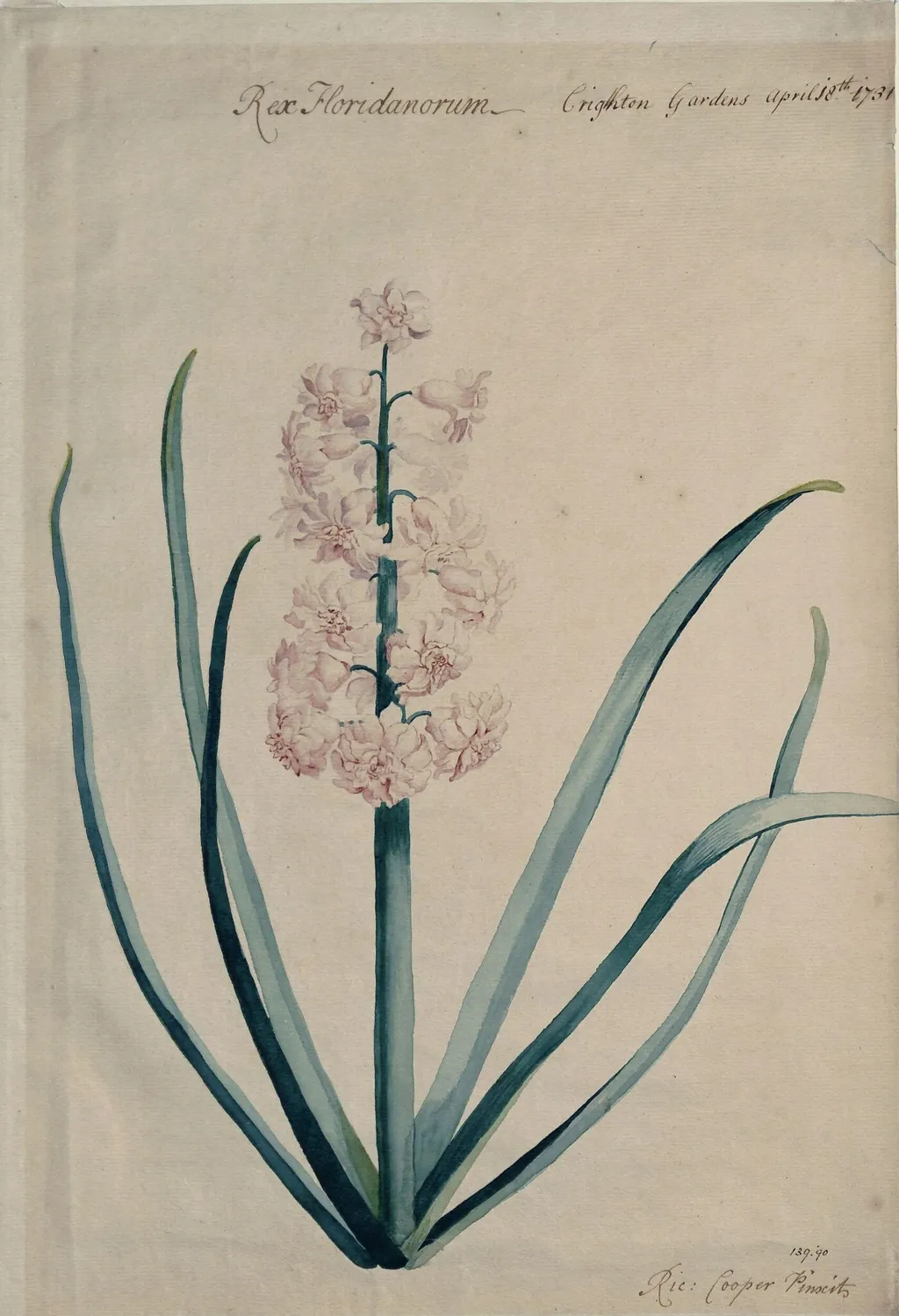
Rex Floridanorum is a watercolor work on paper by the Baroque artist Richard Cooper. It dates from 1731 and is held in the collection of the Victoria and Albert Museum.
About this work
This is a single flower painted in soft watercolor. The petals are pale pink, clustered tightly on a thin stem. Long, narrow leaves curve out from the base, drawn in green and blue-green strokes.
The artist wrote the flower’s name—*Rex Floridanorum*—and the date *1731* at the top. It’s a quiet study, not a grand scene.
Check out the Victoria and Albert Museum to see more works like this.
Overview
Rex Floridanorum is a watercolour study of a single flower created in 1731 by Richard Cooper. The delicate painting features a pale pink bloom on a thin stem, accompanied by curved leaves rendered in shades of green.
Subject & Meaning
The flower, identified as Rex Floridanorum, is depicted in a straightforward manner, with its petals and leaves captured in soft, gentle strokes. The simplicity of the composition suggests a focus on botanical accuracy rather than dramatic effect.
Technique & Style
The watercolour technique employed by Cooper is characterized by subtle, nuanced colour choices and delicate brushwork. The pale pink petals and blue-green leaves are rendered with a sense of restraint, contributing to the overall quietness of the study.
History & Provenance
The painting is signed and dated by the artist, providing a clear attribution to Richard Cooper and a date of 1731. The work is related to other botanical studies, and similar pieces can be found in institutions such as the Victoria and Albert Museum.
Artist & collection
Artist
Richard Cooper (or Richard Cooper Jr. or Richard Cooper II; 6 February 1740 in Edinburgh – December 1822 at Eltham), was the son of Richard Cooper senior (1701-1764) and his wife Anne Lind. He is considered one of…



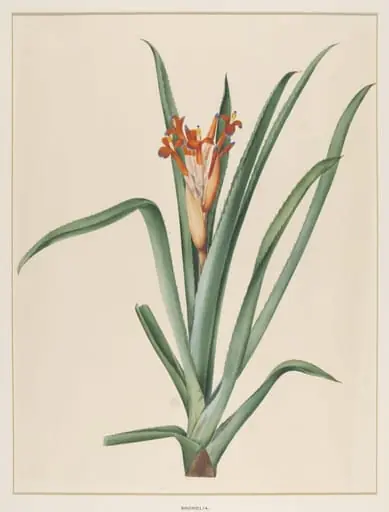 Bromelia
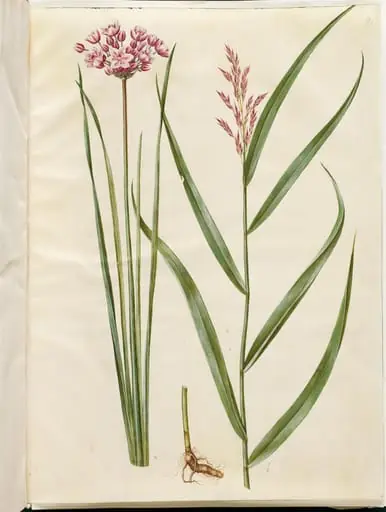 Butomus umbellatus (brudelys); Phragmites australis (almindelig tagrør)
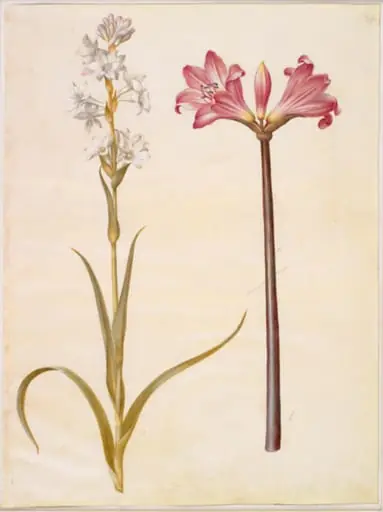 Polianthes tuberosa (tuberose); Amaryllis belladonna (belladonnalilje)
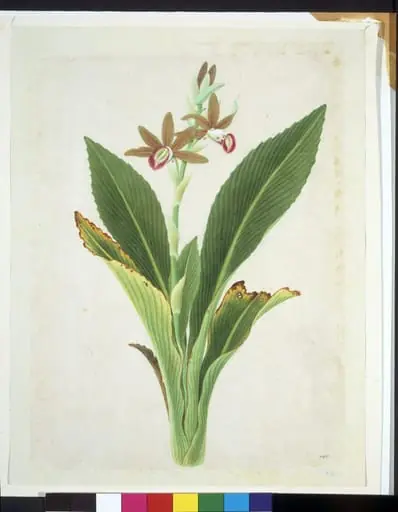 Nun Orchid
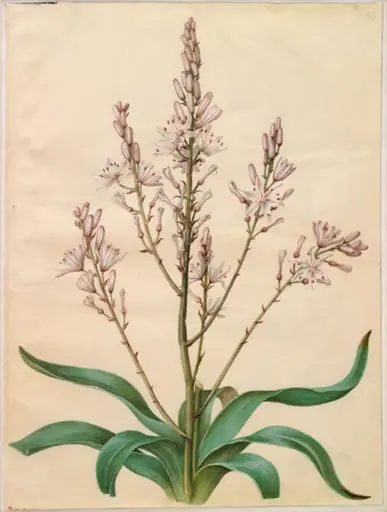 Asphodelus ramosus (grenet affodil)
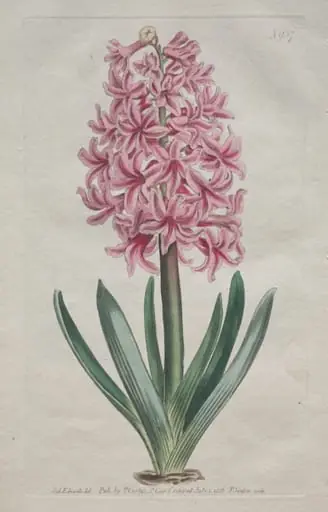 The Botanical Magazine or Flower Garden Displayed: Garden Hyacinth
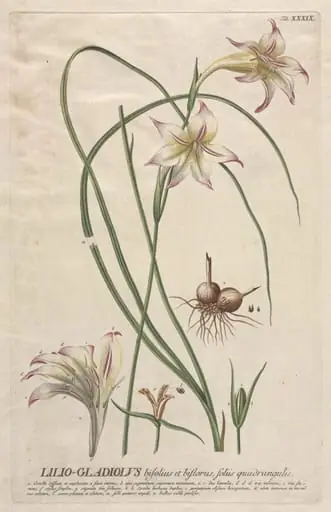 Plantae Selectae: No. 39 - Lilio-Gladiolus
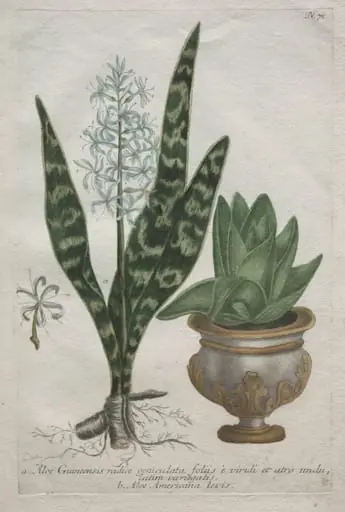 Aloes
Aloes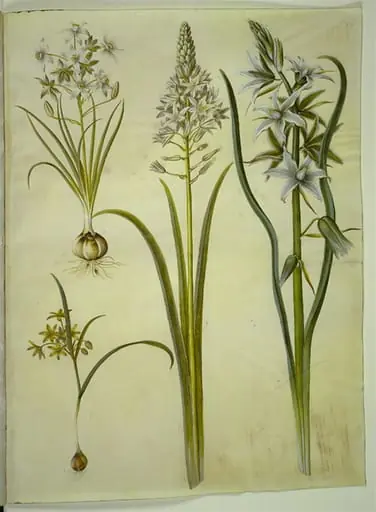 Ornithogalum umbellatum (kost-fuglemælk); Ornithogalum pyramidale (pyramide-fuglemælk); Gagea lutea (almindelig guldstjerne); Ornithogalum nutans (nikkende fuglemælk)
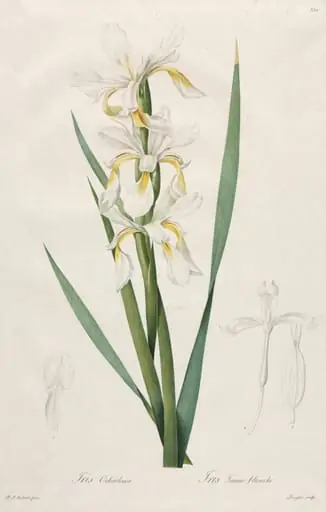 Gold-banded Iris
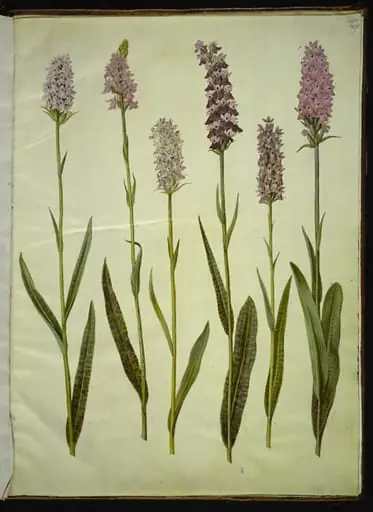 Dactylorhiza maculata (plettet gøgeurt)
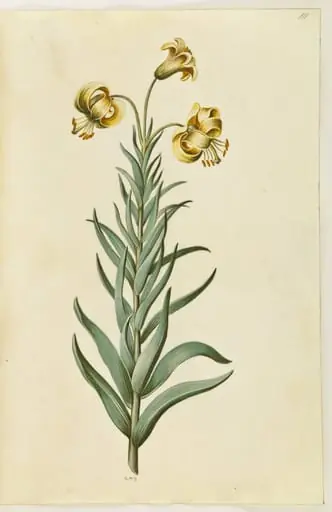 Lilium pyrenaicum (pyrenæisk lilje)