Artwork
Jacob Wrestling with the Angel
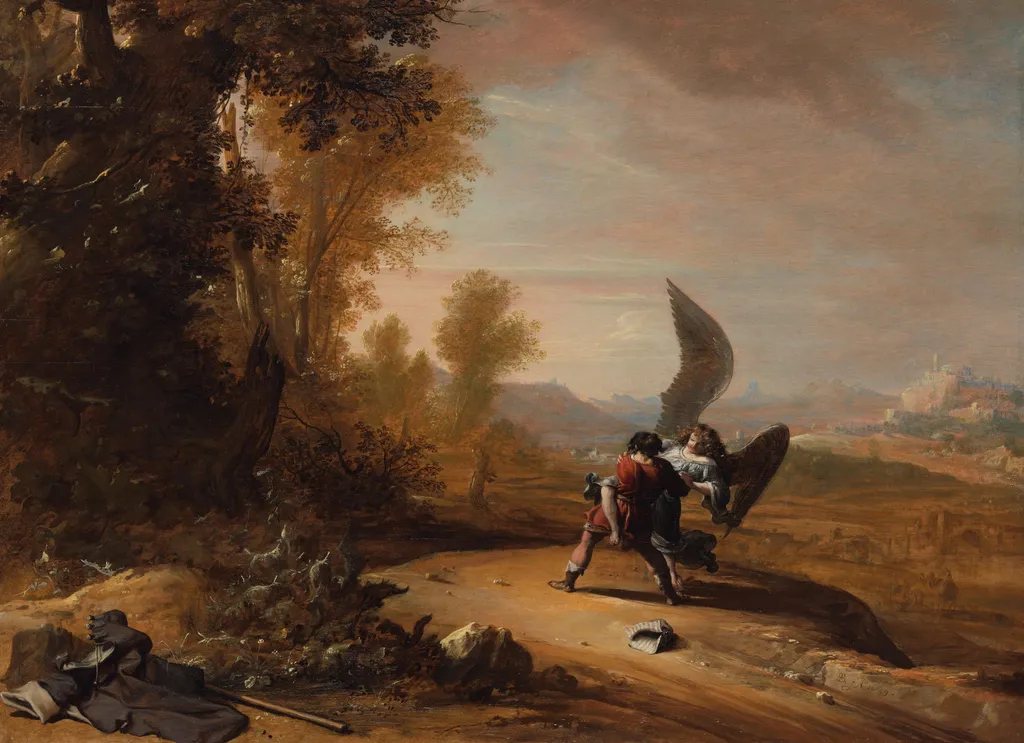
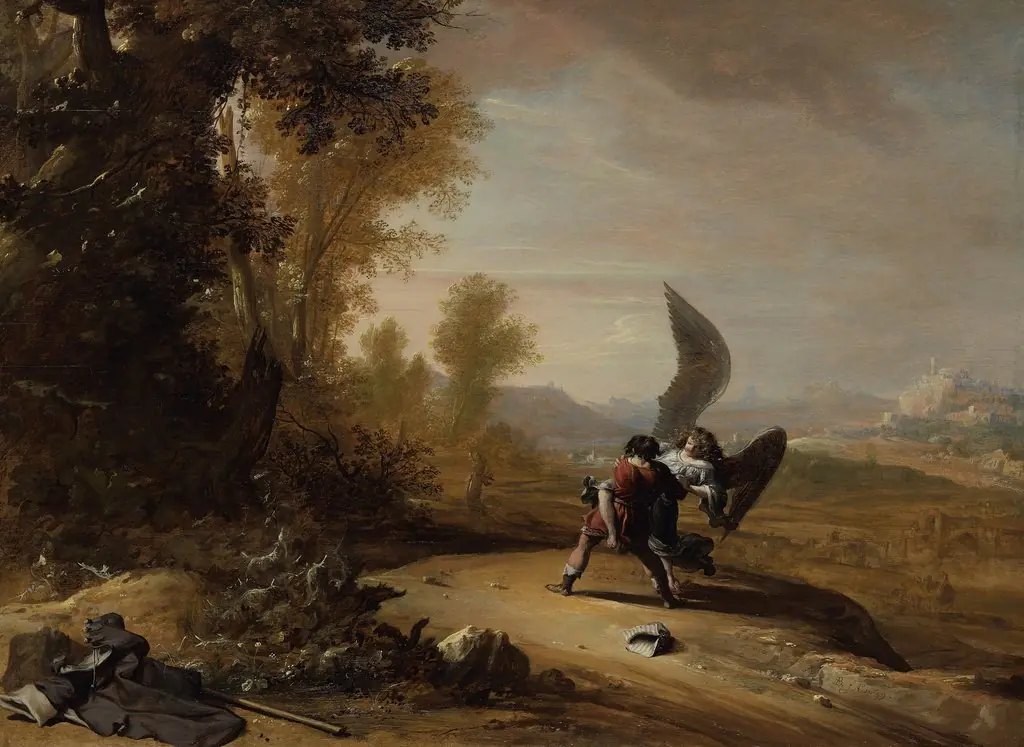
Jacob Wrestling with the Angel is an unspecified painting by the Dutch Golden Age artist Bartholomeus Breenbergh. It dates from 1639 and is held in the collection of the Rijksmuseum. This painting captures Jacob in the final moments of a nocturnal struggle with a divine figure beside a riverbank.
About this work
Overview
The composition centers on physical tension rather than spiritual symbolism, emphasizing the human intensity of the encounter.
This painting captures Jacob in the final moments of a nocturnal struggle with a divine figure beside a riverbank. The scene precedes the angel’s blessing and the renaming of Jacob as Israel. The composition centers on physical tension rather than spiritual symbolism, emphasizing the human intensity of the encounter. Dawn approaches, signaled by a soft pink horizon that contrasts with the deep shadows enveloping the figures.
Subject & Meaning
The narrative draws from Genesis, where Jacob wrestles through the night with a mysterious being, later revealed as an angel or divine agent. The focus is on the physicality of the contest—muscles straining, limbs entwined—rather than overt religious symbolism. The outcome, a name change to Israel, signifies endurance and transformation, but the painting privileges the raw, human moment of conflict over its theological resolution.
Technique & Style
The artist employs chiaroscuro to heighten the drama of the struggle, using stark contrasts between light and shadow to model the bodies with sculptural intensity. Highlights catch the sweat on skin and the tension in limbs, while deep shadows obscure the surrounding landscape, isolating the figures in their private battle. The effect is immediate and visceral, as if capturing a single, suspended instant of physical exertion.
History & Provenance
The painting was created in the early 17th century, likely in a region influenced by Caravaggisti traditions. Its early ownership remains undocumented, but its stylistic choices align with Northern European interpretations of biblical scenes during the Counter-Reformation. It entered a public collection in the late 19th century, where its emphasis on physical realism drew scholarly attention for its departure from more allegorical treatments of the same subject.
Context
During this period, biblical stories were frequently depicted with heightened naturalism, reflecting broader artistic trends toward emotional and physical authenticity. Artists moved away from idealized forms to portray figures in moments of intense action or emotion. This work fits within that shift, using the Jacob narrative not as a static icon but as a dynamic human drama unfolding under the threshold of day.
Legacy
The painting contributed to a growing tradition of portraying biblical figures in psychologically and physically grounded terms. Its emphasis on bodily tension and chiaroscuro influenced later artists exploring religious themes through realism. While not widely reproduced, it remains a notable example of how sacred narratives were reimagined through the lens of human experience rather than doctrinal representation.
Own this work as a print
Artist & collection
Artist
Bartholomeus Breenbergh (before 13 November 1598 – after 3 October 1657) was a Dutch Golden Age painter of Italian and Italianate landscapes, in Rome (1619-1630) and Amsterdam (1630-1657).

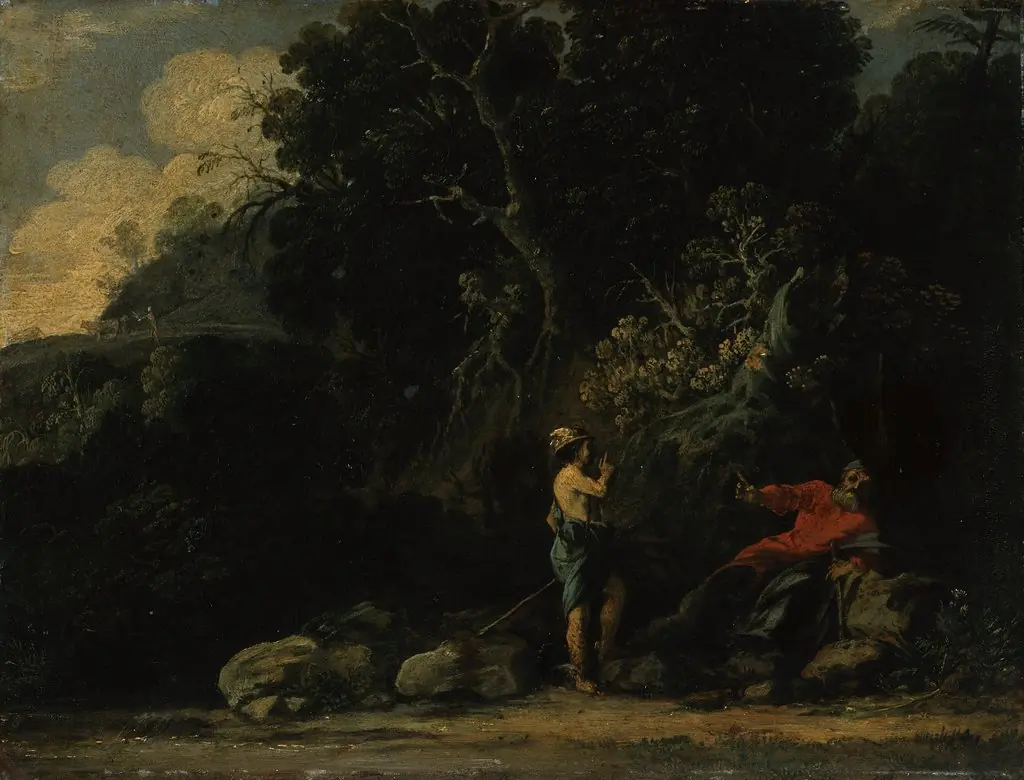 Forest Landscape with Mercury and Battus
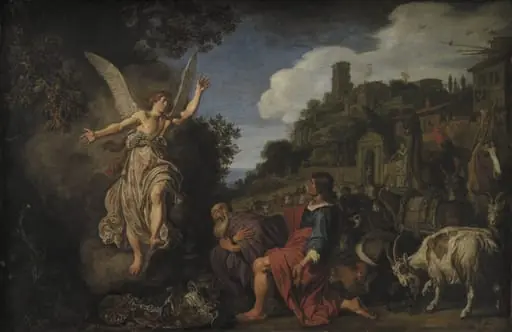 The Angel Raphael Takes Leave of Old Tobit and his Son Tobias
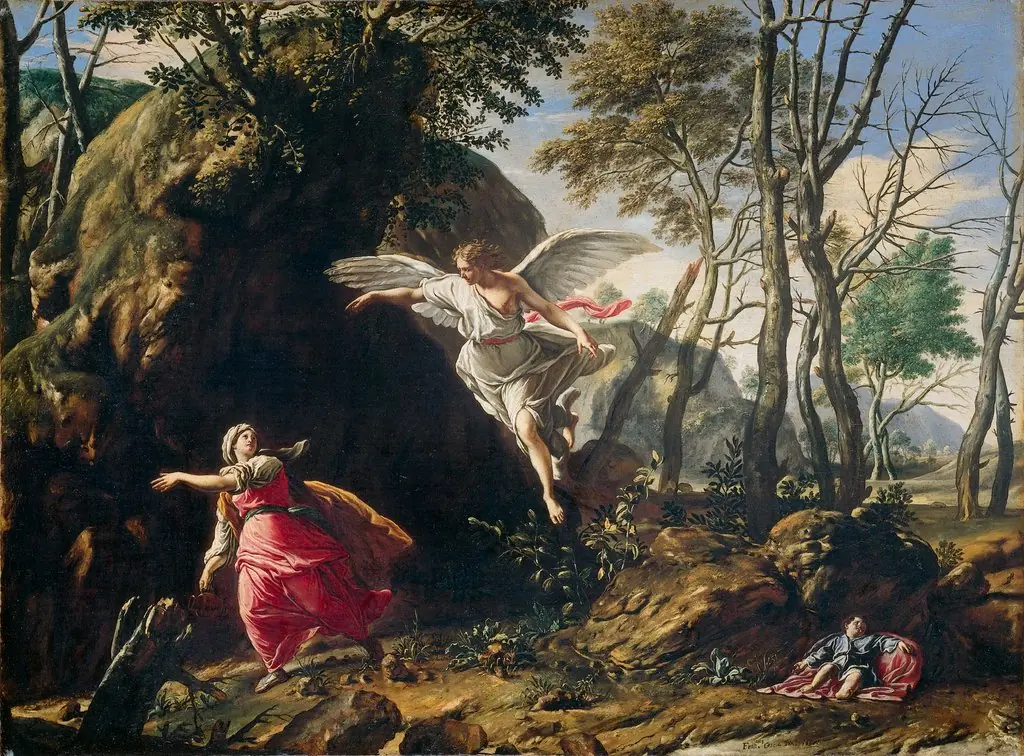 Hagar and Ishmael in the Desert
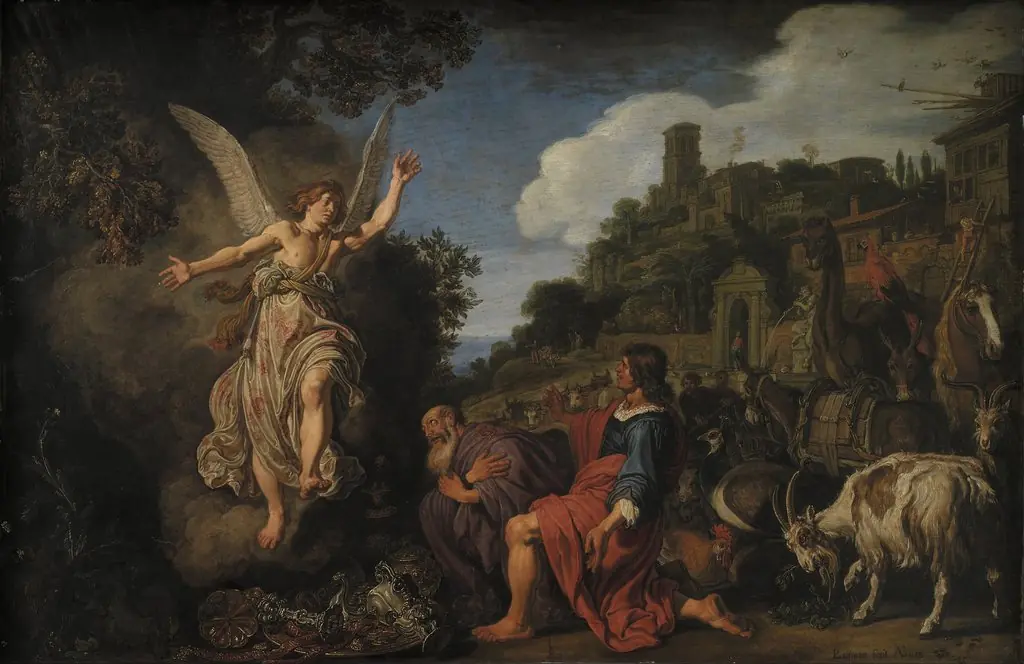 The Angel Raphael Takes Leave of Old Tobit and his Son Tobias
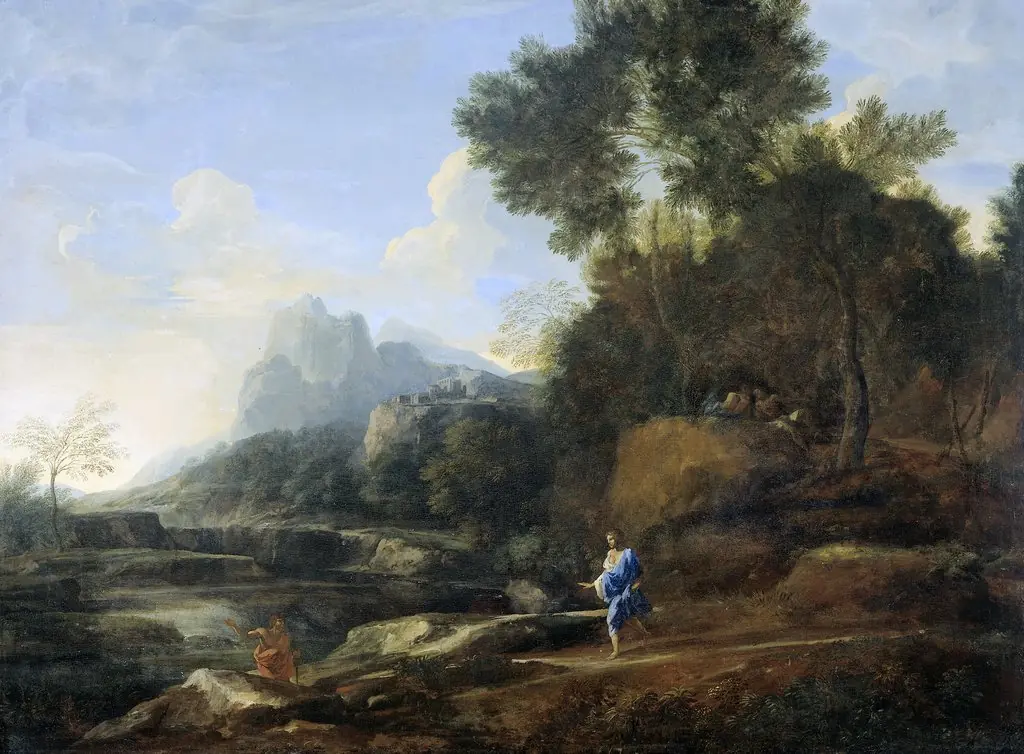 Italian Landscape
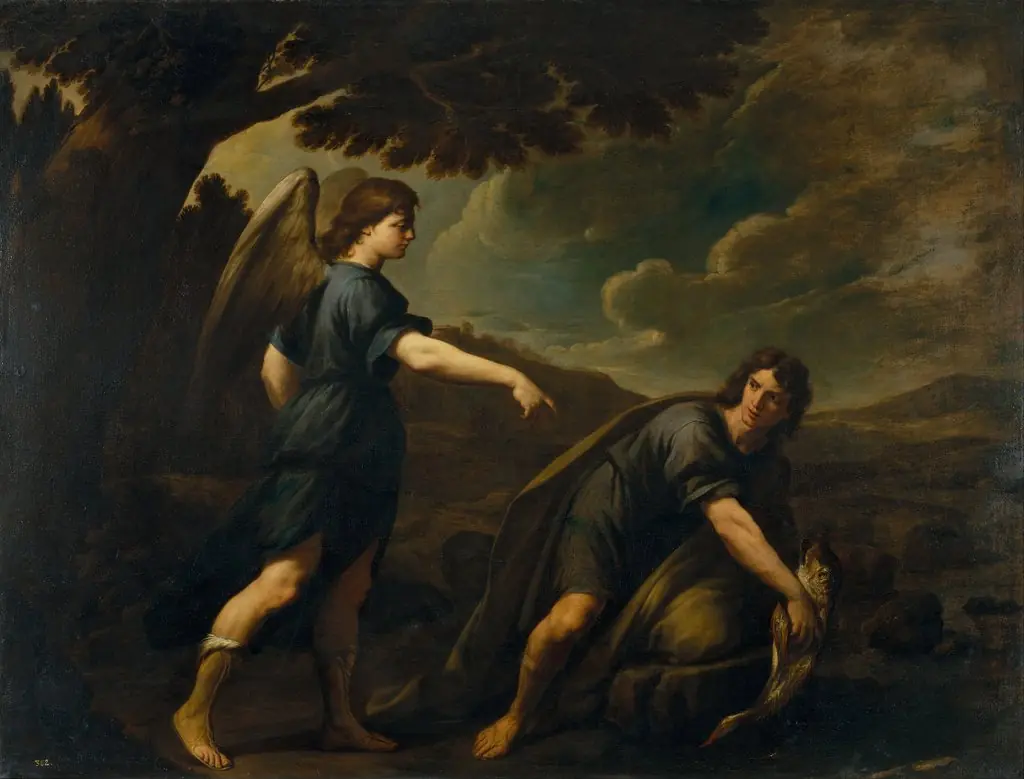 Tobias and the Fish
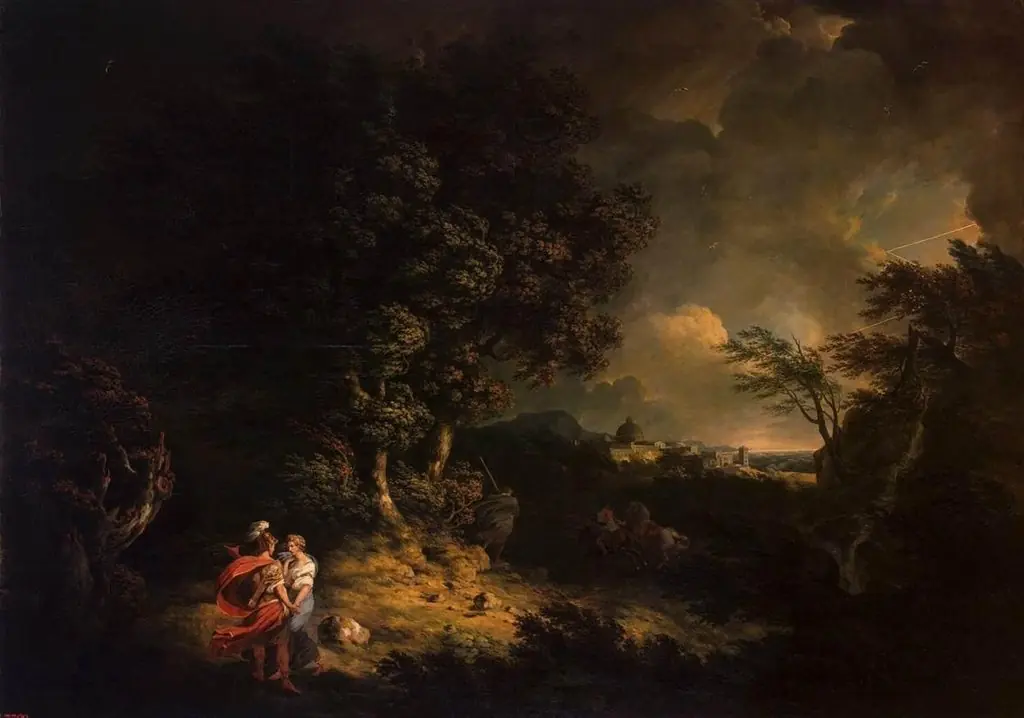 Landscape with Dido and Aeneas (Storm)
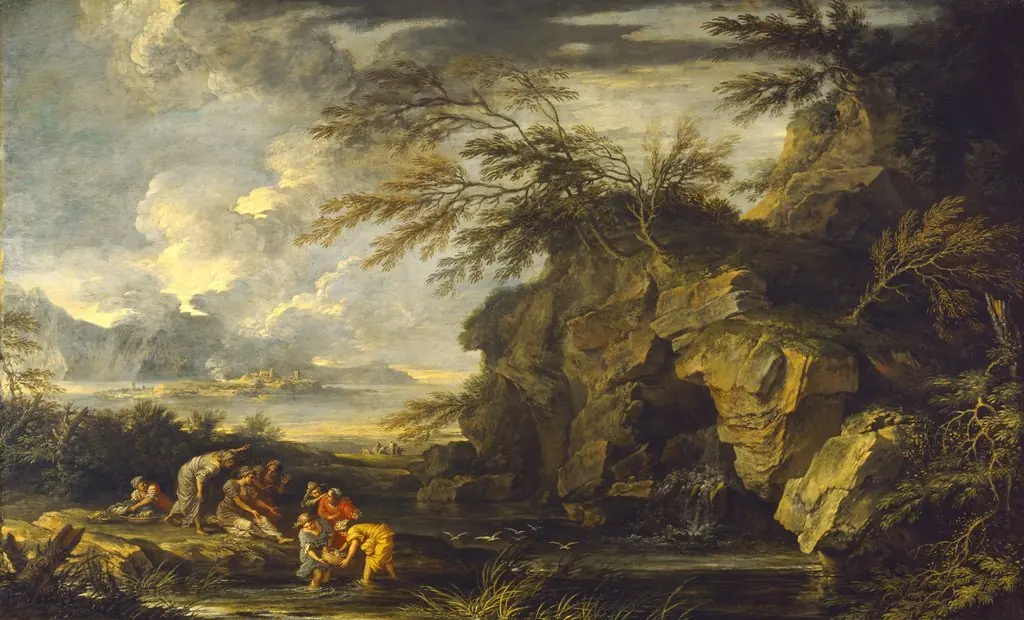 The Finding of Moses
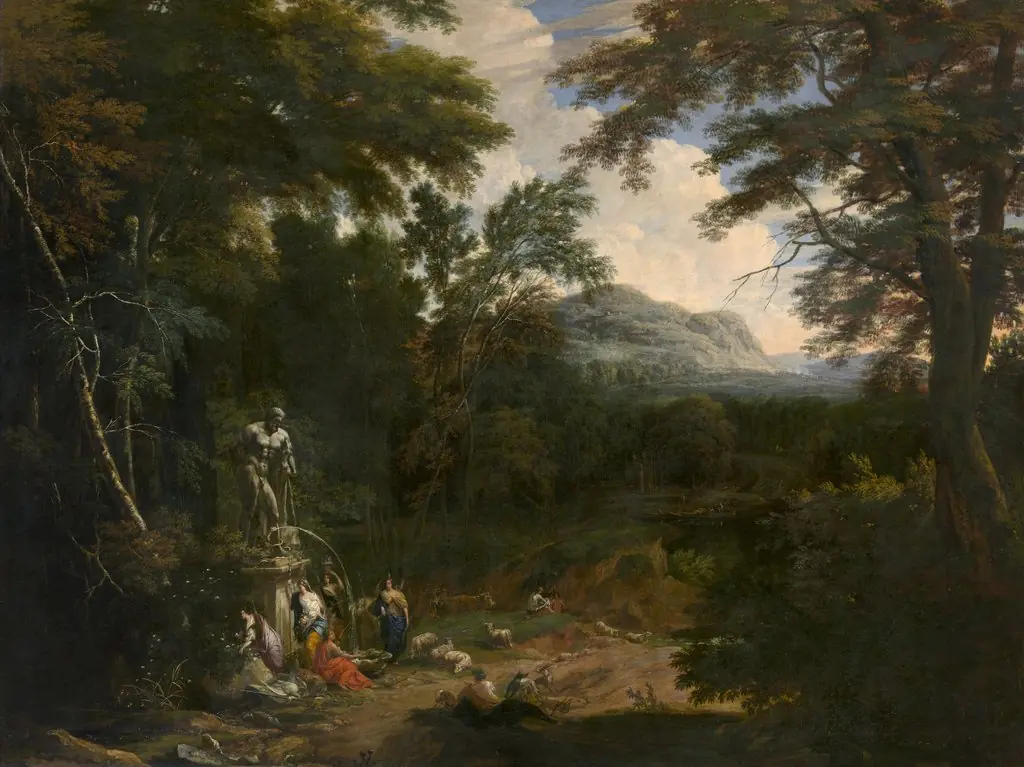 Landscape
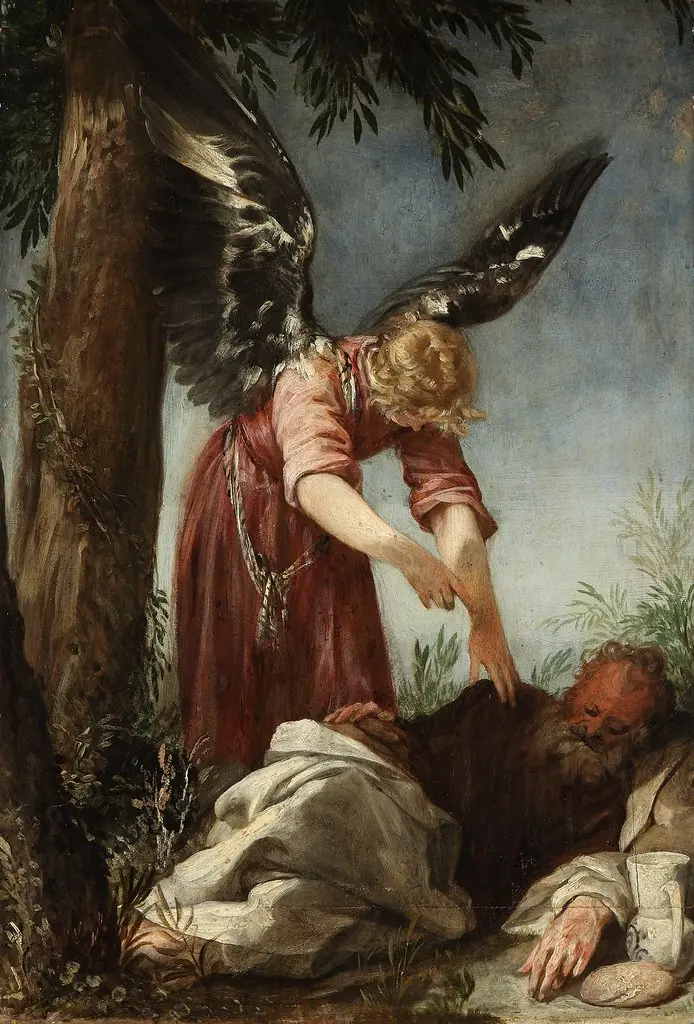 An Angel Awakens the Prophet Elijah
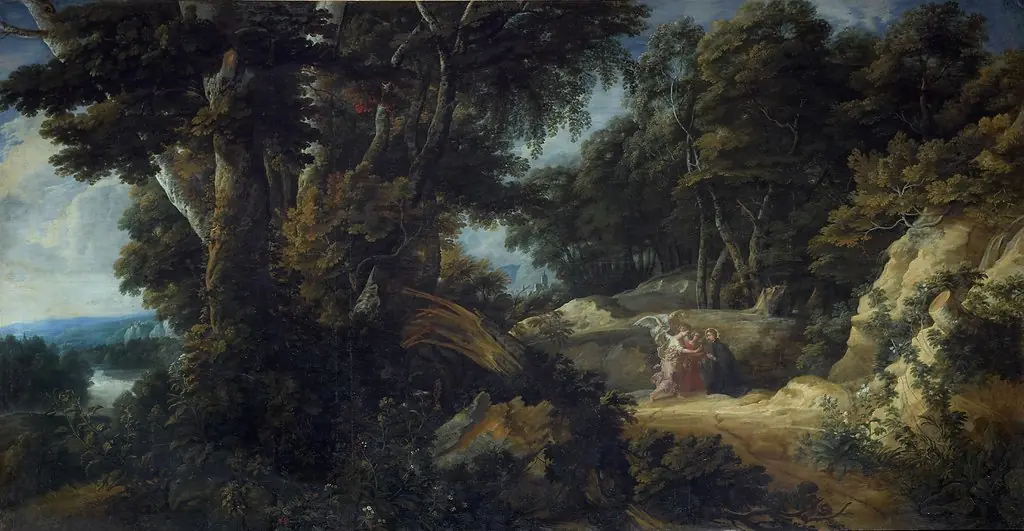 Extensive forest landscape with St. Stanisław Kostka