Artwork
Vulcan   and  Maia
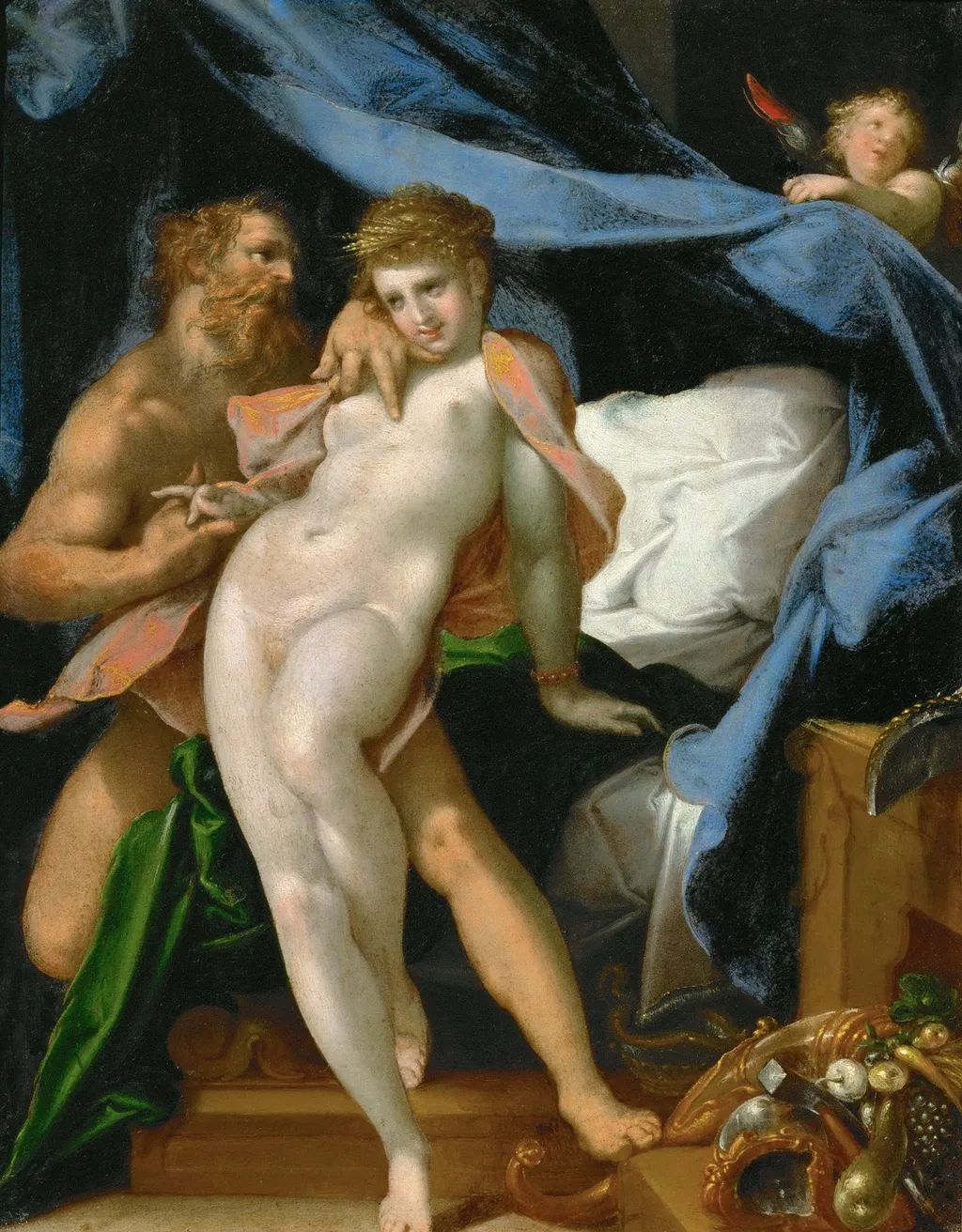
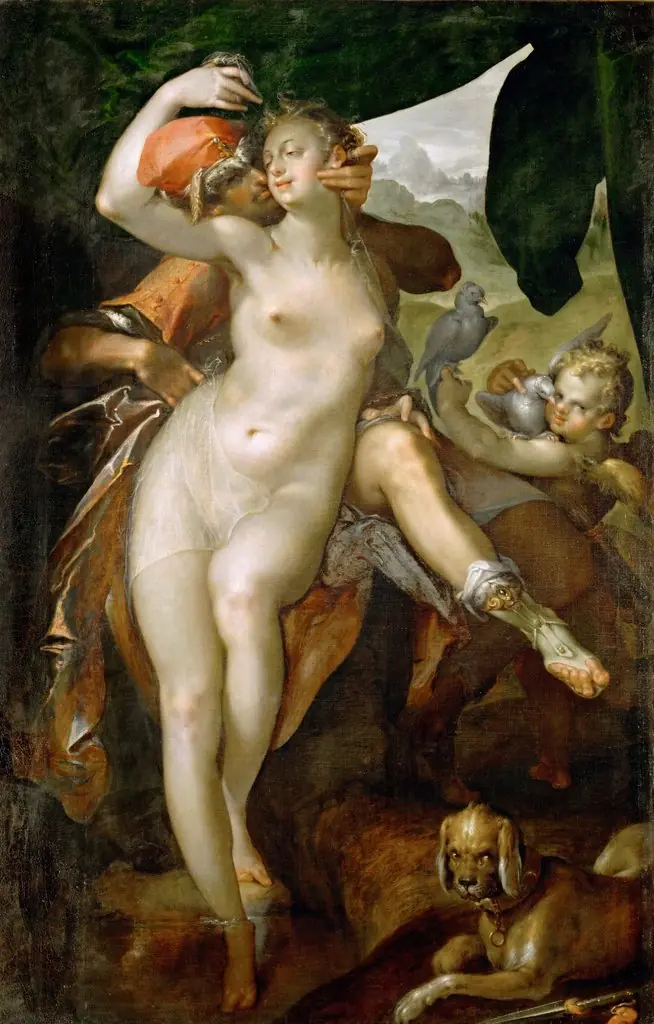
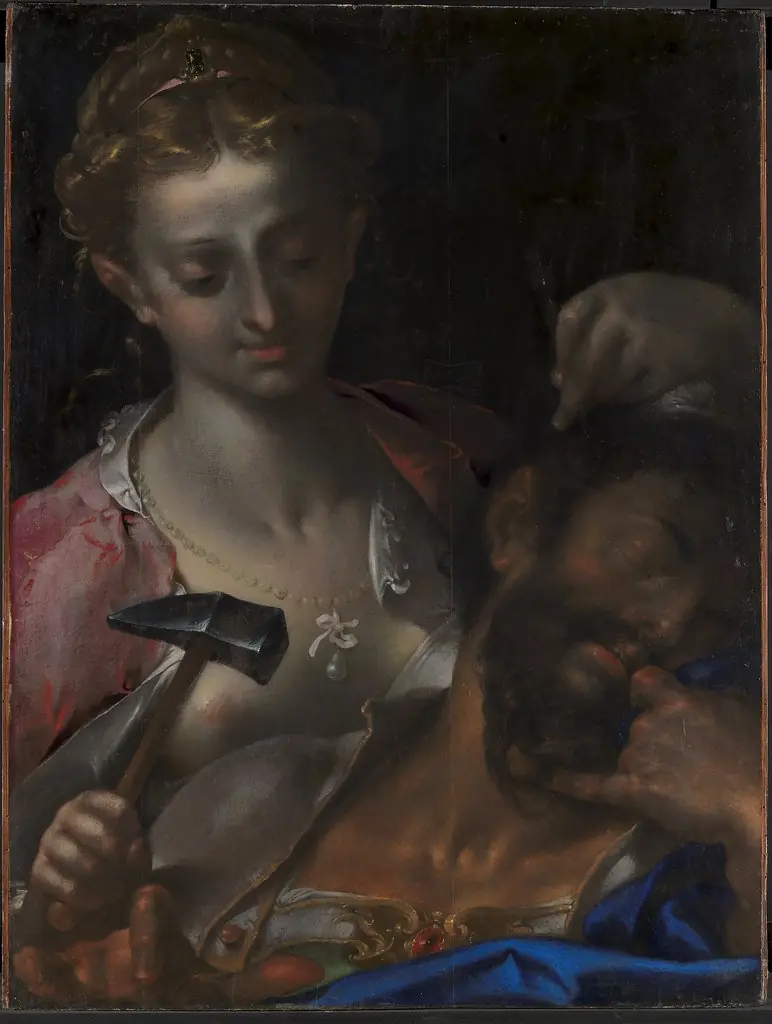
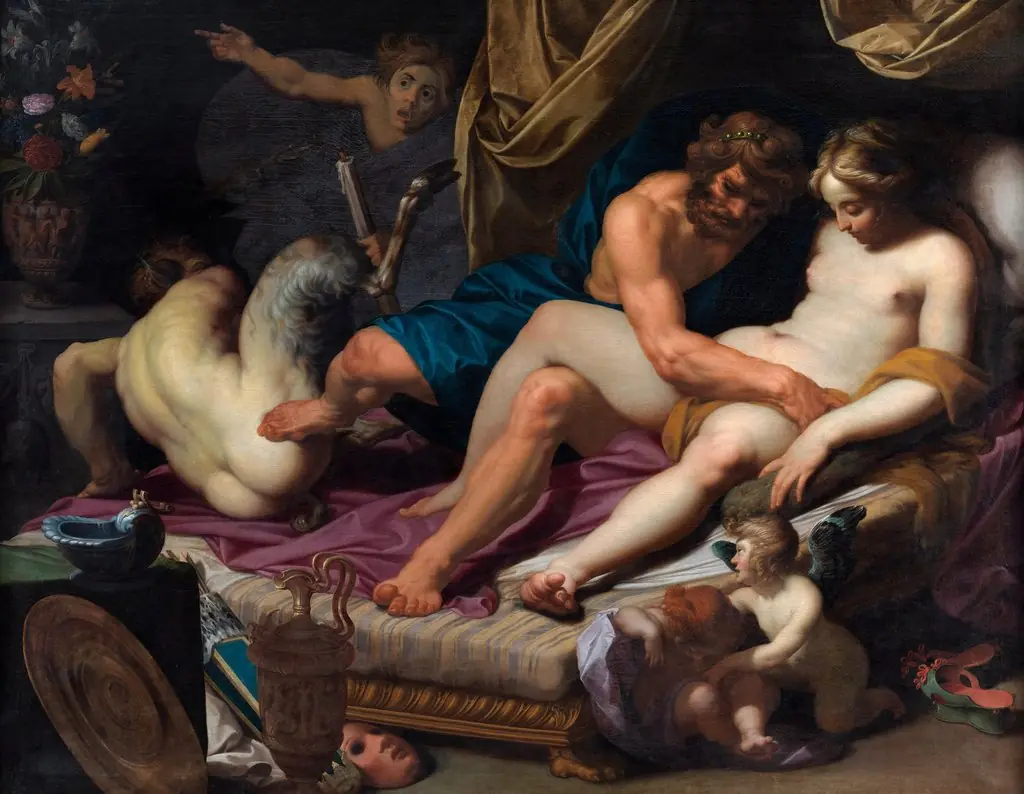
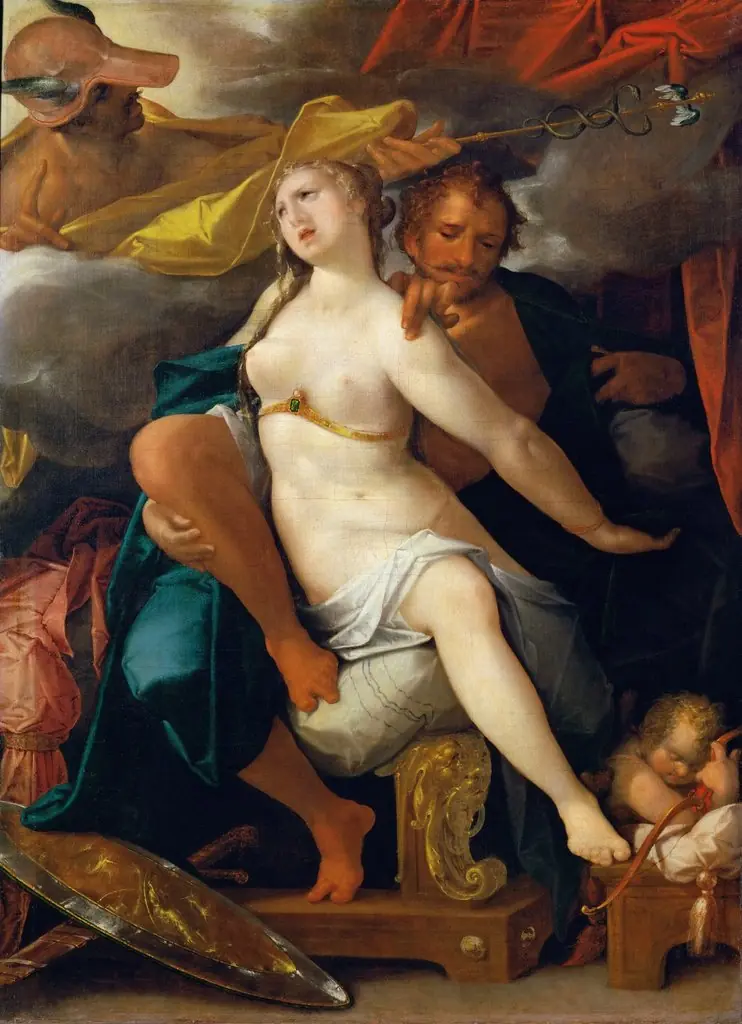
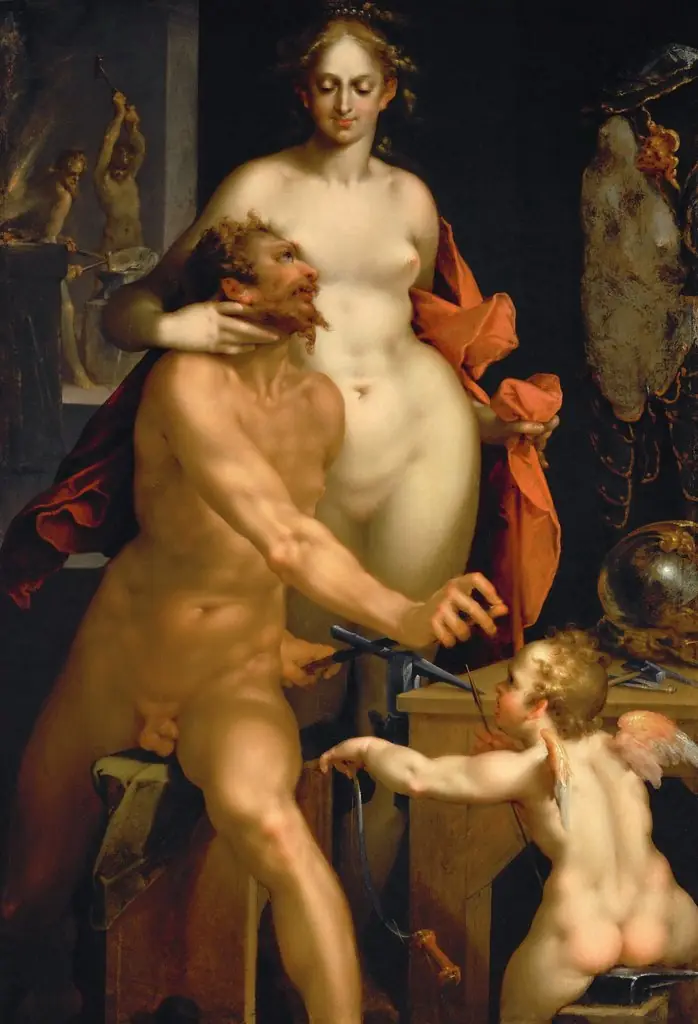
Vulcan   and  Maia is an oil painting by the Mannerist artist Bartholomeus Spranger. It dates from 1593 and is held in the collection of the Kunsthistorisches Museum.
About this work
Overview
Bartholomeus Spranger executed *Vulcan and Maia* in 1593 during his tenure as court painter to Rudolf II in Prague. The painting, rendered on a copper support, exemplifies the artist’s synthesis of Northern European precision with Italianate elegance. Its modest dimensions belie a meticulous attention to surface refinement, a hallmark of works intended for close, private contemplation.
Subject & Meaning
The composition stages a moment from classical mythology, though its exact narrative remains open to interpretation.
The composition stages a moment from classical mythology, though its exact narrative remains open to interpretation. A central female figure, often identified as Maia, holds a textile while gazing downward. Behind her, a bearded male—likely Vulcan—rests on an armrest, observing her. A third, recumbent figure emerges partially from shadow at right, while a diminutive winged putto peers from above, introducing an element of divine oversight or mischief.
Technique & Style
Spranger’s handling of light and form reflects Mannerist preoccupations with elongation, grace, and artificiality. The copper ground permits an exceptionally smooth finish, enhancing the luminosity of flesh and drapery. Chiaroscuro is employed selectively: soft transitions define the figures, while crisp edges highlight metallic objects and textiles, creating a tension between tactile presence and atmospheric recession.
History & Provenance
Commissioned for Rudolf II’s Prague court, the painting entered the imperial collections, where it remained until the Kunsthistorisches Museum acquired it. The copper support, favored for its durability and luminous effect, suggests an intended audience of connoisseurs. Its survival in near-pristine condition underscores the care afforded to objects of imperial patronage.
Context
The work emerges from Rudolf II’s Prague, a center of artistic experimentation where Netherlandish, Italian, and Central European traditions converged. Spranger’s mythological scenes catered to the emperor’s taste for erudite, sensual imagery, blending allegory with decorative appeal. Such paintings often functioned as conversation pieces, inviting viewers to decipher layered references to antiquity and contemporary politics.
Own this work as a print
Artist & collection
Artist
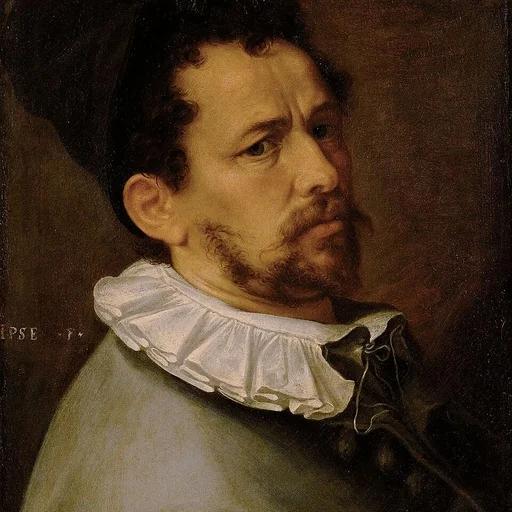
Bartholomeus Spranger or Bartholomaeus Spranger (21 March 1546 – 27 June 1611) was a Flemish painter, draughtsman, sculptor, and designer of prints.