Artwork
Häusliche Toilette
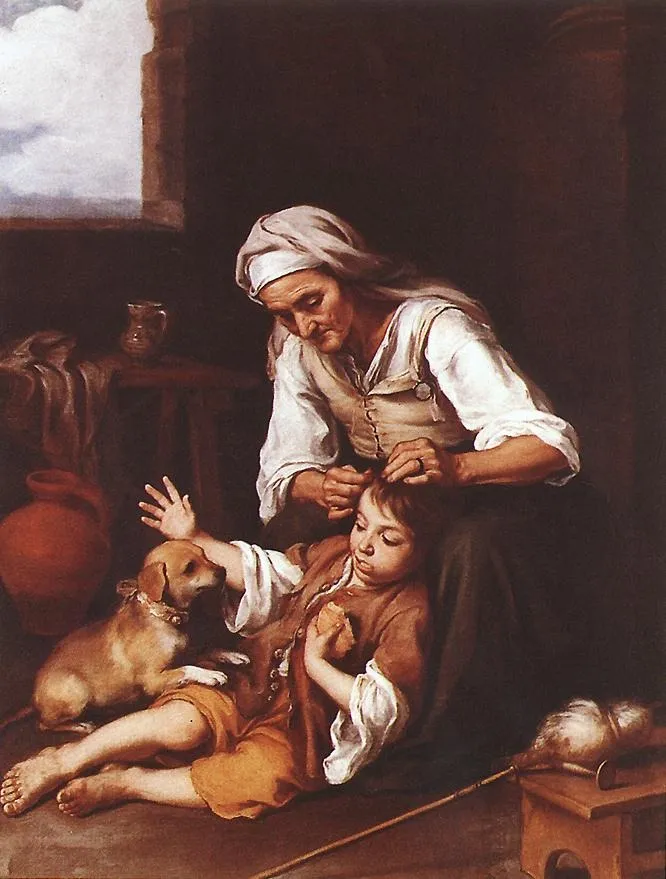
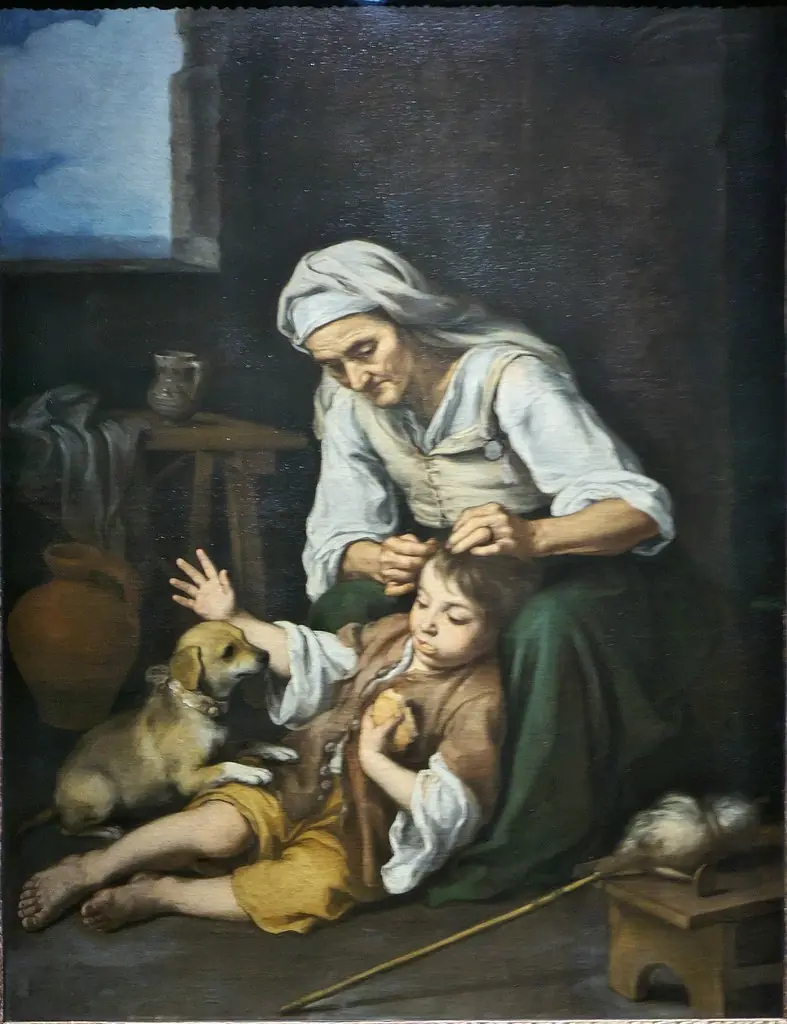
Häusliche Toilette is an oil painting by the High Baroque Italian artist Bartolomé Esteban Murillo. It dates from 1670 and is held in the collection of the Bavarian State Painting Collections.
About this work
Overview
It resides in the Alte Pinakothek in Munich, part of a collection that includes numerous works from the 17th-century Iberian and Flemish schools.
Painted in 1670 by Bartolomé Esteban Murillo, *Häusliche Toilette* is an oil-on-canvas work depicting a quiet domestic moment. Though often associated with Spanish Baroque traditions, the painting reflects broader European tendencies toward intimate genre scenes. It resides in the Alte Pinakothek in Munich, part of a collection that includes numerous works from the 17th-century Iberian and Flemish schools.
Subject & Meaning
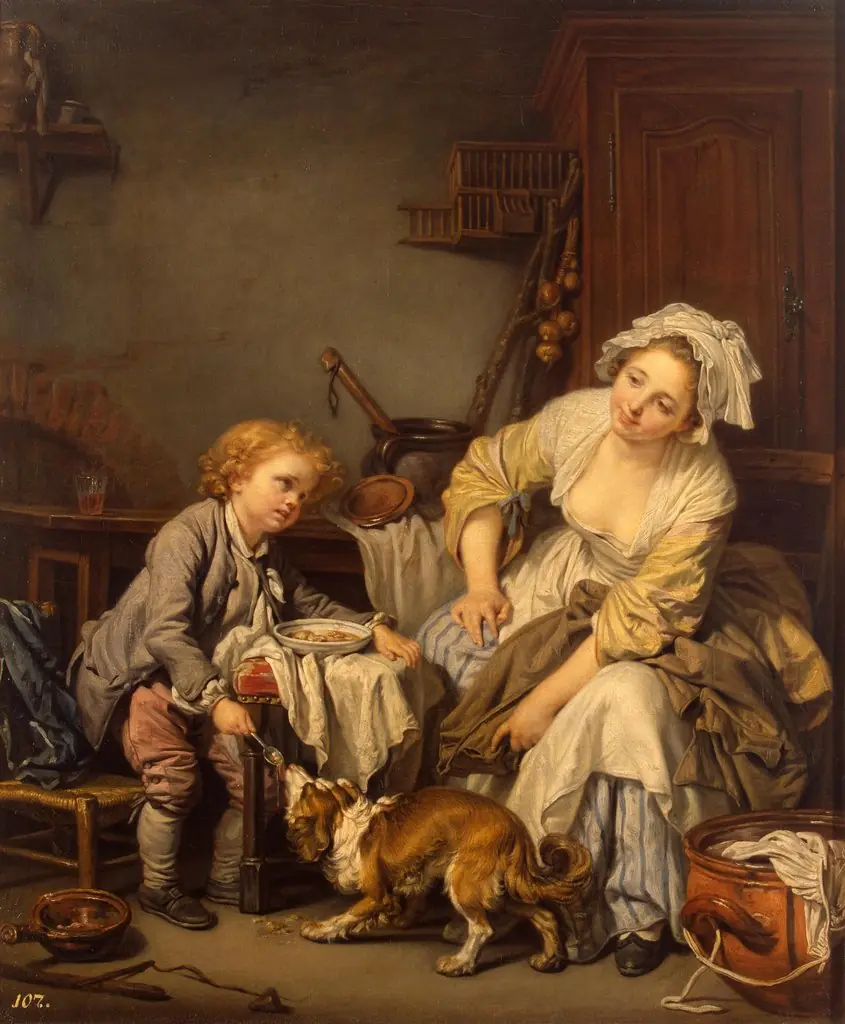
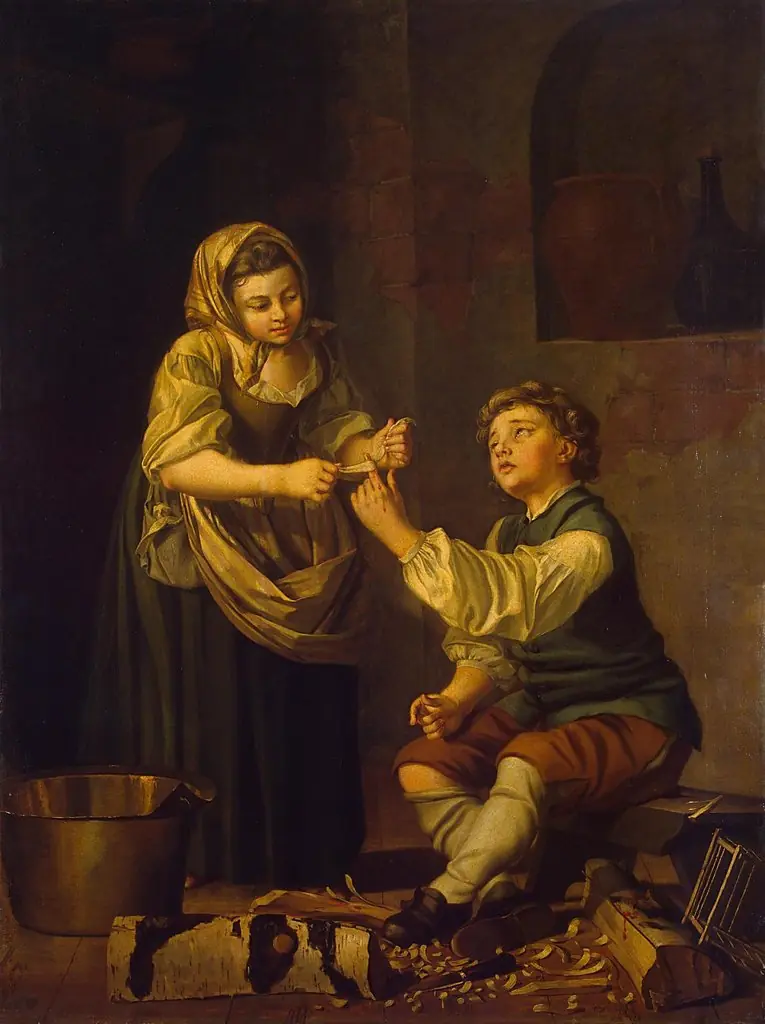
The scene captures a motherly figure gently combing the hair of a young boy seated on the floor, with a small dog resting nearby. No grand narrative is present; instead, the focus lies in the tenderness of daily care. The absence of ornamentation or theatricality underscores a quiet dignity in ordinary domestic life, aligning with Murillo’s interest in the emotional resonance of humble moments.
Technique & Style
Murillo employed soft brushwork and a restrained palette of warm ochres, whites, and browns to evoke tactile warmth. Light filters gently through a background window, illuminating the figures without harsh contrast. The textures of fabric, skin, and fur are rendered with subtle gradations, enhancing the scene’s intimacy. His technique avoids dramatic chiaroscuro, favoring a serene, diffused luminosity.
History & Provenance
The painting entered the Alte Pinakothek’s collection in the 19th century, likely through acquisitions by Bavarian royalty or agents seeking Spanish Baroque works. Its title, *Häusliche Toilette*, is a German term reflecting 19th-century European naming conventions rather than the original Spanish context. Its attribution to Murillo has remained consistent since its documented appearance in early modern collections.
Context
In 17th-century Spain, religious themes dominated public art, but Murillo and a few contemporaries turned to secular subjects for private patrons. Scenes like this one catered to growing urban middle-class tastes, valuing emotional authenticity over spectacle. The depiction of modest clothing and unadorned interiors reflects the economic and social realities of lower-middle-class households in Seville, Murillo’s home city.
Legacy
Though less celebrated than Murillo’s religious paintings, *Häusliche Toilette* exemplifies his contribution to the genre of domestic realism. It influenced later European painters who sought to elevate everyday life through quiet observation. The work remains a reference point for studies on gender, childhood, and material culture in early modern Spain, valued for its unembellished humanity.
Artist & collection
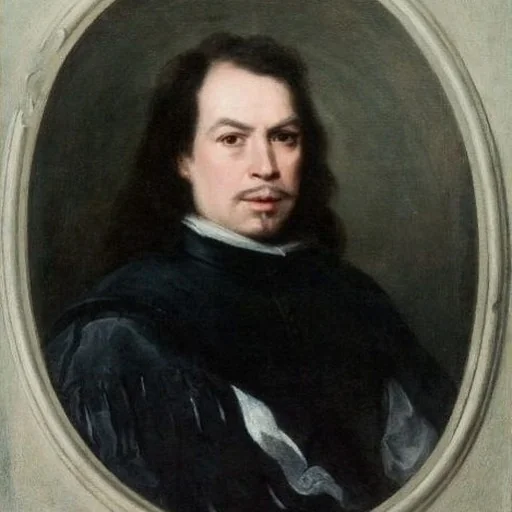
Artist
Bartolomé Esteban Murillo ( mure-IL-oh, m(y)uu-REE-oh, Spanish: ; late December 1617, baptised 1 January 1618 – 3 April 1682) was a Spanish Baroque painter.