Artwork
Caritas
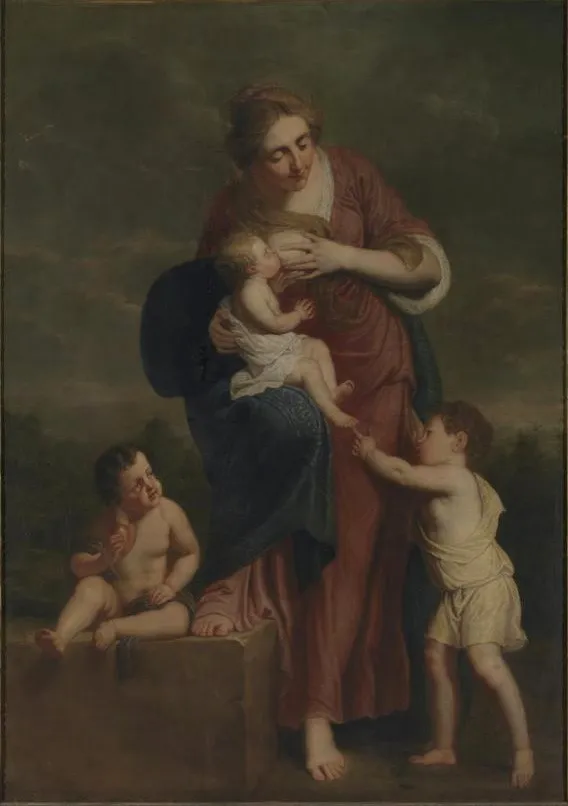
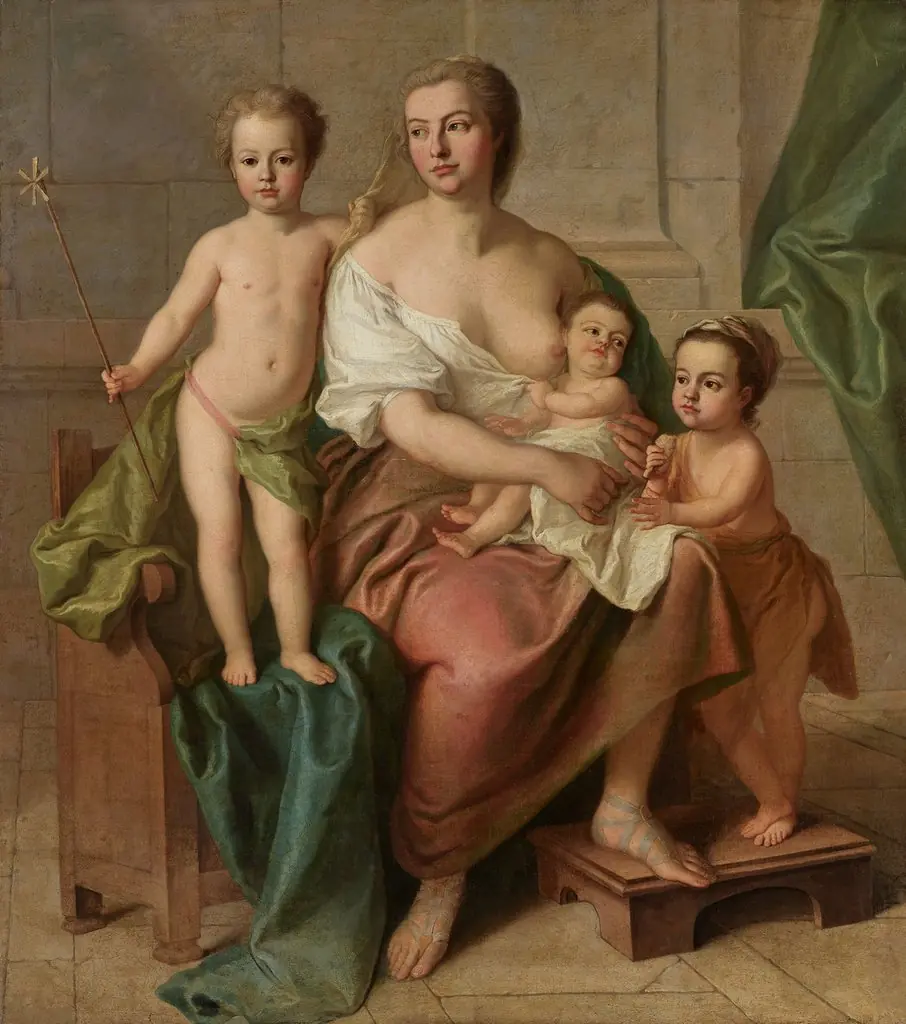
Caritas is an oil painting by the Flemish Baroque painting artist Erasmus Quellinus II. It dates from 1666 and is held in the collection of the Groeningemuseum.
About this work
Overview
Erasmus Quellinus II’s *Caritas* (1666) is an oil painting that exemplifies Flemish Baroque allegory. The composition centers on a maternal figure in a vivid red garment, cradling an infant while two nude children surround her in a dimly lit interior. The work is part of the Groeningemuseum’s collection and reflects the artist’s mature period after the death of his mentor, Peter Paul Rubens.
Subject & Meaning
The scene visualizes the virtue of charity (Caritas) through a tender mother‑child motif. The red‑clad woman gazes affectionately at the baby, suggesting nurturing love, while the playful children—one reaching toward the infant—underscore generosity and the sharing of care. The dark, cloudy backdrop heightens the intimate focus on the figures, reinforcing the moral message of self‑less affection.
Technique & Style
Quellinus employs pronounced chiaroscuro, allowing the illuminated figures to emerge from a shadowy environment. Layered glazing creates depth in the flesh tones and the rich red drapery, while subtle modeling conveys the softness of skin and fabric. The handling of light and texture aligns with the dramatic yet controlled aesthetic typical of Flemish Baroque painting.
History & Provenance
Trained under Rubens, Quellinus collaborated with his master in the 1630s before establishing himself as a leading Flemish artist after Rubens’ death in 1640. *Caritas* was completed in 1666, during the later phase of his career, and eventually entered the Groeningemuseum’s holdings, where it remains on display as part of the museum’s Baroque collection.
Context
By portraying charity as a familial, nurturing act, Quellinus aligns with contemporary Counter‑Reformation values that emphasized virtuous behavior.
The painting reflects the 17th‑century Flemish tradition of embedding moral allegories within domestic scenes. By portraying charity as a familial, nurturing act, Quellinus aligns with contemporary Counter‑Reformation values that emphasized virtuous behavior. The work also illustrates the continuation of Rubens’ influence, particularly in the dynamic composition and emotive use of color, while asserting Quellinus’s own artistic identity.
Artist & collection
Artist
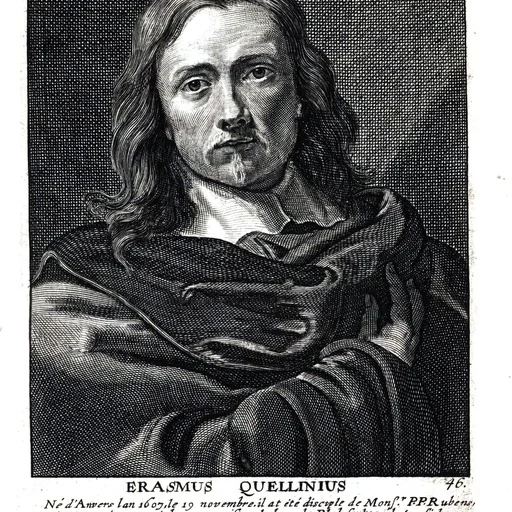
Erasmus Quellinus the Younger or Erasmus Quellinus II (November 19, 1607 – November 11, 1678) was a Flemish painter, engraver, draughtsman and tapestry designer who worked in various genres including history, portrait, allegorical, battle…

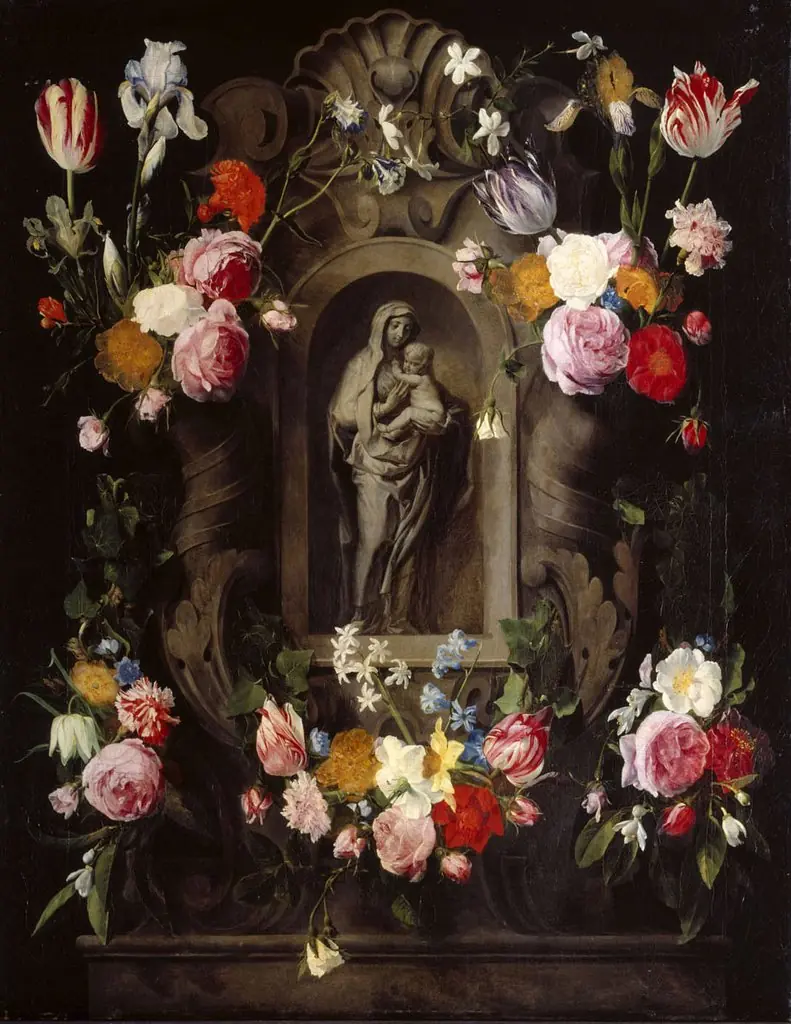 Madonna & Child Statuette in a Niche surrounded by a Garland of Flowers
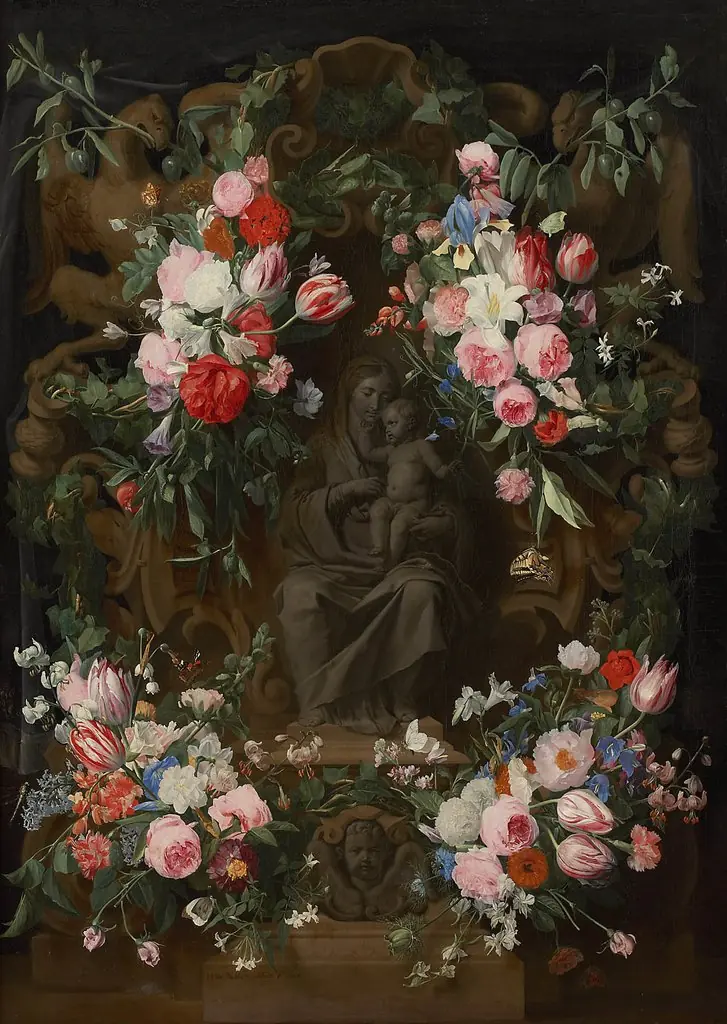 Seated Maria in a Flower Garland
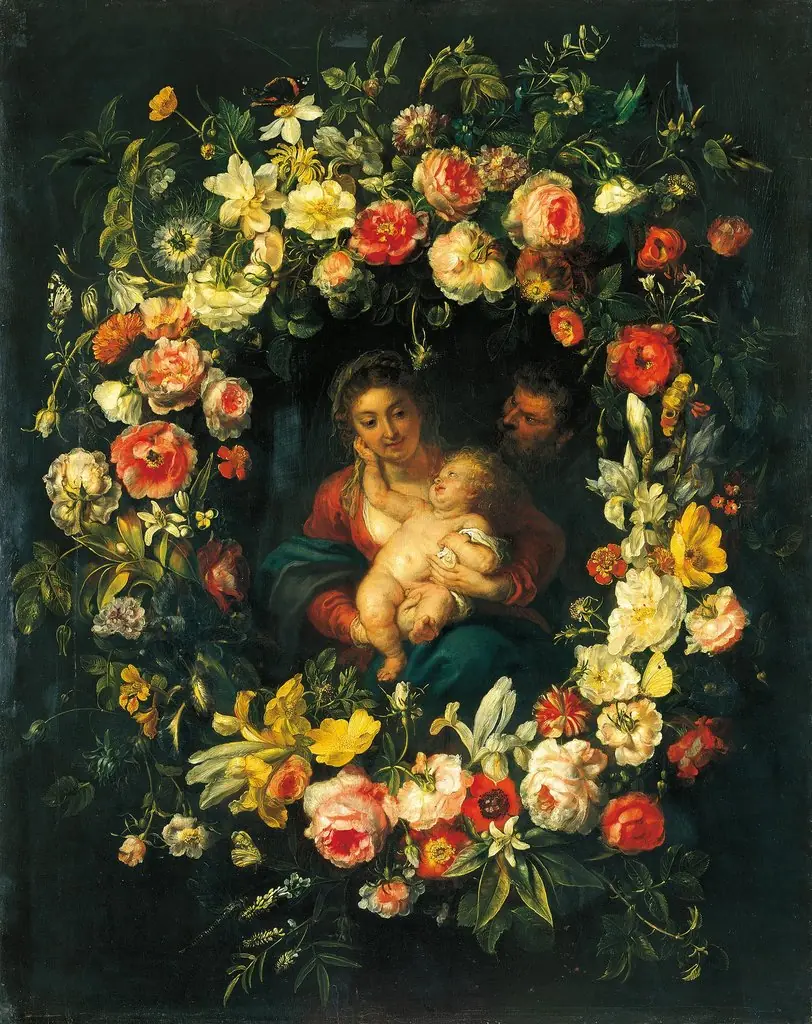 Holy Family in a Wreath of Flowers
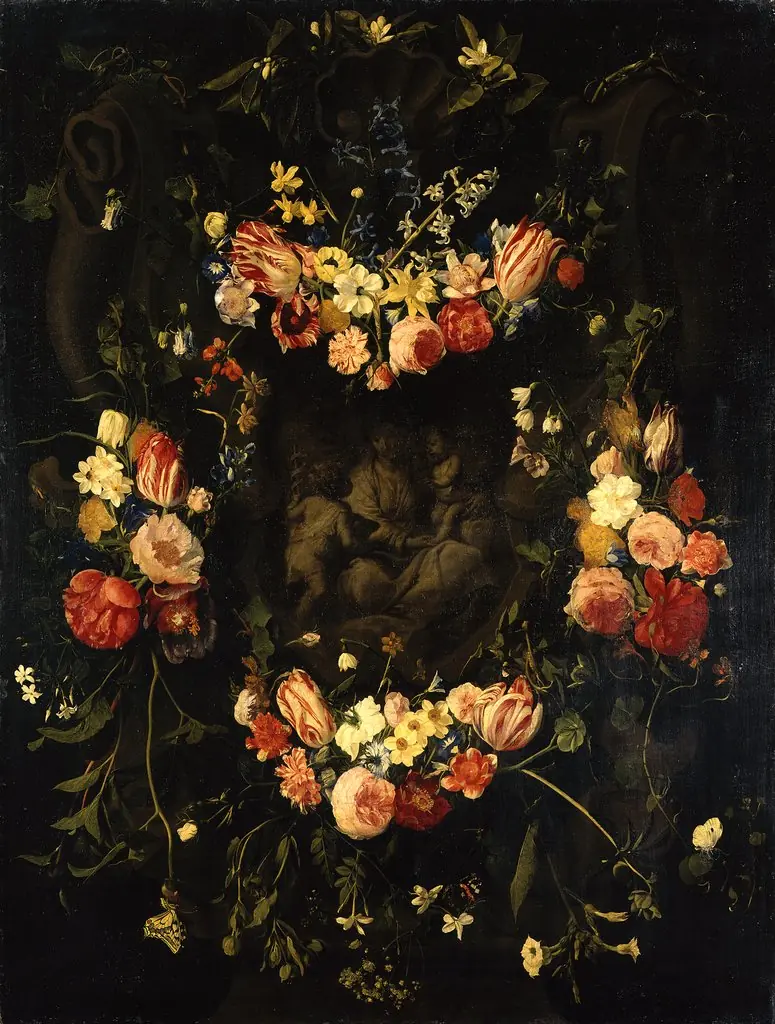 Cartouche addorned with flowergarlands surrounding a depiction of the Holy Family with the infant Saint John the Baptist
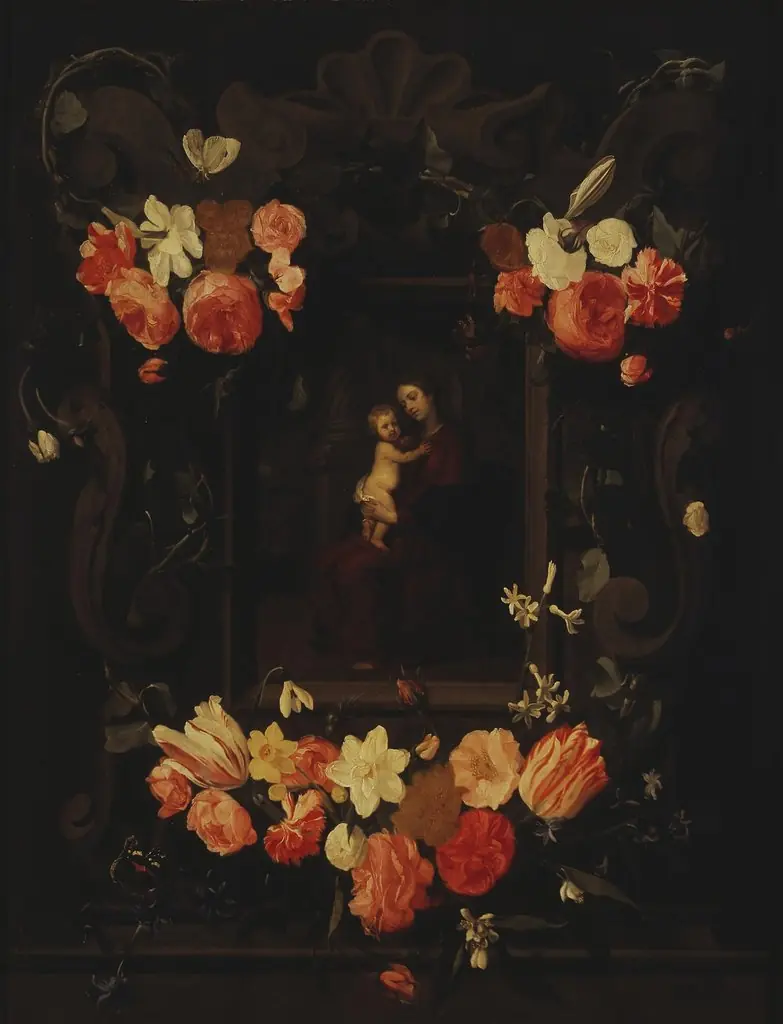 Madonna and Child Framed a Garland of Flowers
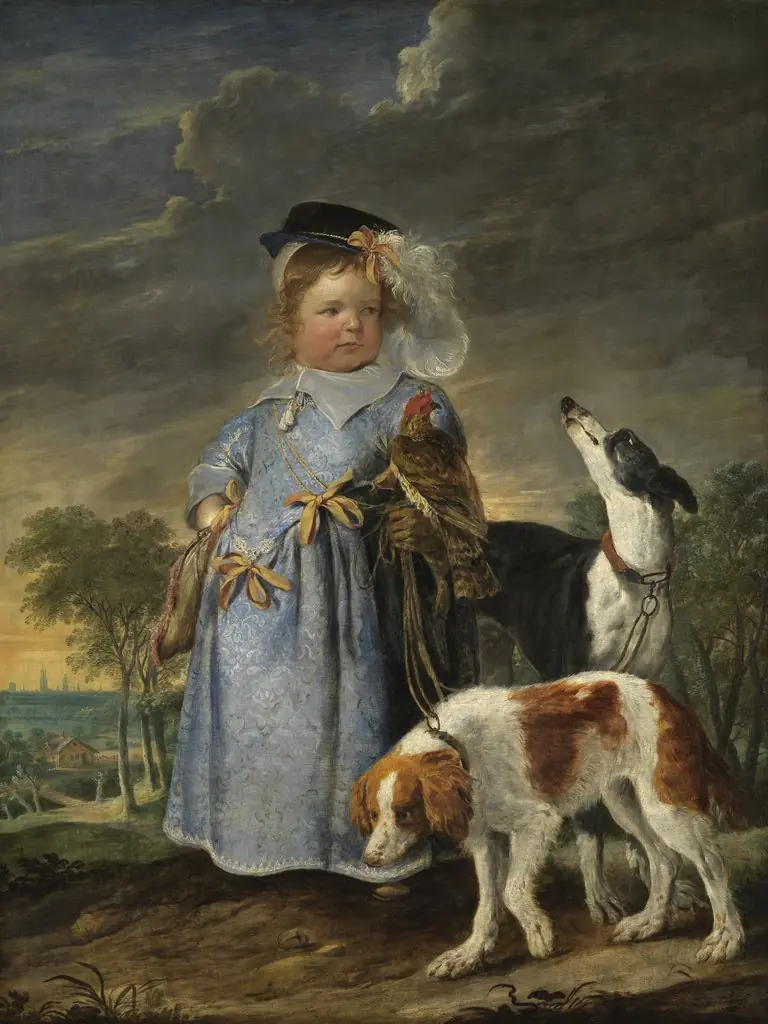 Portrait of a Boy
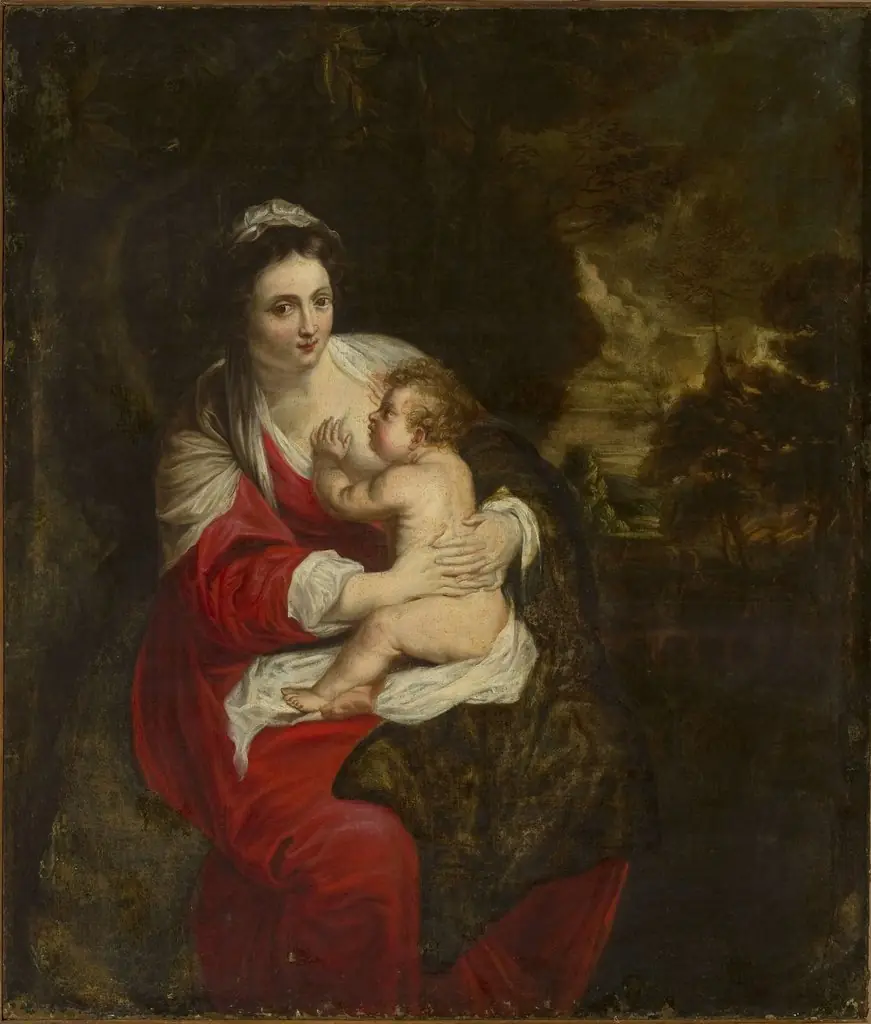 Madonna with Child Jesus
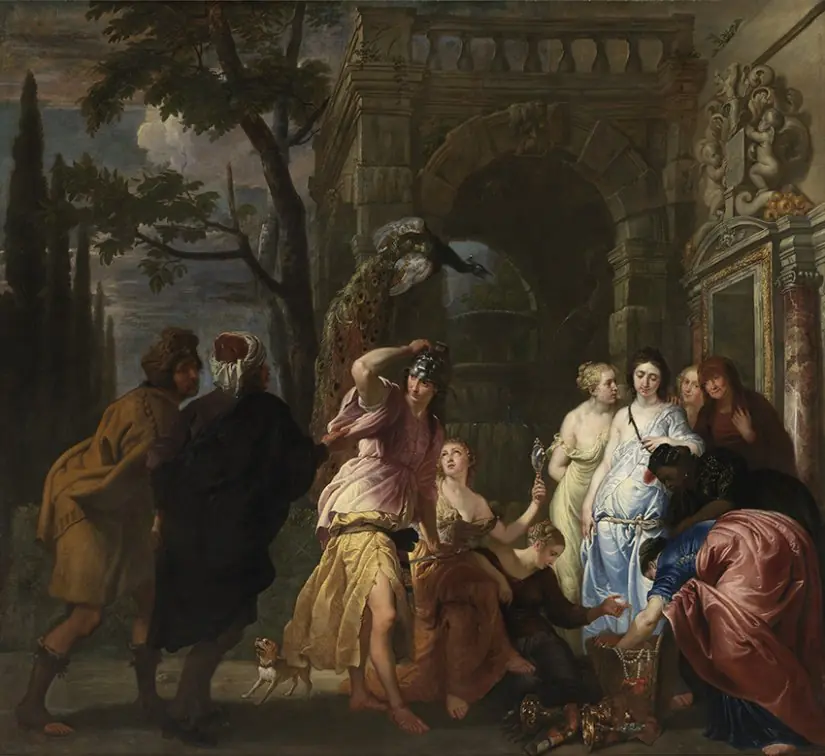 Achilles among the Daughters of Lycomedes
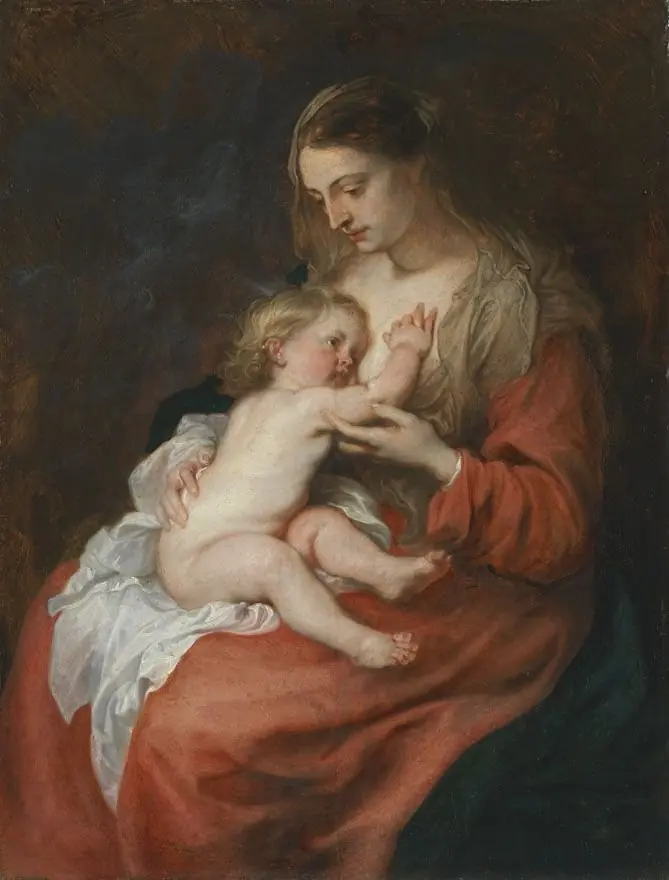 Madonna and Child
 The Holy Family with Saint John
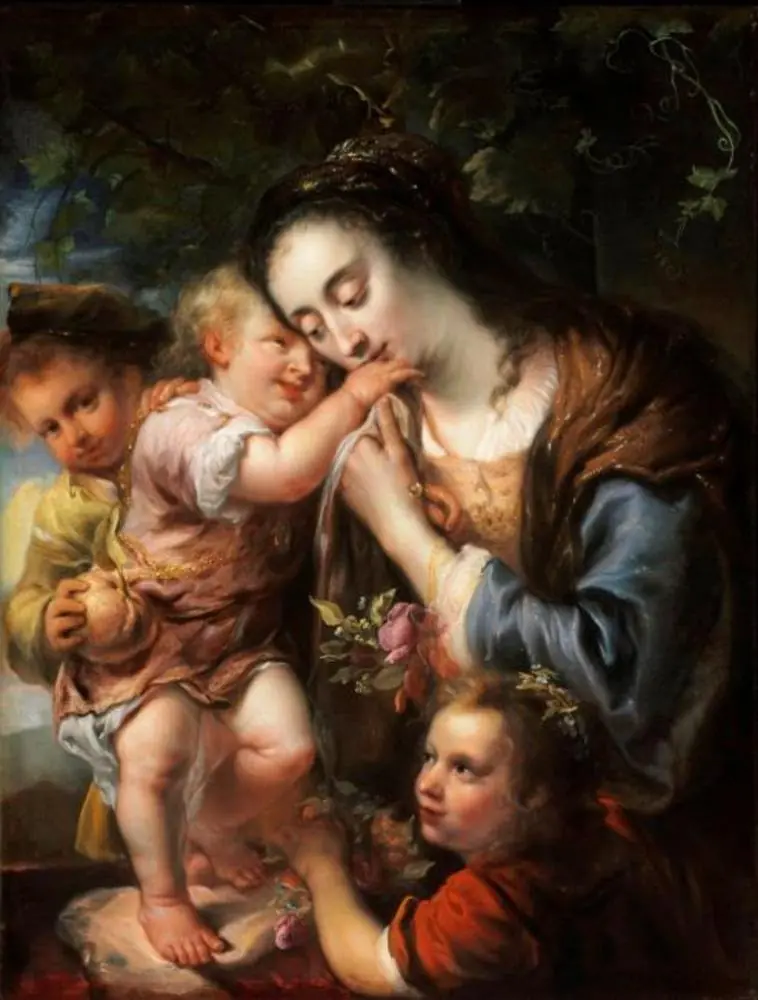 Mother with her Three Children (Maria Ovens, the Wife of the Painter)
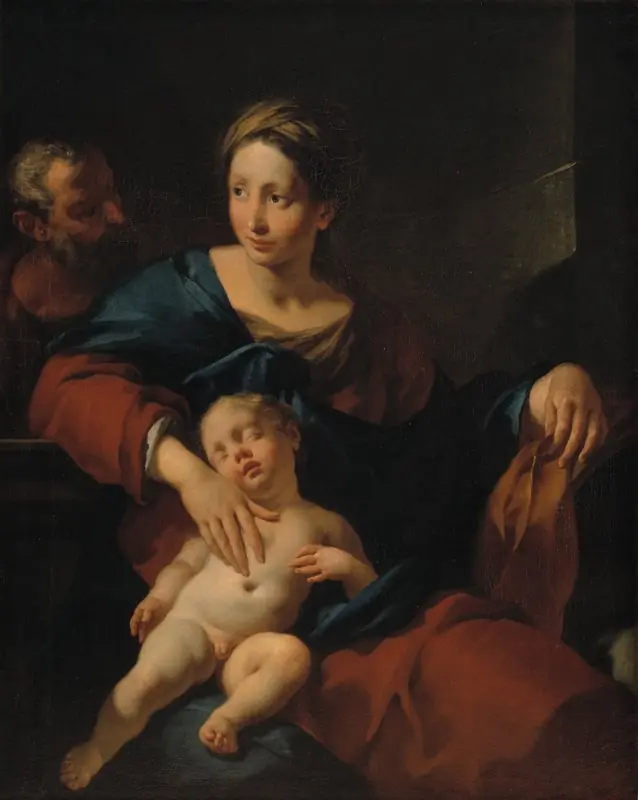 The Holy Family
 Holy family
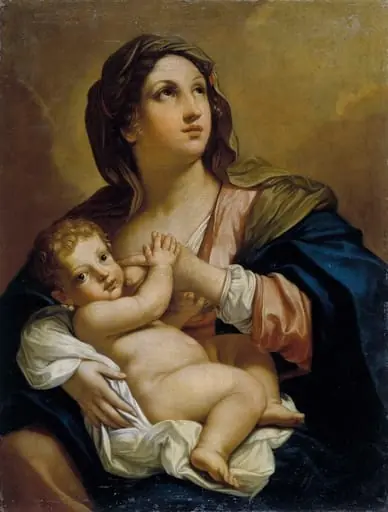 Neitsyt Maria ja Jeesus-lapsi
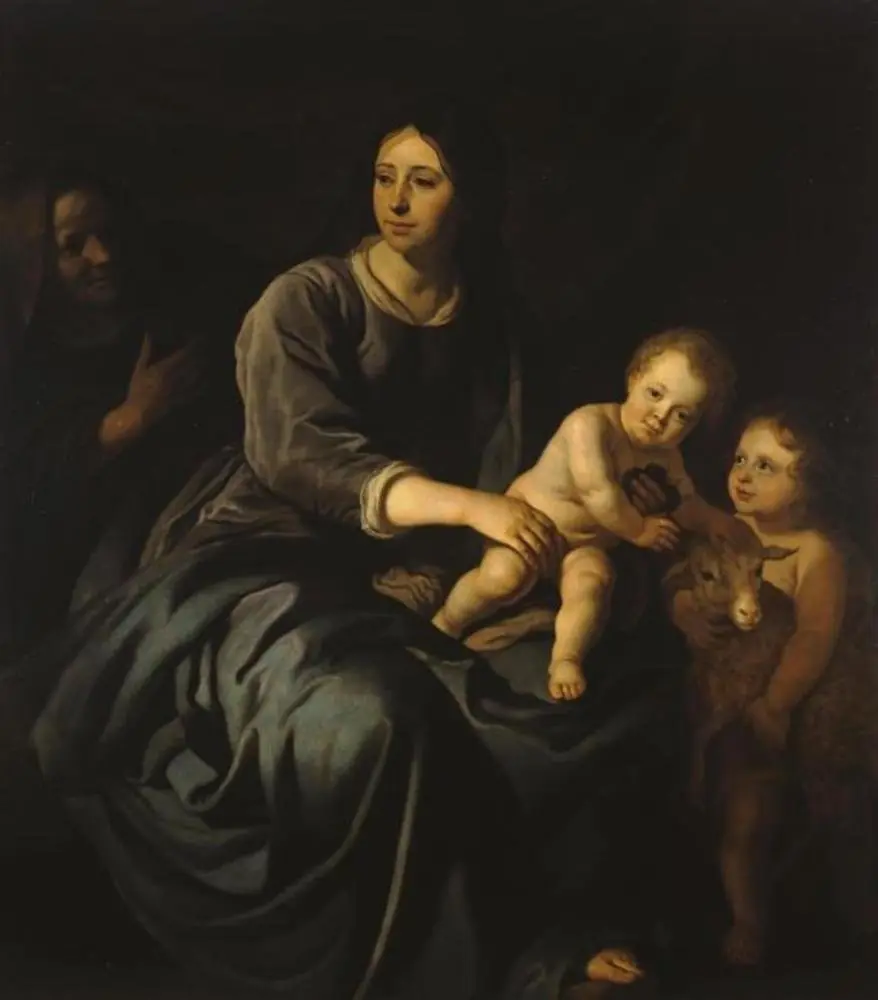 The Virgin Mary with the Infant Christ, St Elizabeth and St John the Baptist
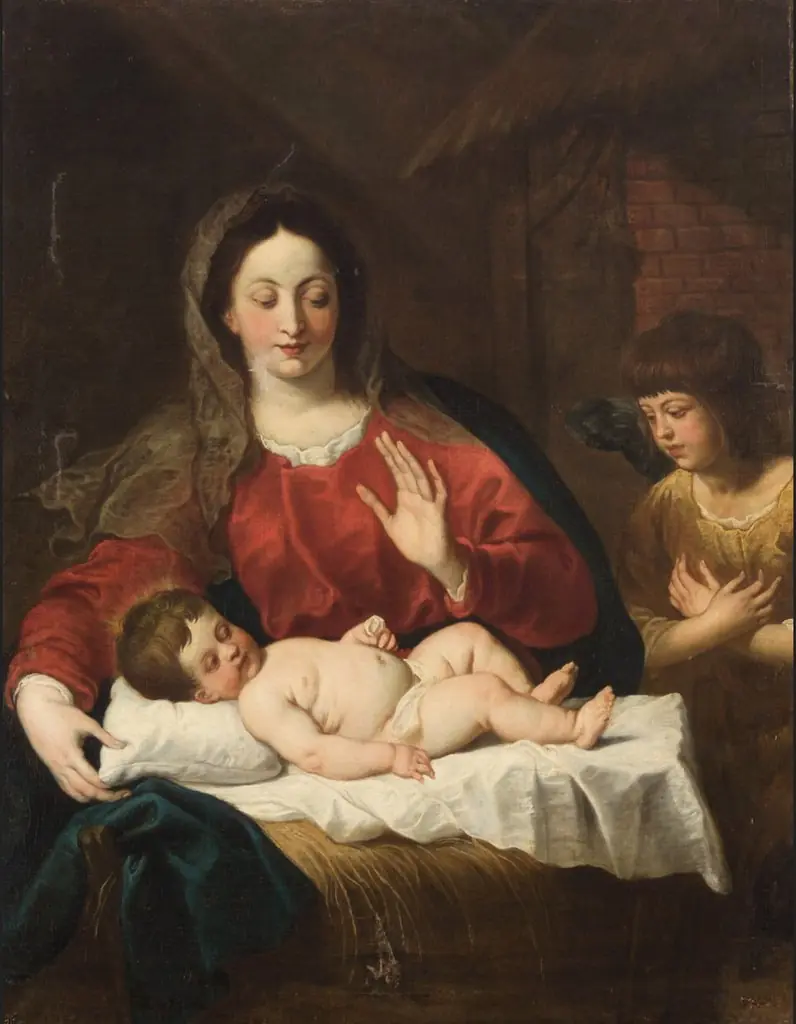 Maria mit Kind und Engel
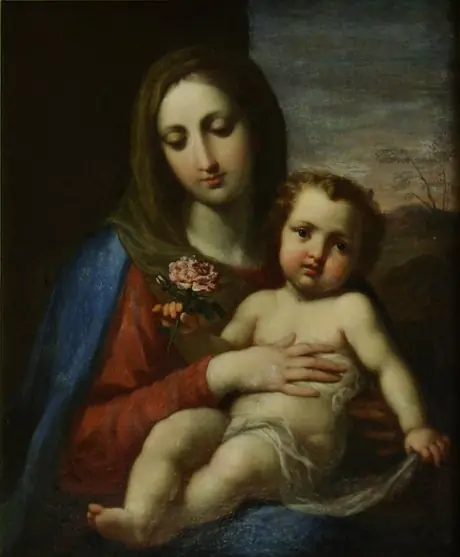 Saint mary with Jesus
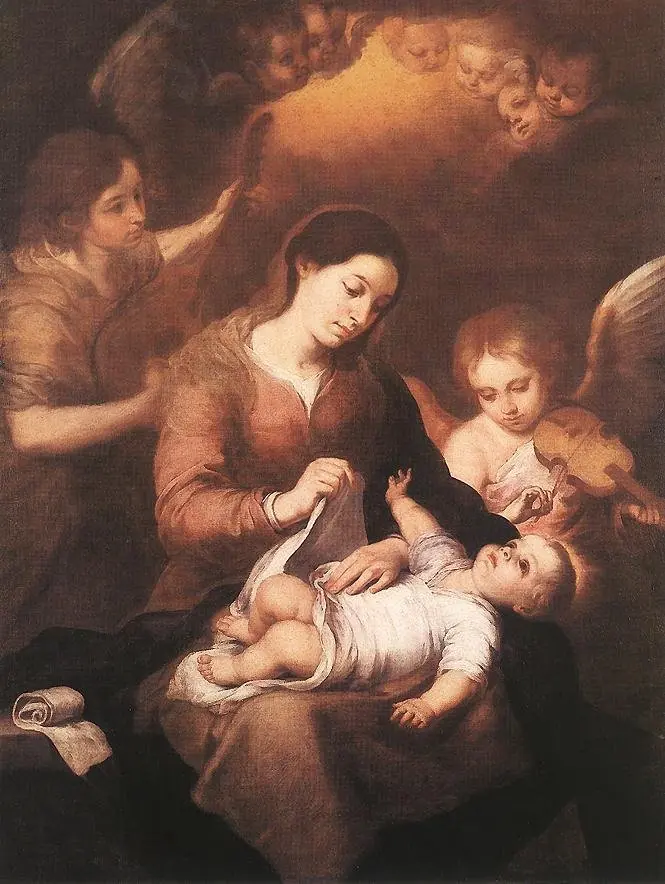 Mary and Child with Angels Playing Music
 The Virgin and Child
 Caritas