Artwork
The Good Shepherd
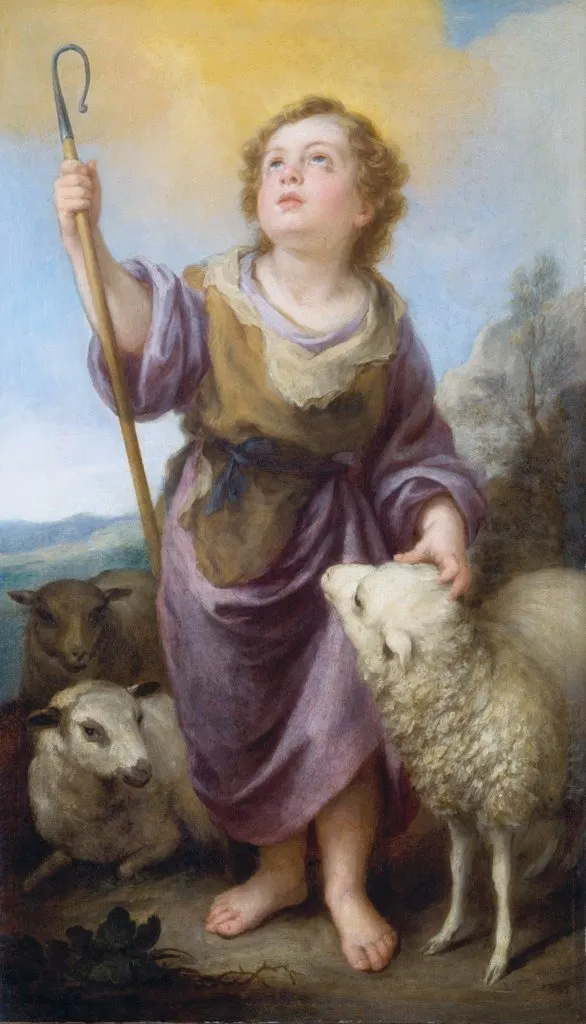
The Good Shepherd is an unspecified painting by the Spanish Baroque Tenebrist artist Bartolomé Esteban Murillo. It is held in the collection of the Städel Museum.
About this work
Overview
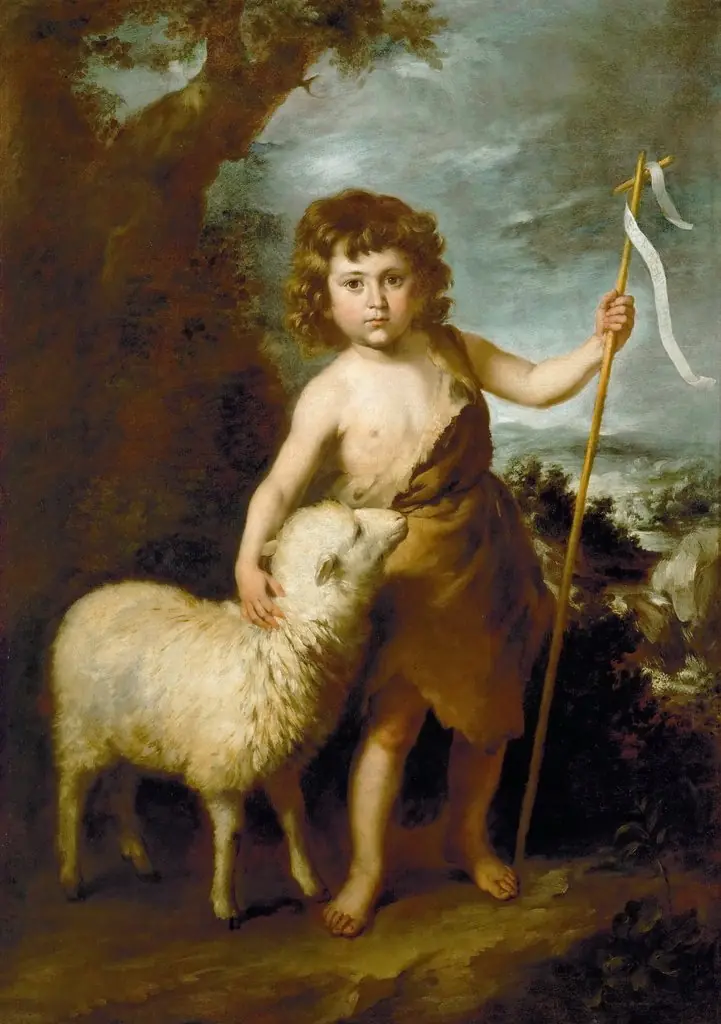
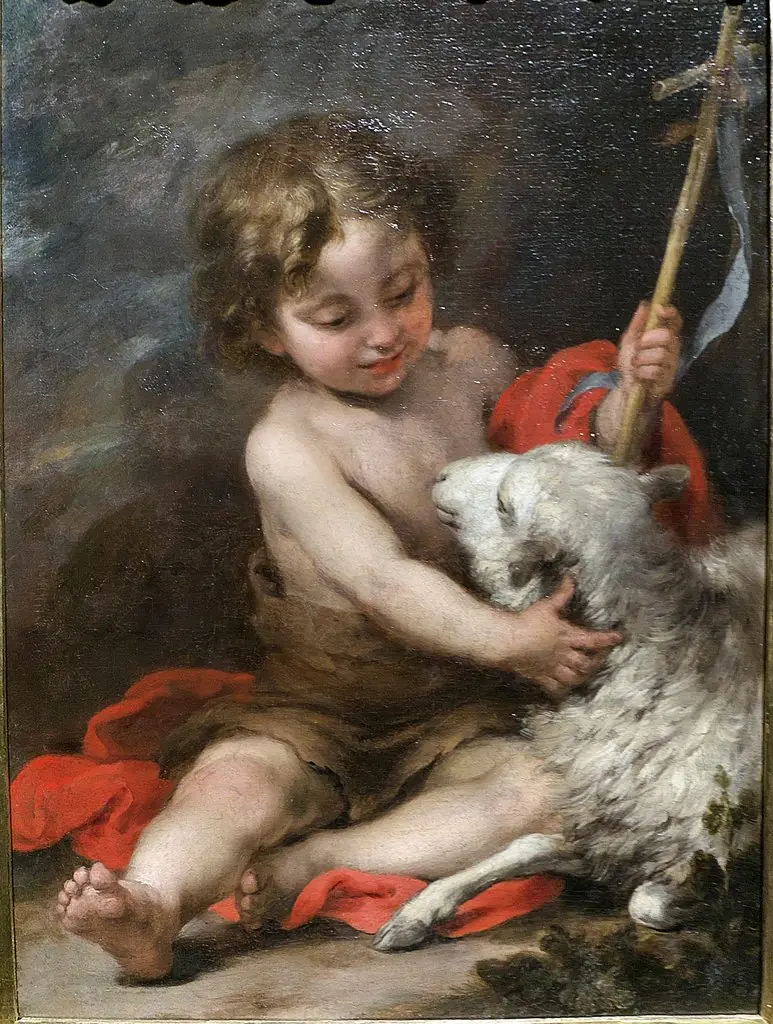
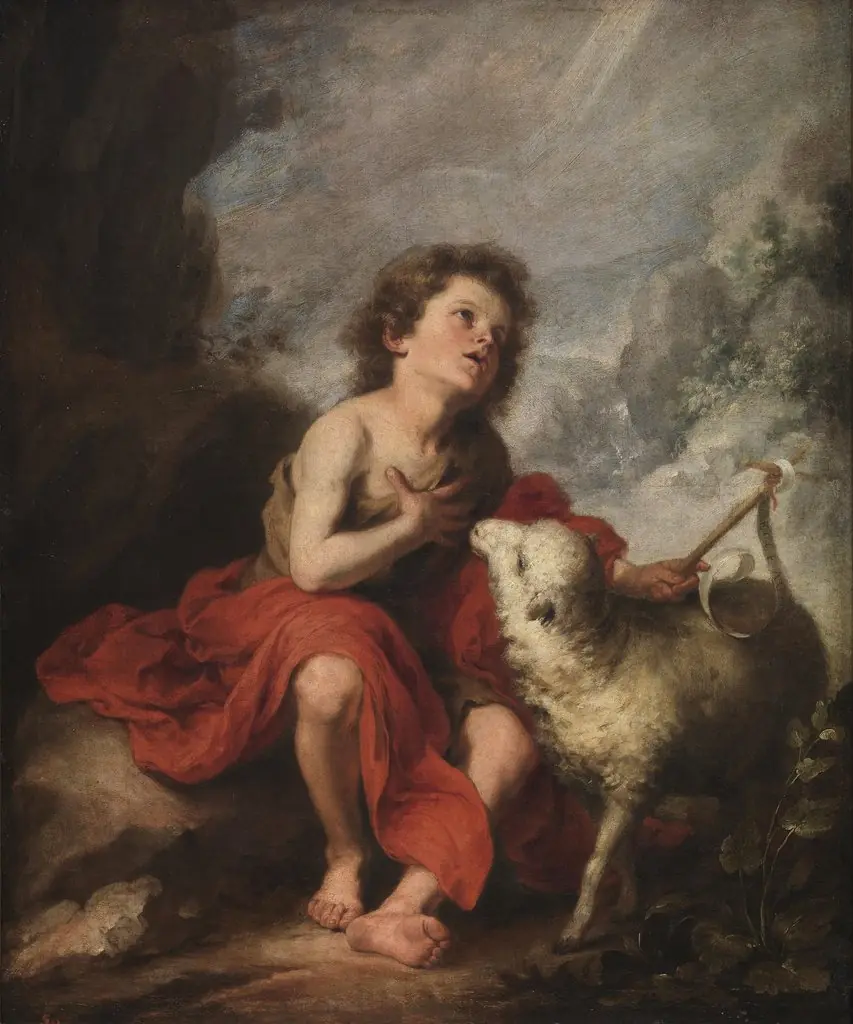
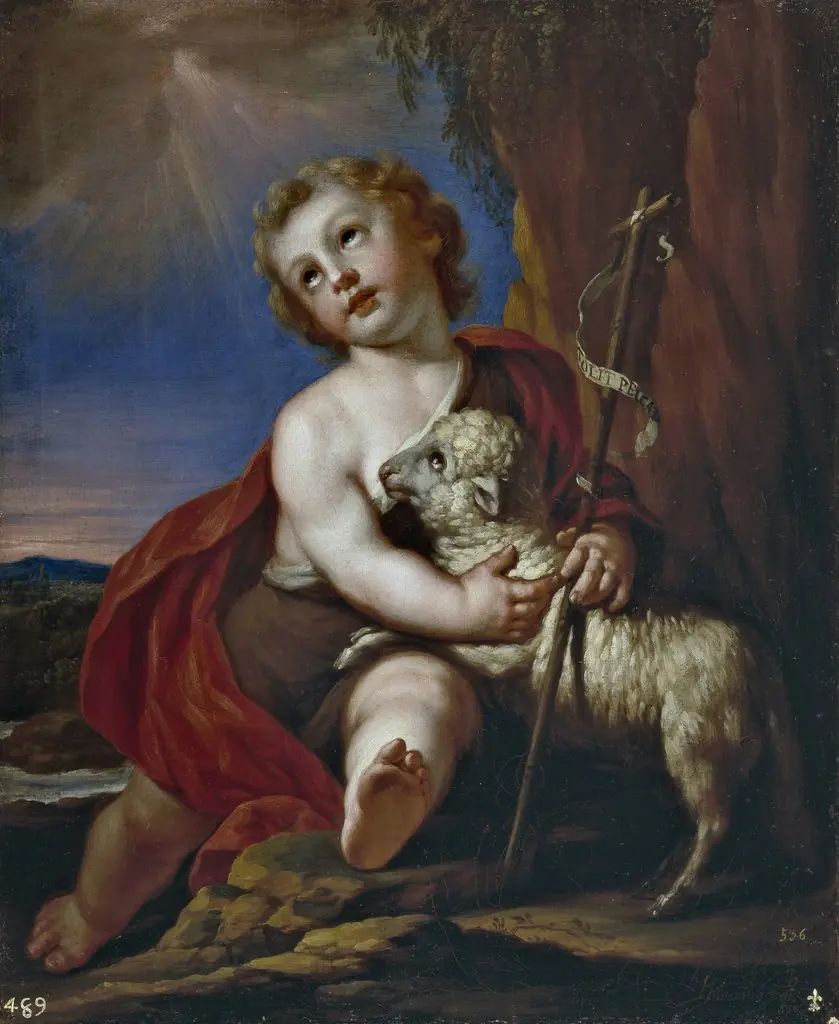
The Good Shepherd, painted in 1690 by Spanish Baroque artist Bartolomé Esteban Murillo, is a religious work depicting the Christ Child in a shepherd's role. Characteristic of Murillo's style, it blends serene religious themes with a sense of everyday simplicity.
Subject & Meaning
The painting portrays the Christ Child as a youthful, gentle shepherd, emphasizing care and guidance through the figure's calm expression and nurturing interaction with the sheep. This representation symbolizes Christ's role as a protector and guide.
Technique & Style
Executed in the tenebrist tradition of Spanish Baroque, the work features soft, muted colors and delicate brushstrokes, creating a peaceful ambiance. The use of a predominantly blue and yellow hued background underscores the serene landscape setting.
History & Provenance
Created in 1690, The Good Shepherd is now part of the collection at the Städel Museum. It reflects Murillo's dual capability in capturing both religious subjects and scenes of everyday life, often focusing on children.
Context
As a product of the Spanish Baroque period, the painting aligns with the era's emphasis on dramatic lighting and emotional depth, though Murillo's approach here is notably subdued, focusing on tranquility.
Legacy
While specific impact of The Good Shepherd on later art is not broadly documented, it contributes to Murillo's reputation for nuanced, emotionally resonant religious paintings that balance the sacred with the mundane.
Artist & collection
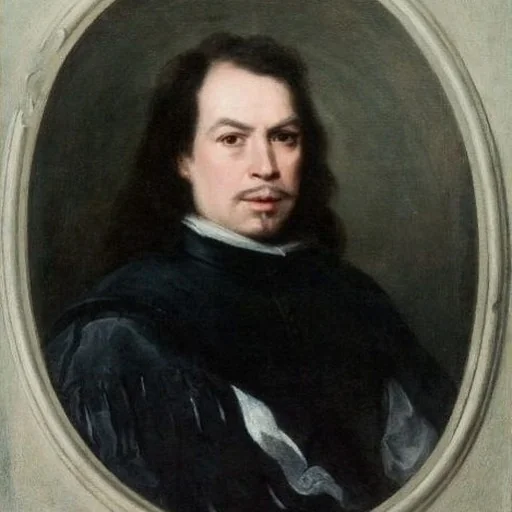
Artist
Bartolomé Esteban Murillo ( mure-IL-oh, m(y)uu-REE-oh, Spanish: ; late December 1617, baptised 1 January 1618 – 3 April 1682) was a Spanish Baroque painter.