Artwork
Saint Genoveva
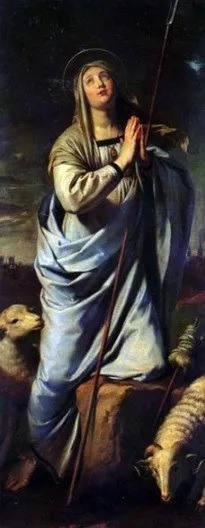
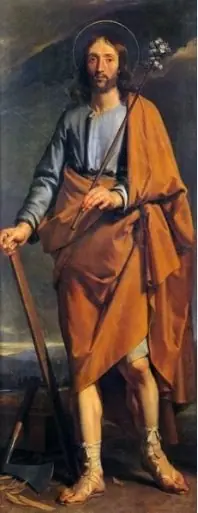
Saint Genoveva is an oil painting by the French Classical Baroque artist Philippe de Champaigne. It dates from 1656 and is held in the collection of the Royal Museums of Fine Arts of Belgium.
About this work
Overview
A prominent figure in French Baroque art, Champaigne was both a court painter and a co-founder of the Académie royale de peinture et de sculpture.
Painted in 1656 by Philippe de Champaigne, this oil on canvas work portrays Saint Genevieve, the patron saint of Paris. A prominent figure in French Baroque art, Champaigne was both a court painter and a co-founder of the Académie royale de peinture et de sculpture. The painting reflects his disciplined approach to religious subjects, combining spiritual gravity with restrained elegance. It is now part of the Royal Museums of Fine Arts of Belgium’s collection.
Subject & Meaning
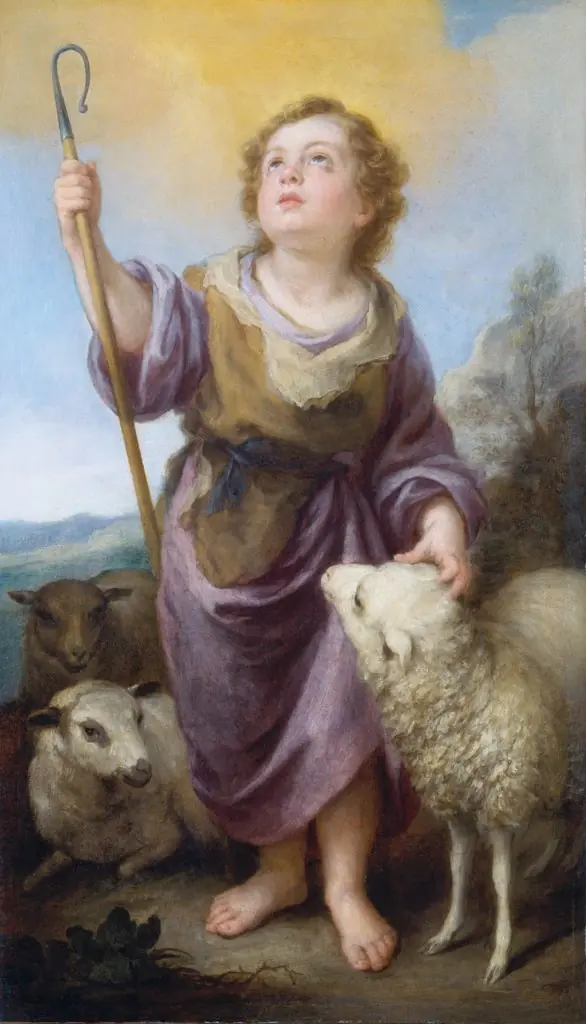
The painting depicts Saint Genevieve, a fifth-century Parisian nun known for her piety and miracles. She is shown in a moment of quiet prayer, her upward gaze and serene expression suggesting divine communion. The presence of two sheep—symbols of her pastoral care and innocence—reinforces her role as a protector of the city. The composition avoids dramatic spectacle, emphasizing inner devotion over external spectacle.
Technique & Style
Champaigne employs a muted palette with soft contrasts to focus attention on the figure. The white robe and gold shawl catch subtle light against a dark, indistinct background, enhancing the saint’s ethereal presence. Brushwork is precise yet unobtrusive, favoring clarity of form over ornamental flourish. The sheep are rendered with quiet realism, grounding the sacred scene in tangible detail without disrupting its contemplative tone.
History & Provenance
Commissioned during Champaigne’s mature period, the painting emerged from a time when religious imagery in France was shaped by Counter-Reformation ideals and royal patronage. It entered the Royal Museums of Fine Arts of Belgium’s collection in the 19th century, likely through acquisition or transfer from a French religious institution. Its provenance reflects the movement of ecclesiastical art across borders after the French Revolution.
Context
In mid-17th century France, religious painting was closely tied to state and church authority. Champaigne’s style aligned with the French Classical Baroque, which favored order, restraint, and moral clarity over Italian theatricality. His depictions of saints served devotional and didactic purposes, reinforcing civic and spiritual identity during a period of political consolidation under Louis XIV.
Legacy
Though less widely known than his portraits, this work exemplifies Champaigne’s contribution to French religious art. Its quiet intensity influenced later generations of academic painters who sought to balance emotional depth with formal discipline. The painting remains a quiet testament to the role of personal devotion in public religious culture during the early modern period.
Artist & collection
Artist
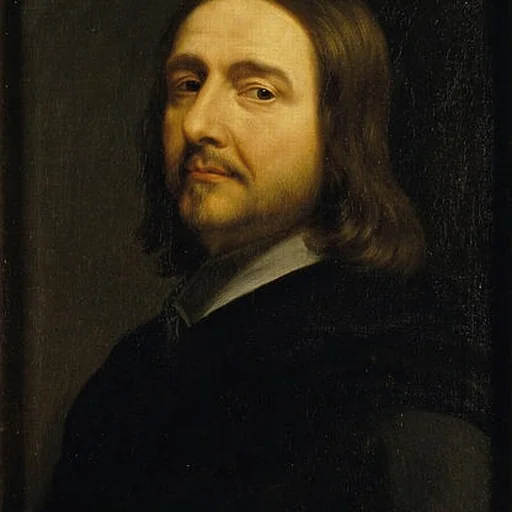
Philippe de Champaigne (French pronunciation: ; 26 May 1602 – 12 August 1674) was a Brabant-born French Baroque era painter, a major exponent of French Baroque painting.

Museum
Royal Museums of Fine Arts of Belgium
Continue through works from the same source collection.