Artwork
The Holy Children with a Shell
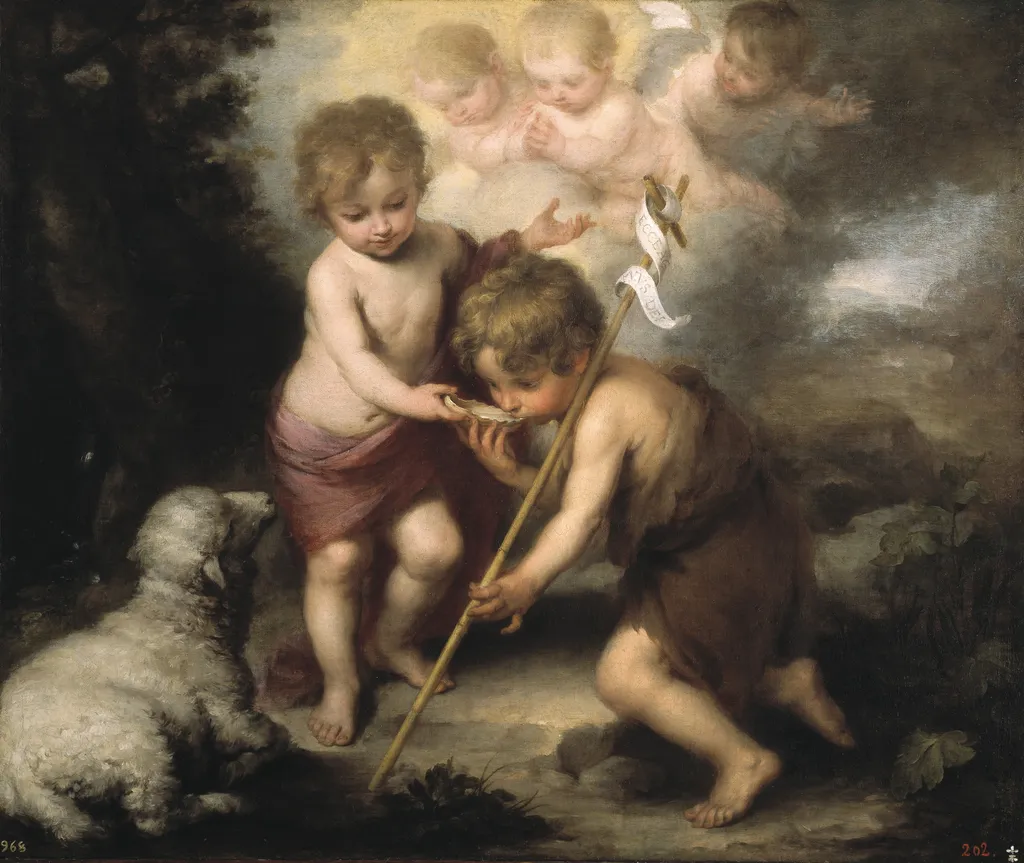
The Holy Children with a Shell is an oil painting by the Early Baroque Italian artist Bartolomé Esteban Murillo. It dates from 1670 and is held in the collection of the Museo del Prado.
About this work
The Holy Children with a Shell is a painting by Spanish artist Bartolomé Esteban Murillo.
The Holy Children with a Shell is a painting by Spanish artist Bartolomé Esteban Murillo. It was created around 1670 using oil paint on canvas.
The work shows the Christ Child together with the infant John the Baptist, and it is sometimes called The Christ Child and the Infant John the Baptist with a Shell. It dates from the early 1670s and now hangs in Madrid’s Prado Museum. The painting reflects Murillo’s gentle style.
If you’re curious, check out the museum: Museo del Prado.
Overview
Bartolomé Esteban Murillo painted The Holy Children with a Shell in the early 1670s, using oil on canvas. The work depicts the infant Jesus alongside the young John the Baptist, a motif that appealed to 17th‑century Spanish patrons. Today the canvas is part of the Prado Museum’s collection in Madrid, where it is displayed among the artist’s religious genre pieces.
Subject & Meaning
The composition presents the two biblical toddlers in a tender interaction, the Christ Child holding a shell that alludes to baptismal symbolism, while the young John gestures in a manner that anticipates his future prophetic role. Murillo’s treatment emphasizes innocence and divine grace, inviting contemplation of the saints’ early connection.
Technique & Style
Executed in oil on canvas, the painting showcases Murillo’s characteristic softness of light and delicate modeling of flesh. The palette is muted, with warm earth tones that enhance the intimate atmosphere. Brushwork is fluid yet controlled, allowing subtle transitions between shadow and illumination that give the figures a three‑dimensional presence.
History & Provenance
The first documented appearance of the canvas dates to 1746, listed in the collection of Elisabeth Farnese at the Royal Palace of La Granja de San Ildefonso. By 1766 it had been moved to Infante Luis’s bedroom in the same palace, later appearing in the king’s bedroom at the Palacio de Aranjuez in 1794, and subsequently in the Palacio Real from 1814 to 1818 before entering the Prado’s holdings.
Legacy
The painting proved highly popular in the 18th and 19th centuries, inspiring numerous engravings and decorative reproductions on porcelain. Its widespread dissemination helped cement Murillo’s reputation for gentle religious imagery, and the work continues to be referenced in studies of Baroque devotional art.
Own this work as a print
Artist & collection
Artist
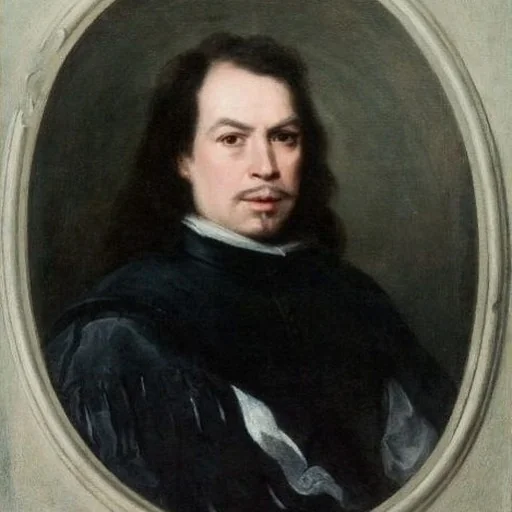
Bartolomé Esteban Murillo ( mure-IL-oh, m(y)uu-REE-oh, Spanish: ; late December 1617, baptised 1 January 1618 – 3 April 1682) was a Spanish Baroque painter.

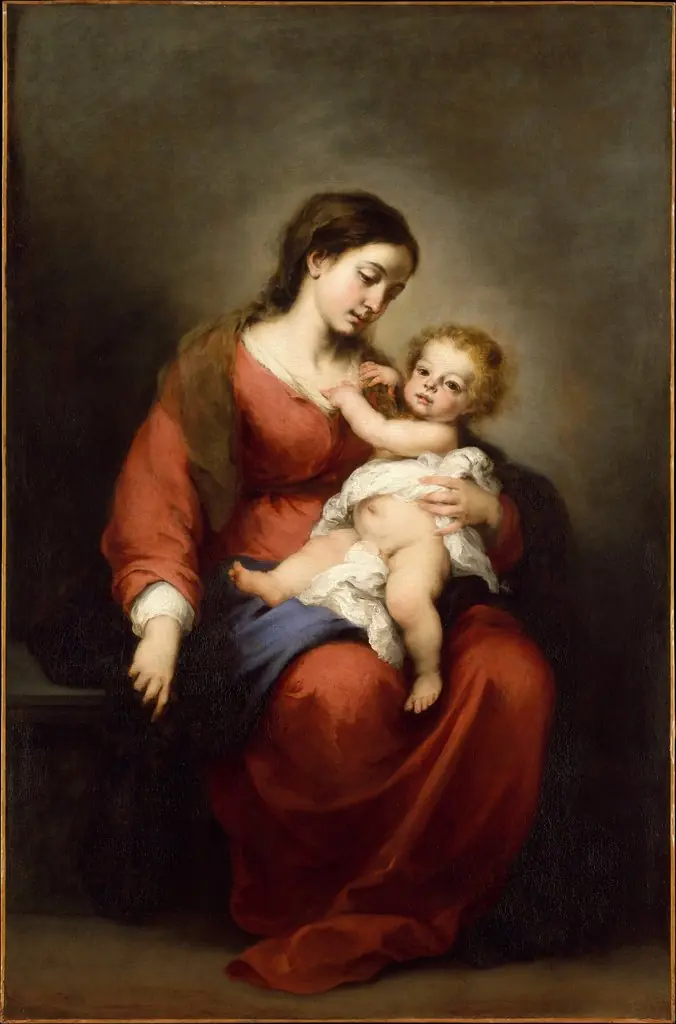
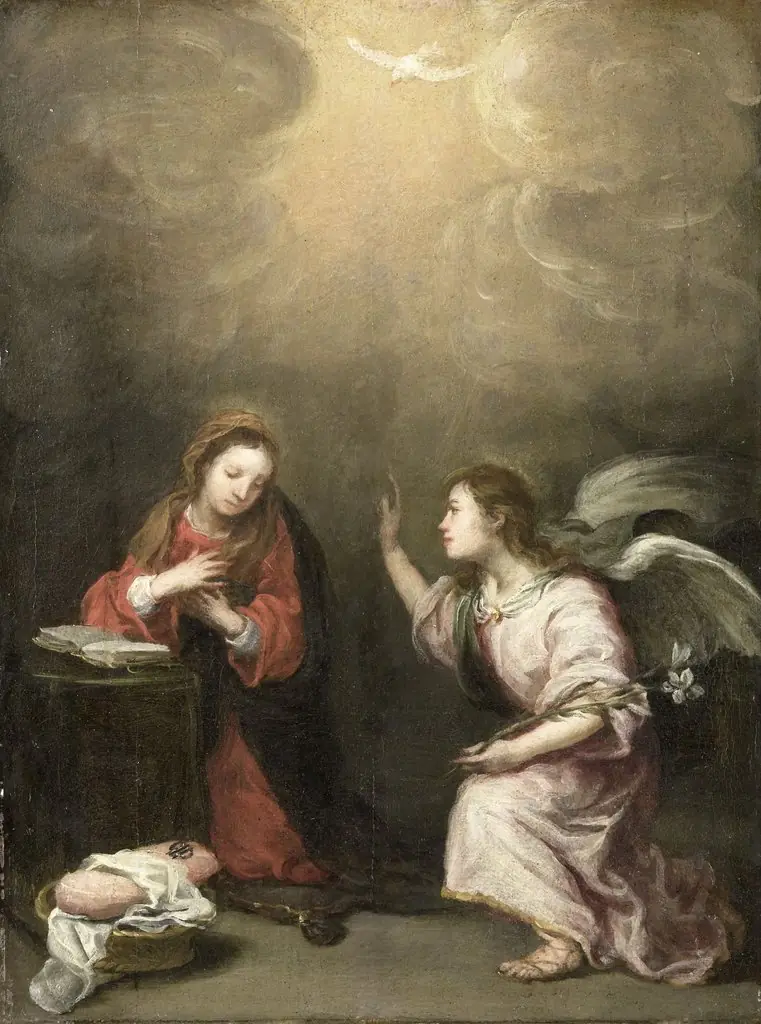
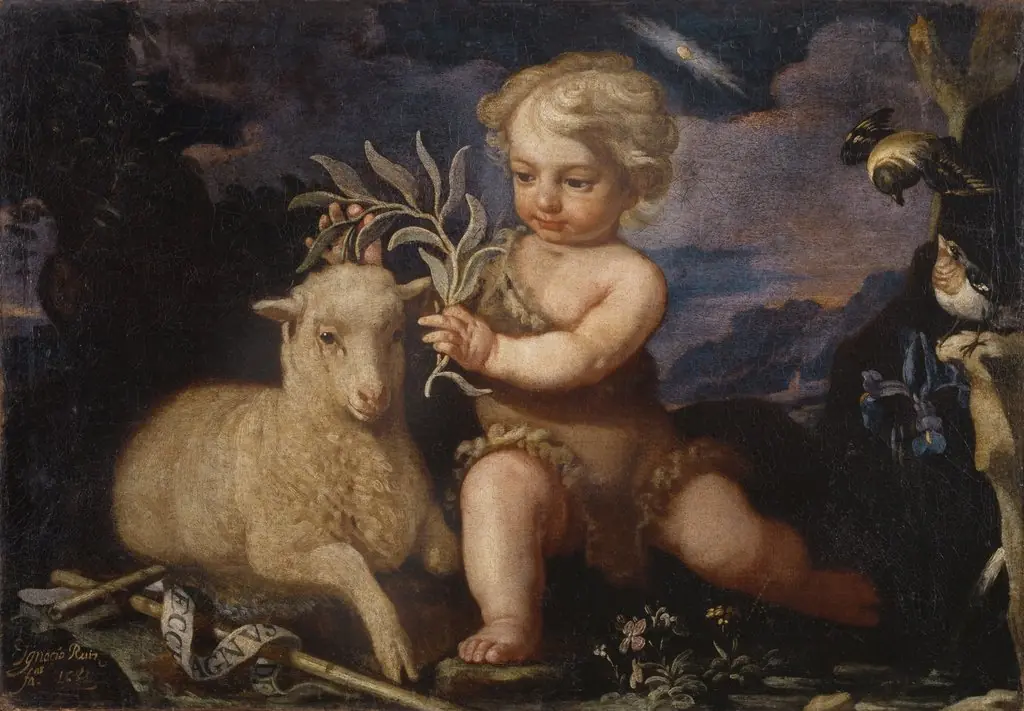 The Infant Saint John the Baptist with the Lamb
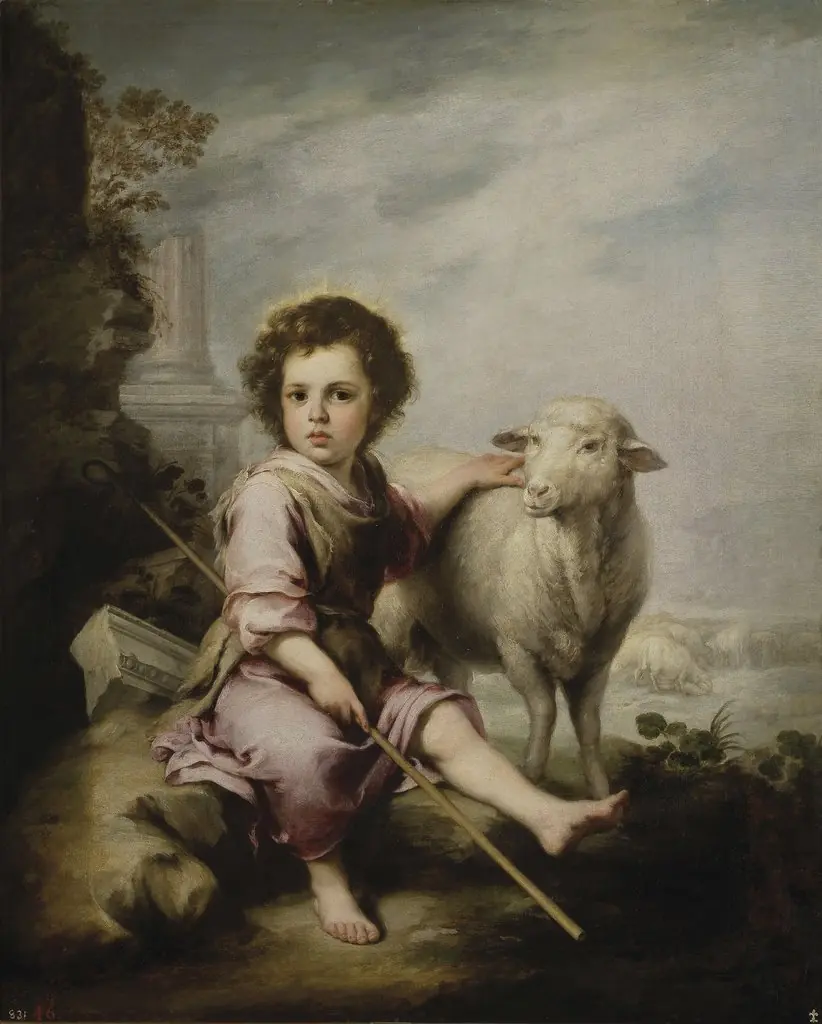 The Good Shepherd
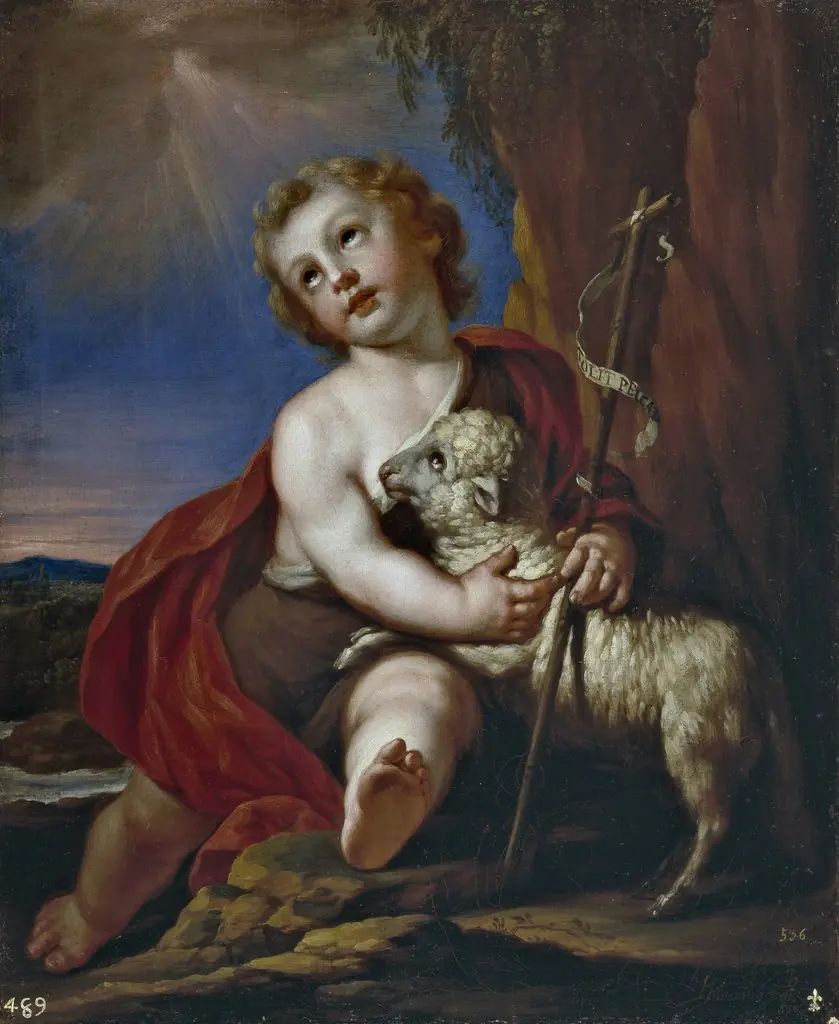 The Infant Saint John the Baptist
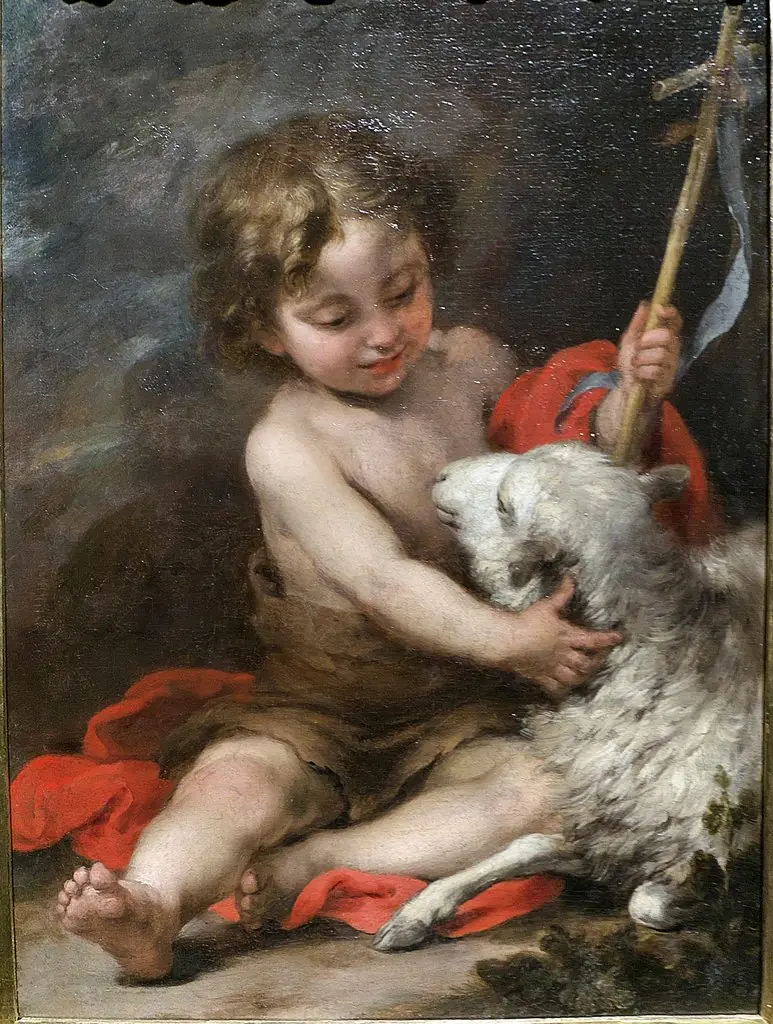 The Infant Saint John Playing with a Lamb
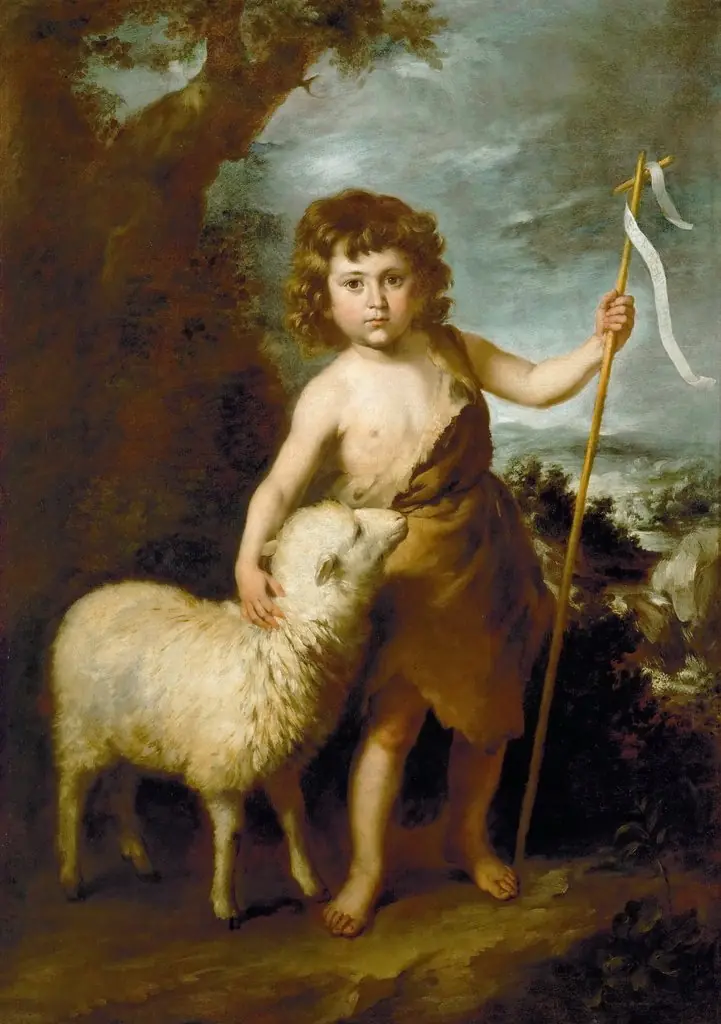 John the Baptist as a child
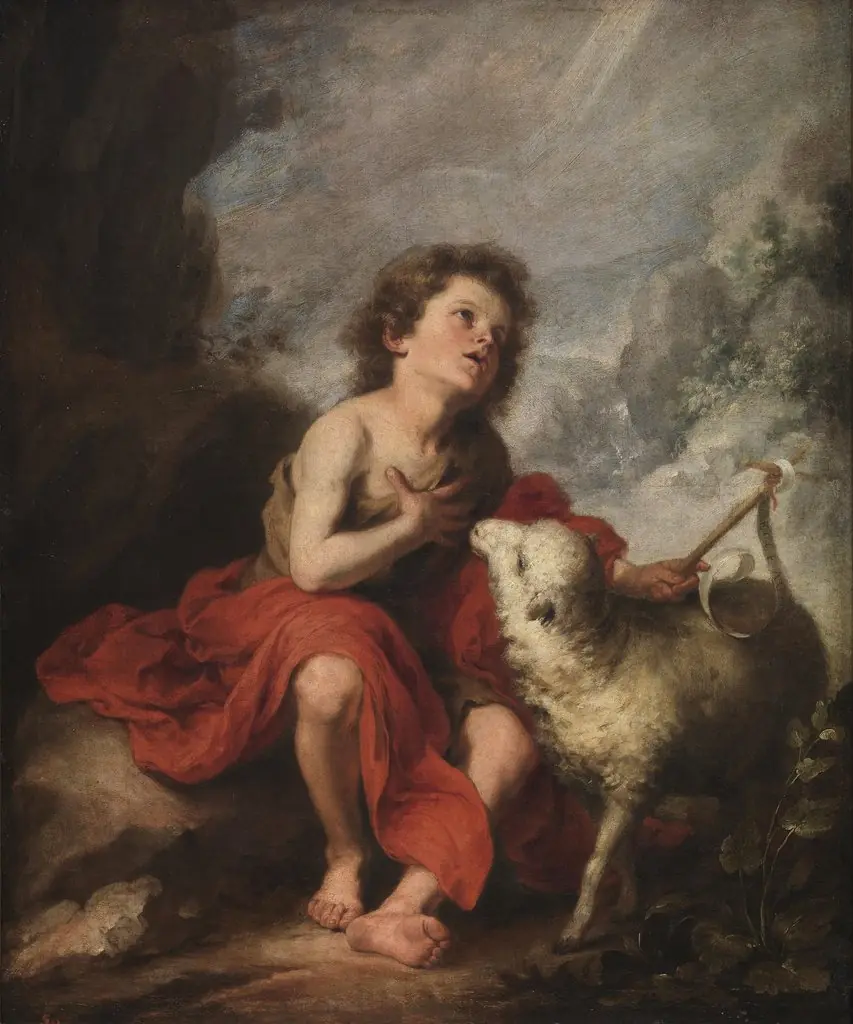 The Infant Saint John the Baptist
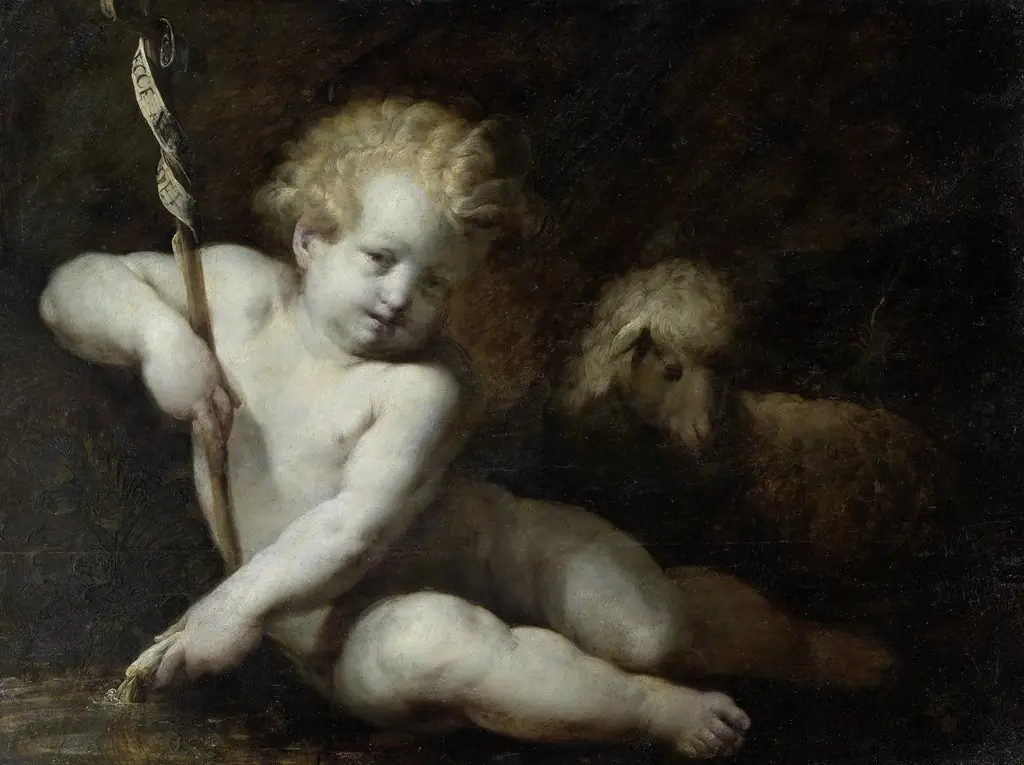 Young St. John
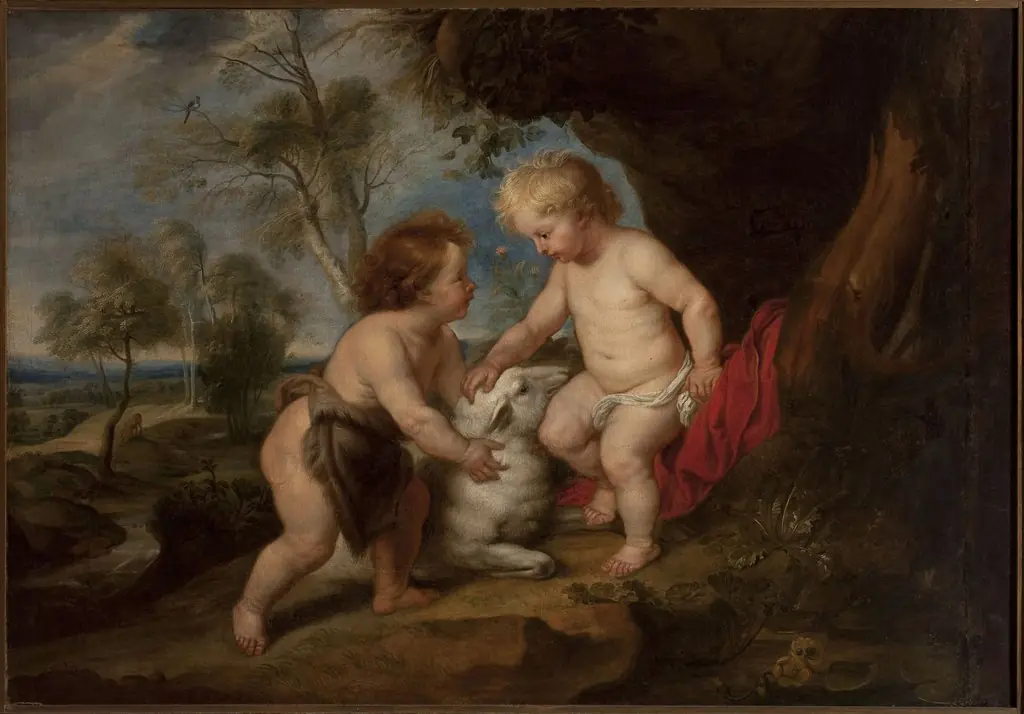 Child Jesus and St. John the Baptist
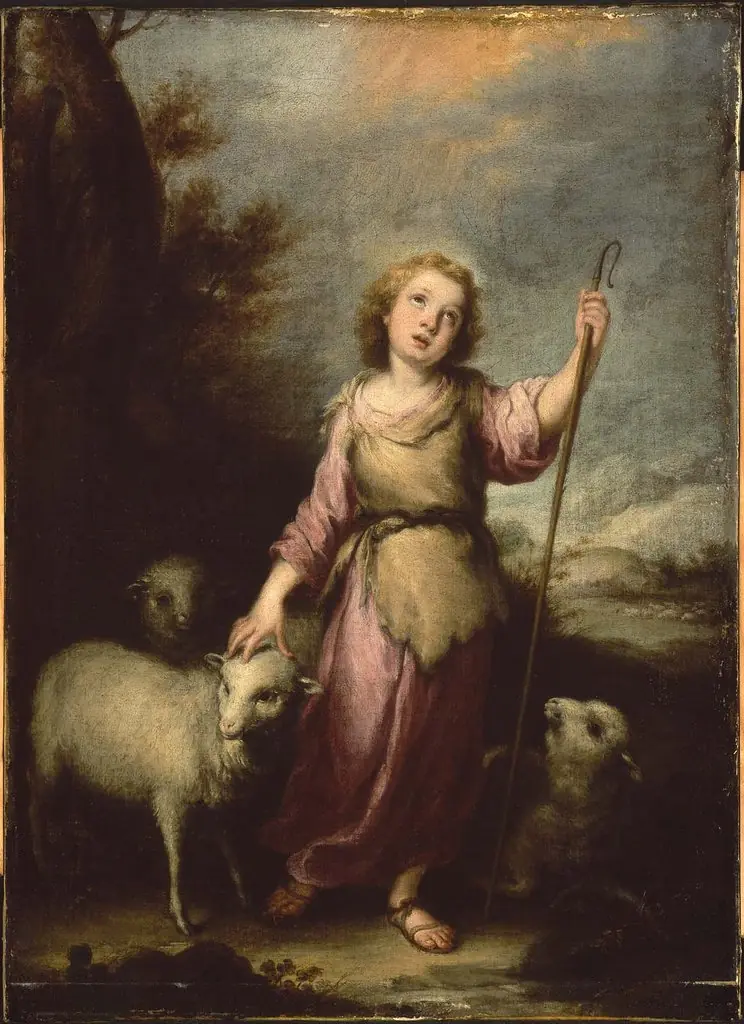 The Young Christ as the Good Shepherd
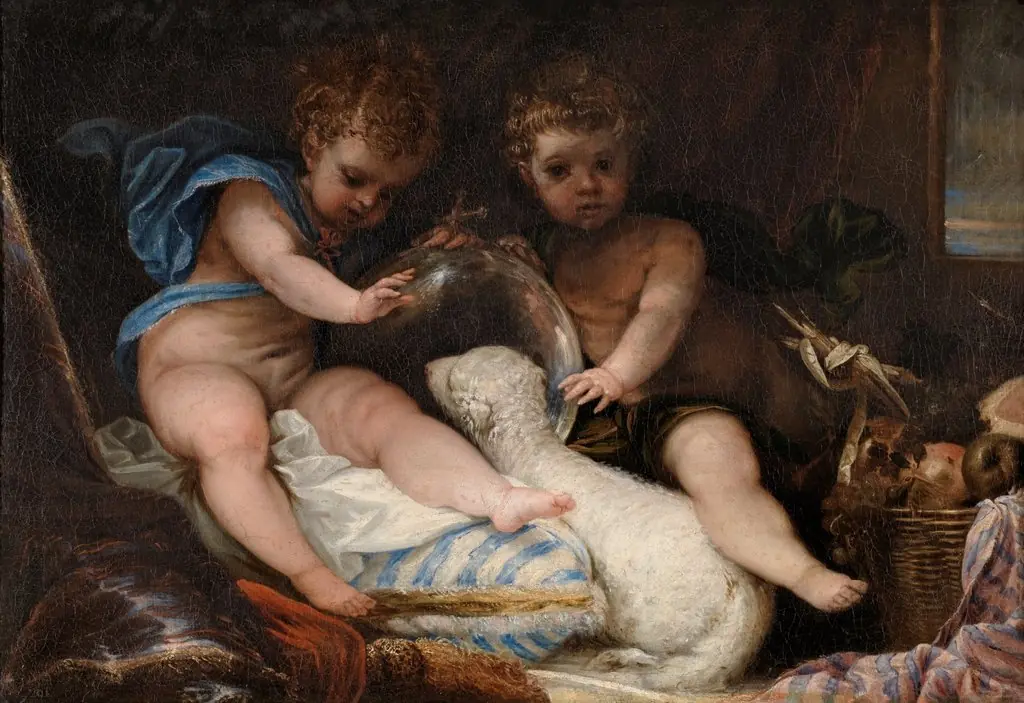 El Niño Jesús y San Juan
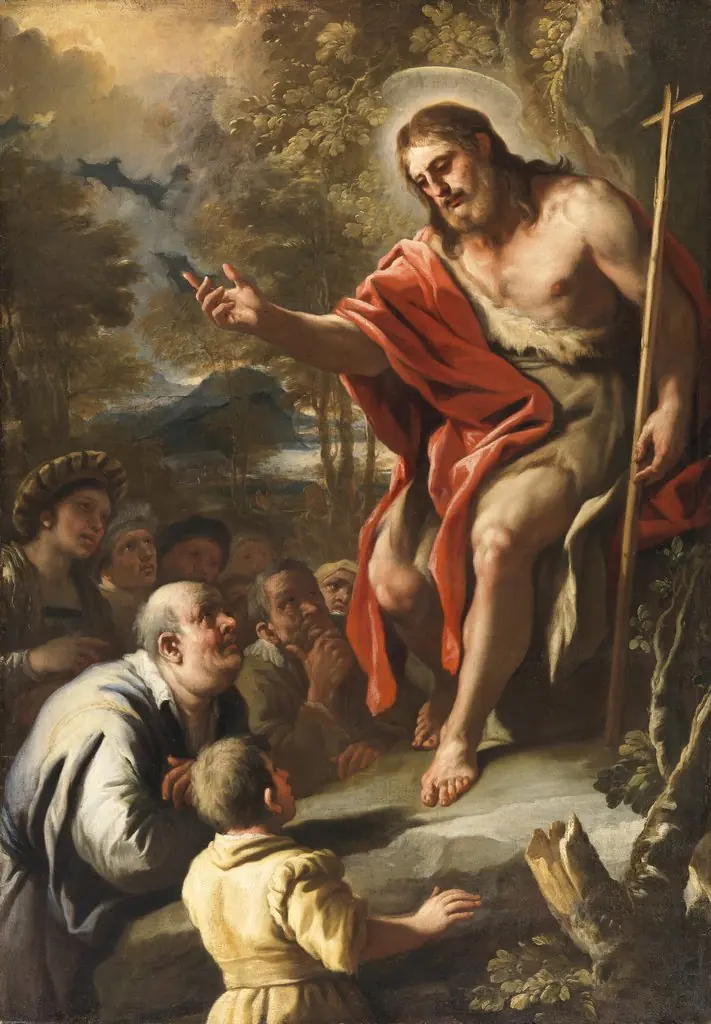 Saint John Preaching in the Wilderness
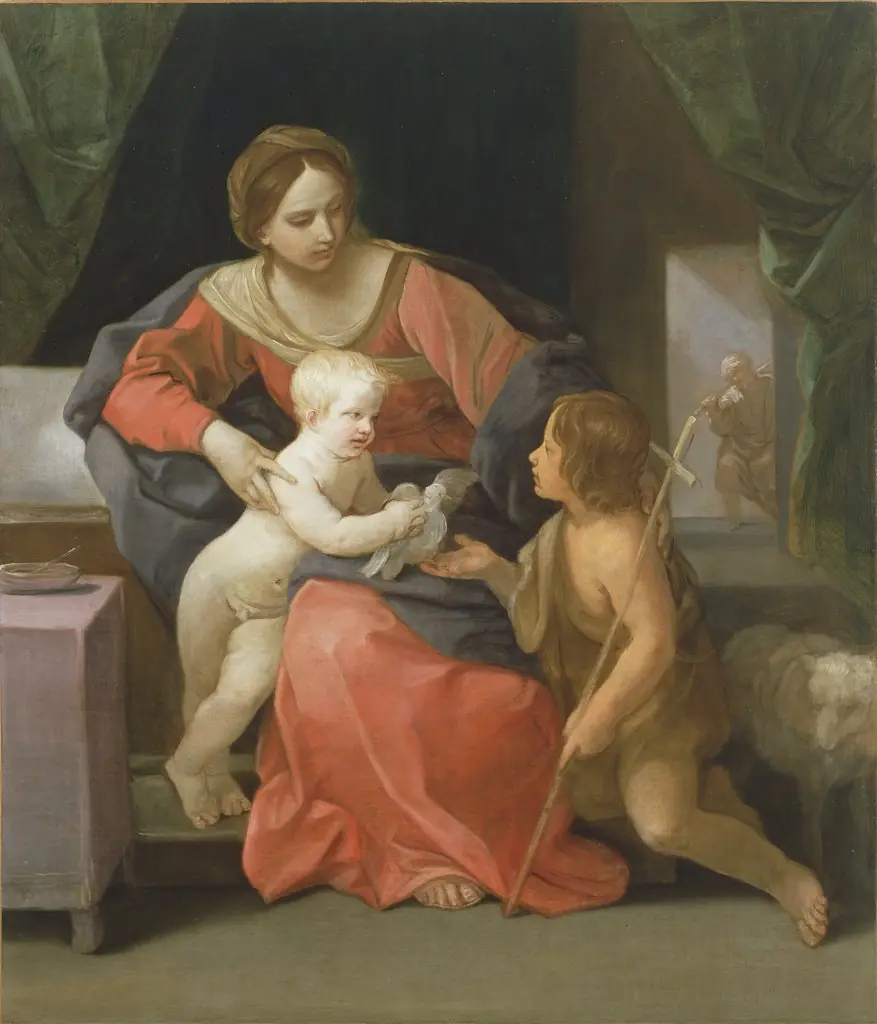 Virgin and Child with Saint John the Baptist