Artwork
The Immaculate Conception
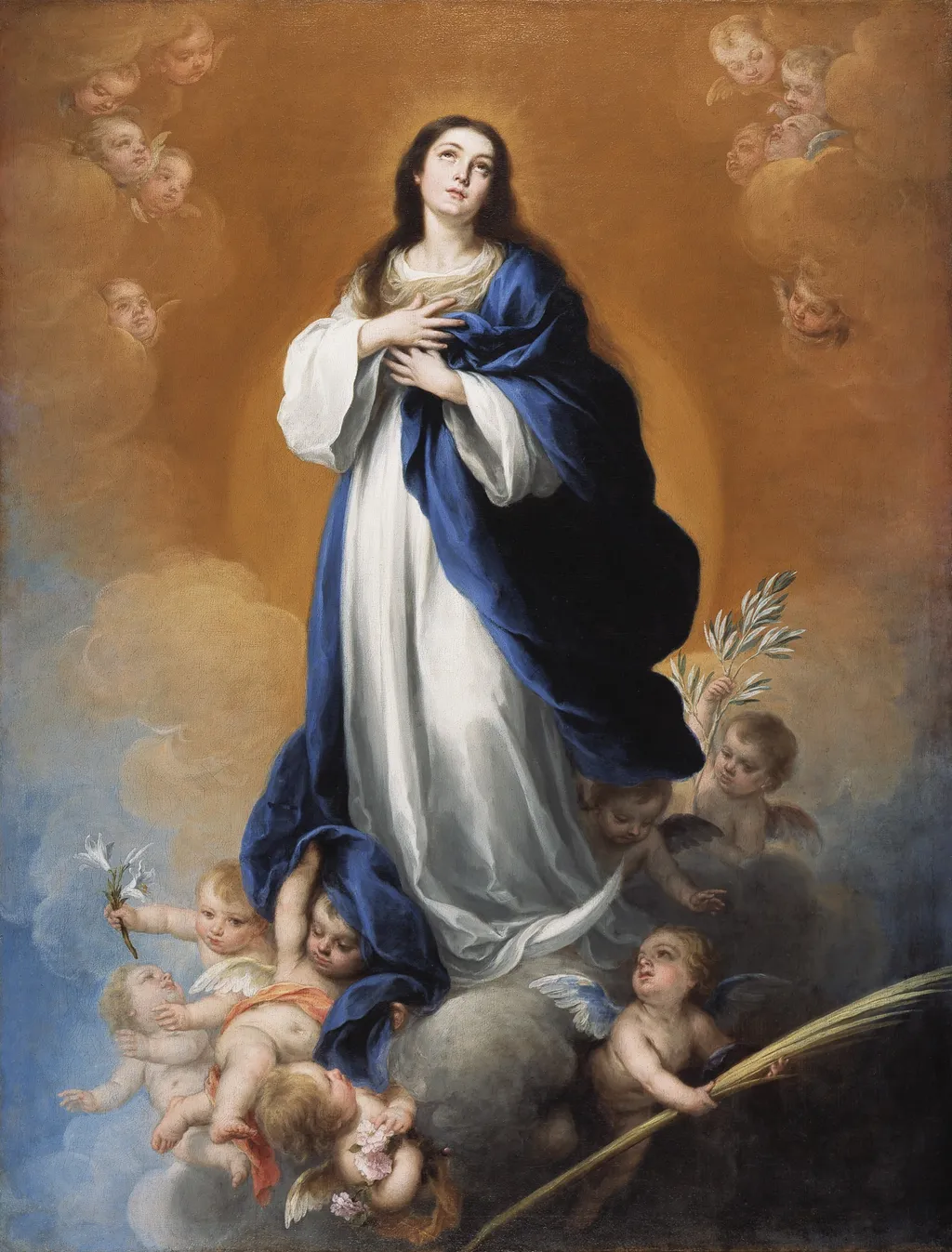
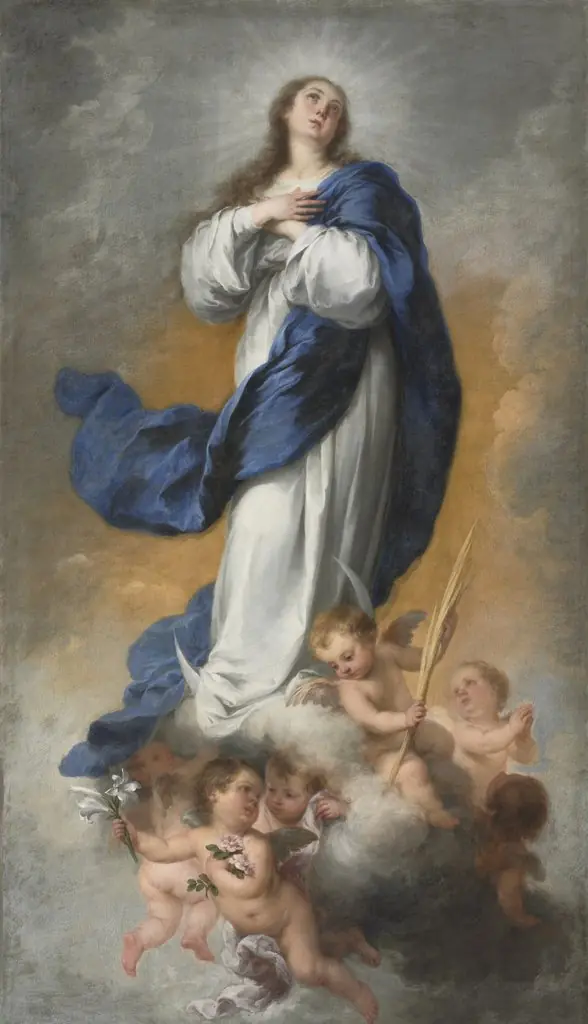
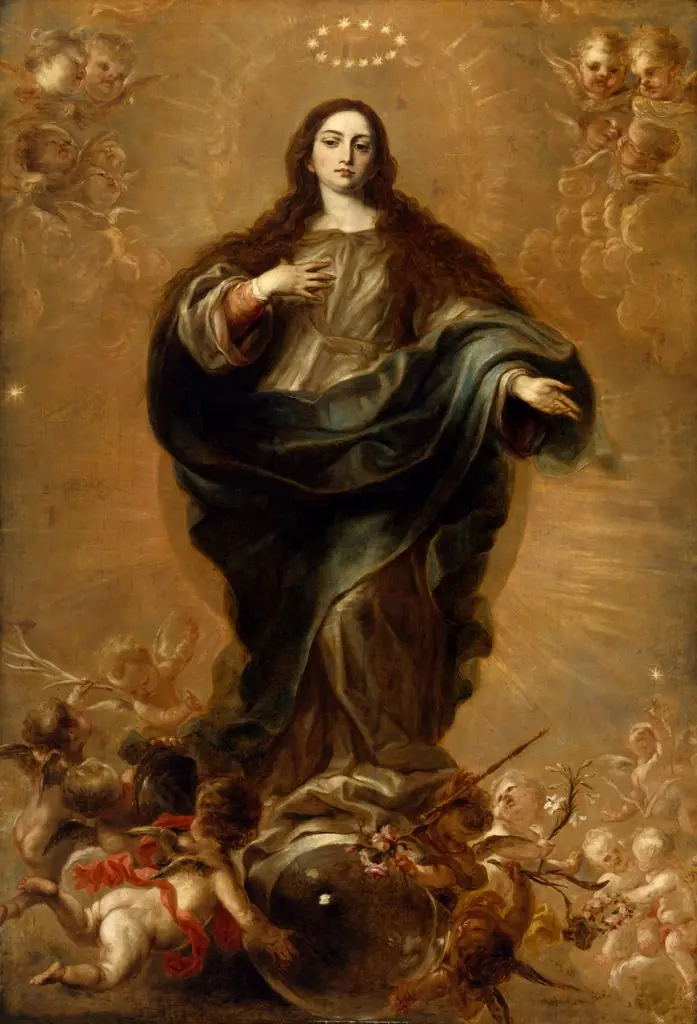
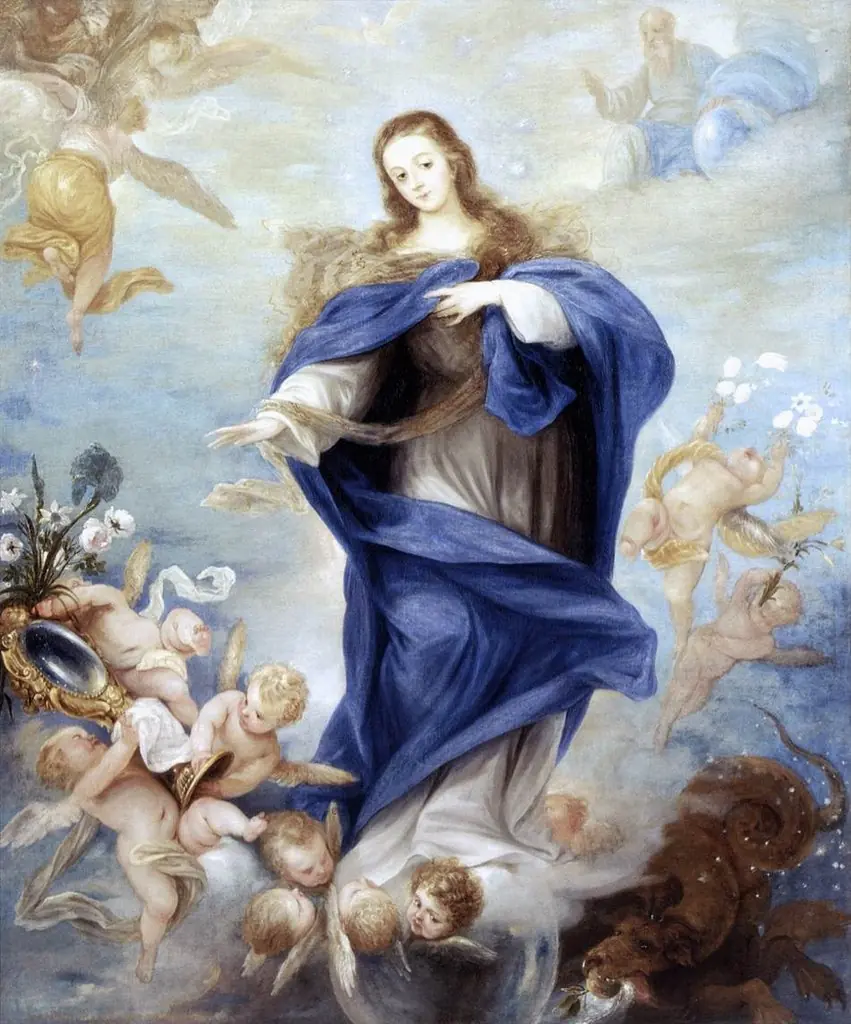
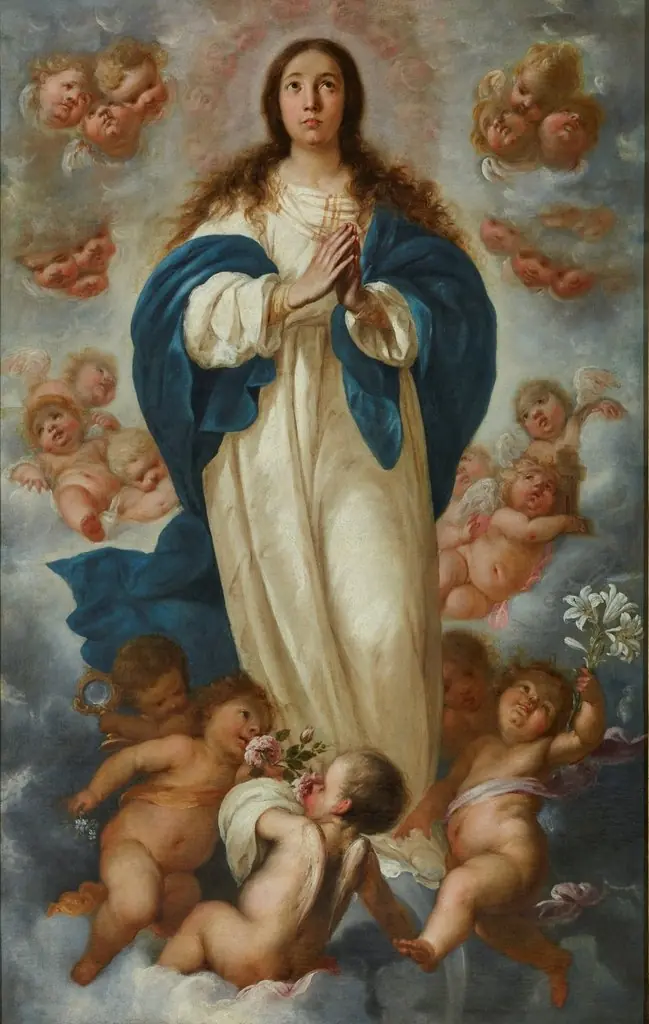
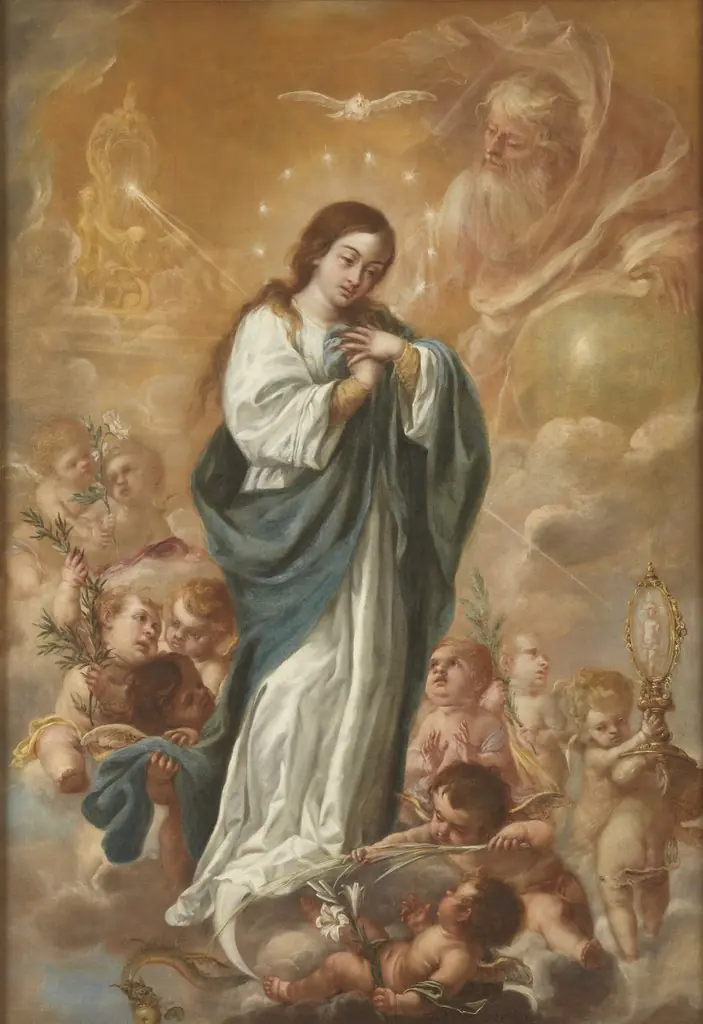
The Immaculate Conception is an oil painting by the Early Baroque Italian artist Bartolomé Esteban Murillo. It dates from 1656 and is held in the collection of the Detroit Institute of Arts.
About this work
Overview
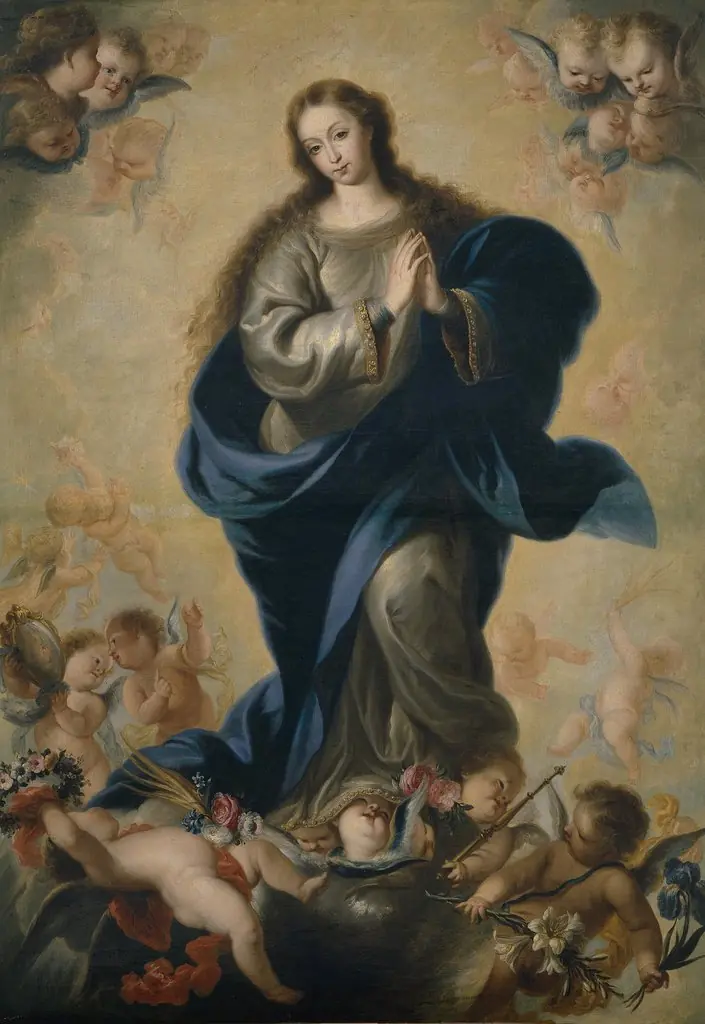
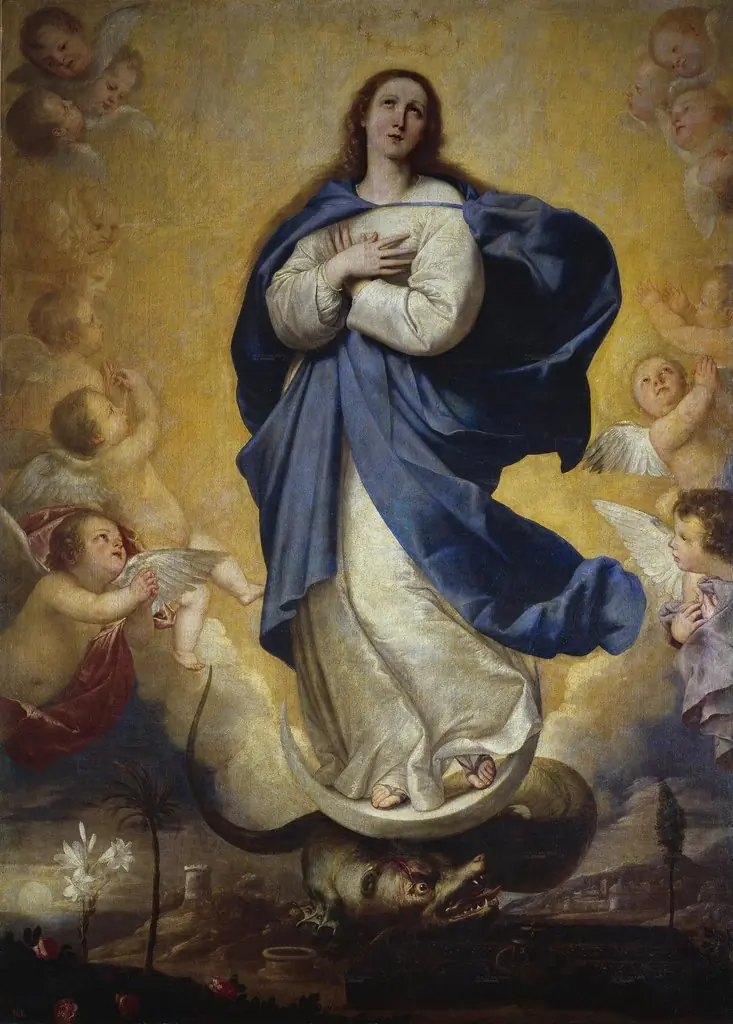
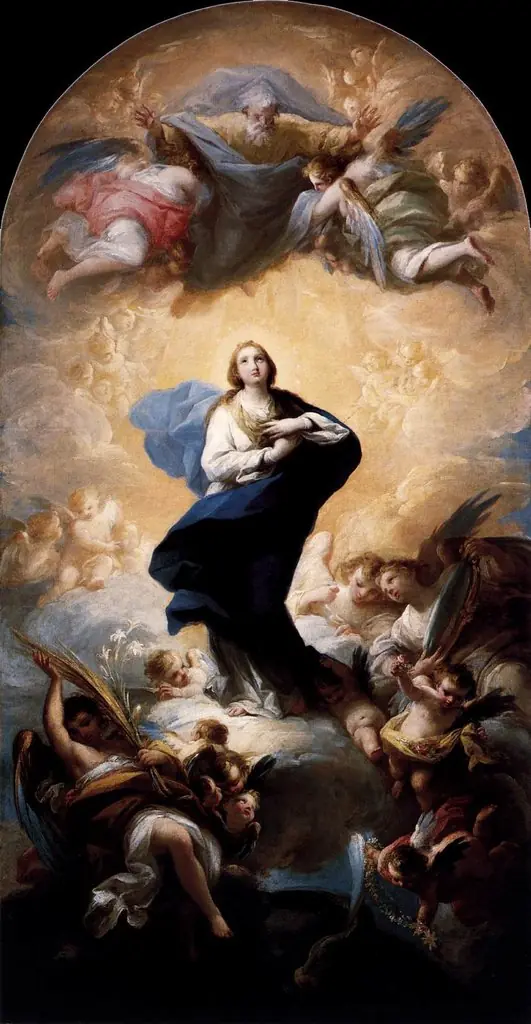
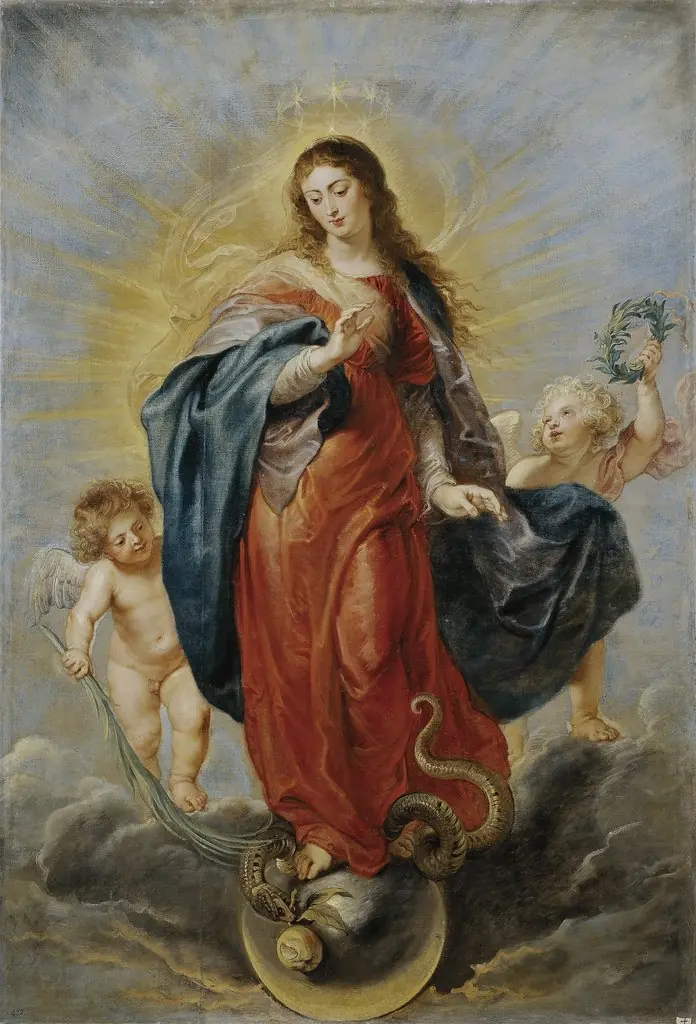
Painted in 1656 by Spanish artist Bartolomé Esteban Murillo, this oil-on-canvas work depicts the theological concept of the Immaculate Conception.
Painted in 1656 by Spanish artist Bartolomé Esteban Murillo, this oil-on-canvas work depicts the theological concept of the Immaculate Conception. Murillo, known for his devotional imagery, rendered the Virgin Mary as a celestial figure suspended in a luminous sky. The painting is now held in the collection of the Detroit Institute of Arts, where it represents a key example of 17th-century Spanish religious art influenced by broader European Baroque traditions.
Subject & Meaning
The painting illustrates the doctrine that Mary was conceived without original sin. She is shown floating above a cluster of cherubs, her hands folded gently over her chest in a posture of quiet reverence. The soft glow surrounding her, along with the celestial clouds and floating orbs, symbolizes divine purity and heavenly grace. The cherubs, some holding floral offerings, reinforce themes of innocence and sacredness tied to her role in Christian theology.
Technique & Style
Murillo employed a delicate chiaroscuro to model Mary’s form, using subtle gradations of light to elevate her against the warm, hazy background. Her blue mantle and white undergarment are rendered with soft brushwork, enhancing their ethereal quality. The cherubs are loosely painted, their forms dissolving slightly into the luminous atmosphere, creating a sense of weightlessness. The composition avoids harsh lines, favoring a dreamlike serenity characteristic of Murillo’s mature style.
History & Provenance
Created during Murillo’s time in Seville, the painting was likely commissioned for a religious institution, as was common for such devotional subjects. It entered the Detroit Institute of Arts’ collection in the early 20th century through a private acquisition. While its early ownership history is not fully documented, its stylistic consistency with other works from Murillo’s mid-career supports its dating to around 1656.
Context
In mid-17th-century Spain, devotion to the Immaculate Conception was growing, especially among Franciscan orders. Murillo’s version reflects this trend, aligning with popular iconography that emphasized Mary’s purity through celestial imagery. Though influenced by Italian Baroque models, Murillo’s approach is distinctly Spanish—less dramatic, more tender—emphasizing quiet contemplation over theatricality.
Legacy
Murillo’s series of Immaculate Conception paintings became widely replicated and influenced later Spanish religious art. This particular version helped solidify his reputation as a leading painter of Marian subjects. Its enduring presence in major collections reflects its role as a representative example of how Baroque spirituality was translated into intimate, accessible imagery for private and public devotion.
Own this work as a print
Artist & collection
Artist
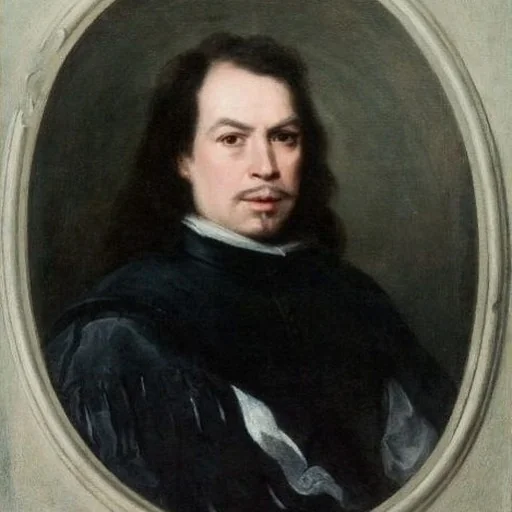
Bartolomé Esteban Murillo ( mure-IL-oh, m(y)uu-REE-oh, Spanish: ; late December 1617, baptised 1 January 1618 – 3 April 1682) was a Spanish Baroque painter.