Artwork
The Miracle of the Loaves and the Fishes
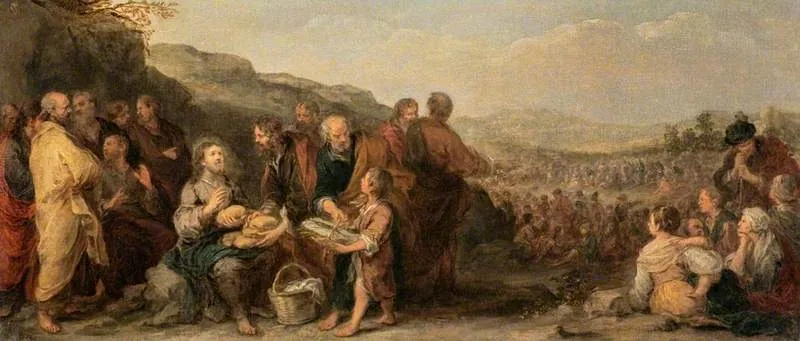
The Miracle of the Loaves and the Fishes is an oil painting by the Spanish Baroque Tenebrist artist Bartolomé Esteban Murillo. It dates from 1674 and is held in the collection of the National Galleries Scotland.
About this work
Overview
Painted between approximately 1667 and 1682, this oil on canvas work by Bartolomé Esteban Murillo depicts the biblical miracle of the loaves and fishes.
Painted between approximately 1667 and 1682, this oil on canvas work by Bartolomé Esteban Murillo depicts the biblical miracle of the loaves and fishes. It was created as a preparatory study for a larger altarpiece commissioned for a church in Seville. The painting entered the National Galleries of Scotland in 2005 after being accepted by the UK government as payment for inheritance tax obligations.
Subject & Meaning
The scene illustrates Christ distributing food to a multitude, a moment from the Gospels where a small offering of bread and fish is multiplied to feed thousands. Murillo portrays the event with quiet solemnity, emphasizing spiritual abundance over spectacle. Figures gather in stillness, their gestures restrained, suggesting reverence rather than frenzy. The focus on human connection and quiet generosity underscores the narrative’s moral dimension.
Technique & Style
Murillo employs chiaroscuro to model forms with soft transitions between light and shadow, lending volume to the figures and depth to the space. His brushwork is fluid yet controlled, particularly in the rendering of fabric and skin. The background recedes into a hazy, atmospheric landscape, grounding the sacred moment in a tangible world. The palette is muted, dominated by earth tones that enhance the scene’s intimacy and calm.
History & Provenance
The painting was made as a study for a larger commission in Seville, likely intended for the Convent of San Francisco. It remained in Spain until the 20th century, eventually entering a private collection in Britain. In 2005, it was accepted by the UK government in lieu of inheritance tax and allocated to the National Galleries of Scotland, where it has since been publicly displayed.
Context
Murillo painted this during a period when religious imagery remained central to Spanish art, even as Baroque sensibilities evolved toward greater emotional subtlety. His approach reflected Counter-Reformation ideals, favoring accessible, humane depictions of sacred stories. Unlike more theatrical treatments of the same subject, Murillo’s version prioritizes quiet devotion, aligning with the spiritual tone favored in southern Spanish religious communities.
Legacy
This study reveals Murillo’s process in refining compositions for major altarpieces, offering insight into his method of working from smaller-scale models. While the final version in Seville remains the primary public work, this preparatory piece is valued for its intimacy and expressive clarity. It stands as a testament to the artist’s ability to convey profound narrative through restrained gesture and luminous atmosphere.
Artist & collection
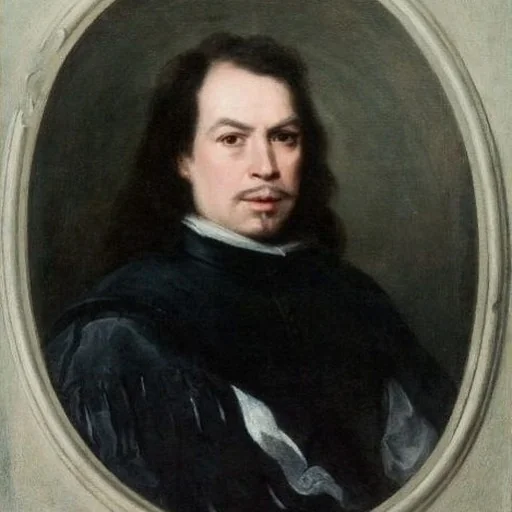
Artist
Bartolomé Esteban Murillo ( mure-IL-oh, m(y)uu-REE-oh, Spanish: ; late December 1617, baptised 1 January 1618 – 3 April 1682) was a Spanish Baroque painter.

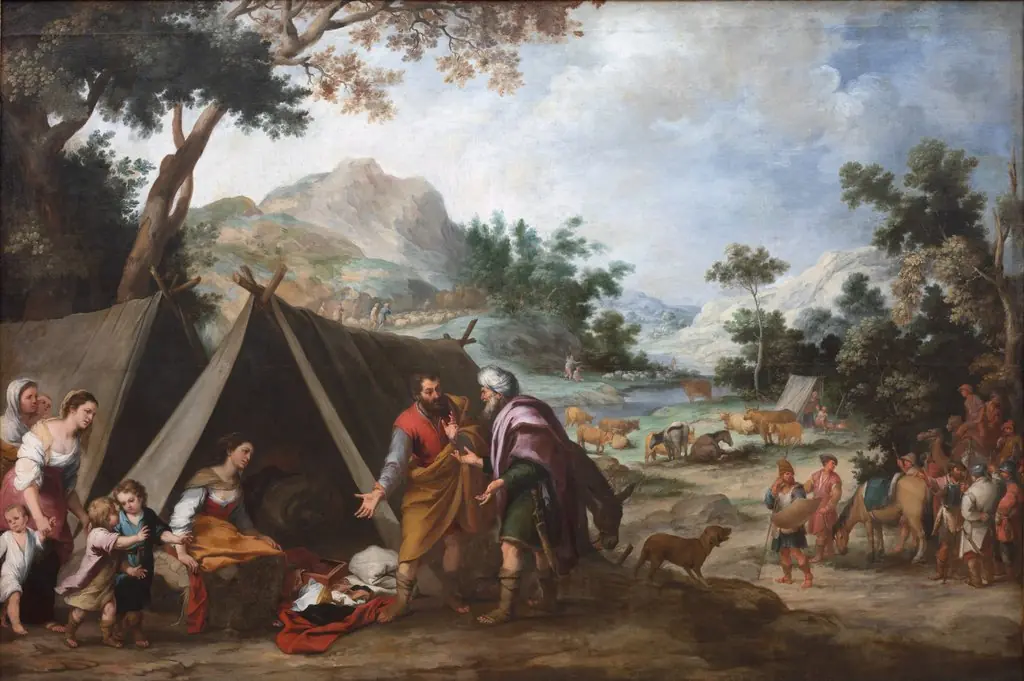
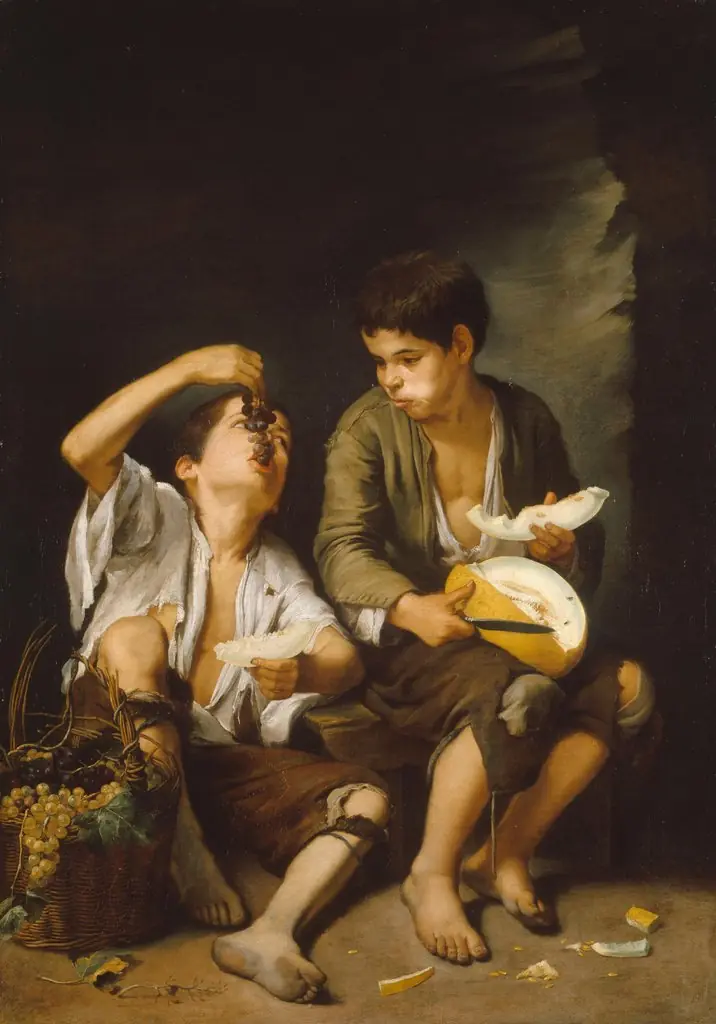
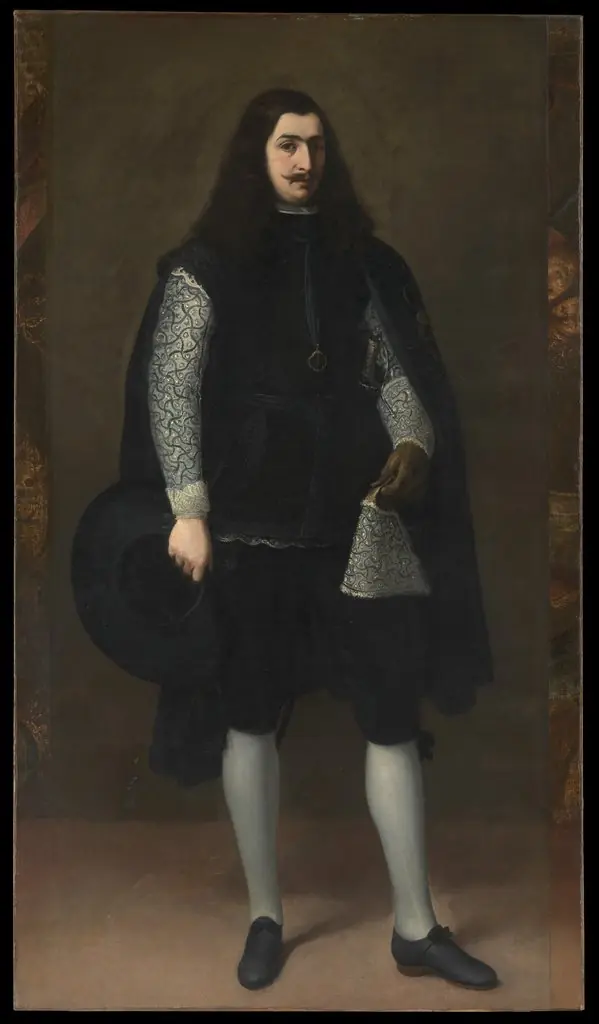
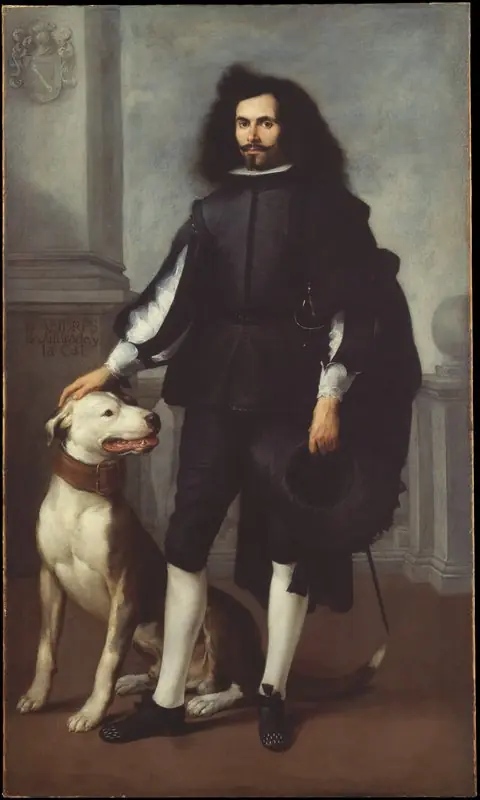
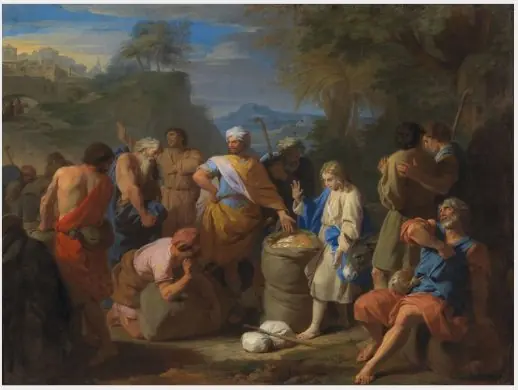 The Finding of Joseph's Cup in Benjamin's Sack
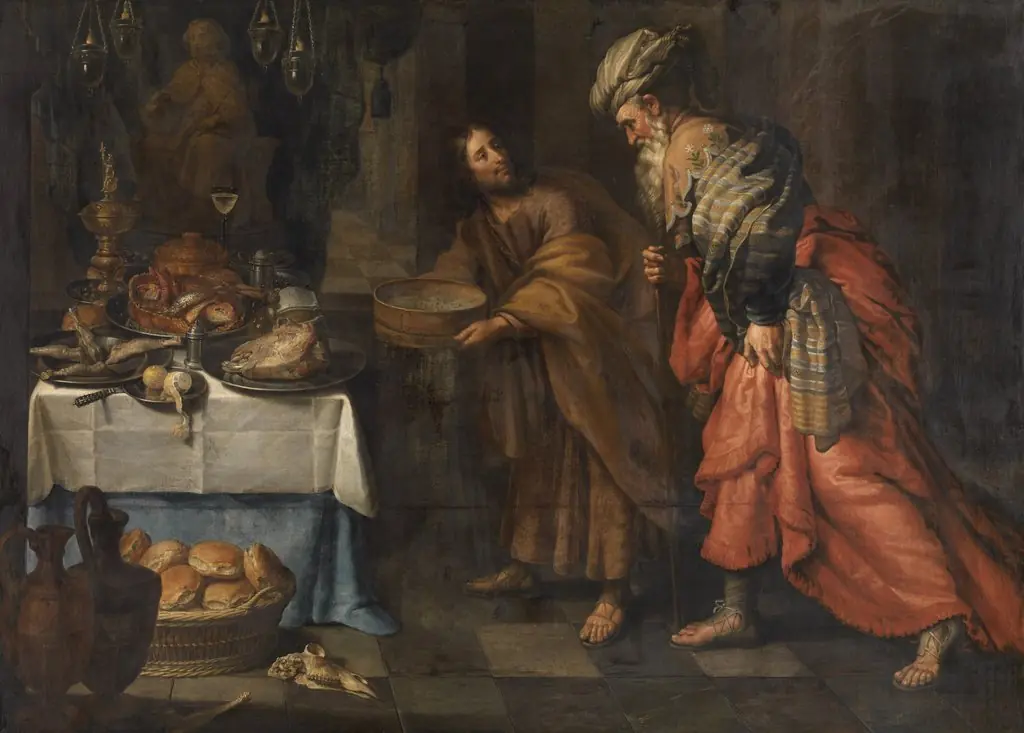 Daniël décrouvant l'imposture des prêtres de Baäl
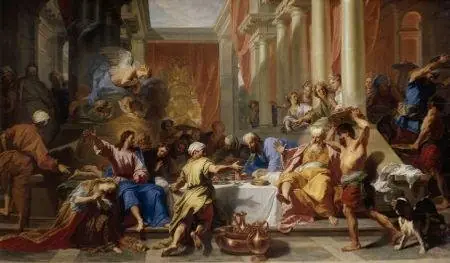 The Meal at Simons
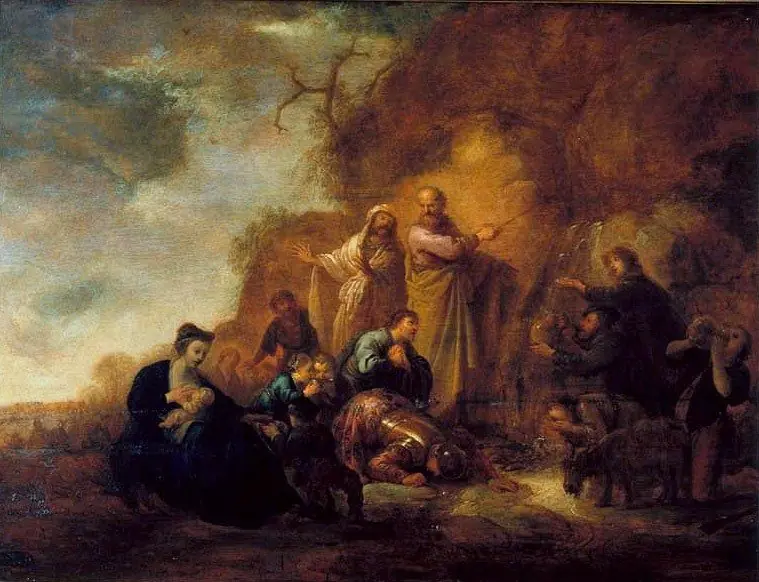 Moisés no Rochedo de Horeb
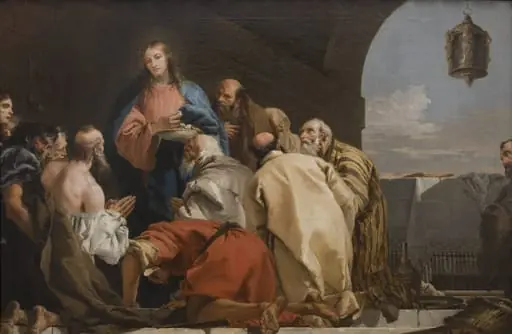 The Institution of The Eucharist
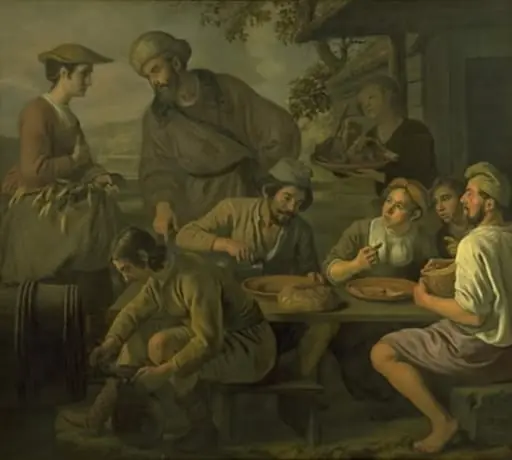 Boaz and Ruth
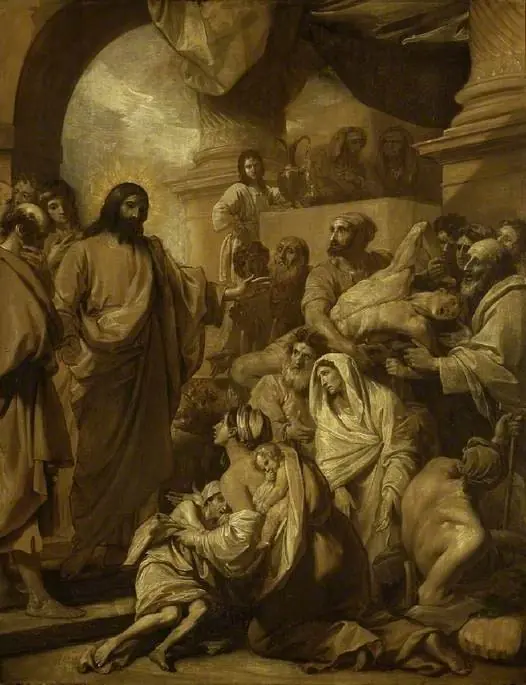 Christ healing the sick in the temple
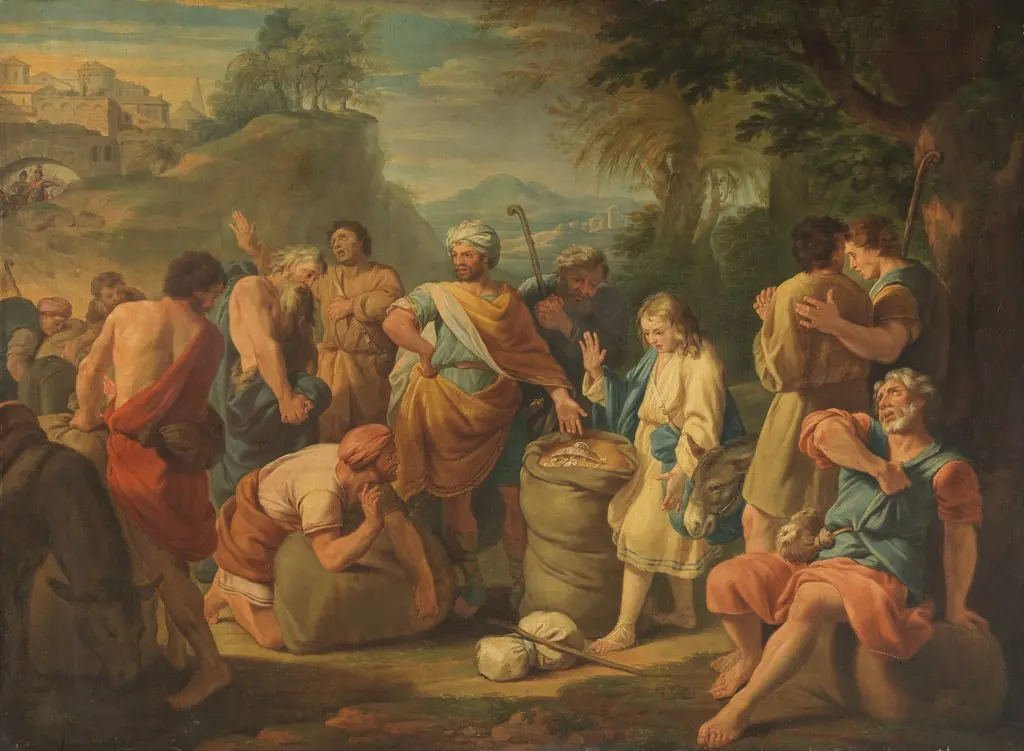 The Finding of the Money in Benjamin's Sack
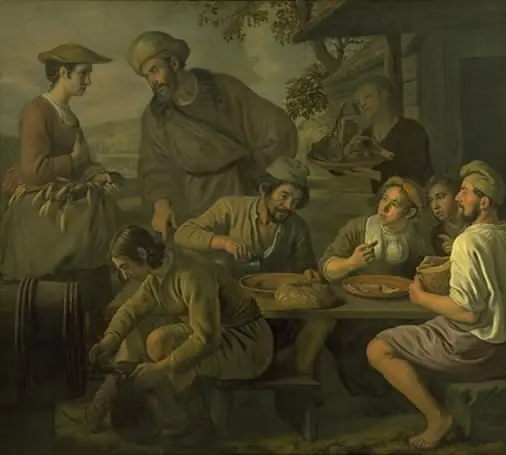 Boaz and Ruth
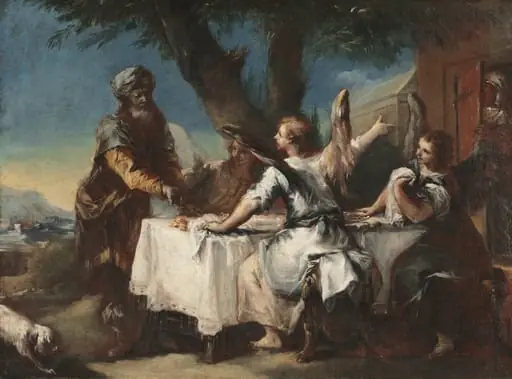 Abraham Welcoming the Three Angels