Artwork
Boaz and Ruth
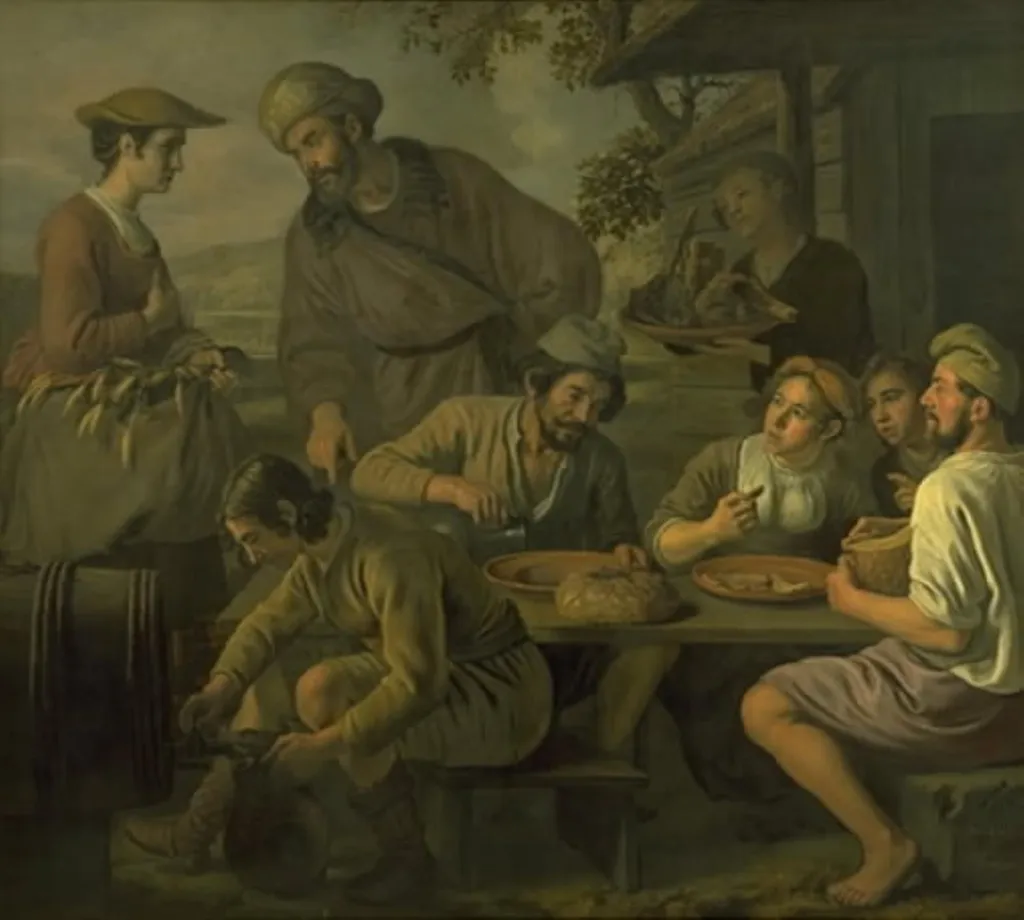
Boaz and Ruth is a photography by Unknown. It dates from 1650 and is held in the collection of the Statens Museum for Kunst.
About this work
Overview
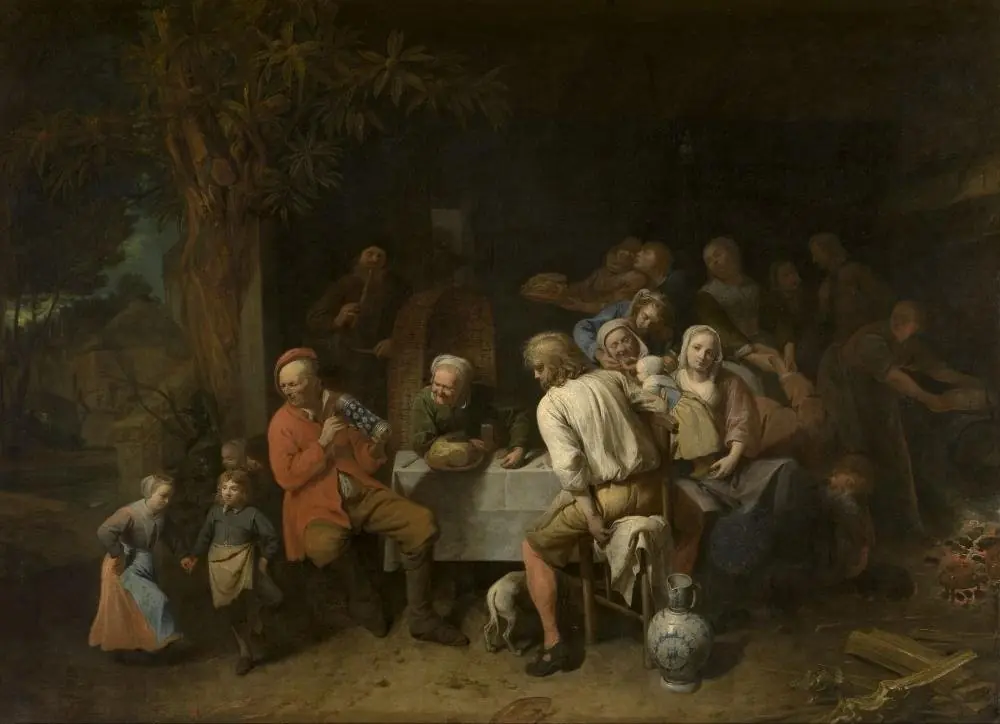
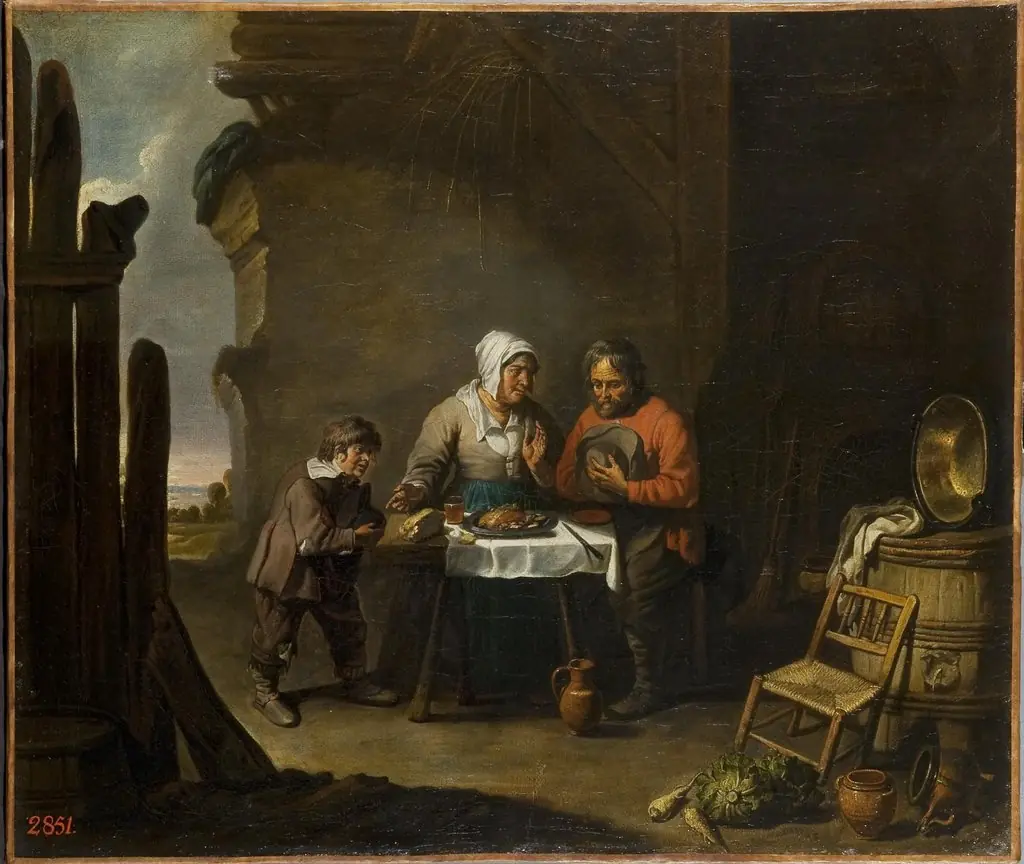
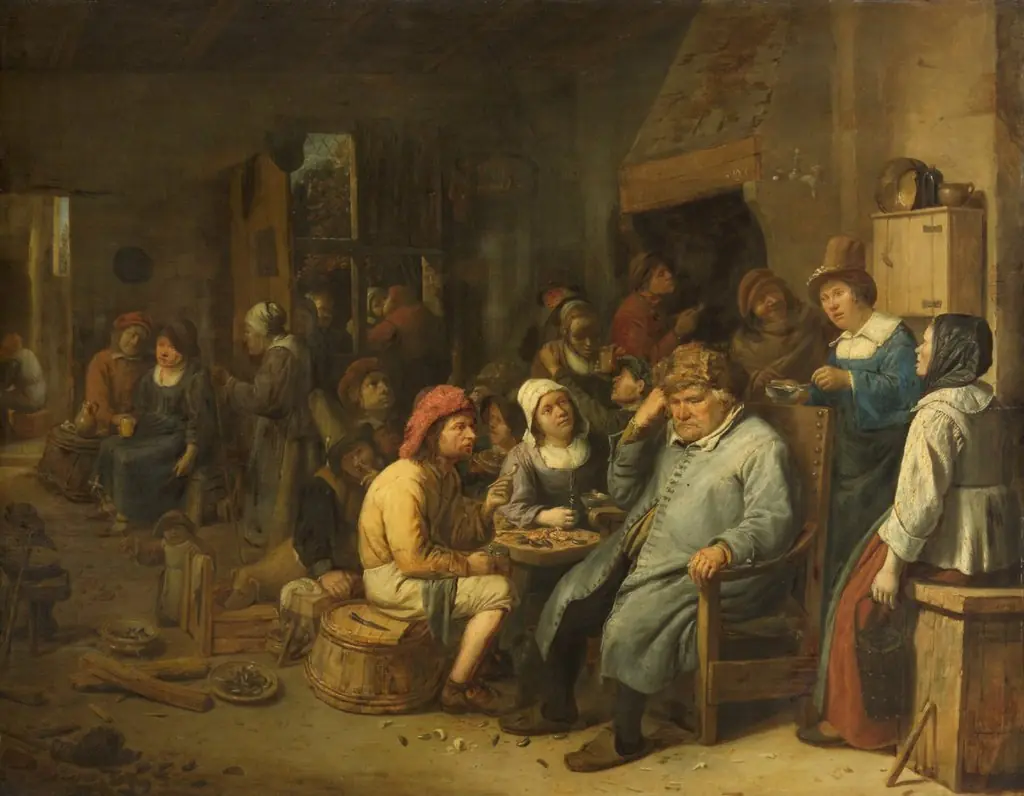
Created around 1650, this image depicts a quiet domestic moment drawn from the biblical story of Boaz and Ruth. It is part of the collection at the Museum of Ethnography. The composition centers on a group seated at a table, engaged in a simple act of sharing food. The subdued lighting and restrained gestures suggest introspection rather than narrative drama, emphasizing stillness over action.
Subject & Meaning
The scene illustrates a moment from the Book of Ruth, where Boaz, a landowner, offers sustenance to Ruth, a Moabite widow who gleans in his fields. The act of sharing bread symbolizes kindness and protection, reflecting themes of hospitality and divine providence. The figures’ subdued expressions and focused gestures convey dignity in humility, aligning with the biblical emphasis on quiet virtue.
Technique & Style
The artist employs chiaroscuro to model forms through deep shadows and soft highlights, drawing attention to hands and faces without overt theatricality. The dim interior contrasts with the muted landscape beyond the window, grounding the scene in tangible reality. Brushwork is restrained, favoring texture and tone over detail, reinforcing the intimacy of the moment.
History & Provenance
The work entered the Museum of Ethnography’s collection in the early 20th century, though its earlier ownership remains undocumented. Its attribution to the artist active in the mid-17th century is based on stylistic comparison with contemporaneous regional works. No records of exhibition or commission survive, suggesting it may have been a private devotional image.
Context
Produced during a period when biblical narratives were commonly rendered in domestic settings, this image reflects a broader trend of spiritual themes grounded in everyday life. Unlike grand altarpieces, it avoids spectacle, instead aligning with Protestant values that emphasized personal piety and quiet moral conduct in the home.
Legacy
The image endures as an example of intimate biblical storytelling through restrained visual language. It influenced later depictions of sacred moments in domestic contexts, particularly in Northern European folk traditions. Its quiet power lies in its refusal to dramatize, allowing the dignity of ordinary acts to carry spiritual weight.
Artist & collection

 Domestic Scene
 Giacomo and Cardinal Marco, investing Andrea, Abbot of San Zeno, with his Benefice
 The Nymph of Fontainebleau
 Portrait of a Woman
 Madonna and Child with Saints in the Enclosed Garden
 Venus and Minerva
 Family Group of Four on Sofa
 Wall painting from Room H of the Villa of P. Fannius Synistor at Boscoreale