Artwork
The Mystical Marriage of Saint Catherine
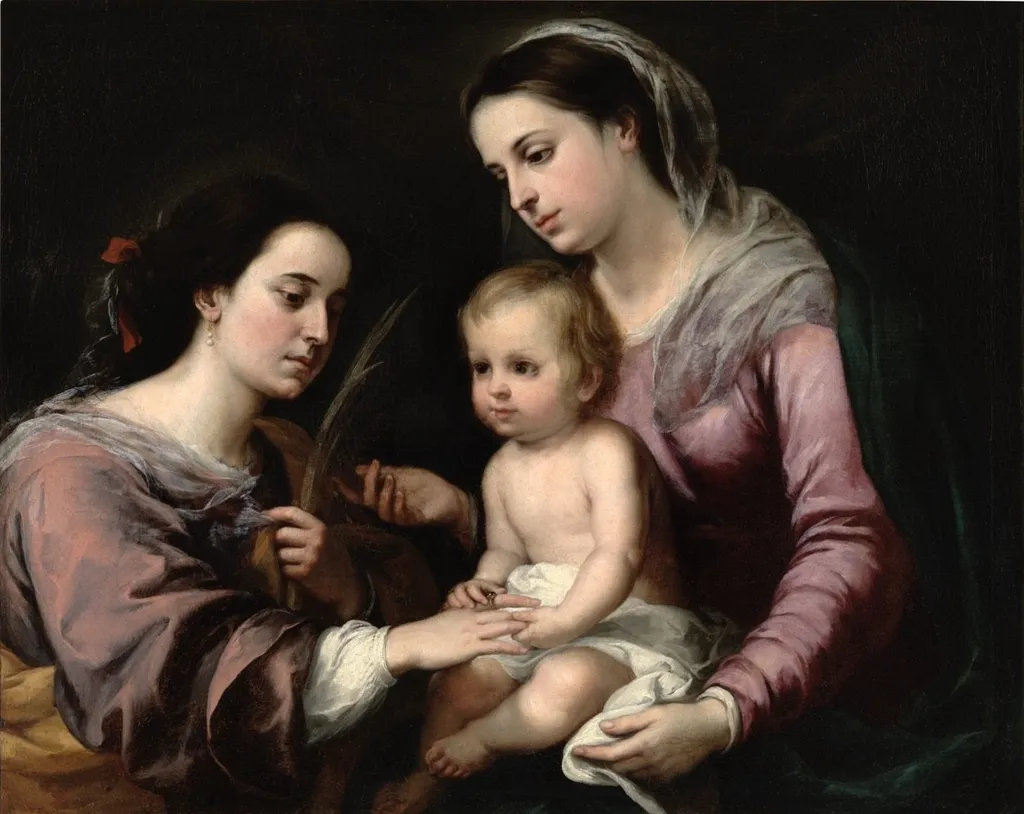
The Mystical Marriage of Saint Catherine is an oil painting by the Early Baroque Italian artist Bartolomé Esteban Murillo. It dates from 1650 and is held in the collection of the National Museum of Ancient Art.
About this work
Overview
The painting is now held in the National Museum of Ancient Art in Lisbon.
Painted around 1650 by the Spanish artist Bartolomé Esteban Murillo, this oil-on-canvas work depicts a spiritual moment from the life of Saint Catherine of Alexandria. Though often associated with Italian Baroque art, Murillo worked primarily in Seville, where his religious imagery blended emotional tenderness with technical precision. The painting is now held in the National Museum of Ancient Art in Lisbon.
Subject & Meaning
The scene illustrates the mystical marriage of Saint Catherine to Christ, symbolized by the infant Jesus placing a ring on her finger. The woman in pink represents Catherine, while the figure in brown is likely the Virgin Mary. The gesture of the infant’s hand and the soft gaze convey divine union rather than literal marriage, reflecting Counter-Reformation ideals of spiritual devotion and purity.
Technique & Style
Murillo employs chiaroscuro to model the figures with soft, rounded forms, using subtle gradations of light to define flesh and fabric. The dark, unmodeled background isolates the group, enhancing their emotional intimacy. Brushwork is delicate, particularly in the rendering of veils and skin, creating a sense of quiet reverence without theatricality.
History & Provenance
The painting entered the collection of the National Museum of Ancient Art in Lisbon through the Portuguese royal collection, likely acquired during the 17th or early 18th century. It was cataloged among Spanish works brought to Portugal, possibly as diplomatic gifts or through ecclesiastical channels, reflecting the close cultural ties between the Iberian kingdoms.
Context
In mid-17th-century Spain, religious imagery served both devotional and didactic purposes. Murillo’s approach, emphasizing tenderness over dogma, aligned with Jesuit and Franciscan spiritual trends that favored accessible, emotionally resonant scenes. His depictions of saints often humanized sacred figures, making them relatable to ordinary worshippers.
Legacy
Murillo’s interpretation of the mystical marriage influenced later Spanish and Portuguese religious art through its emphasis on quiet emotion and naturalism. While not as widely reproduced as his genre scenes, this work exemplifies his ability to merge theological symbolism with intimate human expression, shaping how sacred narratives were visualized in the Iberian Peninsula.
Artist & collection
Artist
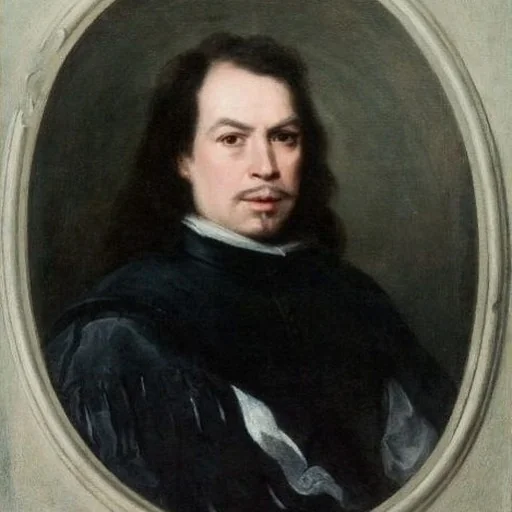
Bartolomé Esteban Murillo ( mure-IL-oh, m(y)uu-REE-oh, Spanish: ; late December 1617, baptised 1 January 1618 – 3 April 1682) was a Spanish Baroque painter.

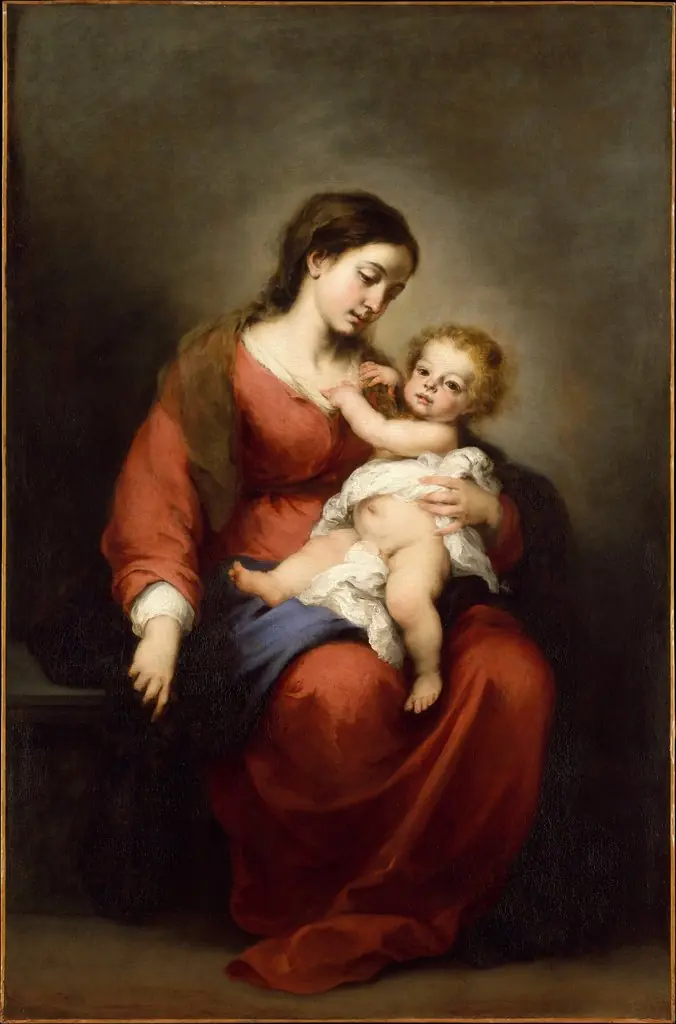
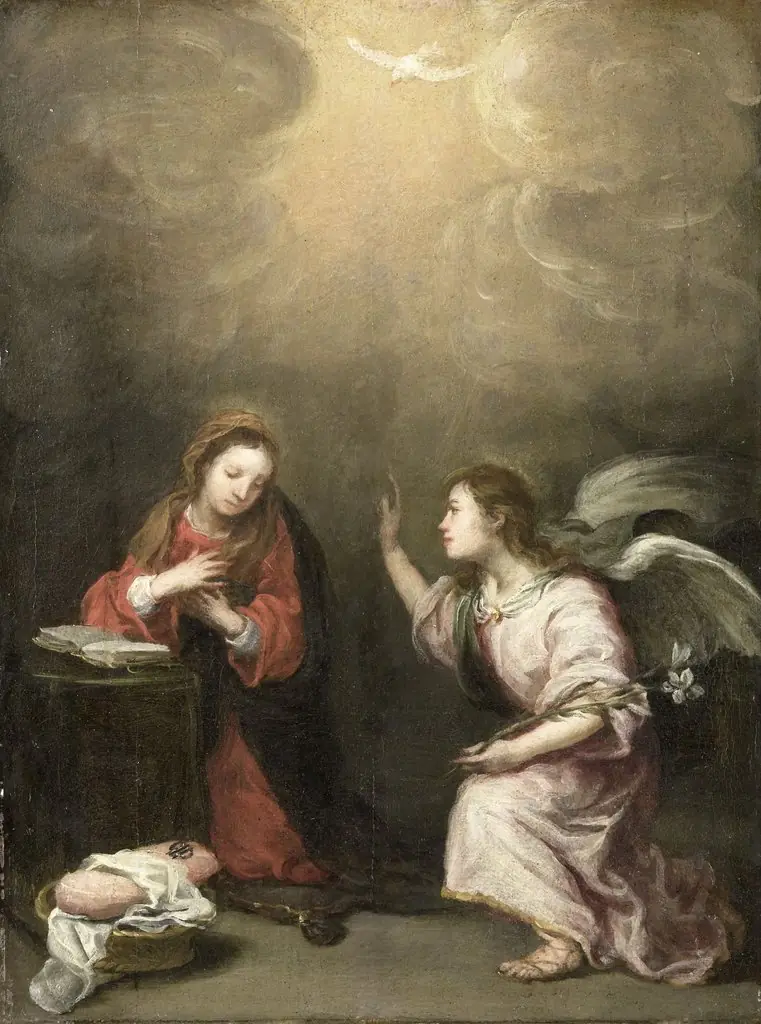
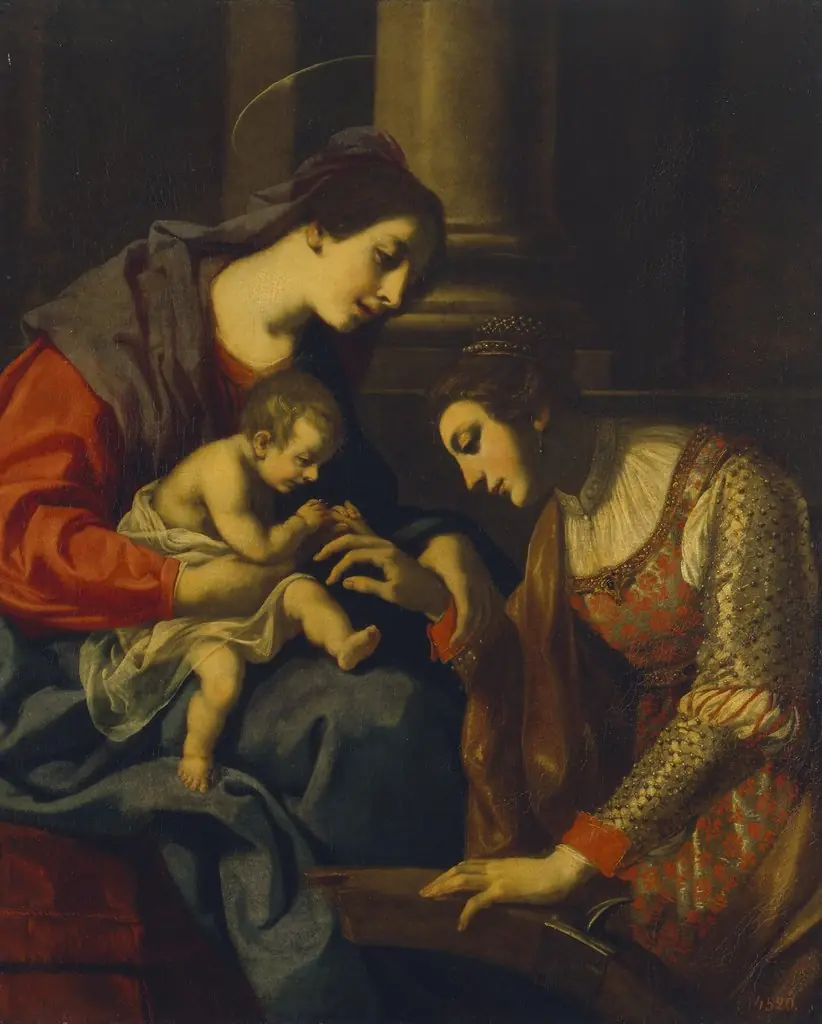 Mystic Marriage of St Catherine
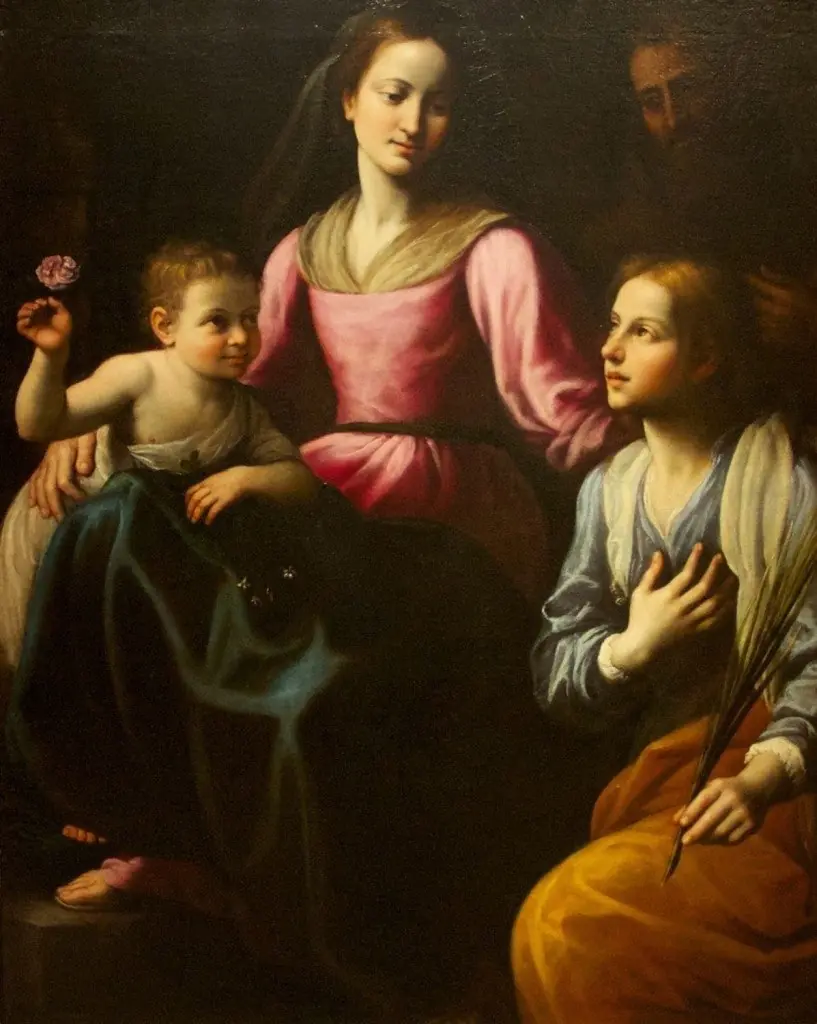 Mystic Marriage of St Catherine
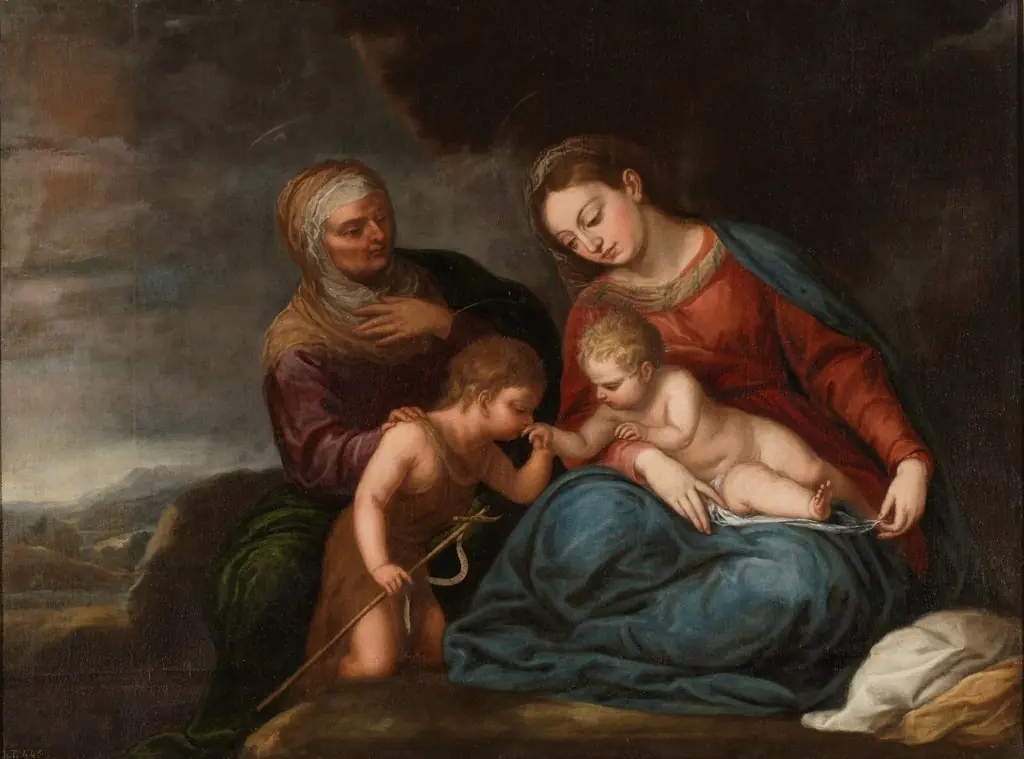 The Virgin and Child with Saints Elizabeth and John
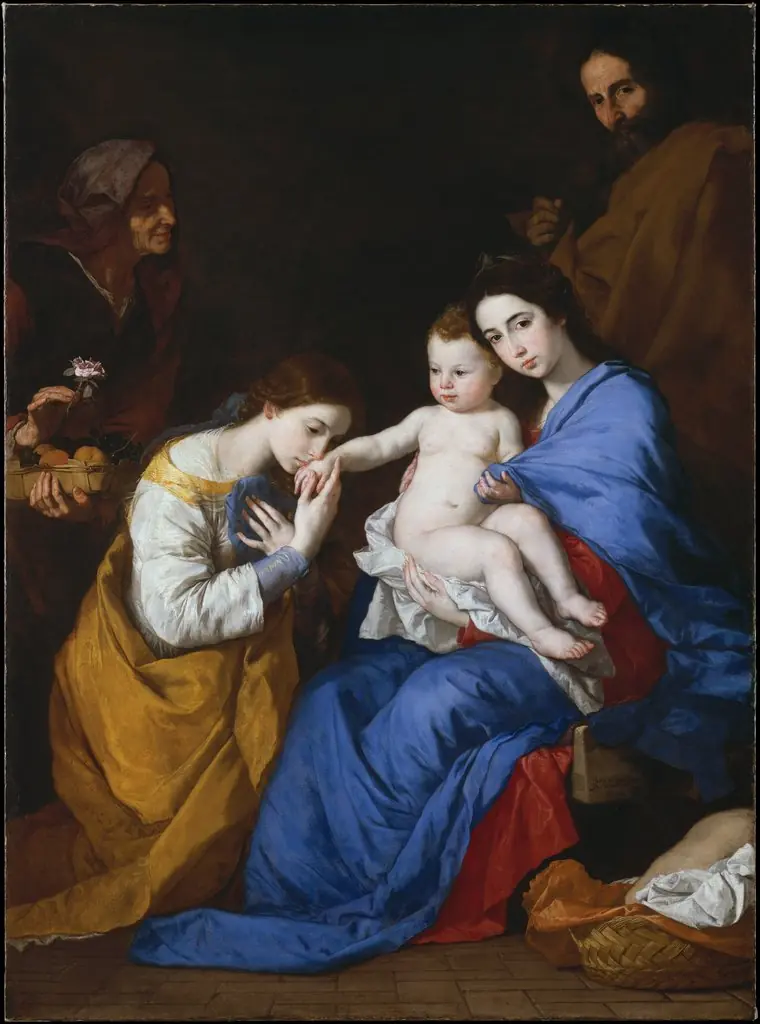 The Holy Family with Saints Anne and Catherine of Alexandria
 Virgin and Child with Saint Elizabeth and the Infant Saint John the Baptist
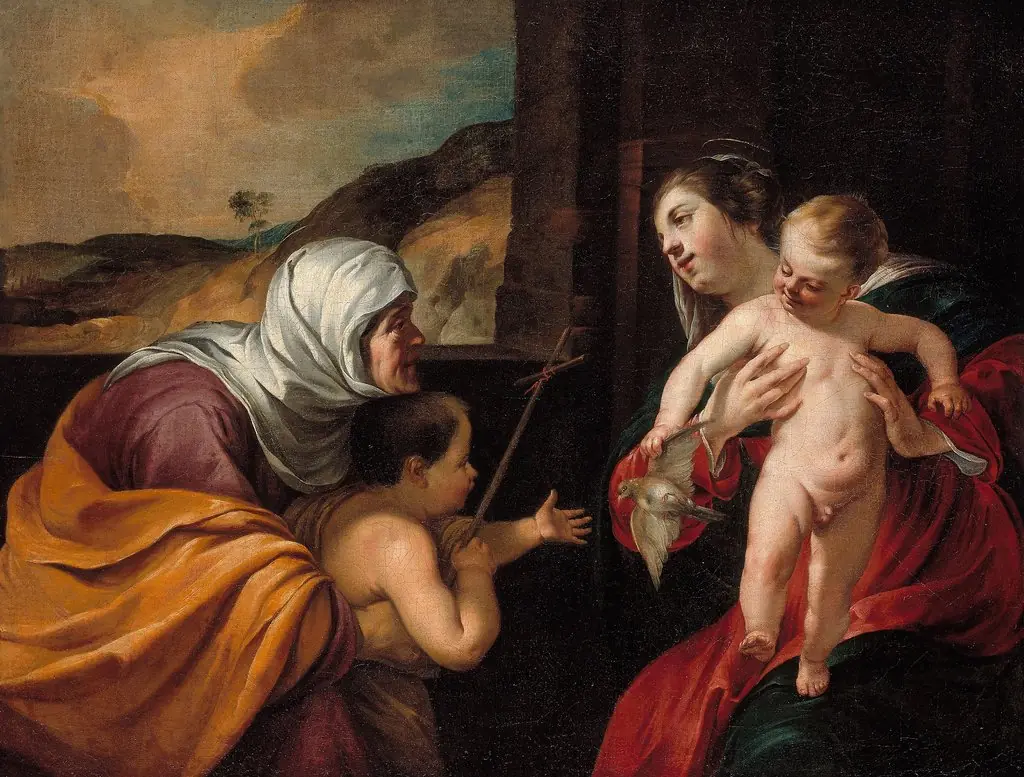 Virgin and Child with Saint Elizabeth and the Infant Saint John the Baptist
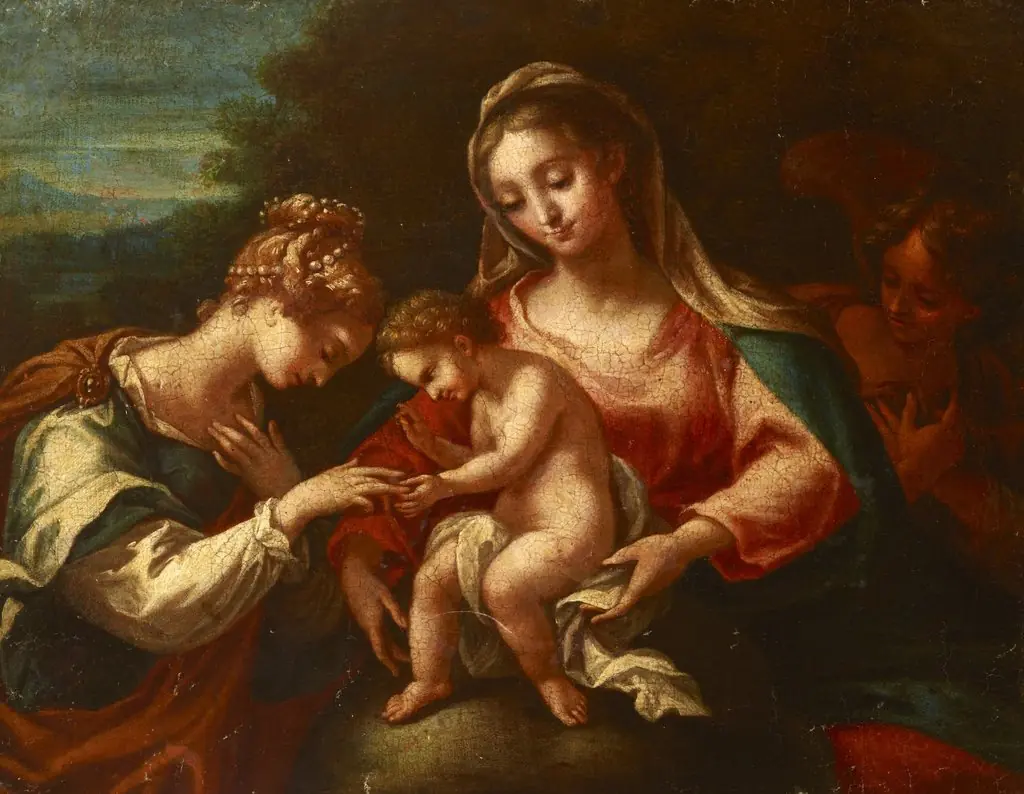 Mistic Marriage of Saint Catherine
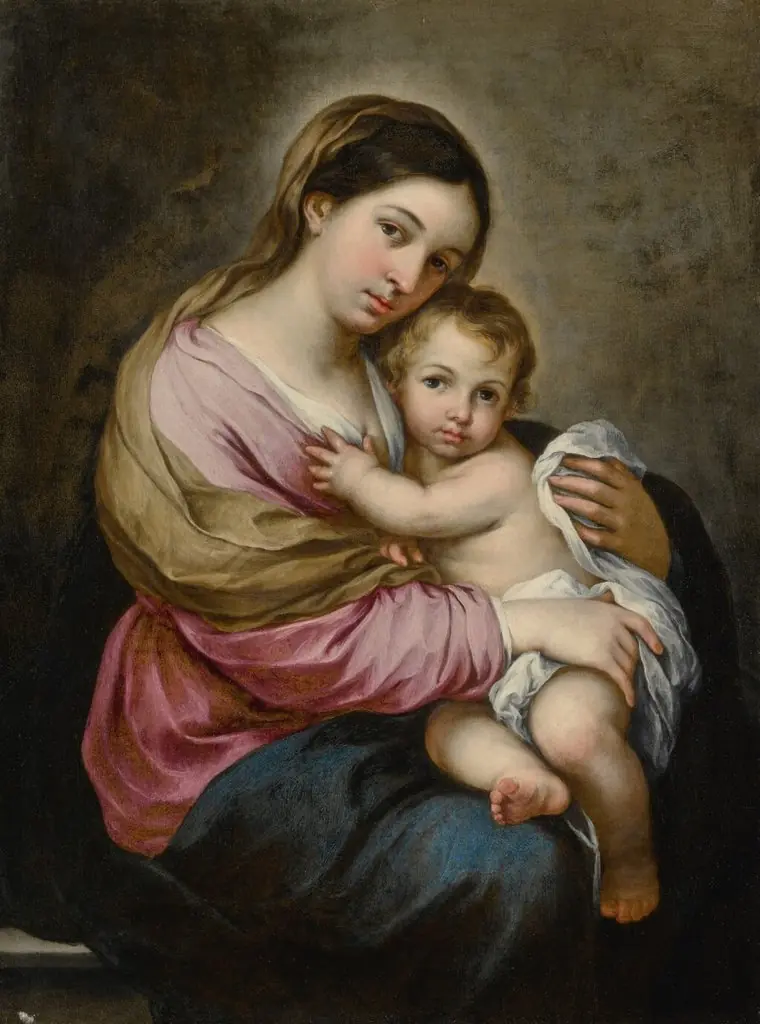 The Virgin and Child