Artwork
Young Boys Playing Dice
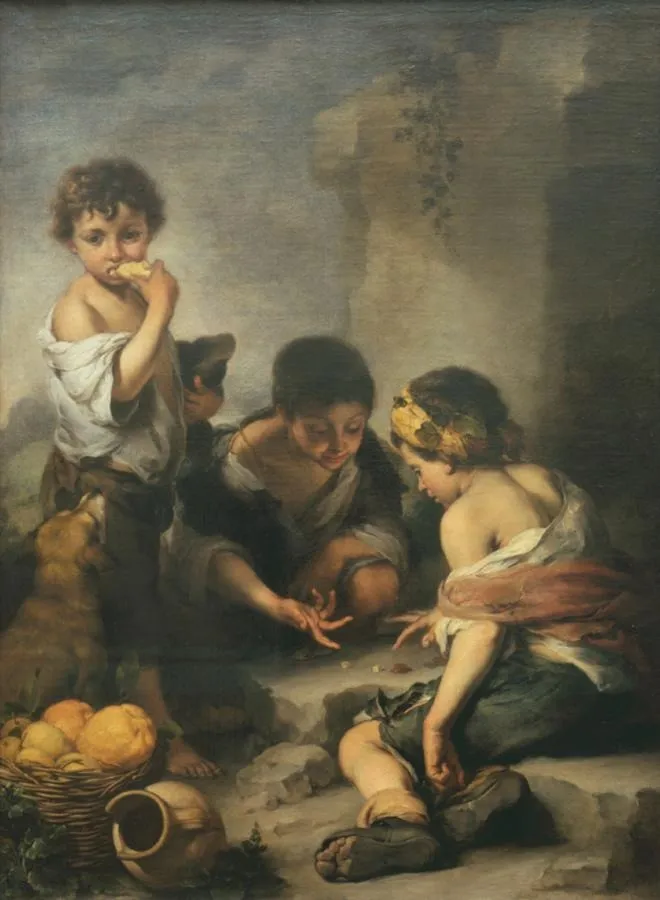
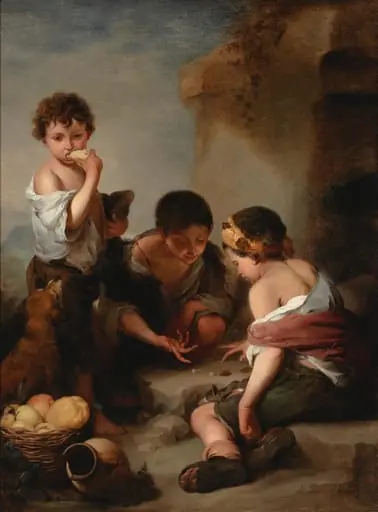
Young Boys Playing Dice is an oil painting by Bartolomé Esteban Murillo. It dates from 1675 and is held in the collection of the Bavarian State Painting Collections.
About this work
Overview
It belongs to a series of genre scenes the artist produced alongside his religious compositions, reflecting a growing interest in the lives of ordinary people.
Painted in 1675, this oil-on-canvas work by Bartolomé Esteban Murillo captures a quiet moment of childhood play in Seville. It belongs to a series of genre scenes the artist produced alongside his religious compositions, reflecting a growing interest in the lives of ordinary people. The composition is intimate, centered on three boys engaged in a game of dice, with minimal background detail drawing focus to their actions and expressions.
Subject & Meaning
The painting portrays three boys engaged in a game of chance, a subject that carried moral undertones in 17th-century Spain, often associated with idleness or vice. Yet Murillo avoids judgment, presenting the scene with tenderness. One boy eats bread, another kneels in anticipation, and the third faces away, absorbed in the game. The presence of fruit and a jug suggests a momentary pause in daily life, grounding the scene in quiet realism rather than allegory.
Technique & Style
Murillo employs soft chiaroscuro to model the boys’ forms, using warm, golden light to define their limbs and clothing without harsh contrasts. The brushwork is loose yet deliberate, particularly in the rendering of fabric and skin tones. The background is muted and flat, enhancing the three-dimensionality of the figures. His technique balances naturalism with a gentle idealization, characteristic of his mature style.
History & Provenance
The painting entered the collection of the Alte Pinakothek in Munich in the early 19th century, likely acquired during a period of heightened European interest in Spanish Baroque art. Its provenance before that is undocumented, but it aligns with other genre works Murillo produced for private patrons in Seville. The work has remained in the museum’s holdings since its acquisition, consistently displayed as an example of Spanish secular painting.
Context
In mid-17th-century Spain, religious imagery dominated public art, but private collectors increasingly sought depictions of everyday life. Murillo, based in Seville, responded to this demand by painting street children, beggars, and domestic scenes with empathy. These works contrasted with the grandeur of courtly or ecclesiastical commissions, offering a humanizing view of urban poverty and childhood.
Legacy
Murillo’s genre scenes, including this one, influenced later European painters who turned to realism and everyday subjects. While less celebrated than his religious works during his lifetime, these paintings gained renewed attention in the 18th and 19th centuries for their emotional subtlety and technical grace. Today, they remain key examples of how Baroque art could capture the dignity of ordinary moments.
Artist & collection
Artist
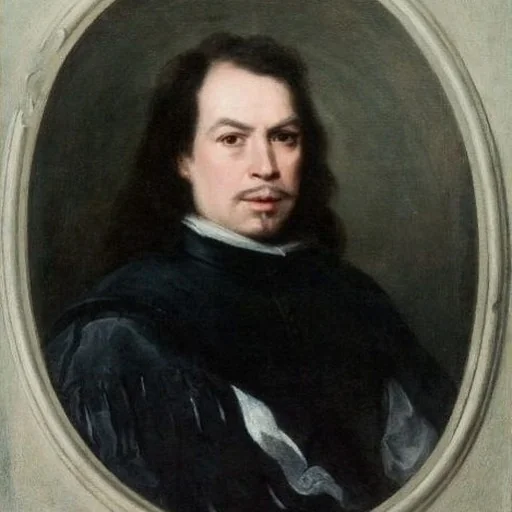
Bartolomé Esteban Murillo ( mure-IL-oh, m(y)uu-REE-oh, Spanish: ; late December 1617, baptised 1 January 1618 – 3 April 1682) was a Spanish Baroque painter.

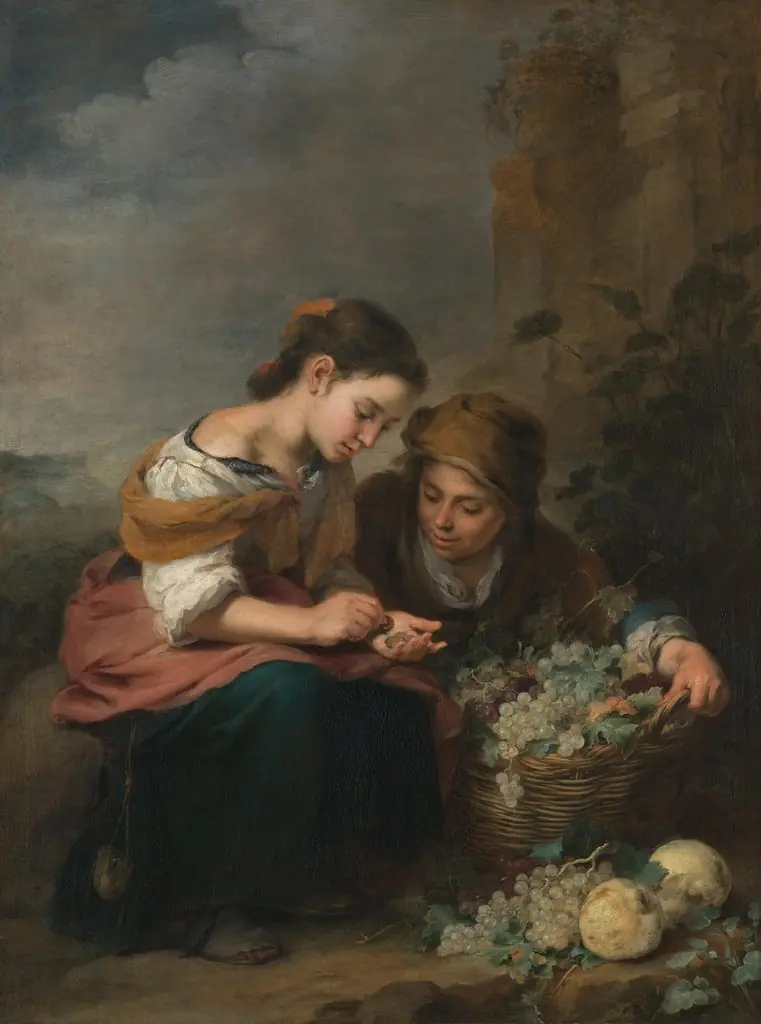 The Little Fruit Seller
 Kerjäläispojat pelaavat nopilla, kopio Murillon mukaan
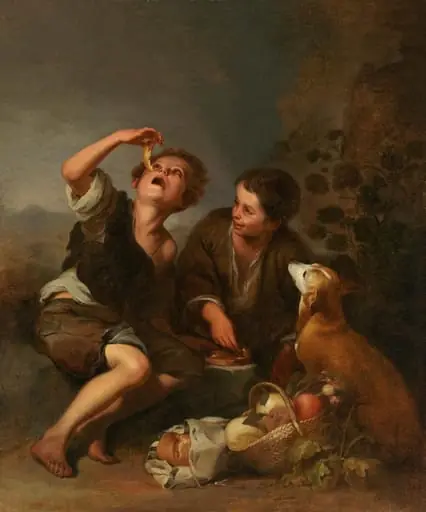 Kaksi hedelmiä syövää kerjäläispoikaa, kopio Murillon mukaan
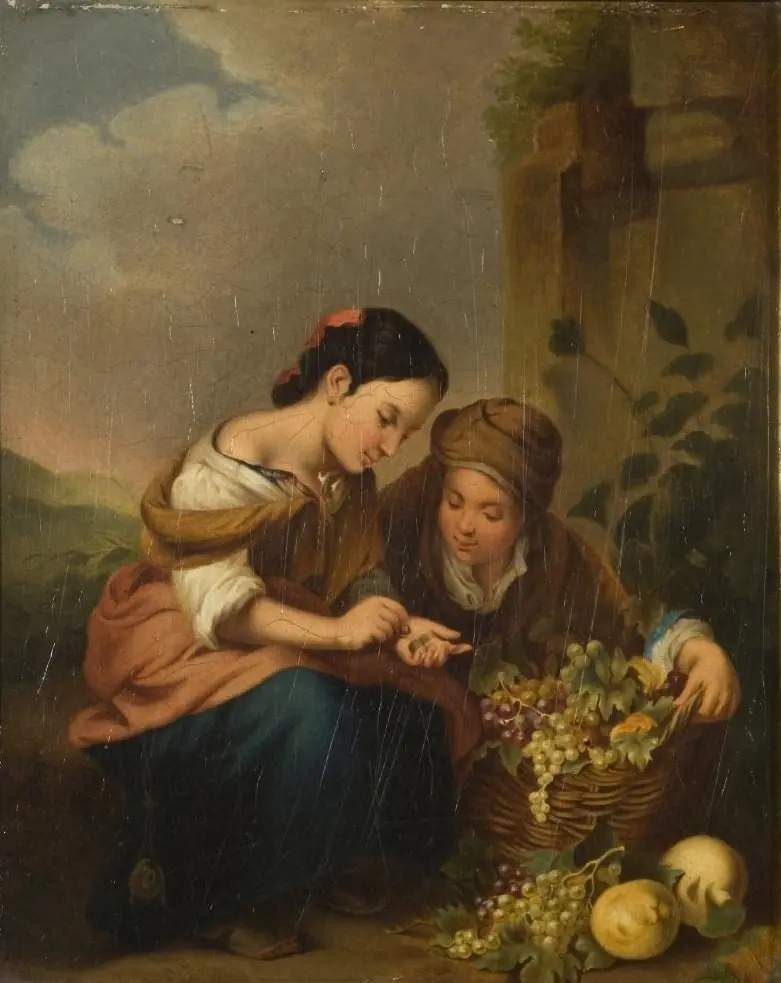 The Money Counter
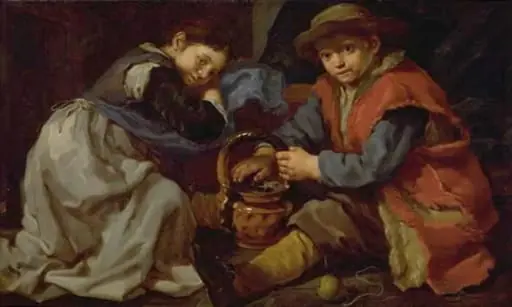 A Girl and a Boy with a Brazier
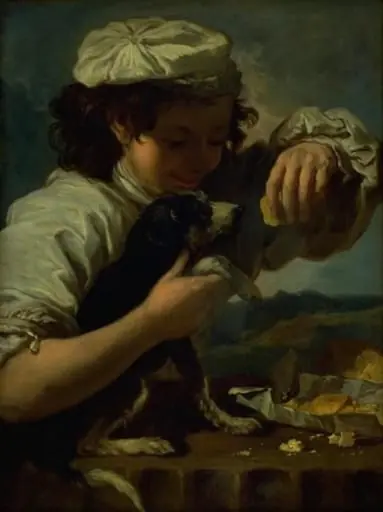 A Boy with a Dog (Allegory of "Taste")
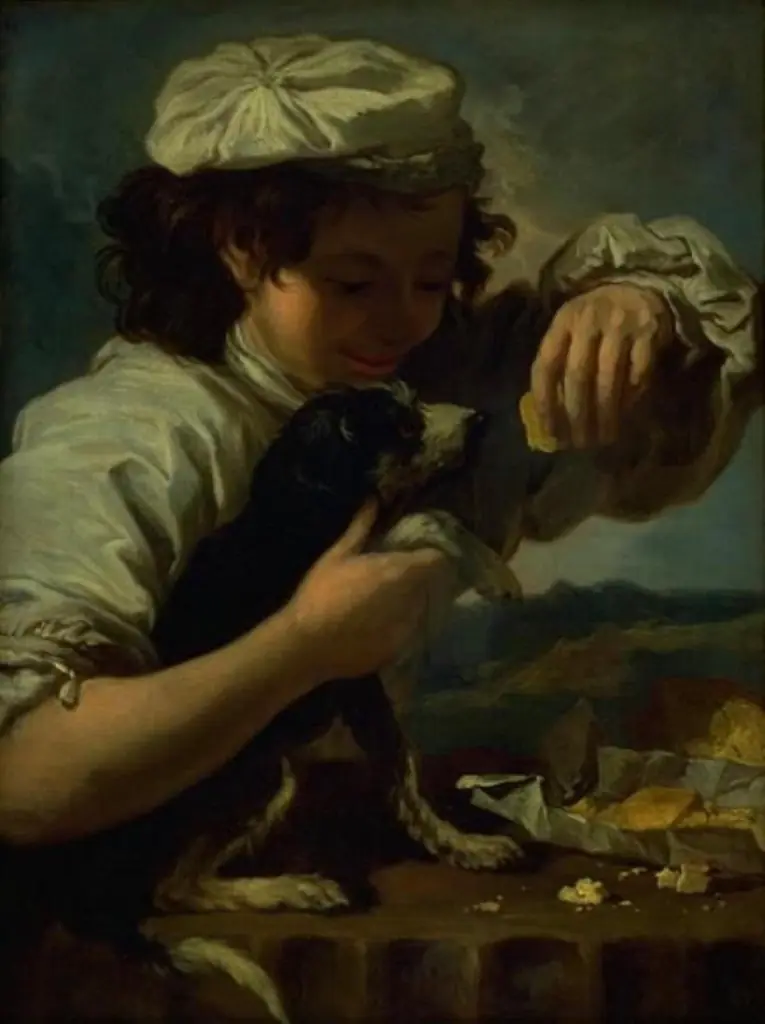 A Boy with a Dog (Allegory of "Taste")
 Cupids in Conspiracy
 Bacanal infantil
 The Finding of Joseph's Cup in Benjamin's Sack
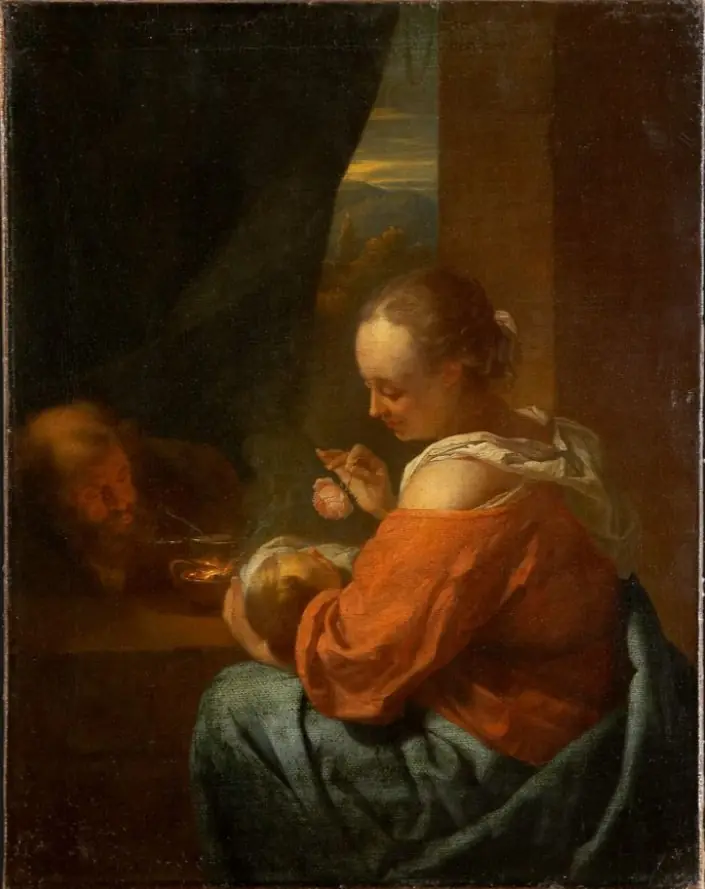 Holy Family