Artwork
Der jugendliche Heiland mit Weltkugel
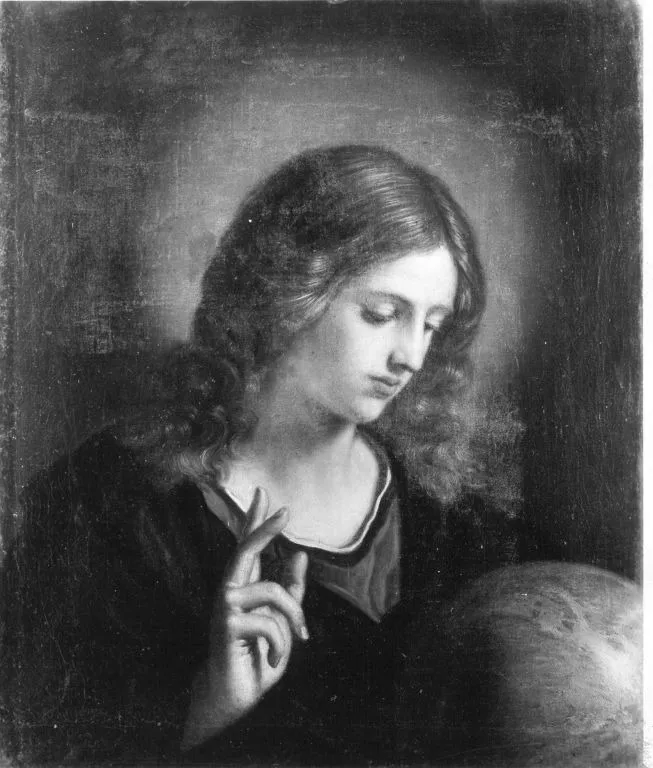
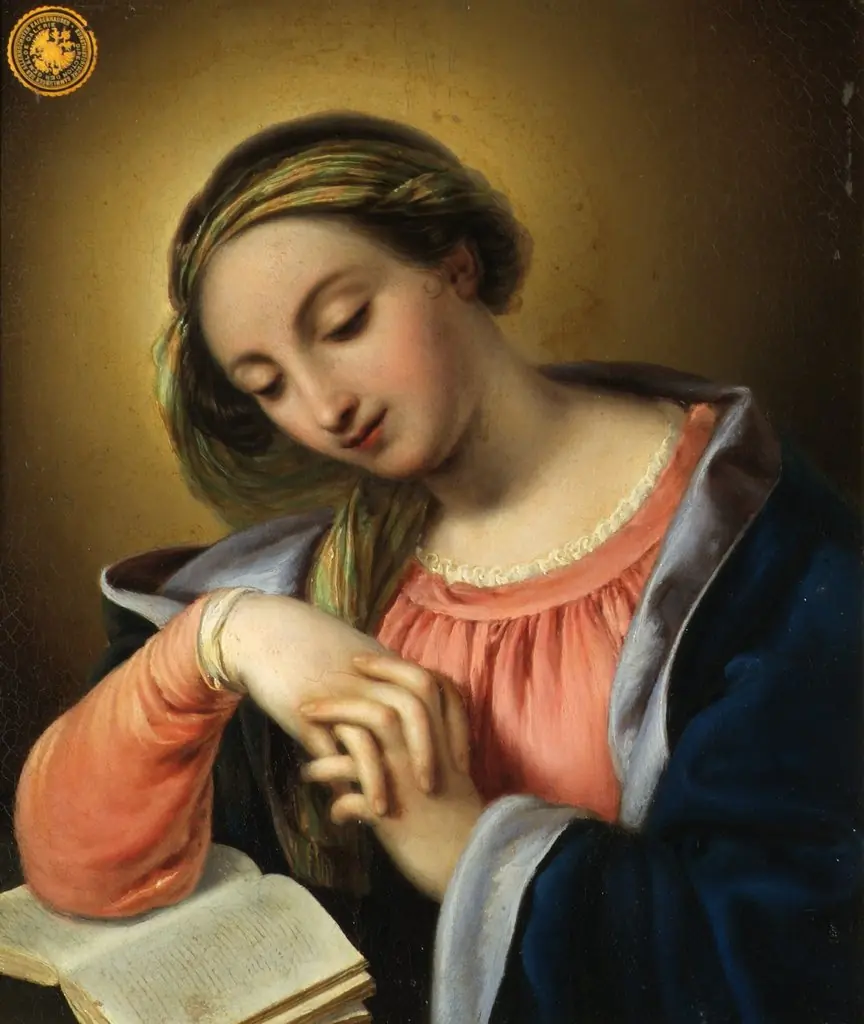
Der jugendliche Heiland mit Weltkugel is an unspecified painting by the Early Baroque Italian artist Bartolomeo Gennari. It dates from 1627 and is held in the collection of the Bavarian State Painting Collections.
About this work
Overview
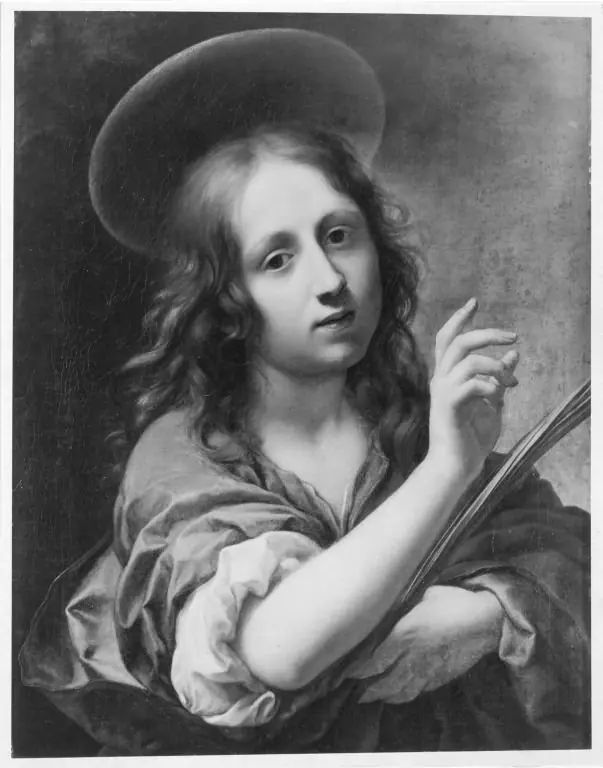
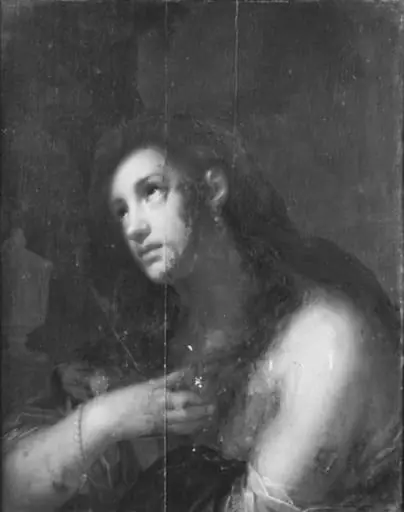
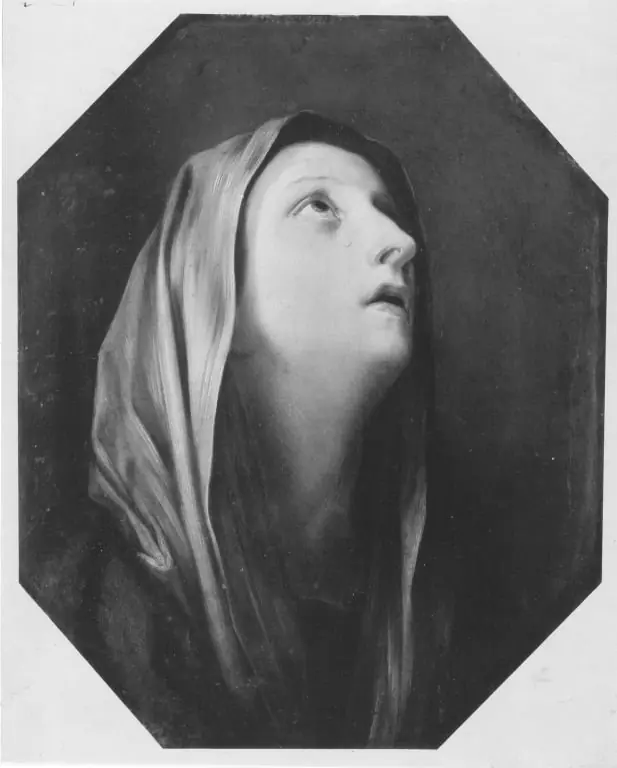
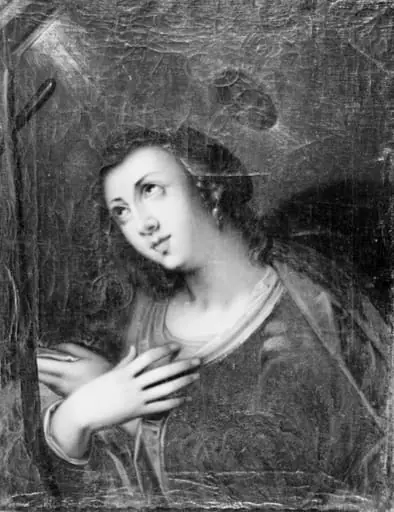
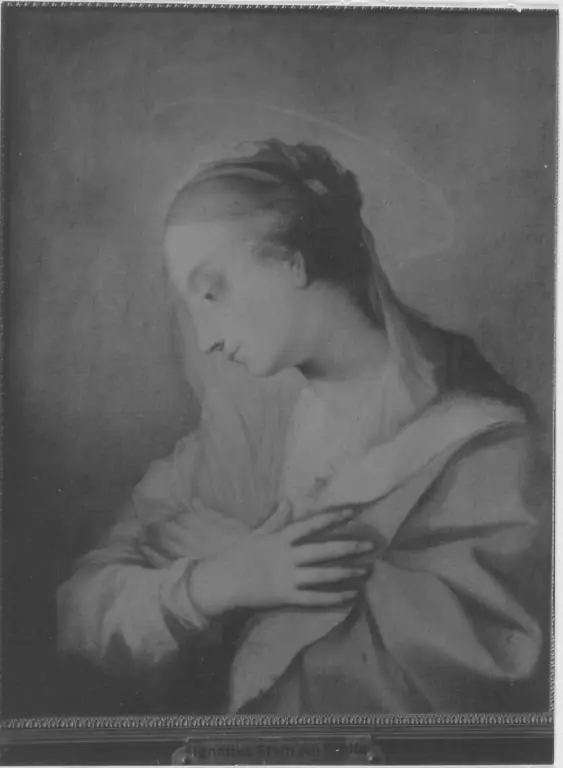
Painted in 1627 by Bartolomeo Gennari, this work belongs to the early Baroque tradition of the Bolognese School. It presents a young Christ holding a terrestrial globe, a symbolic motif common in religious art of the period. The painting is part of the Alte Pinakothek’s collection in Munich, where it has been preserved since its acquisition.
Subject & Meaning
The figure represents Christ as a youthful savior, identified by the globe he holds, signifying divine dominion over the Earth. The contemplative expression and downward gaze suggest introspection and spiritual authority. The composition aligns with Counter-Reformation ideals, emphasizing Christ’s humanity and celestial role through quiet dignity rather than dramatic spectacle.
Technique & Style
Subtle gradations in tone define the contours of the face and hands, reflecting the influence of Caravaggisti techniques adapted to Bolognese refinement.
Gennari employs chiaroscuro to model the figure with soft, volumetric lighting, enhancing the three-dimensionality of the form. The dark background isolates the subject, drawing focus to the contrast between the deep robe and the lighter undergarment. Subtle gradations in tone define the contours of the face and hands, reflecting the influence of Caravaggisti techniques adapted to Bolognese refinement.
History & Provenance
The painting was completed in 1627 and entered the Alte Pinakothek’s collection in the 19th century. Its journey from Italy to Munich remains undocumented in detail, but its preservation suggests it was valued by collectors interested in Italian Baroque devotional art. No major alterations or restorations are recorded in public archives.
Context
In early 17th-century Italy, depictions of Christ as a youthful figure gained traction as part of a broader effort to humanize sacred subjects. Gennari’s work reflects the Bolognese School’s balance between naturalism and idealized form, influenced by the Carracci and their followers. The globe, a symbol of Christ’s universal sovereignty, was frequently used in ecclesiastical commissions during the Counter-Reformation.
Legacy
Though not widely exhibited outside Germany, the painting remains a representative example of Gennari’s devotional output. It contributes to the understanding of how Bolognese artists adapted Caravaggio’s lighting and emotional restraint into more serene, courtly compositions. Its presence in a major European museum underscores its role in the transmission of Italian Baroque religious imagery northward.
Artist & collection
Artist
Bartolomeo Gennari (10 July 1594 – 29 January 1661) was an Italian Renaissance painter. His painting style is consistent with the Bolognese School of painting.