Artwork
Die hl. Maria
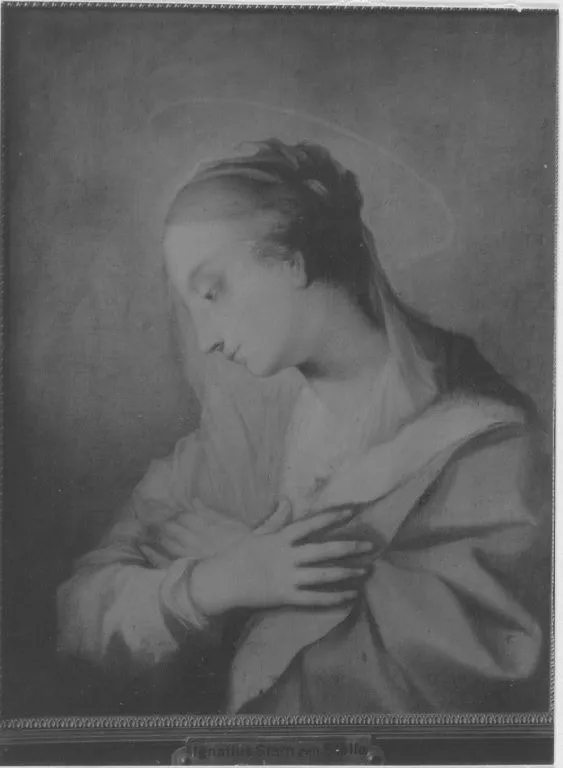
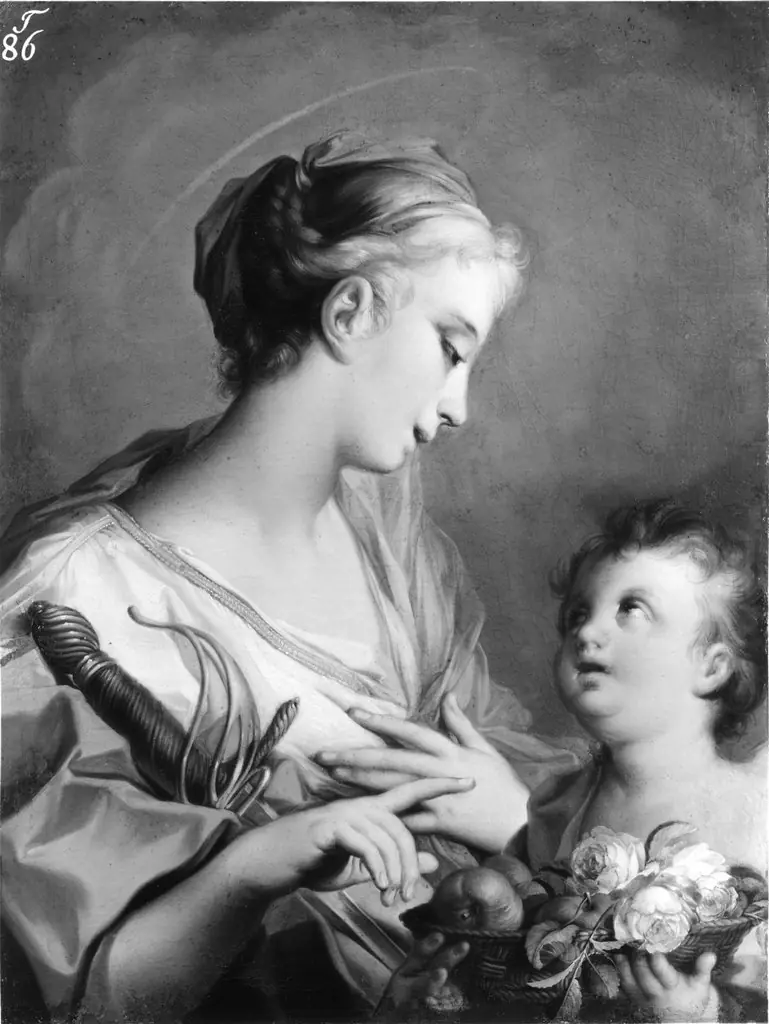
Die hl. Maria is an unspecified painting by the Rococo painting artist Ignazio Stern. It dates from 1730 and is held in the collection of the Bavarian State Painting Collections.
About this work
Overview
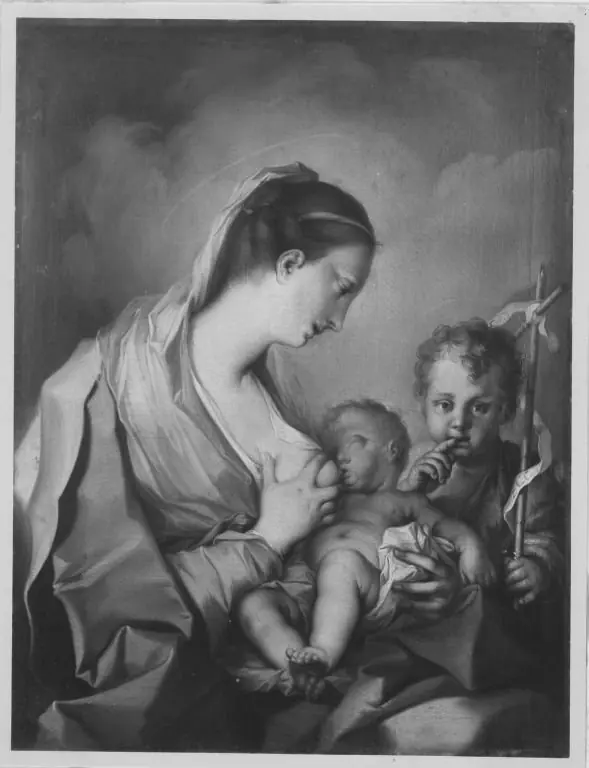
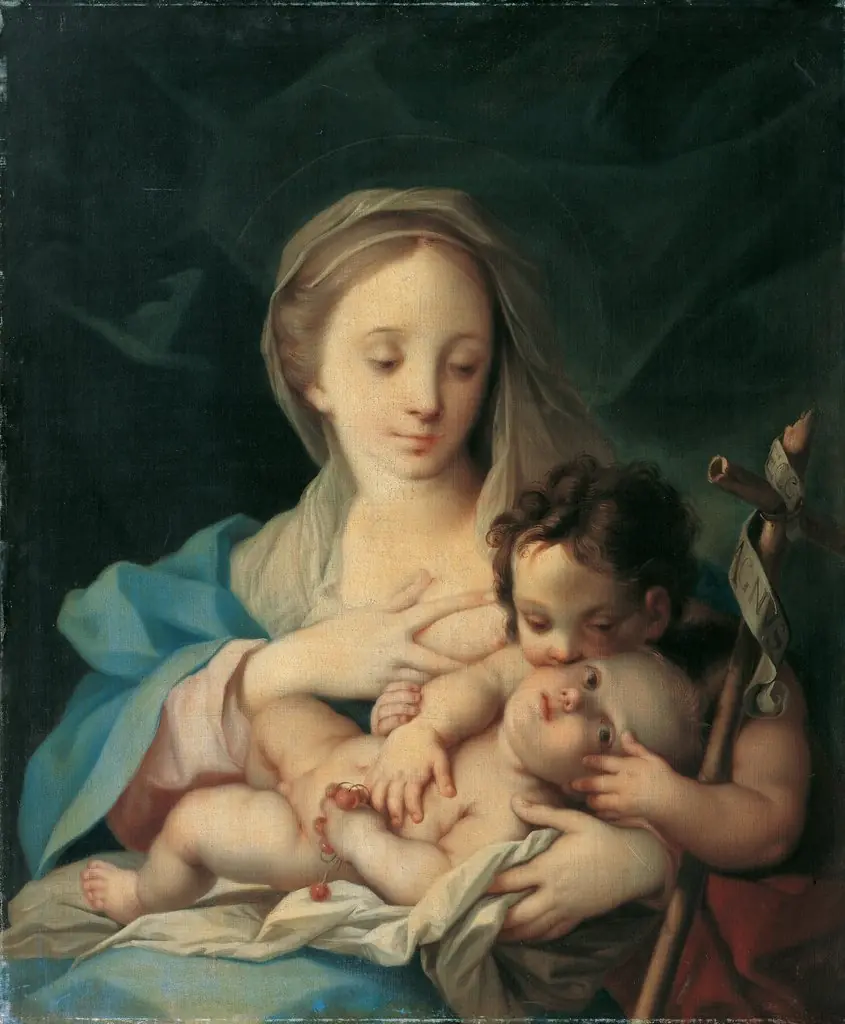
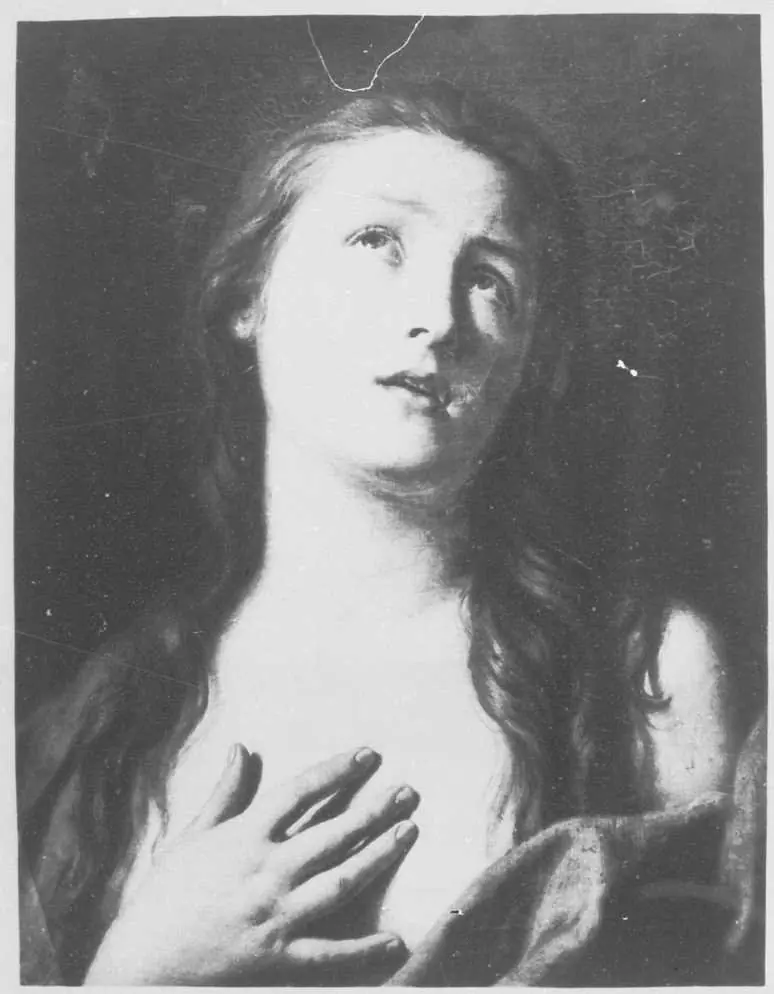
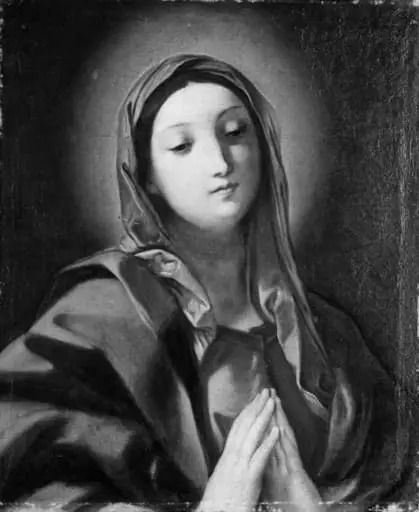
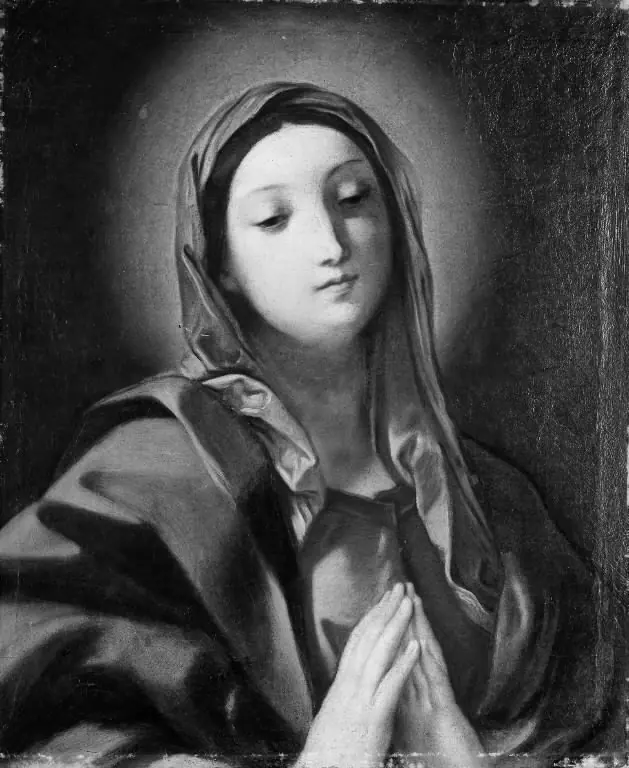
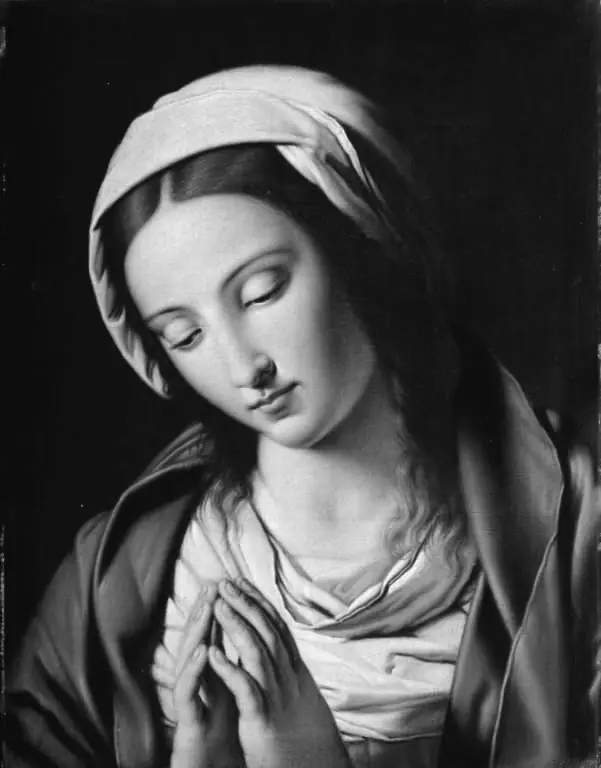
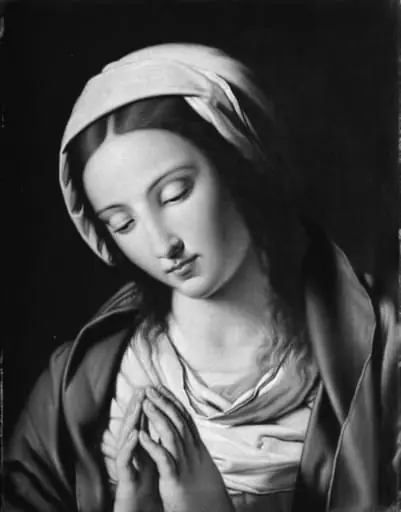
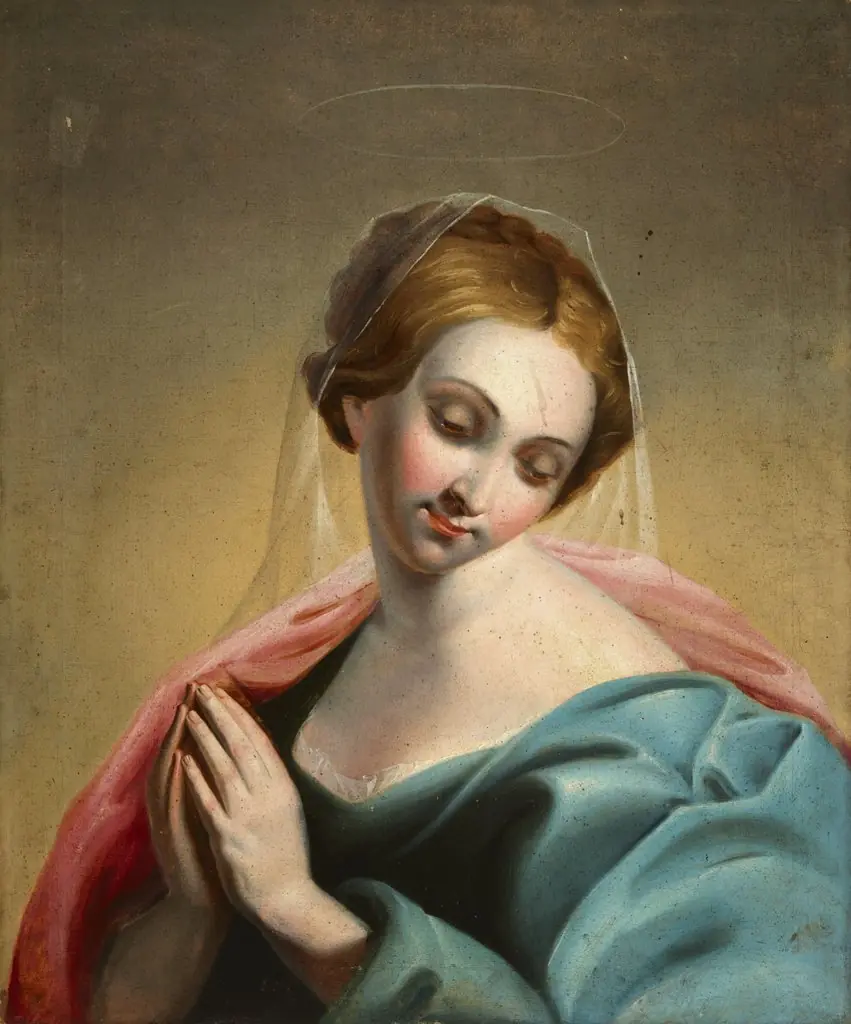
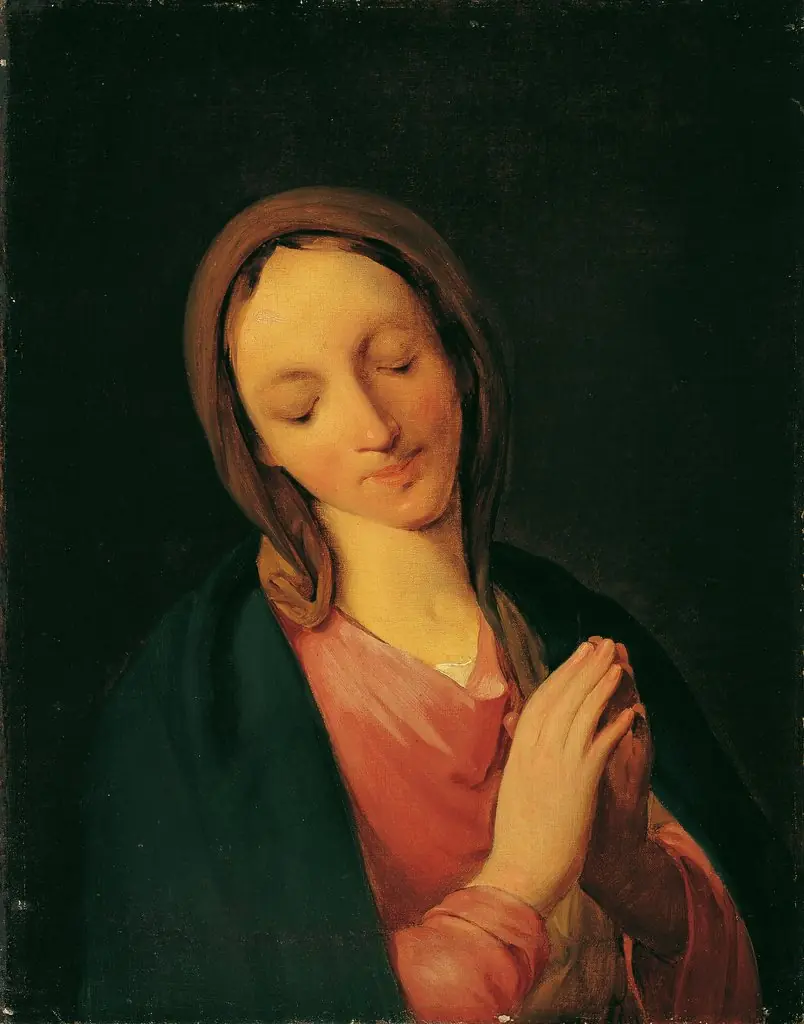
Ignazio Stern’s *Die hl. Maria* was completed in 1730, at a time when the decorative Rococo aesthetic was influencing religious painting. The canvas, now part of the Alte Pinakothek’s holdings, presents a solitary female figure in a moment of quiet devotion, rendered with a restrained palette that draws the eye to her bowed posture and clasped hands.
Subject & Meaning
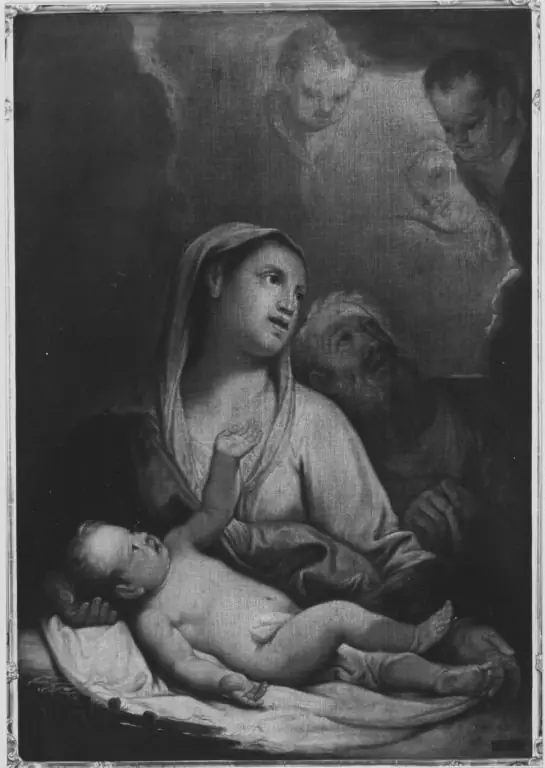
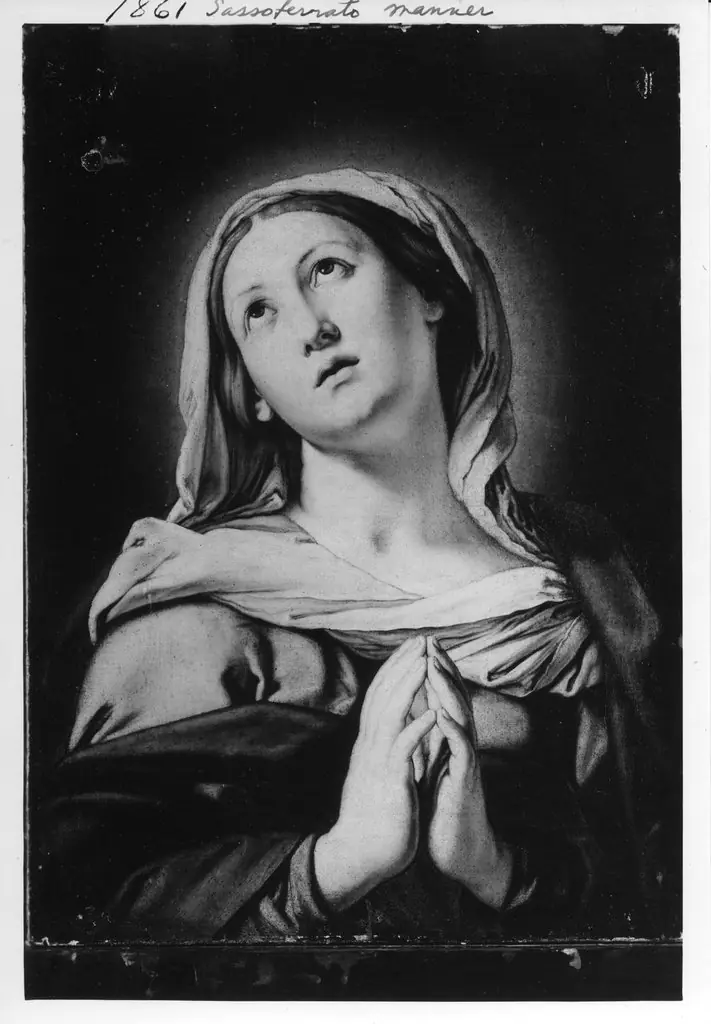
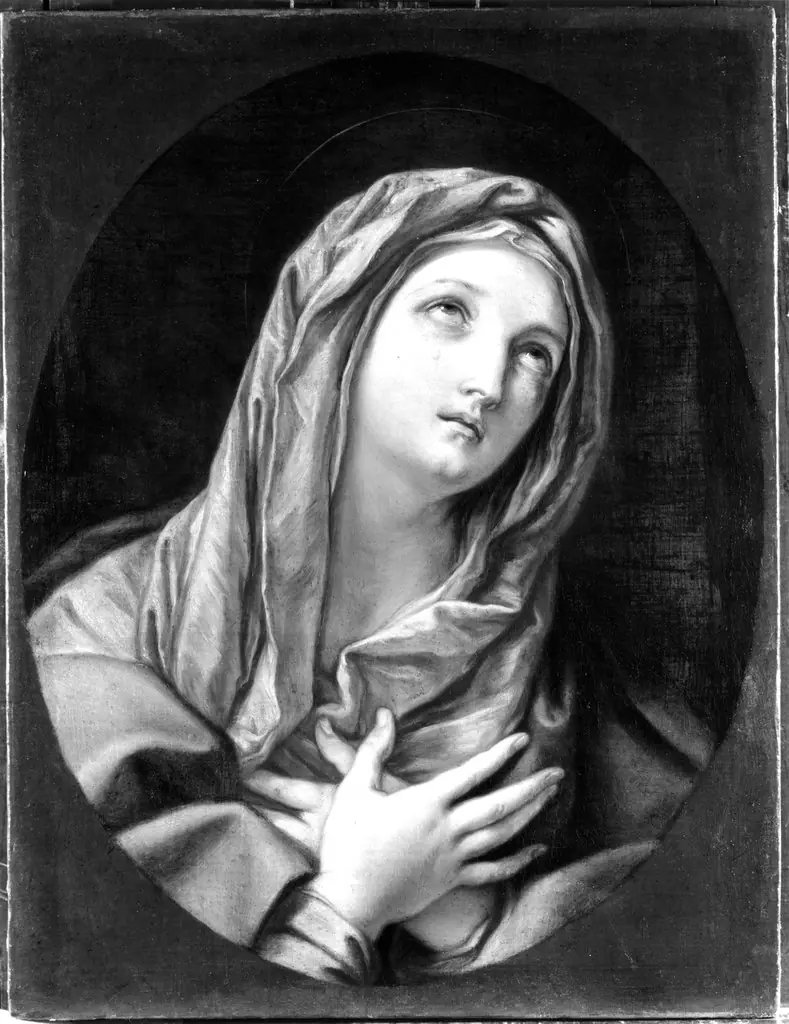
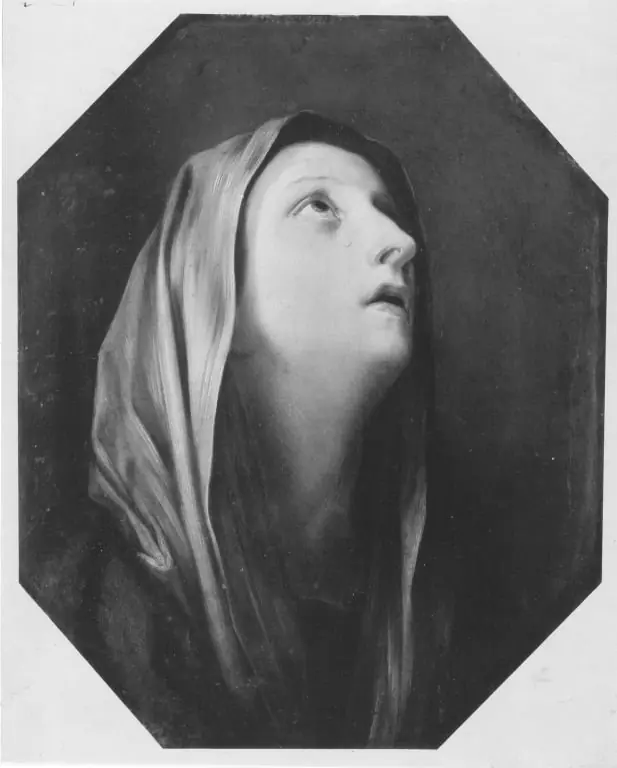
The work portrays a holy woman—identified as the Virgin Mary—engaged in a contemplative prayer. Her head is inclined, veil modestly covering her hair, while a long robe and draped cloak suggest both humility and dignity. The serene expression and inward‑focused gesture convey a sense of reverent introspection, inviting viewers to share in her spiritual calm.
Technique & Style
Stern employs a softened chiaroscuro to model the figure, allowing light to fall gently on the face and hands while the background recedes in muted tones. This handling of light and shade, combined with the delicate, ornamental qualities typical of Rococo, creates a subtle three‑dimensionality without the dramatic intensity of high Baroque.
History & Provenance
Born in Upper Austria in 1679, Stern spent the majority of his artistic career in Rome, where he absorbed Italian influences before returning to the Germanic sphere. He died in Rome in 1748. *Die hl. Maria* entered the collection of the Alte Pinakothek, where it remains accessible to the public as an example of Stern’s late‑period religious output.
Artist & collection
Artist
Ignazio Stern (or Ignaz Stern) (January 17, 1679 – May 28, 1748), born in Mauerkirchen in Upper Austria in the Archduchy of Austria, was a Baroque painter who worked in Rome, dying there in 1748.