Artwork
Portrait of a Lady as Mary Magdalen
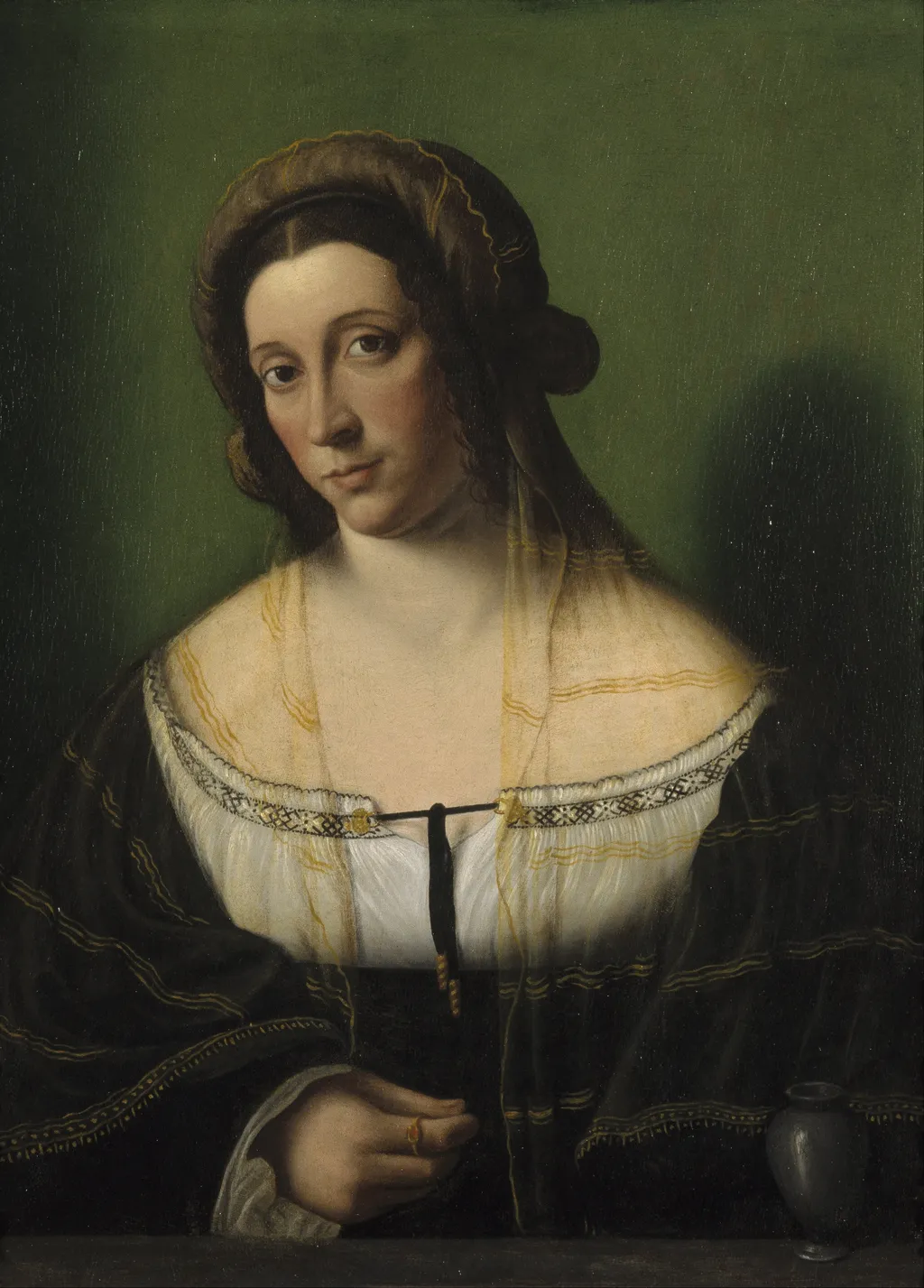
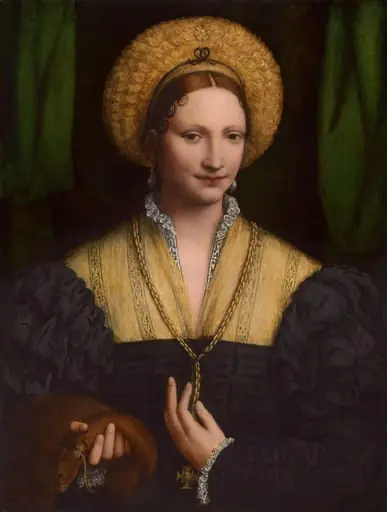
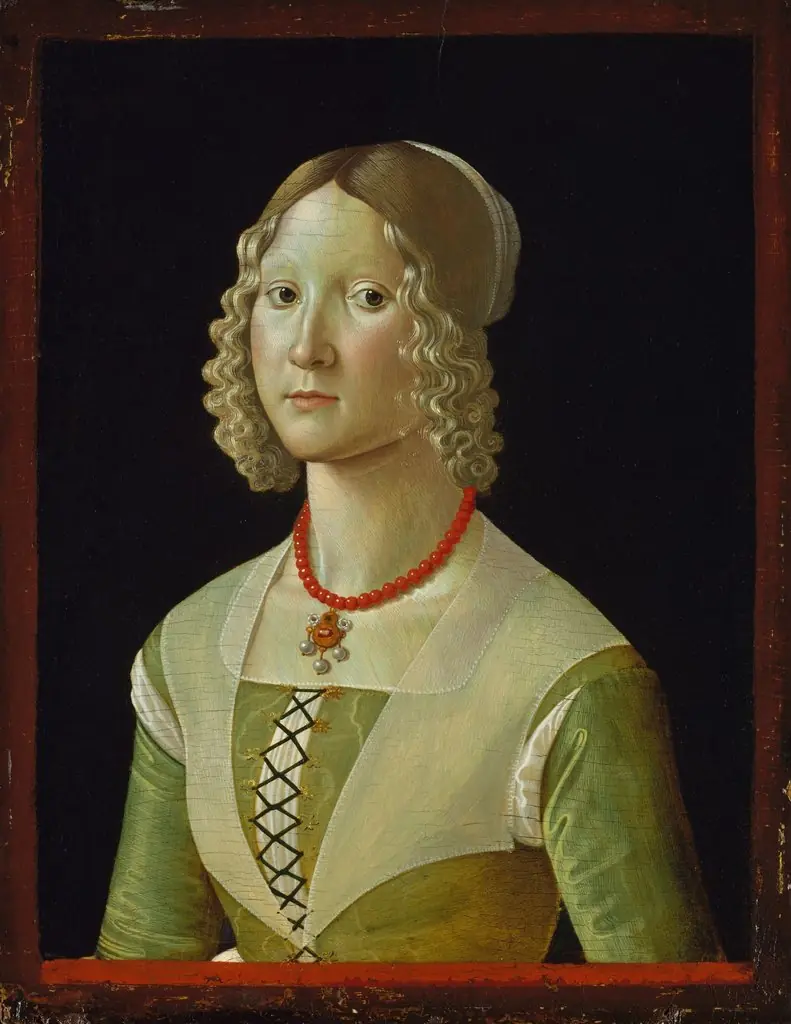
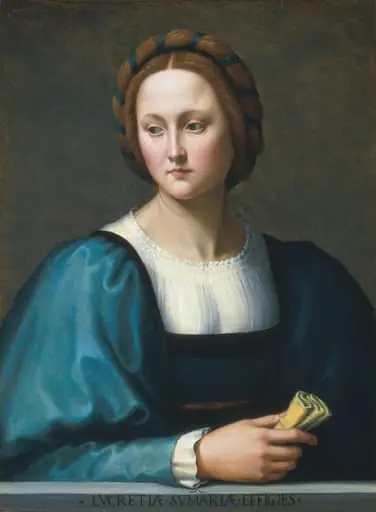
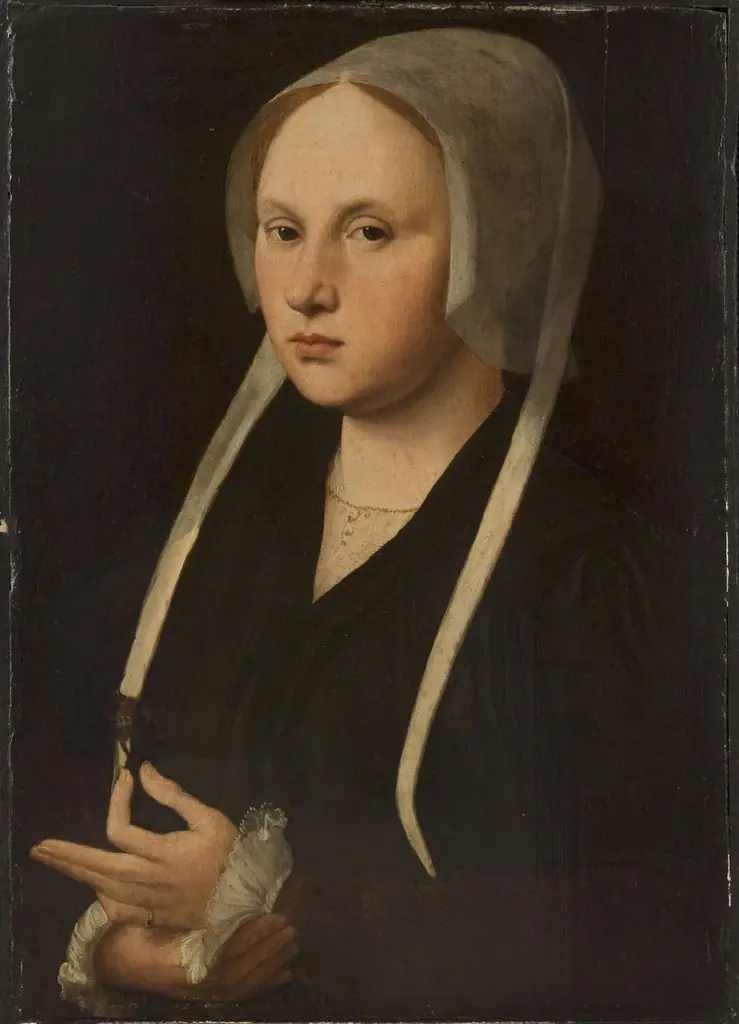
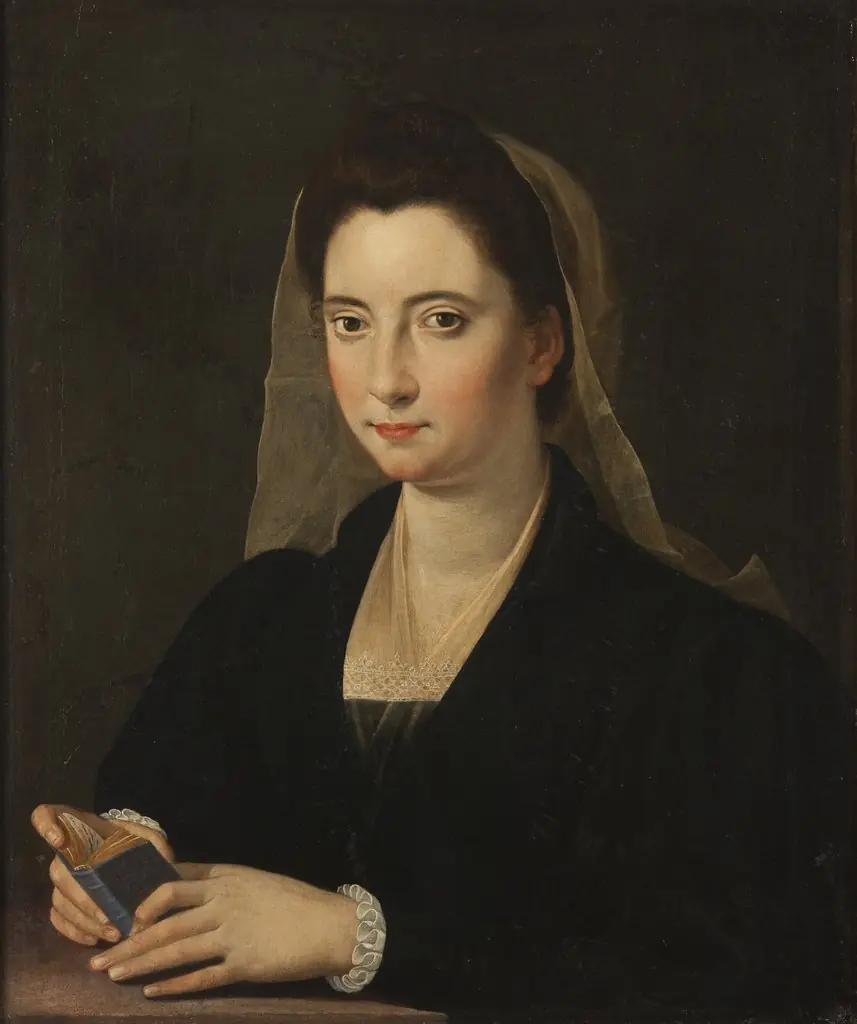
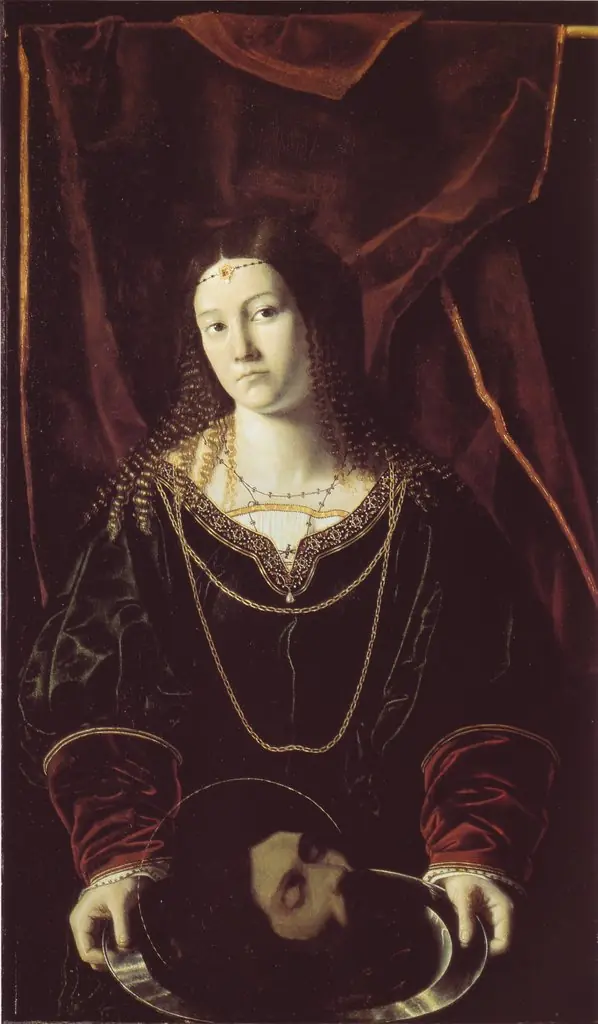
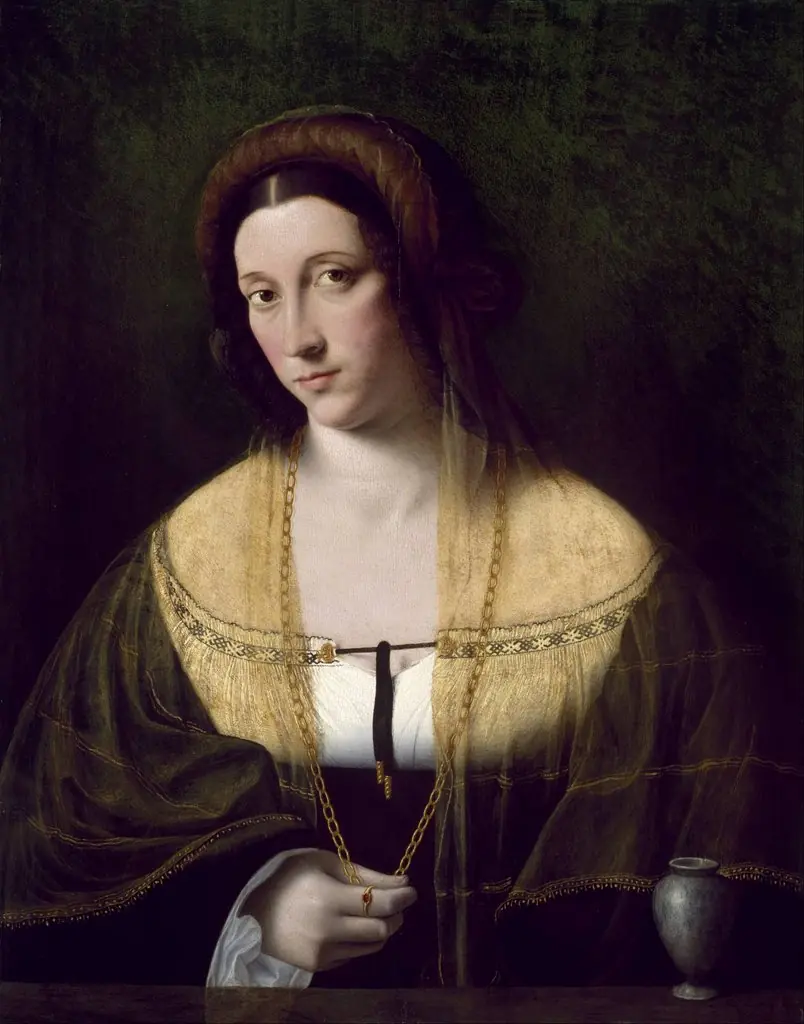
Portrait of a Lady as Mary Magdalen is an unspecified painting by the Mannerist artist Bartolomeo Veneto. It dates from 1520 and is held in the collection of the Brooklyn Museum. Created circa 1520, the work shows a woman portrayed as the biblical figure Mary Magdalene.
About this work
Overview
Created circa 1520, the work shows a woman portrayed as the biblical figure Mary Magdalene. Executed by the Italian painter Bartolomeo Veneto, it now belongs to the Brooklyn Museum’s collection.
Subject & Meaning
The sitter is presented with dark hair, a modest dark dress over a white chemise, and a gold ring on her left hand, all elements that combine to suggest both piety and refined elegance. Her direct gaze engages the viewer, inviting a personal connection with the saintly persona she embodies.
Technique & Style
Bartolomeo employs chiaroscuro to model the figure, using contrasts of light and shadow to give volume to the face and hands. The muted green background recedes, allowing the illuminated upper body to dominate the composition. The handling reflects the early Mannerist tendency toward refined surface treatment while retaining a realistic touch inherited from Leonardo’s influence.
History & Provenance
Active between 1502 and 1531, Bartolomeo Veneto worked in Venice, the Veneto region, and Lombardy, having trained with Gentile Bellini before absorbing Leonardo’s methods during commissions in Milan. The painting entered the Brooklyn Museum’s holdings at an unspecified date, where it remains on view.
Own this work as a print
Artist & collection
Artist
Bartolomeo Veneto (active 1502–31) was an Italian painter who worked in Venice, the Veneto (the mainland), and Lombardy.

![Vittoria Colonna [?], by Sebastiano del Piombo](https://artifactworldgallery.com/img/sebastiano-del-piombo--vittoria-colonna--2bf72498c1ca4c50-w320.webp)