Artwork
Portrait of a Man
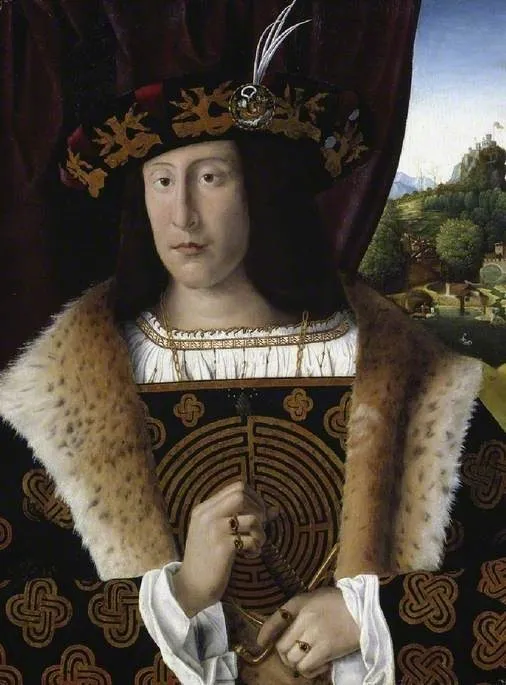
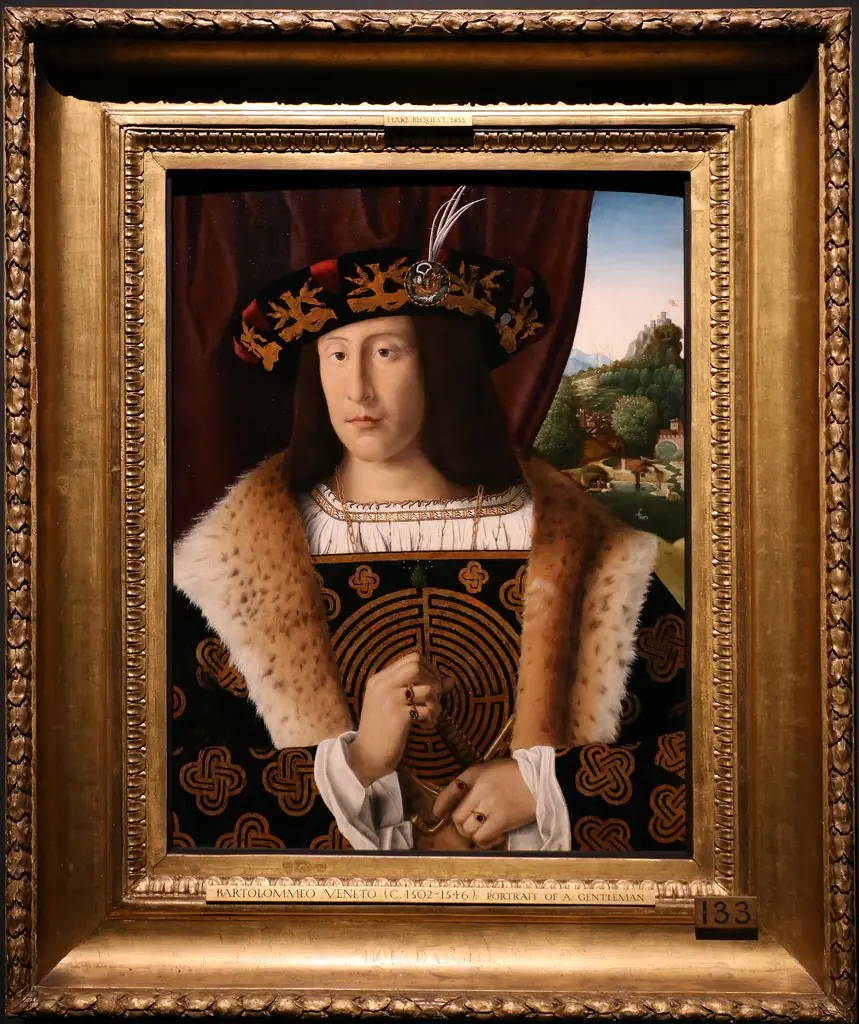
Portrait of a Man is an oil painting by the Mannerist artist Bartolomeo Veneto. It dates from 1550 and is held in the collection of the Fitzwilliam Museum.
About this work
Overview
Portrait of a Man is an oil painting created by Italian artist Bartolomeo Veneto around 1550. Characterized by its detailed depiction of a solemn male figure, the work falls within the Mannerist movement.
Subject & Meaning
The painting portrays a man dressed in attire indicative of wealth: a white shirt, fur-trimmed cloak, ornate hat with feather and gold accents, and a small sword. His serious expression and direct gaze suggest a figure of gravity, though the subject's identity and the painting's specific symbolism remain unspecified.
Technique & Style
Bartolomeo Veneto's training under Gentile Bellini and later exposure to Leonardo da Vinci's influences are evident in the painting's meticulous detail and compositional elements. The contrast between the dark, gold-knotted background and the detailed, illuminated figure showcases the artist's mastery of oil painting.
History & Provenance
Active in Venice, the Veneto, and Lombardy from 1502 to 1531, Bartolomeo Veneto produced this work nearly two decades after his known activity period, suggesting a possible late or posthumous attribution question. The painting is currently part of the Fitzwilliam Museum's collection.
Context
Created during the Mannerist period, the painting reflects the era's emphasis on intricate detail, complex poses, and emotional depth. The blend of Venetian and Lombard influences, particularly from Leonardo da Vinci, situates it within the broader artistic exchanges of early 16th-century Italy.
Legacy
While *Portrait of a Man* does not redefine Bartolomeo Veneto's overall impact, it contributes to the understanding of Mannerist portraiture's evolution and the artist's late style, offering insights into the patronage and aesthetic preferences of his time.
Artist & collection
Artist
Bartolomeo Veneto (active 1502–31) was an Italian painter who worked in Venice, the Veneto (the mainland), and Lombardy.

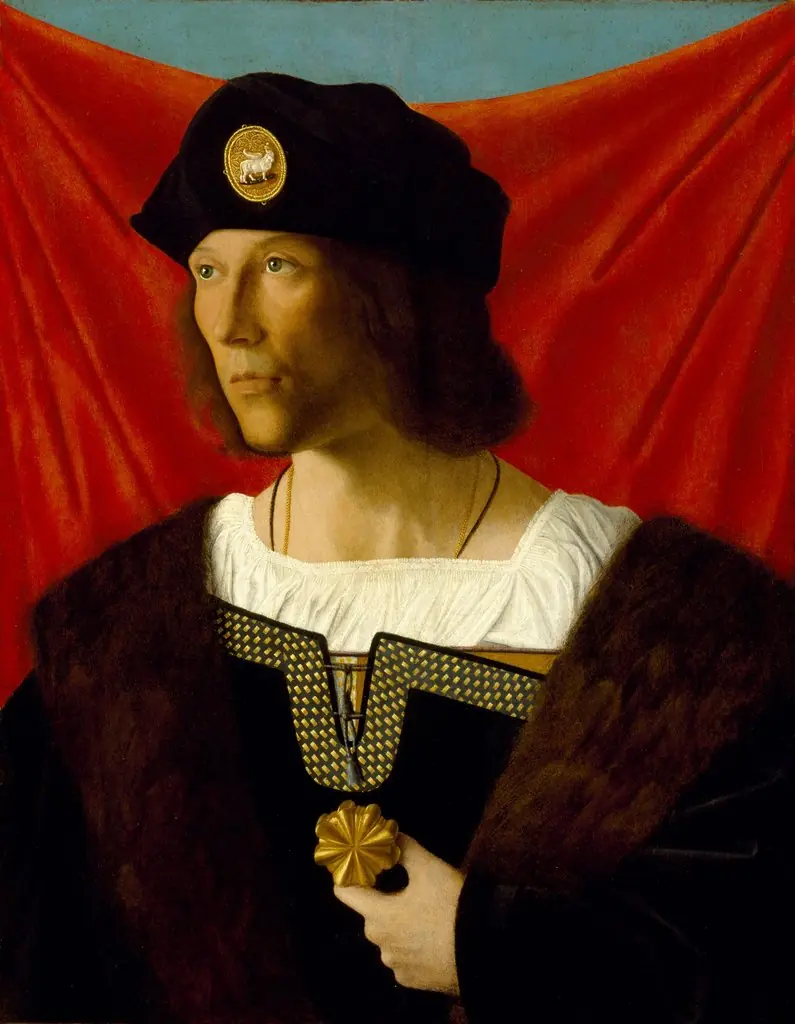
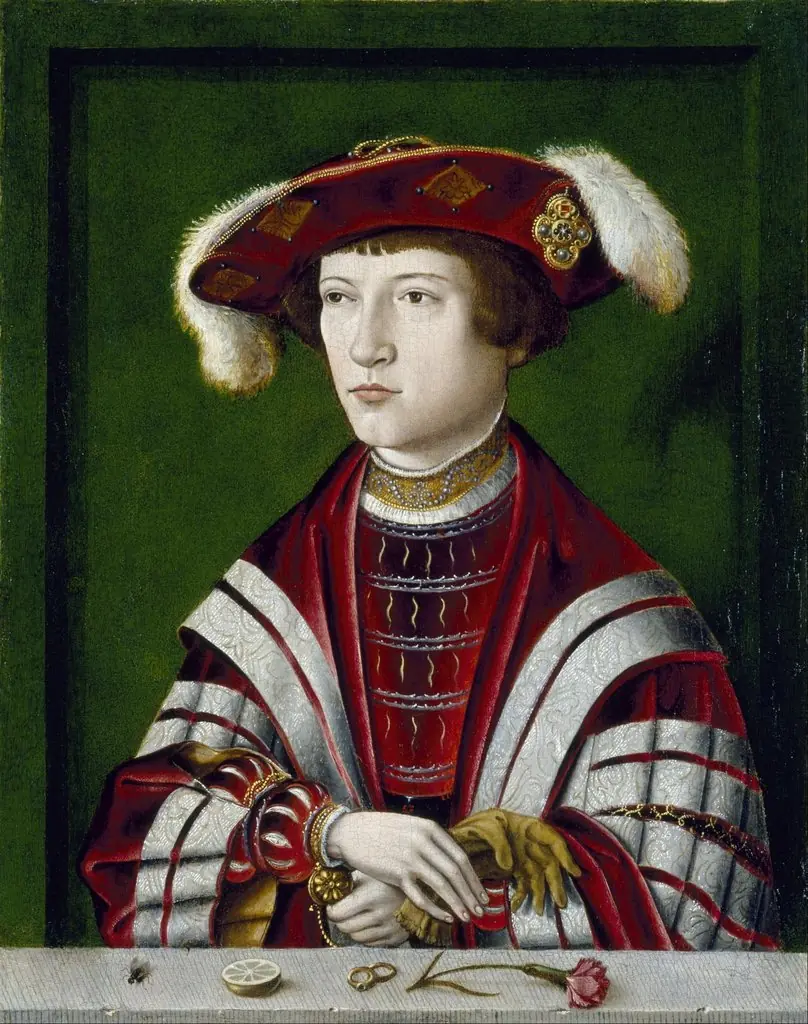 Portrait of a Nobleman
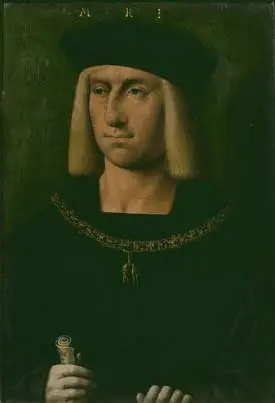 Portrait of Maximiliaan I (1459-1519), Keizer van het Heilige Roomse Rijk 1493-1519
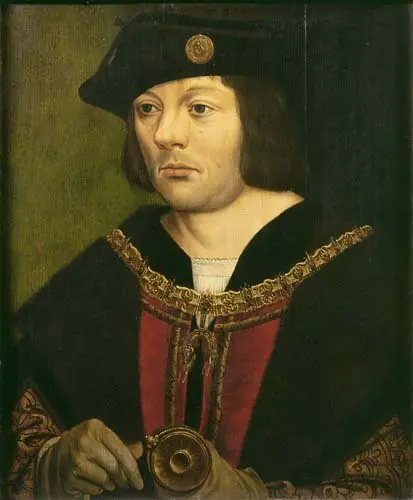 Portrait of William of Croÿ, lord of Chièvres
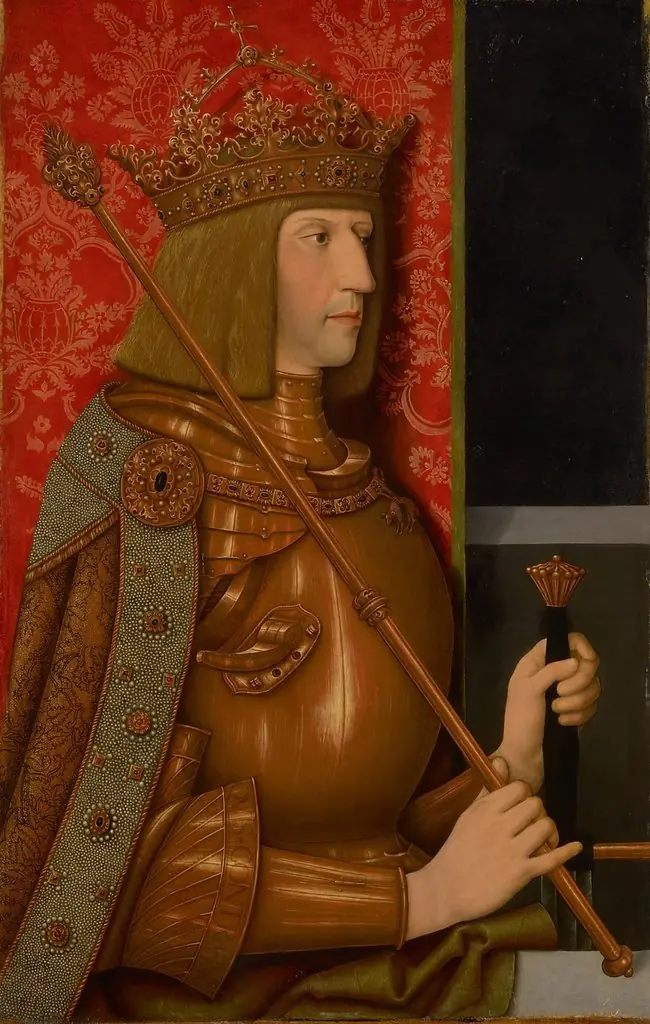 Portrait of Maximilian I, Holy Roman Emperor
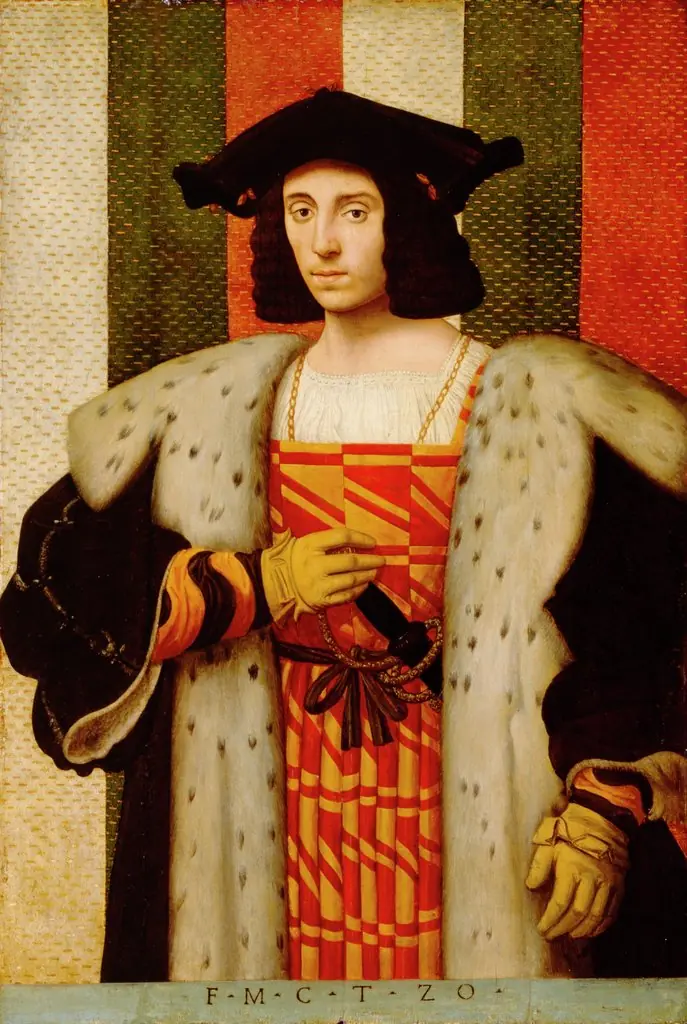 Gentleman of the Trivulzio Family
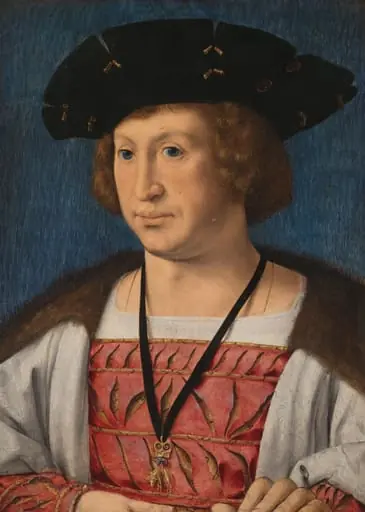 Untitled
 Portrait of a Nobleman
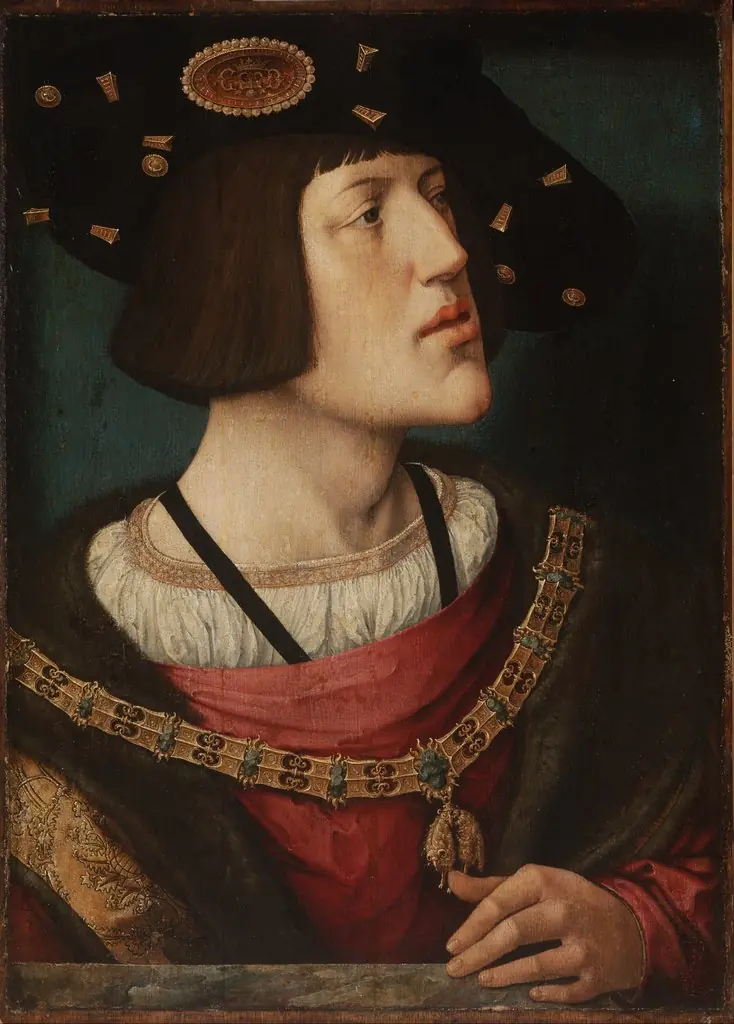 Portrait of Charles V, Holy Roman Emperor
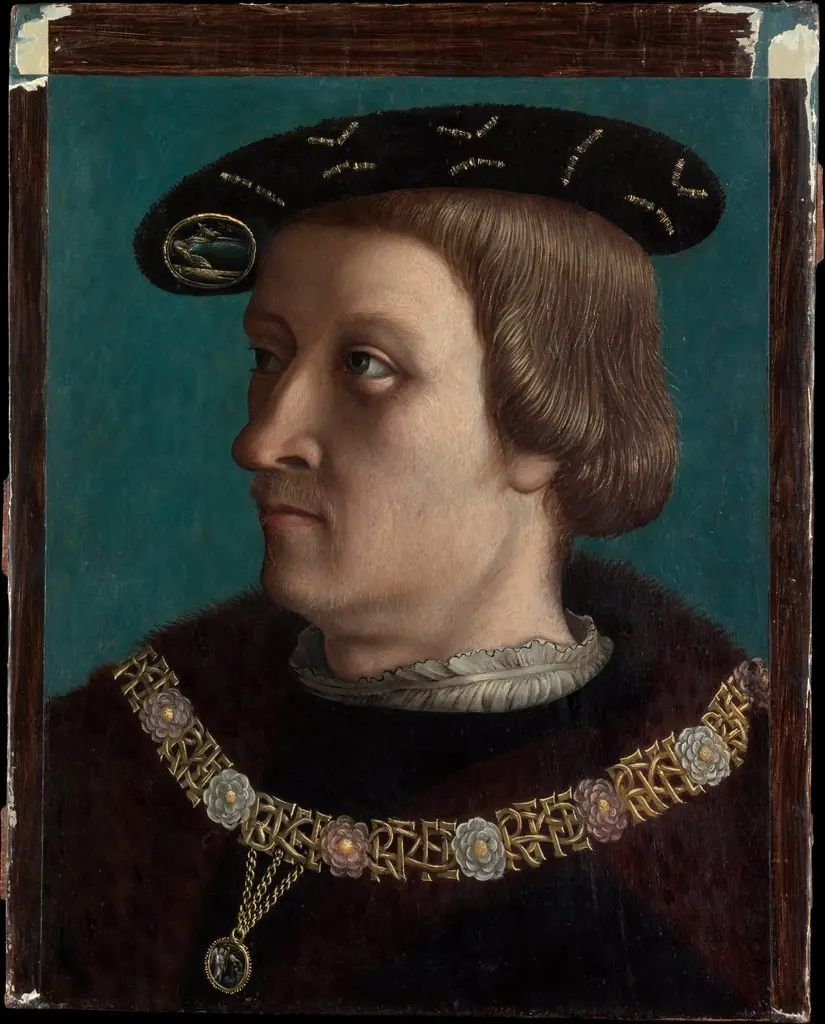 Portrait of a Man Wearing the Order of the Annunziata of Savoy
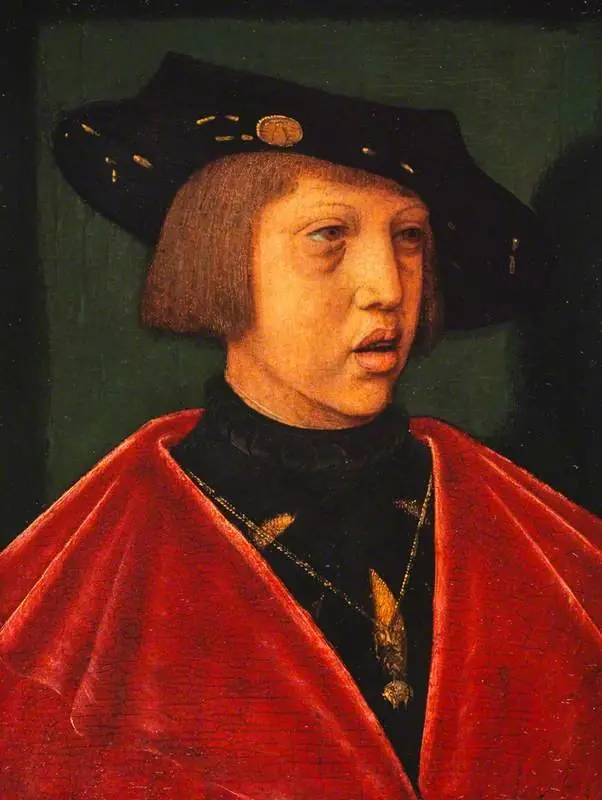 The Emperor Charles V (1500 - 1558) as a Child