Artwork
Saint Catherine of Alexandria
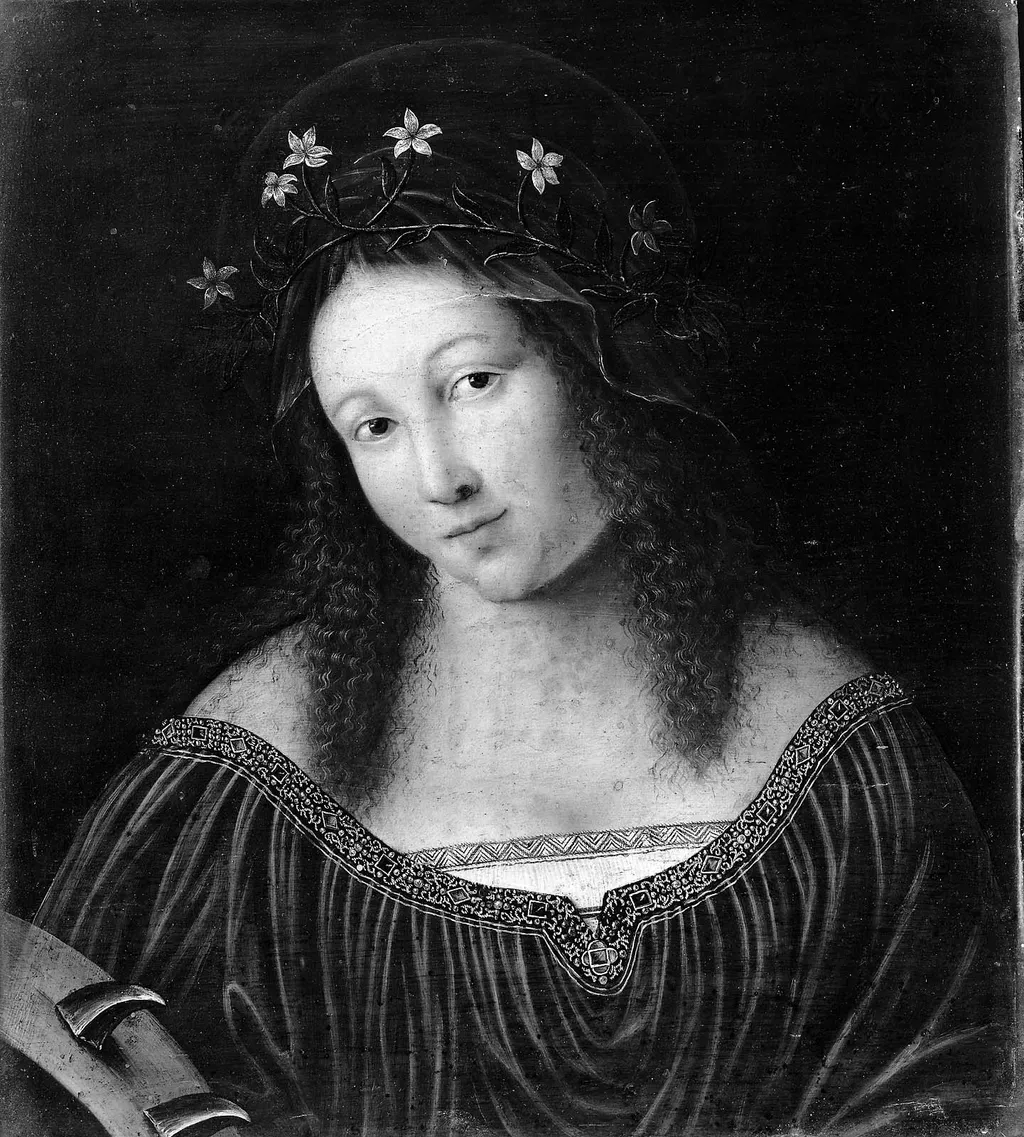
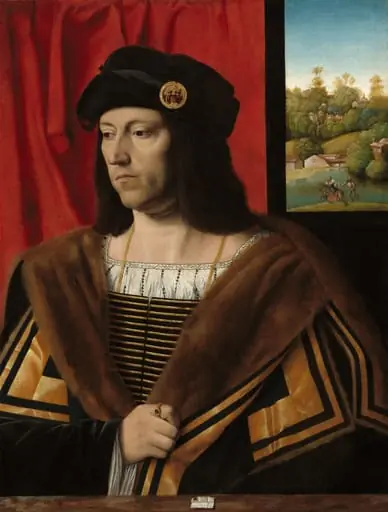
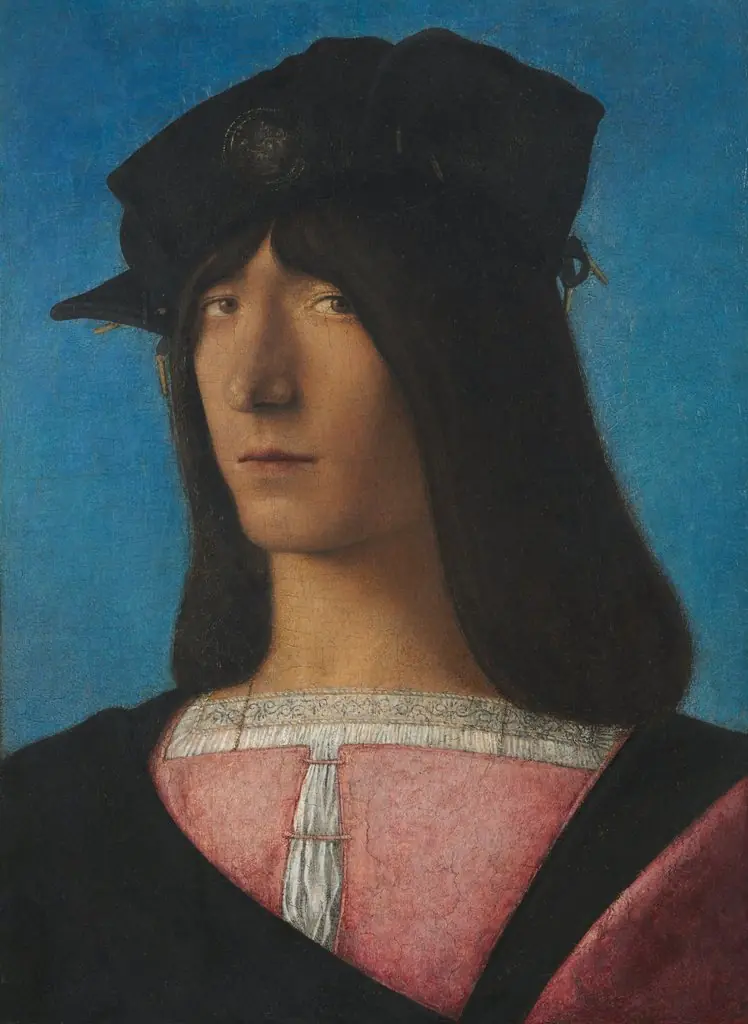
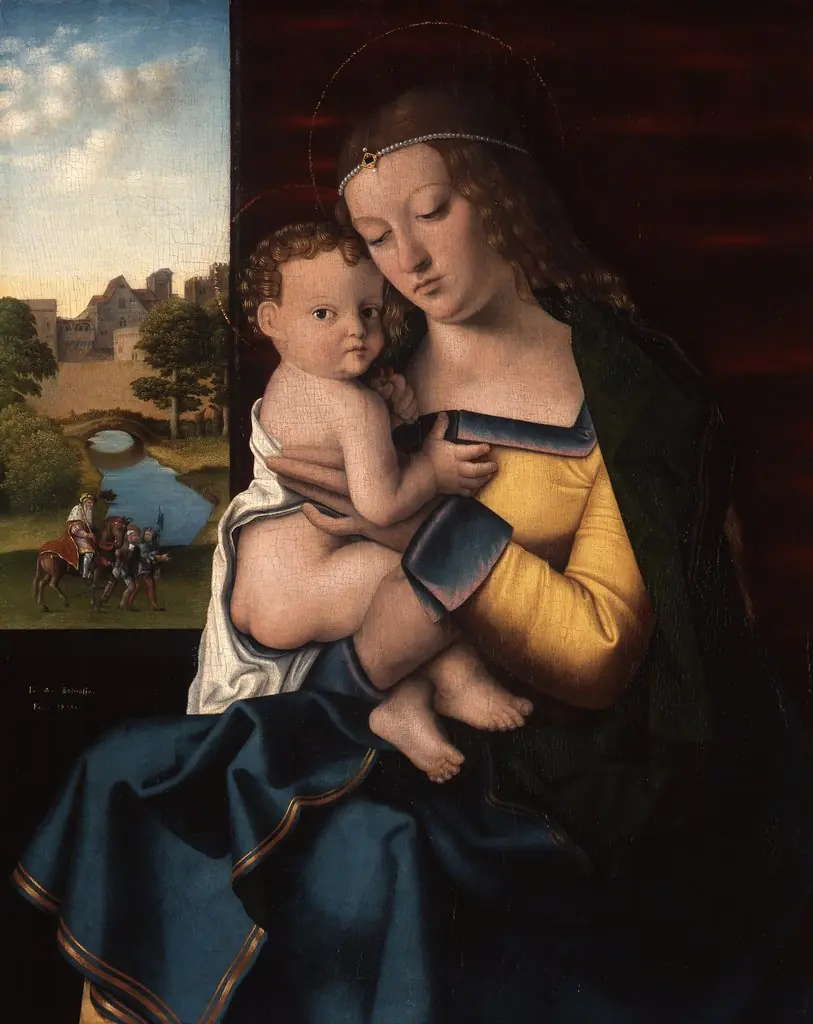
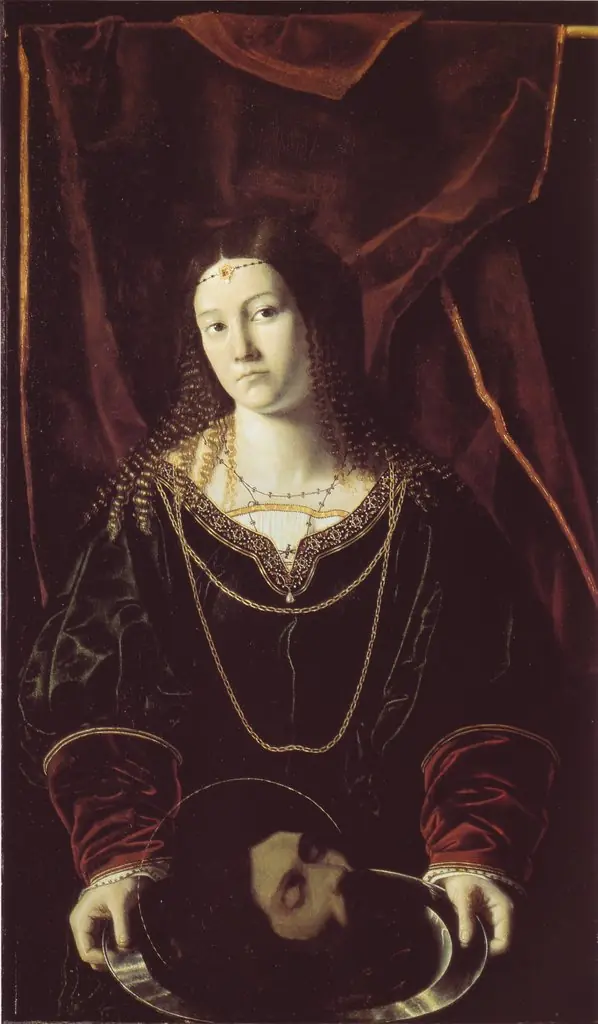
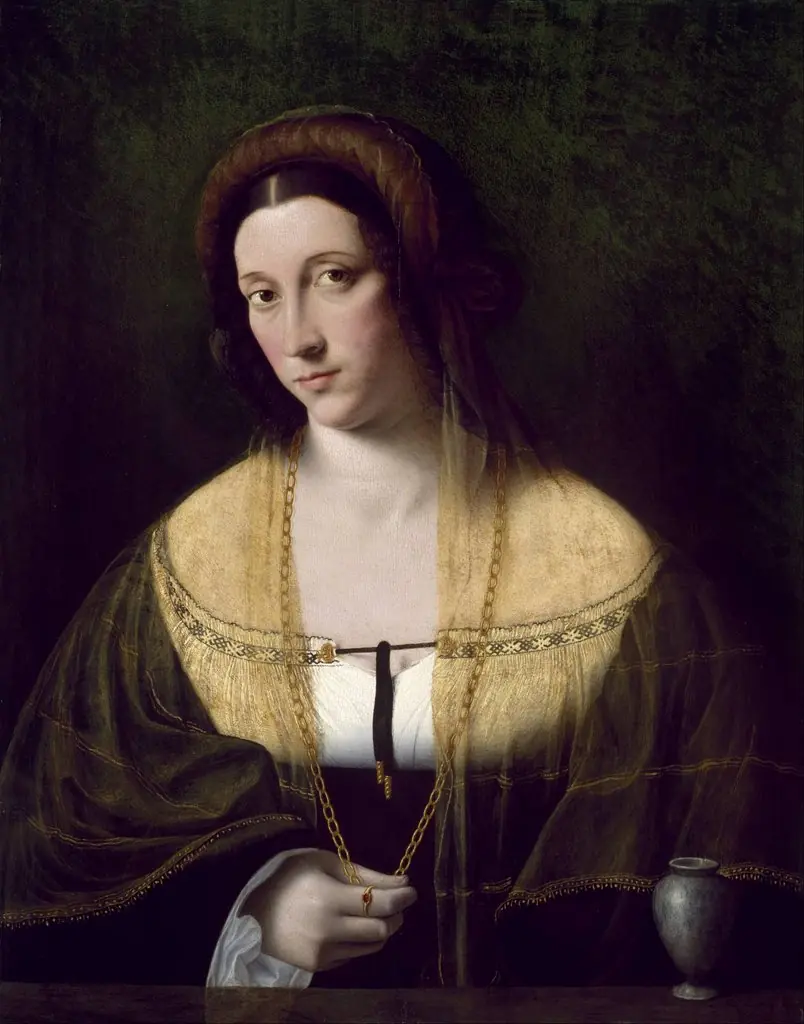
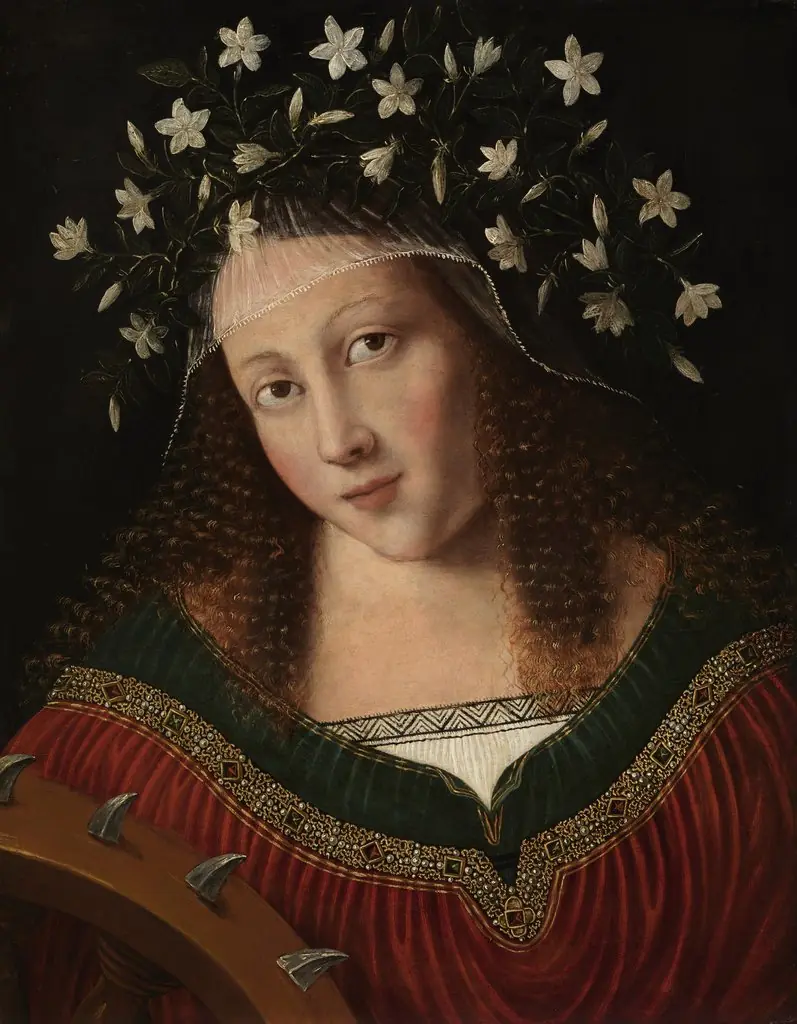
Saint Catherine of Alexandria is an unspecified painting by the High Renaissance artist Bartolomeo Veneto. It dates from 1538 and is held in the collection of the Museum of Fine Arts Boston.
About this work
Overview
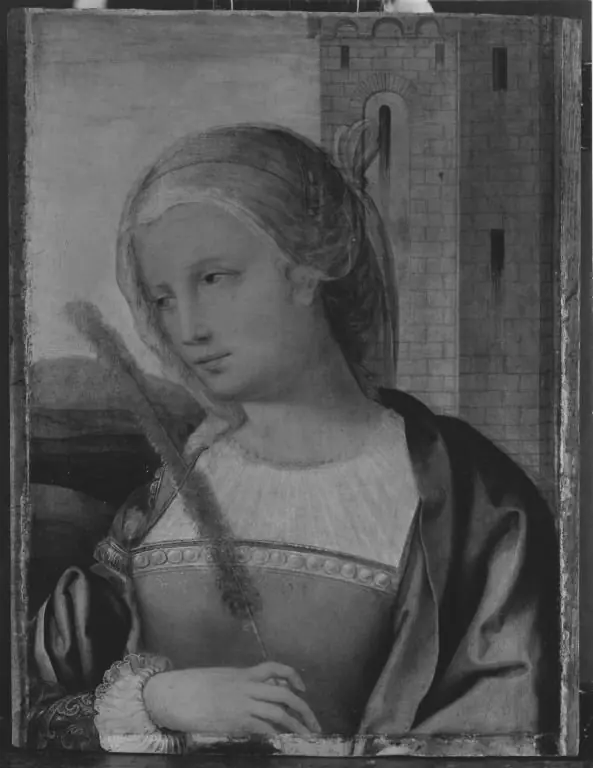
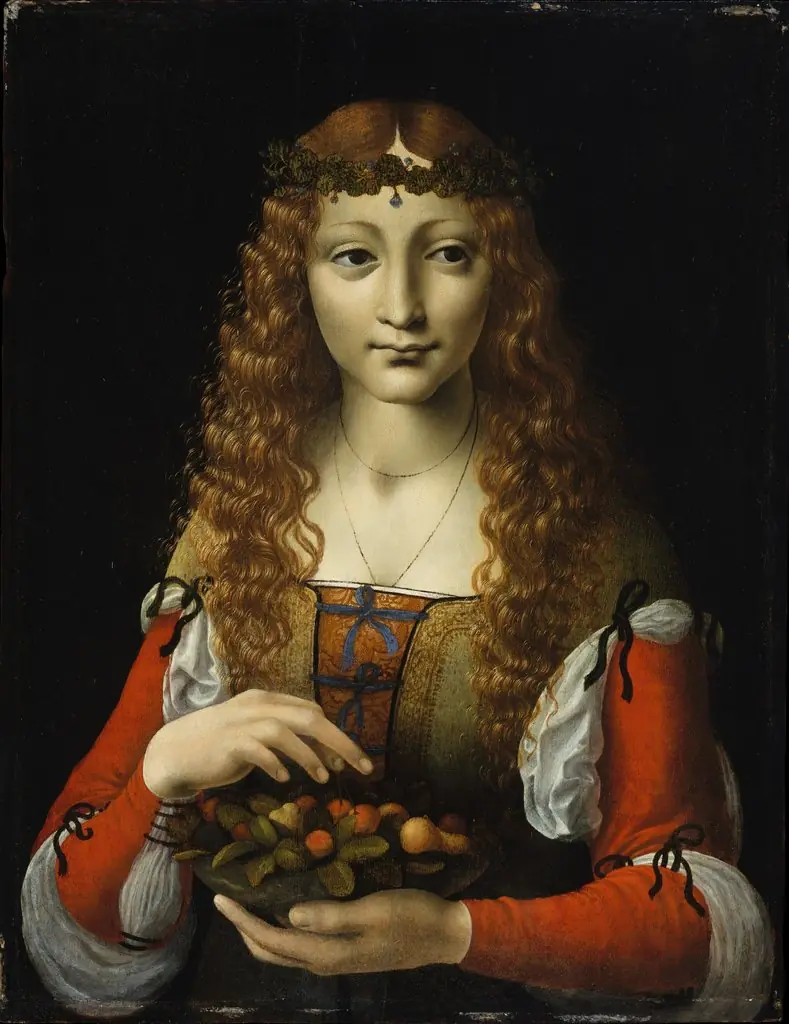
Painted around 1538 by Bartolomeo Veneto, this portrait of Saint Catherine of Alexandria reflects the artist’s synthesis of Venetian and Lombard styles.
Painted around 1538 by Bartolomeo Veneto, this portrait of Saint Catherine of Alexandria reflects the artist’s synthesis of Venetian and Lombard styles. Active between 1502 and 1531, Veneto trained under Gentile Bellini and absorbed elements of Leonardo da Vinci’s approach during his time in Milan. The work is a devotional image, rendered with quiet dignity, and is now part of the Museum of Fine Arts, Boston’s collection.
Subject & Meaning
The painting depicts Saint Catherine of Alexandria, a Christian martyr traditionally associated with the spiked wheel on which she was condemned to die. Her serene expression and averted gaze suggest inner contemplation rather than suffering. The floral crown and elegant attire signify her noble status and spiritual purity, while the wheel, partially obscured, alludes to her martyrdom without overt violence.
Technique & Style
Veneto employs soft modeling and subtle gradations of tone to model the figure’s form, echoing Leonardo’s sfumato. The dark, undefined background isolates the saint, enhancing her presence. Her draped garments are rendered with attention to texture and light, while the bare shoulder and delicate facial features reflect a refined, almost idealized femininity characteristic of High Renaissance portraiture.
History & Provenance
Created late in Bartolomeo Veneto’s career, the painting likely originated from a private devotional commission, possibly in Milan or Venice. Its movement into the Museum of Fine Arts, Boston’s collection is documented in the early 20th century, though earlier ownership records remain unclear. The work’s survival in good condition suggests it was carefully preserved by its initial patrons.
Context
In early 16th-century Italy, depictions of Saint Catherine were common among religious patrons seeking models of intellectual and spiritual fortitude. Veneto’s version aligns with a broader trend of humanizing saints through psychological depth and naturalistic detail. His fusion of Venetian colorism with Lombard precision reflects the cross-regional artistic exchanges of the period.
Legacy
Though not widely known today, this painting exemplifies the quiet elegance of minor Renaissance masters who bridged regional styles. It contributes to understanding how devotional imagery evolved beyond grand altarpieces into intimate, psychologically nuanced portraits. Its preservation in a major American museum underscores its role in shaping Western art historical narratives.
Own this work as a print
Artist & collection
Artist
Bartolomeo Veneto (active 1502–31) was an Italian painter who worked in Venice, the Veneto (the mainland), and Lombardy.