Artwork
Virgin and the Dead Christ with the Ascension and Saints
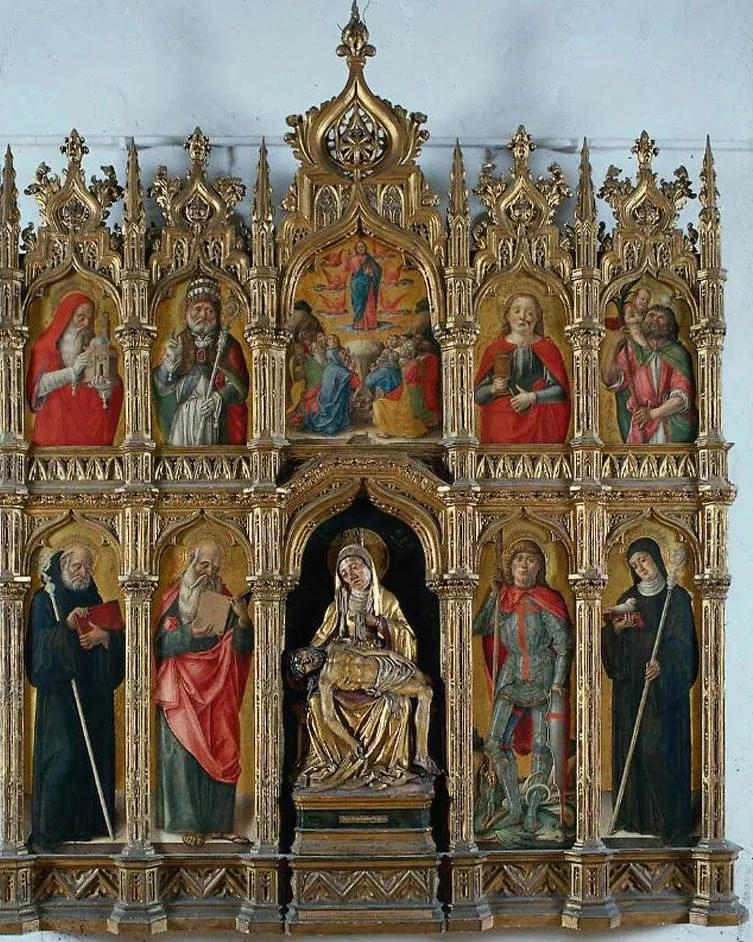
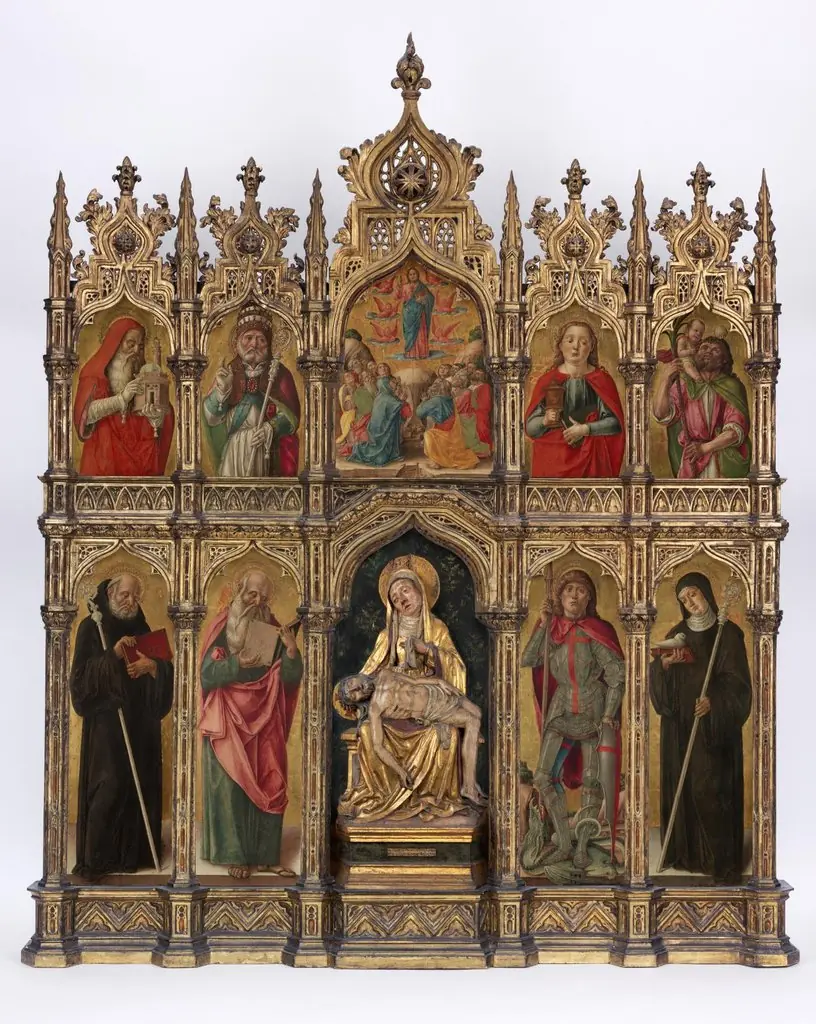
Virgin and the Dead Christ with the Ascension and Saints is a tempera painting by the Early Renaissance artist Bartolomeo Vivarini. It dates from 1493 and is held in the collection of the Museum of Fine Arts Boston.
About this work
Overview
Painted in 1493 by Bartolomeo Vivarini, this small altarpiece is composed of nine tempera-on-panel sections arranged in a unified gold-leaf frame.
Painted in 1493 by Bartolomeo Vivarini, this small altarpiece is composed of nine tempera-on-panel sections arranged in a unified gold-leaf frame. It was designed for devotional use, likely in a chapel or private setting. The composition combines multiple biblical scenes within a single structured format, typical of late 15th-century Venetian religious art. The use of tempera, a fast-drying medium made from pigment and egg yolk, allowed for precise, luminous detail despite its limited tonal range.
Subject & Meaning
The central panel depicts the Virgin Mary cradling the lifeless body of Christ, a moment known as the Pietà. Above, Christ ascends into heaven, surrounded by angels, linking his death with divine triumph. Flanking scenes feature saints and holy figures, each identified by attire or attribute, serving as intercessors between the faithful and the divine. The arrangement reinforces theological themes of sacrifice, redemption, and heavenly glory, guiding contemplation during worship.
Technique & Style
Tempera paint was applied in thin, opaque layers, producing flat, vivid hues without atmospheric blending. Figures are rendered with rigid postures and stylized drapery, emphasizing symbolic presence over naturalism. Gold leaf backgrounds and intricately carved architectural frames elevate the sacred nature of the scenes. The lack of perspective and depth reflects a transitional style—still rooted in medieval conventions but influenced by emerging Renaissance ideals of clarity and order.
History & Provenance
Created for a religious context in Venice, the altarpiece remained in ecclesiastical use until the 19th century. It entered the Museum of Fine Arts, Boston, in the early 20th century as part of a broader acquisition of Italian panel paintings. Its survival in relatively intact condition is rare, given the fragility of tempera and the common practice of dismantling altarpieces after the Counter-Reformation. Documentation confirms its attribution to Vivarini and its date of completion in 1493.
Context
In late 15th-century Venice, altarpieces like this served both liturgical and didactic functions. Artists such as Vivarini worked within established workshop traditions, blending Byzantine iconography with subtle innovations in composition. While Florentine painters pursued anatomical realism, Venetian artists often prioritized color, ornament, and spiritual symbolism. This work reflects the city’s enduring devotion to Marian imagery and the continued importance of multi-panel formats in domestic and church settings.
Legacy
Though overshadowed by later High Renaissance developments, Vivarini’s altarpiece exemplifies the transitional phase in Venetian painting. Its careful balance of tradition and emerging naturalism influenced regional artists and preserved devotional practices into the early modern period. Today, it stands as a representative example of how religious narratives were visually structured for private and communal contemplation, offering insight into the spiritual life of Renaissance Venice.
Artist & collection
Artist
Bartolomeo or Bartolommeo Vivarini (c. 1432 – c. 1499) was an Italian Renaissance painter, known to have worked from 1450 to 1499.

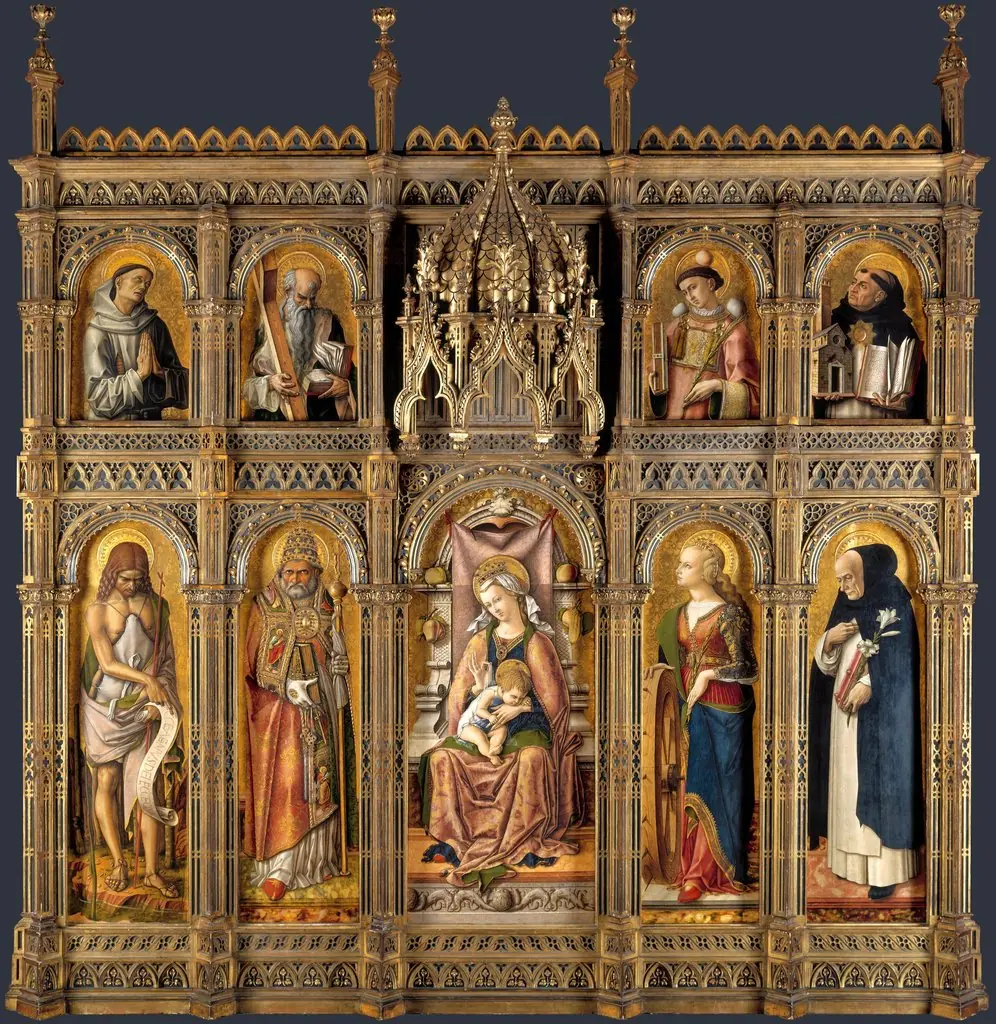 Demidoff Altarpiece
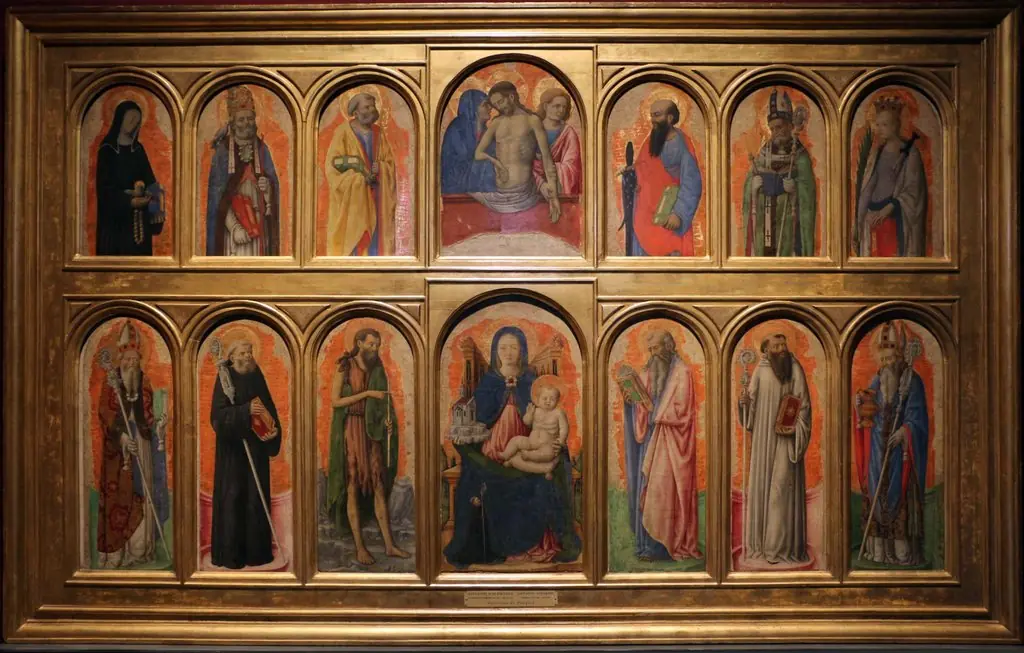 Polyptych of Praglia
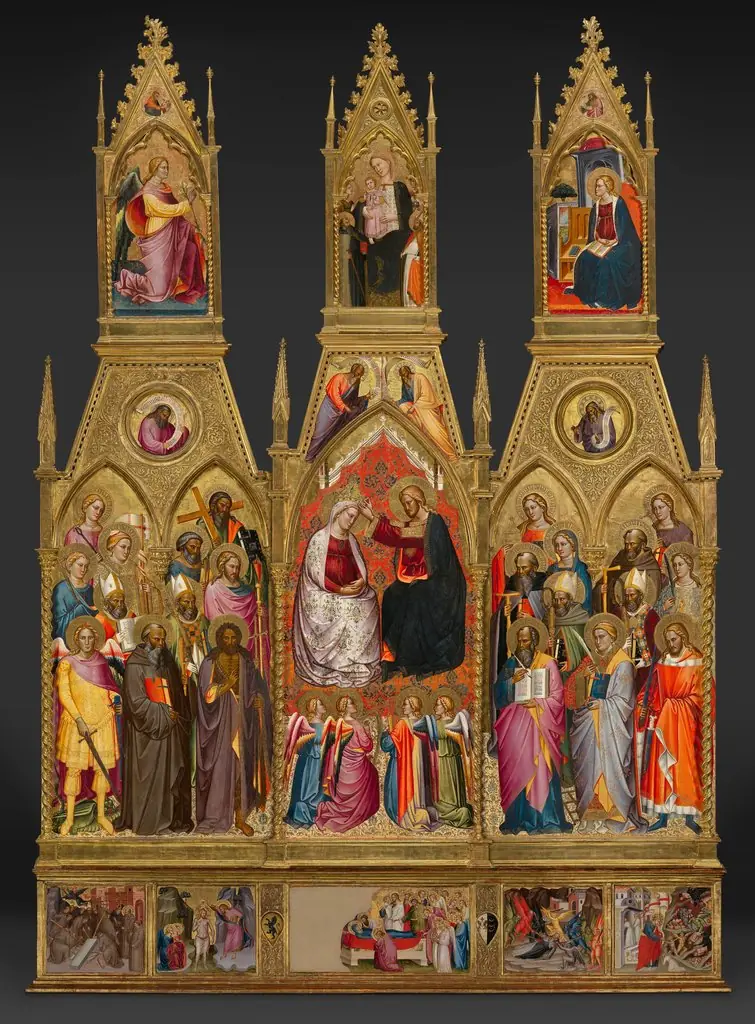 Polyptych with Coronation of the Virgin and Saints
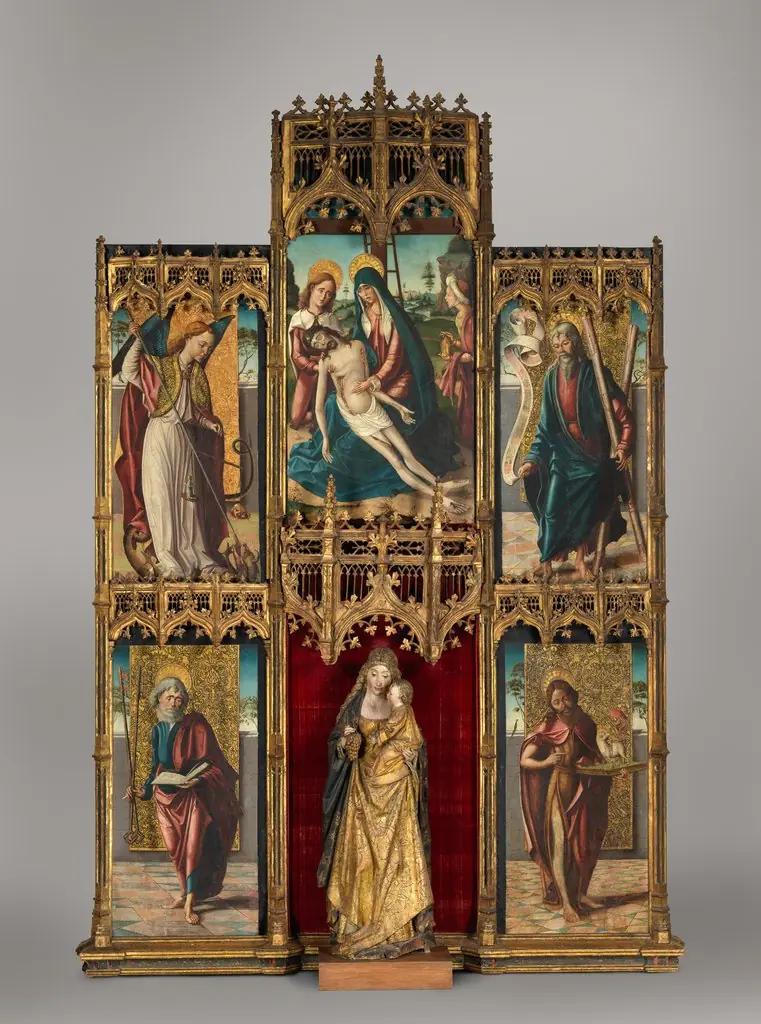 Virgin and Child with the Pietà and Saints
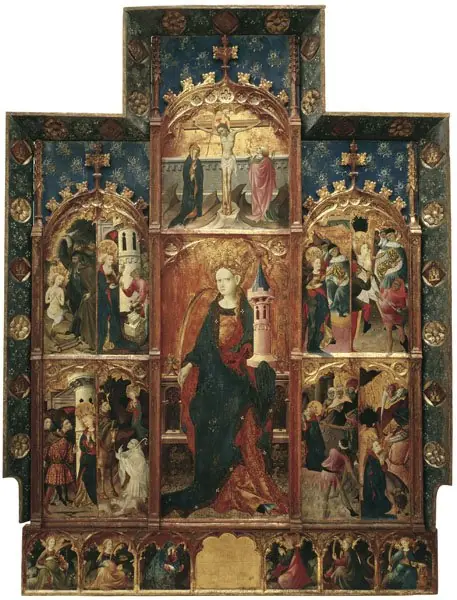 Altarpiece of Saint Barbara
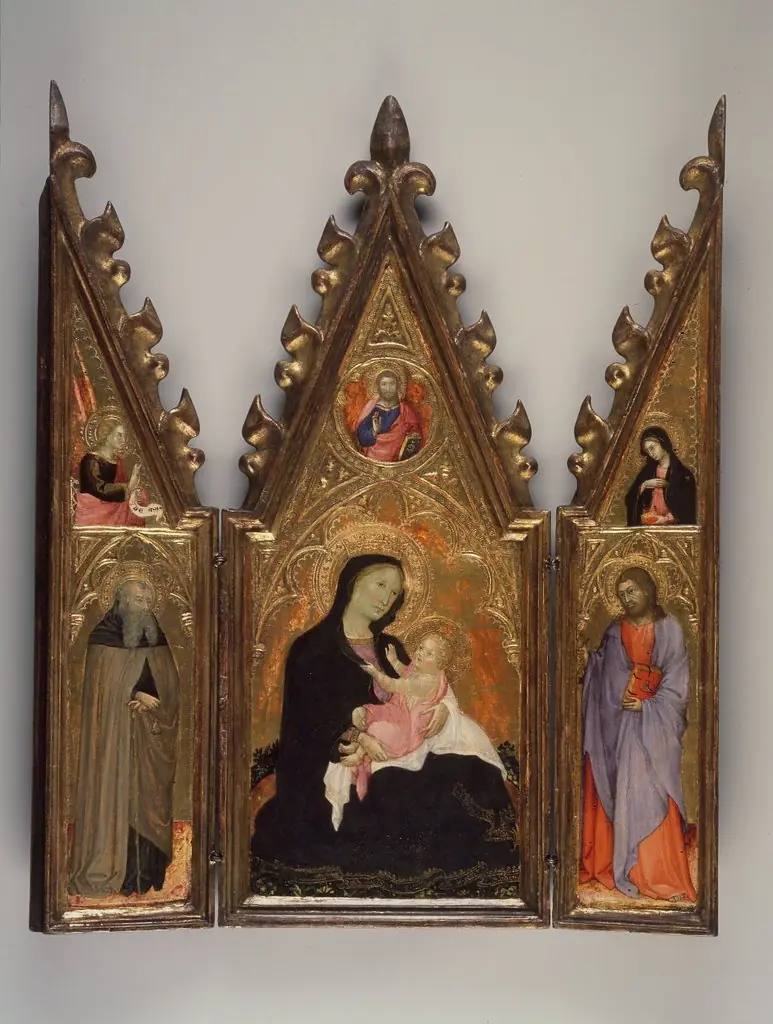 Madonna of Humility, portable altarpiece
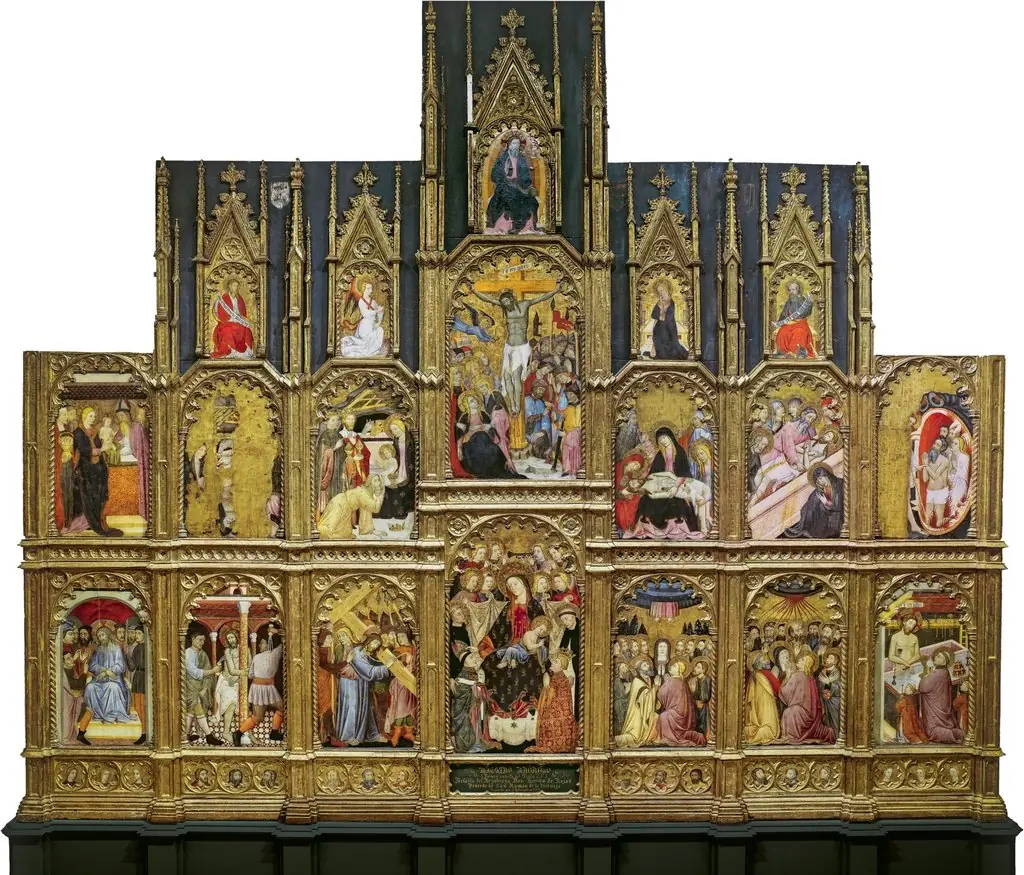 Altarpiece of Archbishop Sancho de Rojas
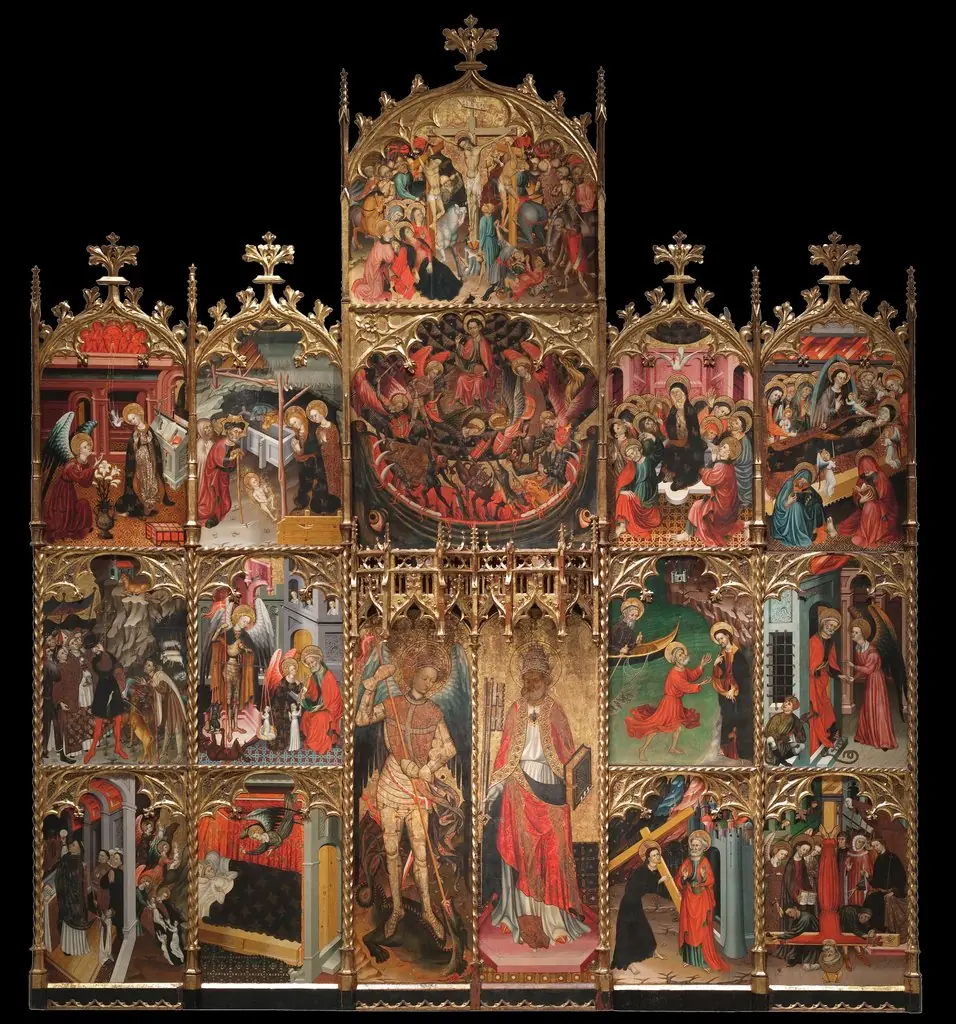 Altarpiece of Saint Michael and Saint Peter
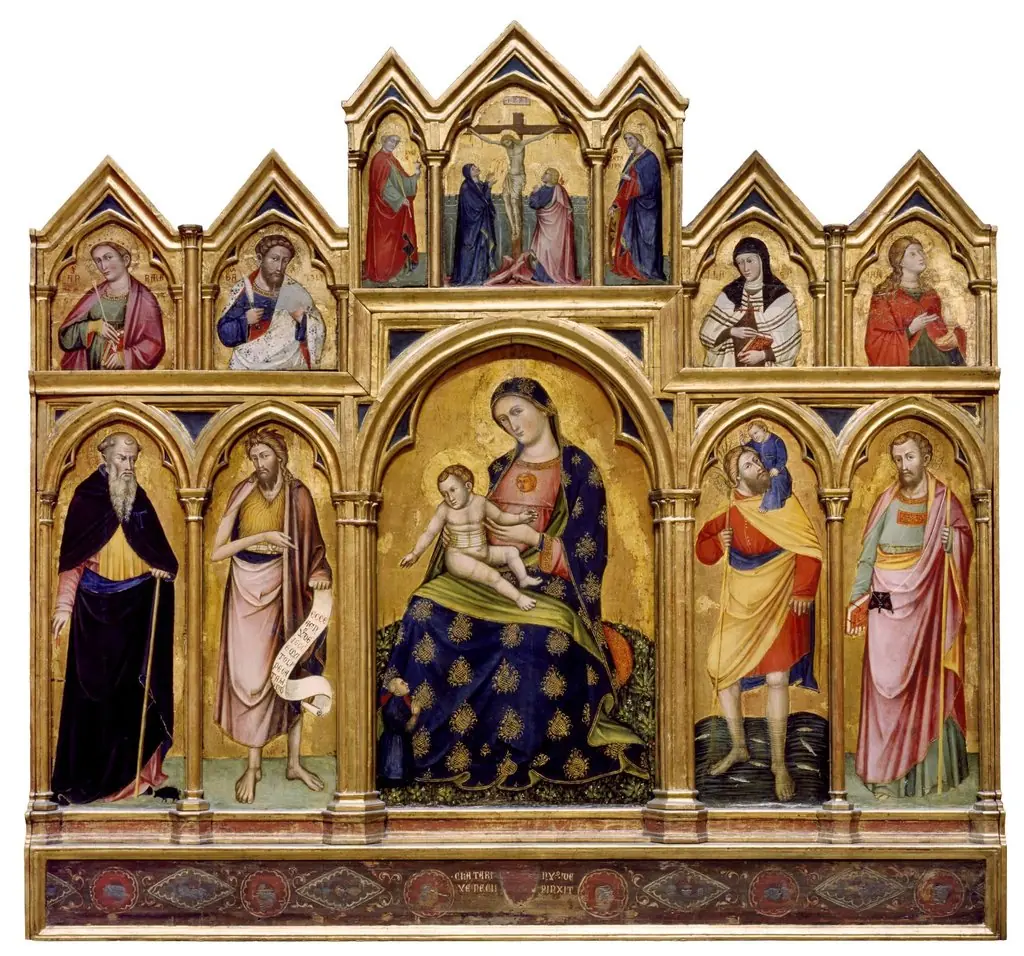 Madonna and Child, Crucifixion and Saints